
Bluffing in Poker: When and How to Make the Perfect Move
PAGE
By PAGE Editor
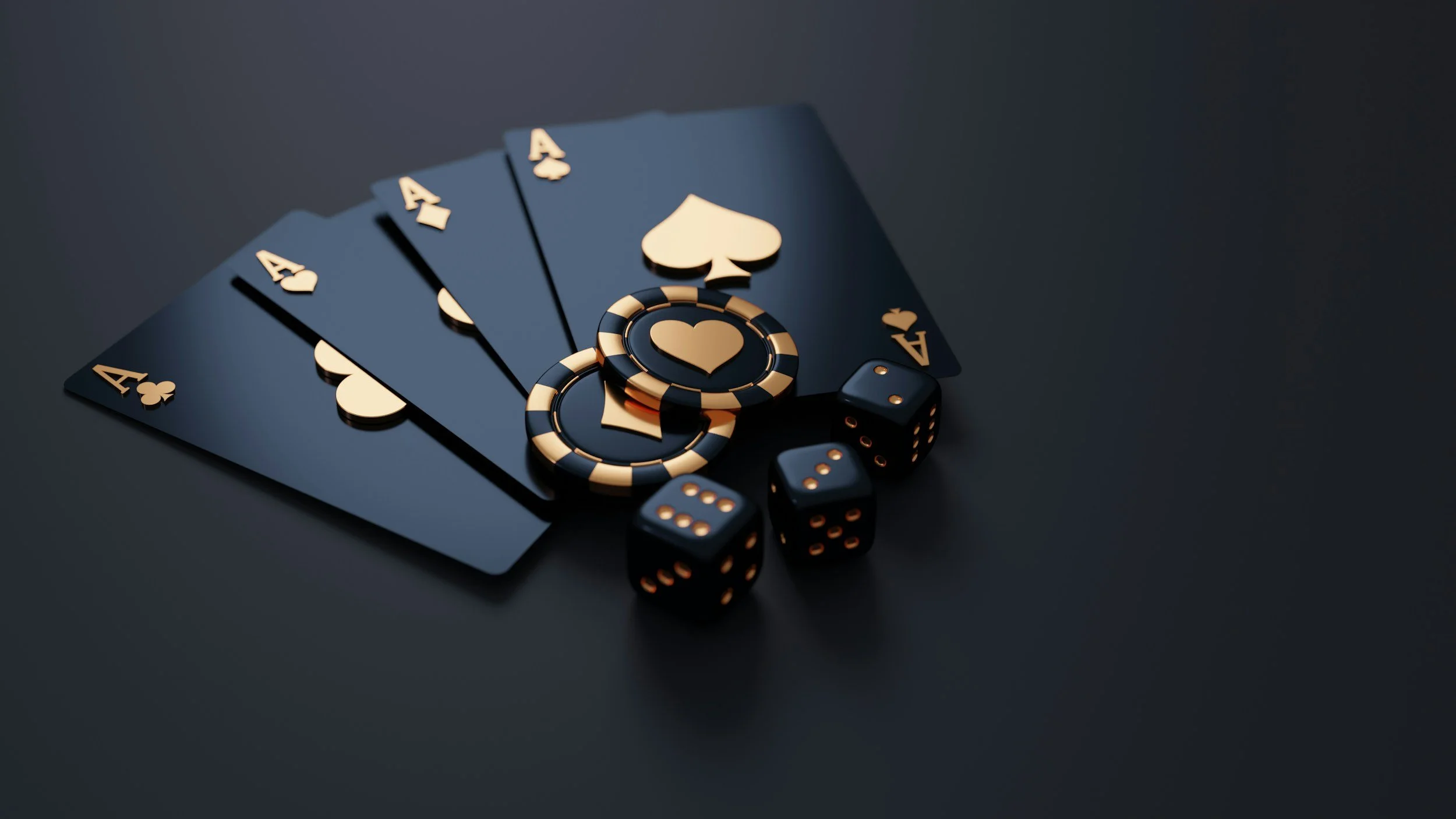
When it comes to poker, having the best cards is not the only way to win. You also need to master the art of bluffing. A critical aspect of poker strategy, bluffing fools your opponents into believing that your hand is stronger than it is.
When done at opportune times, it could be the difference between triumph and defeat, no matter the cards you’re dealt. However, hoodwinking opponents is also a high-risk strategy and arguably the hardest skill to master.
The following post will break down the basics of bluffing in poker, including its relevance, types of posturing, factors to consider before putting on an act, and when and how to hoodwink your way to victory.
Understanding Bluffing in Poker
Bluffing is a fundamental skill to learn when getting started with Texas Hold’em. It refers to the art of making your opponent believe you’ve got a better hand than they do, although it’s weaker. The aim is to make your opponent fold their hand, even if they’re better. Hoodwinking opponents lets you win pots without having the best cards, using misdirection and psychology.
While you can hoodwink opponents at any time during Texas Hold’em, understanding the most opportune moments to do it is all that matters. Successful bluffing involves more than just courage. It’s about knowing your opponents’ habits and carefully picking the right times to capitalize.
It shouldn’t be treated as a random strategy but something that aligns with your broader game plan. Even if that includes capitalizing on the no deposit bonus Ice Casino offers available online.
Effective bluffing depends on various factors, like your table position, how the hand has developed, and your opponent’s behavior. Mastering when to bluff and not to is critical. Trick your opponents less often, and you’ll miss out on great opportunities to win. On the other hand, if you trick too often, your opponents will likely catch on.
Forms of Bluffing
The game of poker allows for different forms of bluffing, so understanding them may help you handle various situations. Mastering these deceptive tactics can significantly increase your chances of winning, even when your cards aren't the strongest. Each type of bluff has its ideal circumstances and risks, making a nuanced understanding essential for effective play.
C-Bet Bluff: This is a common hoax in which you bet on the flop even if you have a strong hand. You aim to make the most of the fact that it’s hard to hit the flop. Considering that you’ll hit a pair about three out of ten times in Texas Hold’em, using a c-bet bluff might be quite effective, especially against opponents who don’t adequately protect their poker hands.
Semi-Bluff: You make this hoax with a weak hand capable of improving later on. In poker, semi-bluffing is the most commonly used trick since it gives you two routes to winning: improving to the best hand or when your opponent folds. It’s particularly effective when you get straight draws or a flush.
Opportunistic Bluff: This bluff is often useful in multiway pots, and you make it when other players aren’t interested in the pot. The aim is to capitalize on the situation in which opponents could fold thanks to weak hands.
Stone Cold Bluff: This is the riskiest bluff you make with a hand doomed to fail unless all your opponents fold. You should only use it sparingly when you’ve got a strong clue about your rival’s weaknesses.
When to Bluff in Poker
There are many moments to bluff during poker, but certain opportunities are more favorable than others. Timing is crucial when it comes to successful deception in poker, as an ill-timed bluff can cost you dearly. Understanding these key moments can significantly improve your strategic play.
Pre-flop: Bluffing early on can be surprisingly effective since it may help you gather the blinds. You can do this when playing against tight or cautious opponents who aren’t likely to be overly aggressive. Players generally judge this when they’re in a late position.
Post-flop: This is perfect on dry boards without pairs or high cards, where other players might fold. Your bluff is more credible here because your opponents are less likely to hit these flops.
Paired board: It can be effective to bluff on low-paired boards since your opponents could fold unless they’ve got the paired card or a strong hand.
General Tips for Effective Bluffing in Poker
Effective posturing requires careful timing and strategy. When executed correctly, a well-placed bluff can swing the pot in your favor even with a weak hand. Here are five essential tips for bluffing that can help you level up in Texas Hold’em.
Bluff in a late position: Being the last to put on an act gives you more insight into your rivals’ actions.
Bluff selectively: Choose logical, well-timed moments instead of over-bluffing.
Consider your opponent: Loose players call more easily, while tight players tend to fold more frequently.
Make semi-bluffs: Use hands that can improve later.
Watch bet size: Your wagers should match the strength you’re supposedly holding.
Bluff Your Way to Victory in Poker Today!
Bluffing is a fundamental part of playing poker, requiring observation, timing, and strategy. Once you master how to read opponents, different kinds of bluffs, and the right time to fold or execute, you can gain the upper hand at the table.
Keep in mind that effective posturing is about making calculated, well-timed moves that suit your game strategy rather than being careless. Ultimately, paying attention to your position, opponents’ behavior, and bet sizes can help you easily master putting on an act.
HOW DO YOU FEEL ABOUT FASHION?
COMMENT OR TAKE OUR PAGE READER SURVEY
Featured




A QS report maps every depreciable asset in your rental. Here is how it works, who writes it, and when it is worth the fee.