
Keeping Your 2S LiPo Battery Alive Longer in Australia’s Heat
PAGE
By PAGE Editor
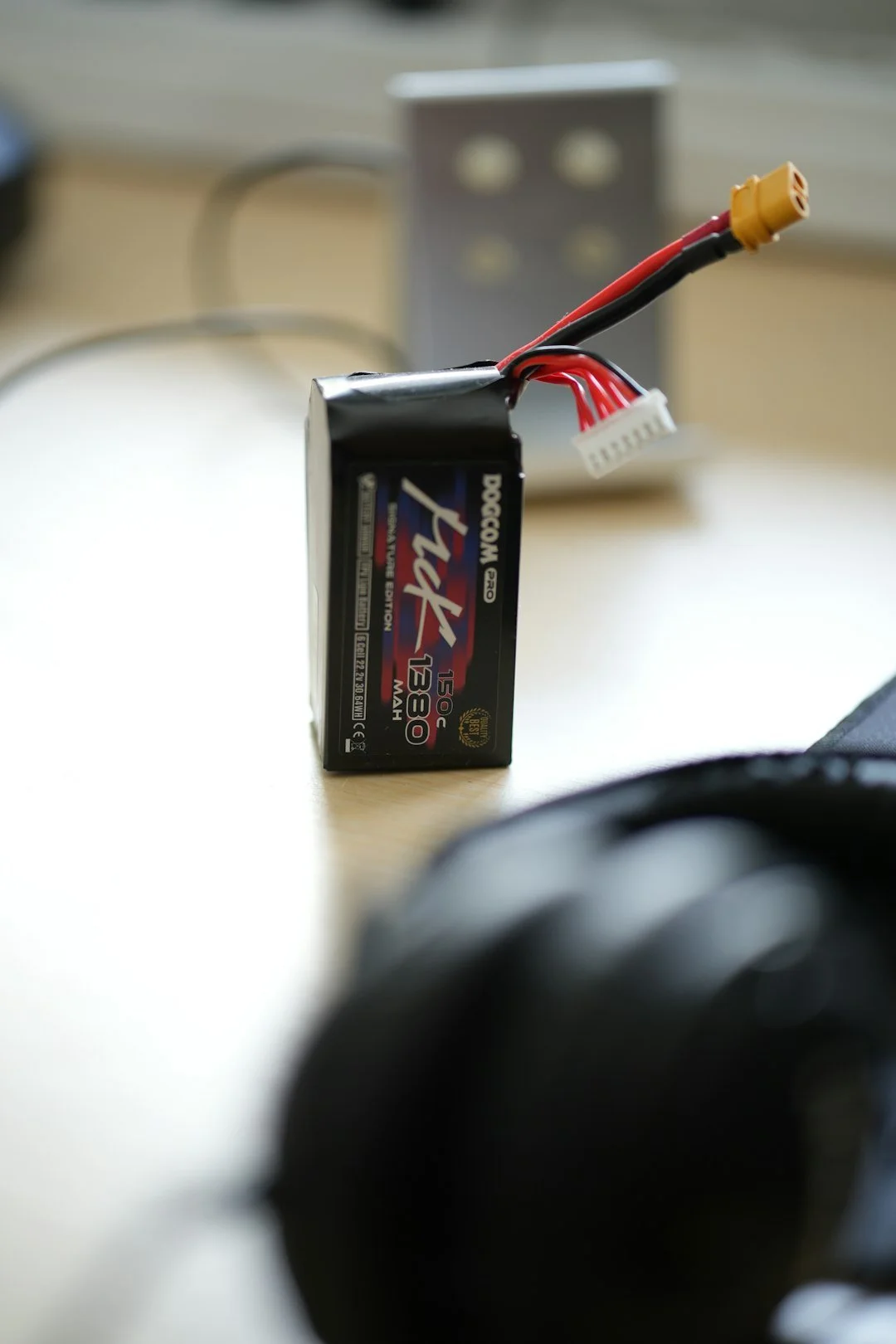
If you’ve been in the RC or drone world for more than five minutes, you already know this truth: batteries are everything. Motors and frames matter, sure, but without a healthy power source, nothing lifts off. And for many hobbyists in Australia, that power source is the good old 2S LiPo battery. Reliable. Compact. Just the right mix of punch and control.
But here’s the catch. Our climate isn’t exactly friendly to electronics—let alone sensitive lithium polymer packs. Scorching summers, unpredictable rain, and the occasional “forgot it in the shed” mistake. It all takes a toll. Which is why stretching the lifespan of your 2S LiPo battery isn’t just about saving money. It’s about keeping your gear ready when you want to fly, race, or roll.
Why 2S LiPo Batteries?
A quick detour. People often ask: Why 2S? Why not 3S or 4S? Well, the 2S LiPo battery sits in that sweet middle ground. Enough voltage for speed and fun, without pushing your motors or ESCs into meltdown. Perfect for beginners, but still loved by seasoned RC drivers and drone pilots who want longer runtimes without frying gear.
Think of it as the Goldilocks pack. Not too hot. Not too cold. Just right.
Heat: The Silent Killer
Now, let’s talk about the elephant in the room. Heat. It’s not just uncomfortable for you when you’re standing in a dusty Melbourne park with the sun beating down. It’s brutal for your battery chemistry.
A 2S LiPo battery hates extreme heat. It degrades faster, swells, and in worst cases—yep, it can fail dramatically. Leaving it in your car boot on a hot January day? Pretty much a death sentence. So the first rule is simple: keep it cool.
That means storage in shaded, ventilated spaces. No tossing it into a backpack that sits in the sun all afternoon. And if you’ve just run your drone or RC car hard, give the pack time to cool down before charging again. Rushing? That’s how cells puff.
Charging Habits (The Make or Break Bit)
Here’s something I learned the hard way. Not all chargers are equal. A cheap wall charger can overcook a perfectly good 2S LiPo battery in a few cycles. Always, always invest in a proper balance charger. It might look intimidating at first—menus, settings, beeps—but it’s your battery’s best friend.
And here’s the golden habit: never overcharge. Stop at 4.2 volts per cell. Don’t push it. And when you’re done for the day, don’t leave it fully juiced. Store it at around 3.8 volts per cell. It’s boring advice, I know. But what difference does it make over months? Huge.
Storage: Not Just “Chuck It in a Drawer”
Another thing people forget: storage matters. A 2S LiPo battery isn’t something you just toss aside until next weekend. Keep them in fireproof bags or boxes. Away from metal objects (yes, that includes the drawer full of random tools). And in a place that doesn’t experience extreme temperature fluctuations.
If you’re up north, where humidity creeps in, add silica gel packets to your storage box. Keeps the moisture out. Small detail, but these packs notice.
Usage Tips You Won’t Find on the Box
A few odd but useful habits from years in the hobby:
Don’t run it to zero. Stop flying when you feel the power drop. Running a 2S LiPo battery until it’s limp is like starving it.
Cycle gently at first. New pack? Don’t push it to the limit right away. A few easy runs let the cells “wake up.”
Label your batteries. Seems silly, but once you’ve got five or six packs, it’s easy to lose track. Write dates. Track cycles. You’ll know which ones are nearing retirement.
Australia-Specific Challenges
Now, let’s be real. Australia isn’t battery-friendly. In Sydney, you’ve got humidity. In Melbourne, temperatures can swing unpredictably from 15°C to 40°C in a day. Perth? Dry, hot summers that feel like ovens. All these climates stress electronics differently.
Which means your 2S LiPo battery needs a bit of climate-specific care. For hot states, shade and cooling are essential. For humid ones—fight moisture. Down south? Be prepared for sudden weather changes that may require you to store and transport items more carefully.
When It’s Time to Say Goodbye
Even with the best care, no battery lasts forever. After a couple of hundred cycles, your 2S LiPo battery will lose punch. Maybe it swells. Perhaps it just doesn’t hold a charge like it used to. Don’t ignore the signs. Retiring a tired pack safely is part of being a responsible hobbyist.
Australia has e-waste facilities in most major cities. Don’t just toss them in the bin. Take them in, recycle properly, and swap in a new pack. Safer for you, safer for everyone.
Final Thoughts
Here’s the thing. A 2S LiPo battery isn’t just a disposable power source—it’s the heart of your setup. Treat it badly and you’ll spend more time troubleshooting than enjoying your hobby. Treat it well and it’ll reward you with consistent flights, long runs, and fewer mid-air surprises.
It comes down to habits. Cool storage. Smart charging. Respecting limits. Do that, and your 2S LiPo battery from RC Battery will serve you faithfully—despite the harshness of our Aussie climate.
And next time you’re tempted to leave one baking in the back of your ute after a day at the park? Just remember: that little pack is tougher than it looks, but it’s not indestructible. A little care goes a long way.
HOW DO YOU FEEL ABOUT FASHION?
COMMENT OR TAKE OUR PAGE READER SURVEY
Featured





A healthy and well-maintained lawn is one of the most important elements of a beautiful outdoor space.