
Simple Mindfulness Practices to Feel More Present Every Day
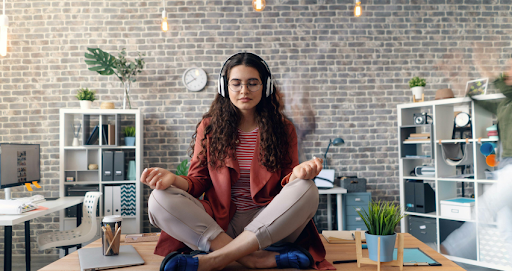
PAGE
By PAGE Editor
Most people reach the evening with a sense that the day “ran them” instead of the other way round: tasks done, messages answered, but very few moments actually felt. Mindfulness is used to purposefully get out of that automatic mode by training attention to return, again and again, to what is happening in this moment, to what is happening in your body and mind, and in your space.
Sometimes, it is harder to stay in your body by yourself and that is where skillfully constructed guidance can help to shift an intention into a daily habit. The Liven platform combines short tests, personalised programs, mood tracking, journaling, and small daily tasks, so mindfulness and emotional awareness are woven into your real schedule rather than added as another abstract “self-care goal”. This is especially helpful when stress, low mood, or scattered attention make it difficult to know where to start or how to keep going.
What “present” really means in daily life
"Being there" does not mean that you do not have a million thoughts in your mind; it means that you do not have thoughts that are completely on and in that moment. Three steps are involved; noticing how you currently feel, accepting that feeling without making a judgement, then thinking before responding rather than reacting in a knee jerk way.
In time, your nervous shift away from feeling that you have to be in constant threat mode. Conflicts are resolved more quickly.
The 60-second breath reset
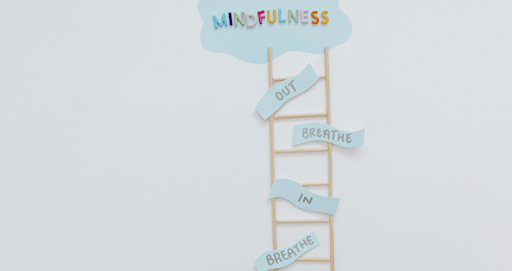
You can do this in your daily and just everyday, busy life.
Sit in a chair with both of your feet on the floor and allow your shoulders to relax. Breathe in through your nose for a slow count of 4, then out through your mouth for 6.
In total, do this for ten breaths and with every ten intervals, pay close attention to your every breath. If you have thoughts pop into your head, it does not mean you are doing it wrong. If this happens, just barely acknowledge it, and get back to breathing.This simple loop builds the core skill of mindfulness: coming back. It also directly calms physiological arousal, which reduces emotional reactivity over time.
2. Micro body check‑ins during natural pauses
Stress often shows up in the body before the mind catches it. Brief check‑ins help you notice signals early, before they grow into exhaustion or irritability.
Choose two anchor moments, for example after brushing your teeth and before opening your laptop. For 30–60 seconds, scan from forehead to jaw, neck, shoulders, chest, stomach, lower back, hips, legs, and feet.
3. Using routine as a mindfulness container
You do not need extra time to practise mindfulness; you can turn existing routines into “containers” for presence.
Pick one everyday activity and dedicate it to awareness for a week:
While washing dishes or hands, focus on temperature, texture, pressure, and scent.
On the way from your desk to the kitchen, feel several steps consciously: heel, toes, weight shift.
During the first minute of your shower, keep attention on the sensation of water on your skin instead of planning the day.
Even if the rest of the day is busy, these small islands of presence quietly reshape how “lived” your life feels.
Designing a “presence profile” that fits your brain
Not every mindfulness technique works equally well for every mind. Some people settle into stillness easily; others feel more grounded when moving. Instead of forcing yourself into a single “correct” format, it is more effective to build a personal “presence profile” based on how your attention and energy behave across the day.
For one week, observe three things: when your focus is sharp, when it scatters most, and what situations trigger the strongest emotional swings. If sitting with closed eyes consistently increases agitation while slow walking or stretching brings relief, let that guide your choice of practices. For many people with attention variability, short, sensory, movement‑based exercises are far more sustainable than long static meditations.
4. 3‑sense grounding for racing thoughts
When thoughts speed up, before a difficult conversation, after conflict, or in a busy environment — a simple three‑sense exercise can bring you back into the room:
Silently name:
three things you can see (shapes, colours, light);
three things you can hear (near and distant sounds);
three things you can physically feel (contact points, temperature, weight).
This usually takes less than a minute and interrupts spirals of worry by anchoring attention in sensory reality. Many people find it stabilising enough to continue tasks or interactions with more clarity and less defensiveness.
5. Two‑question evening reflection
Instead of aiming for long meditation sessions, a brief evening reflection can consolidate presence and close the day gently. With a notebook or notes app, answer:
“When today was I genuinely present?”
“When did I notice I was drifting and choose to come back?”
One sentence for each question is enough. With this work, patterns emerge over time- situations that tend to take you out of your moment, and situations that help you come back. This kind of meta‑awareness helps to improve the regulation and responses of your emotions.
Keeping mindfulness realistic and sustainable
Perfection is the least of your worries, it is the repetition that helps focus that power. If you start small, attach these exercises to your daily habits, and be nice to yourself and just begin again on days that you forget, it can help you to permanently become a mindful person, and it is a far better result than just achieving another target.
Digital companions like Liven can support this flexible consistency by combining daily tasks, mood tracking, journaling, and AI‑guided reflections. Seeing your patterns over time makes it easier to trust that tiny present‑moment choices are, in fact, reshaping how you handle stress, relationships, and decisions.
As these simple practices settle in, presence stops being a rare, accidental experience and becomes a quiet baseline. Life remains imperfect and demanding, but more of it is actually felt: tension is noticed earlier, choices become more deliberate, and ordinary moments regain their capacity to bring real, grounded joy.
HOW DO YOU FEEL ABOUT FASHION?
COMMENT OR TAKE OUR PAGE READER SURVEY
Featured


The replica watch market has evolved dramatically, with modern high end pieces offering impressive accuracy and craftsmanship.