
What Really Matters When Choosing Everyday Accessories
PAGE
By PAGE Editor
Accessories you wear every day do more than finish an outfit—they decide how comfortable you feel from morning to night. Earrings that tug, chains that twist, or finishes that fade too fast can quietly ruin pieces you otherwise love. Everyday accessories work best when they support real life: commuting, sitting, moving, and heading out again across different settings and weather conditions.
Brands now list practical details like weight, size, and materials, which makes it easier to choose pieces that last through long days. Comfort, fit, and low-maintenance care matter more than seasonal trends or short-lived design changes. Items that sit well, feel light, and hold up without constant attention become the ones you reach for on repeat—simple, reliable, adaptable, and easy to wear.
Daily Wear Reality
Comfort and stability determine how well accessories perform during repeated wear. A balanced piece maintains even pressure without sliding, shifting, or leaving marks on the skin. Necklaces that remain centered and bracelets that stay aligned with wrist movement indicate proper weight distribution. Earrings designed with proportionate thickness and secure closure mechanisms prevent uneven tension or forward tilting during motion.
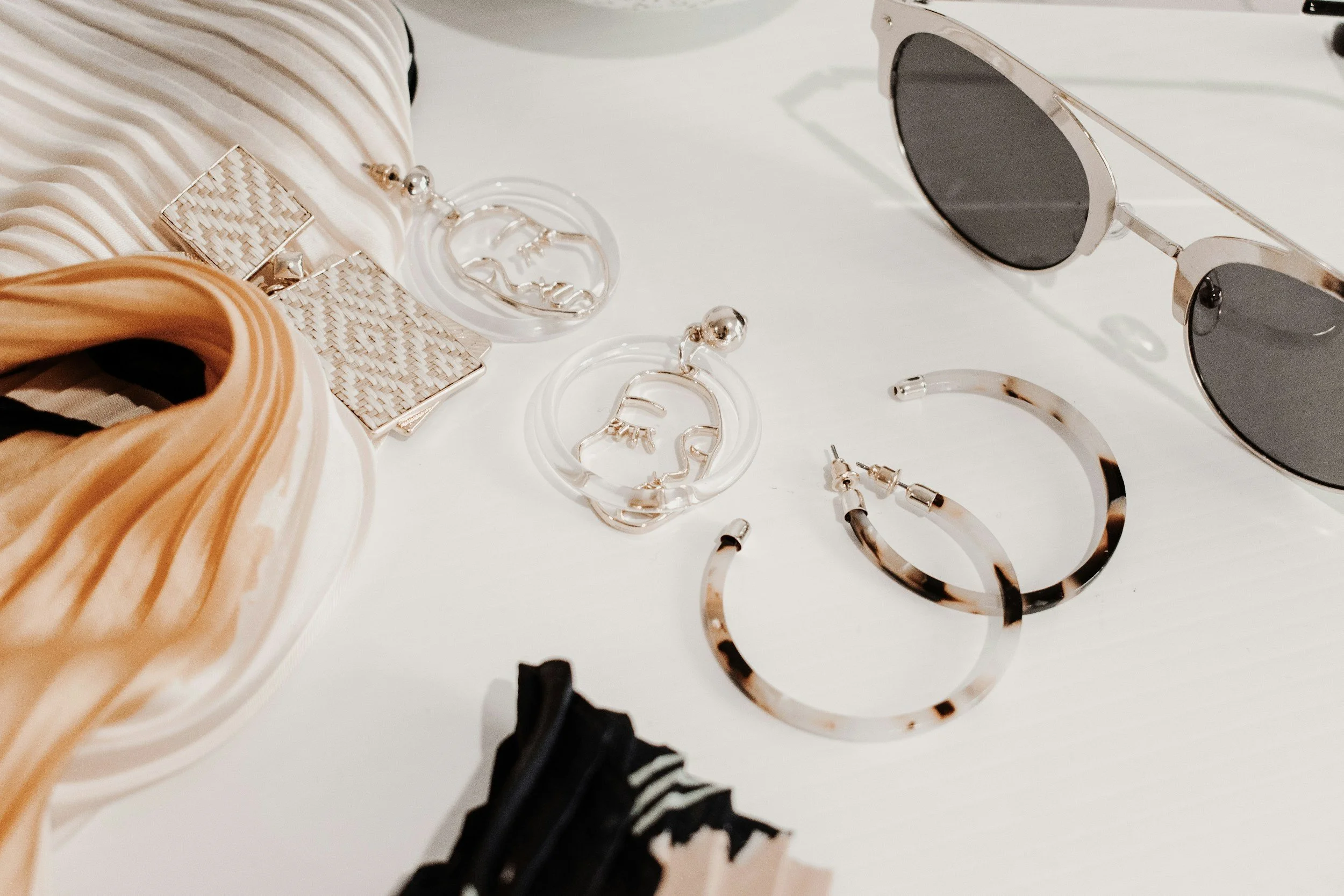
For small or medium hoop earrings, consistent comfort depends on diameter, wire gauge, and closure type. Lightweight alloys or hollow-core constructions reduce strain on the earlobe, while hinged or endless clasps maintain balance and prevent twisting. Testing for comfort after several hours of movement confirms whether sizing and material composition suit prolonged daily use.
Styling Without Effort
Getting dressed feels easier when accessories already work with what you wear. Necklines, silhouettes, and layers set the base, so items that follow familiar proportions blend in naturally. Medium-scale pieces—compact crossbody bags, simple belts, classic sunglasses, low-profile watches, or understated jewelry—move easily between outfits. Neutral tones, clean shapes, and matte or soft finishes help looks feel complete without extra thinking. When accessories align with your wardrobe, daily styling feels calmer and faster.
A useful shortcut is sticking to contrast instead of constant experimentation. Keep one structured option (boxy bag, firm belt, defined hoop) and one softer or minimal alternative (slouchy tote, slim strap, delicate chain). Rotate based on outfit volume. Fewer decisions, same result.
Lifestyle Compatibility
Accessories should support your day, not interrupt it. Lightweight bags, secure straps, and pieces that sit close to the body move better through commutes, work hours, and long walks. Quiet hardware, rounded edges, and stable closures reduce distractions, letting accessories fade into the background while still looking intentional. Short straps avoid constant readjusting, hands-free options simplify movement, and low-profile pieces stay comfortable during long wear.
Notice what you forget you’re wearing. Accessories that stay unnoticed usually belong. Items that demand constant fixing or checking rarely earn a permanent spot. Comfort and ease matter more than how long something stays on.
Care and Maintenance
Everyday accessories work best when upkeep feels low-effort. Durable materials, solid stitching, and reliable hardware hold up better to daily use. Leather with protective finishes, coated canvas, stainless steel details, and reinforced seams resist wear from friction, weather, and repeated handling. Zippers, clasps, and buckles should feel smooth and secure from the start, with replacement parts or repair options available when needed.
Storage shapes usage. Visible, separated organization turns accessories into real options instead of forgotten extras. When bags keep their shape, belts stay uncreased, and jewelry sits untangled, rotation feels easy and damage stays limited. Consistent cleaning, periodic inspection, and dry storage conditions extend lifespan and keep items looking and functioning as intended over time.
Thoughtful Material Choice
Material and construction shape comfort over long hours. Weight, texture, and flexibility affect how accessories sit against the body throughout the day. Smooth finishes, softened edges, and breathable materials reduce friction and irritation, especially during movement. Low-reactivity metals, coated hardware, and quality linings feel reliable from first wear.
Before committing, check stitching density, edge paint, strap attachment, and hardware joints. Wear new pieces through a full day to spot pressure points, discoloration, or stiffness. Accessories that perform well under real conditions become the standard for future choices.
At the end of the day, everyday accessories should make getting dressed easier, not more complicated. Prioritizing comfort, easy care, and materials that feel good against the skin helps narrow choices fast. Stick to shapes and sizes that work with clothes you already wear, and test new pieces during a full day before committing to them. Keeping a small rotation of reliable favorites saves time, reduces frustration, and builds confidence in your style. One thoughtful edit to your collection can make daily outfits feel more intentional, relaxed, and ready for whatever the day brings without added effort or stress.
HOW DO YOU FEEL ABOUT FASHION?
COMMENT OR TAKE OUR PAGE READER SURVEY
Featured





In 2026, more home cooks and professional chefs are choosing Damascus kitchen sets for their kitchens.