
Customizing Windows 10: How to Personalize Your User Experience
PAGE
By PAGE Editor
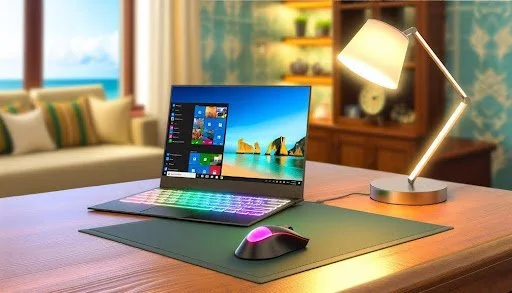
Customizing Windows 10 can really transform how you interact with your computer. It’s not just about looking good; it’s about making your workspace work for you. From changing your desktop background to organizing your Start Menu, there are plenty of ways to make your experience more enjoyable and efficient. Curious about how to make these adjustments and create a setup that truly reflects your style? Let’s explore Logkeys some simple yet impactful changes you can make.
Key Takeaways
Change your desktop background and themes by accessing the "Personalize" option through a right-click on the desktop.
Organize your Start Menu and Taskbar by pinning frequently used apps and resizing tiles for quick access.
Create and manage folders in File Explorer to keep similar files grouped together for easy navigation.
Adjust system settings by switching to ‘High Performance’ mode and disabling unnecessary background apps for better performance.
Personalize your lock screen with images or slideshows and modify sign-in options through the "Accounts" settings for enhanced security.
Changing Your Desktop Background and Themes
If you're looking to give your Windows 10 desktop a fresh look, changing your background and themes is a great place to start. You can easily personalize your space by right-clicking on the desktop and selecting "Personalize."
From there, choose "Background" to pick a stunning image, solid color, or slideshow that resonates with you.
Next, dive into "Themes" to explore different combinations of backgrounds, sounds, and colors. Windows offers pre-installed themes, or you can download custom ones online.
Don't forget to check out the Microsoft Store for even more options! By taking these simple steps, you’ll create an inviting workspace that fuels your creativity and makes every day on your computer feel a little more special.
Customizing the Start Menu and Taskbar
The Start Menu and Taskbar are your command centers in Windows 10 professional Key, and customizing them can streamline your workflow and make navigation a breeze.
Here’s how you can make them truly yours:
Pin Your Favorites: Drag your most-used apps to the Taskbar or Start Menu for quick access. It's like having your essentials at your fingertips!
Resize and Rearrange: Feel free to resize tiles in the Start Menu and drag them around. Organizing them by category can save you time.
Add Live Tiles: Enable live tiles for news, weather, or calendar updates. They keep you informed without needing to open multiple apps.
With these tweaks, your Start Menu and Taskbar will reflect your unique style and needs!
Organizing Your File Explorer
Ever wondered how to make your File Explorer more efficient? Start by creating folders that reflect your unique workflow. Group similar files together—maybe a folder for work projects, another for personal documents, and one for photos.
You can also rename files to something more intuitive; it’ll save you time when searching later. Don’t forget to utilize the Quick Access feature! Pin your most-used folders for easy access right from the sidebar.
If you’re feeling adventurous, try using tags to further categorize your files. Lastly, consider adjusting the view options—switching between list and tile view can streamline how you navigate through your folders.
With just a few tweaks, you’ll turn File Explorer into your personalized organizational hub!
Adjusting System Settings for Enhanced Functionality
Many users overlook the power of adjusting system settings, yet these tweaks can significantly enhance your Windows 10 experience.
By fine-tuning your system, you can make it more efficient and tailored to your needs. Here are three essential adjustments you can make:
Power Settings: Switch to ‘High Performance’ mode for better speed, especially during gaming or heavy tasks.
Background Apps: Disable unnecessary apps running in the background to boost performance and battery life.
Notifications: Customize your notification settings to reduce distractions and keep your focus on what matters.
Personalizing Your Lock Screen and Sign-in Options
Customizing your lock screen and sign-in options can add a personal touch to your Windows 10 experience. Start by right-clicking your desktop and selecting "Personalize." From there, click on "Lock screen." You can choose a stunning background image or even a slideshow of your favorite photos.
Next, decide what apps show quick status updates, keeping essential info at your fingertips.
For sign-in options, head to "Accounts" in Settings. You can switch to a PIN or use Windows Hello for facial recognition or fingerprints, making access feel more secure and personalized.
Don’t forget to enable dynamic lock, which automatically locks your PC when you walk away. These tweaks not only enhance aesthetics but also improve functionality!
Conclusion
By personalizing your Windows 10 experience, you’re not just making it look great—you’re boosting your productivity too! From changing your desktop background to organizing your Start Menu, every tweak helps create a workspace that feels just right for you. Don’t forget to explore system settings and lock screen options to really make it yours. So go ahead, dive in, and transform your setup into a reflection of your unique style and needs!
HOW DO YOU FEEL ABOUT FASHION?
COMMENT OR TAKE OUR PAGE READER SURVEY
Featured



Meta’s prescription-ready Ray-Ban AI glasses mark a pivotal shift from experimental wearable tech to everyday infrastructure, embedding intelligence seamlessly into how—and what—we see.