
5 Physiotherapist Recommended Exercises for Stronger Core
PAGE
By PAGE Editor
A strong core is essential not just for athletes or fitness enthusiasts, but for everyone—especially in today’s sedentary lifestyle where back pain and postural issues are on the rise. As a physiotherapist practicing in Australia, I often see clients whose problems stem from a weak core. The core isn't just about abdominal muscles; it includes the muscles around your trunk and pelvis, which support balance, posture, and movement in everyday life.
In this article, we’ll explore five of the most effective, physiotherapist-recommended exercises that promote a stronger core. These movements are evidence-based, safe for most individuals, and ideal for integration into any physiotherapy or home wellness routine.
Why Core Strength Matters in Physiotherapy
In physiotherapy, the core is considered the powerhouse of the body. A strong core supports spinal alignment, reduces the risk of injury, improves mobility, and enhances overall function. Whether you’re recovering from an injury, managing chronic pain, or simply aiming to improve your fitness, strengthening your core is usually one of the first steps in a personalised treatment plan.
Australian physiotherapists are trained to prescribe exercises that activate the core in a safe and structured way. These exercises can improve your quality of life significantly, especially if you're experiencing lower back pain, poor posture, or general instability.
Exercise 1: The Dead Bug
One of the most effective exercises prescribed in physiotherapy, the Dead Bug targets the deep stabilising muscles of the core without putting pressure on the lower back. It involves lying on your back with your arms extended toward the ceiling and knees bent at 90 degrees. From this position, you extend one arm and the opposite leg toward the ground while keeping the other arm and leg in place, and then alternate sides. This movement teaches your body to brace the core while coordinating limb movements, which mimics many real-world activities.
Exercise 2: Bird Dog
The Bird Dog is another foundational movement often introduced by a physiotherapist. Performed on all fours, this exercise requires extending one arm and the opposite leg while keeping your spine neutral and core engaged. It enhances balance, strengthens the lower back, and builds the endurance needed for proper postural control. In physiotherapy, it's commonly used for those recovering from spinal injuries or dealing with poor motor control.
Exercise 3: Glute Bridge
While primarily targeting the glutes, this movement also activates the core muscles, particularly the lower abdominals. Lying on your back with your knees bent and feet flat, you lift your hips off the floor until your shoulders, hips, and knees form a straight line. Physiotherapists in Australia frequently recommend this for individuals with lower back issues, as it reinforces pelvic control—a key element in spinal health.
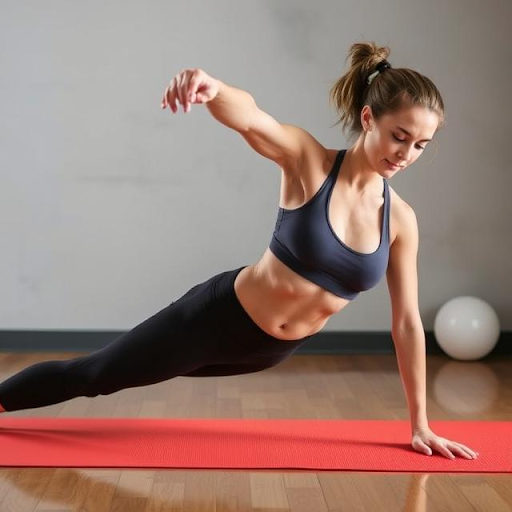
Exercise 4: Side Plank
Unlike the traditional plank, the side plank isolates the obliques—muscles on the side of your abdomen—which are vital for rotational strength and spinal stability. Starting on your side with your legs extended and one forearm on the ground, lift your hips to form a straight line from head to toe. Hold the position as long as you can while maintaining good form. In physiotherapy, this is often a go-to move for clients who need to improve lateral stability and reduce rotational stress on the spine.
Exercise 5: Standing Core Rotations
Standing core rotations are a functional exercise that mirrors everyday twisting movements. Using a resistance band or cable, rotate your torso slowly from one side to the other while maintaining a strong, upright posture. A physiotherapist might include this in a rehabilitation plan to restore dynamic control and improve sport-specific movement patterns.
Final Thoughts on Core Strength and Physiotherapy
Incorporating these exercises into your daily routine can help you build a stronger, more resilient core. Whether you're visiting a physiotherapist for recovery, injury prevention, or general well-being, core stability will likely be a cornerstone of your program. These five exercises are supported by clinical experience and evidence-based practice across the physiotherapy profession in Australia.
A strong core is more than just aesthetic; it’s a fundamental part of your long-term health and physical performance. If you're unsure where to begin or have any underlying health issues, consult a licensed physiotherapist who can tailor a program suited to your needs.
If you are looking for physiotherapy services in Leederville or the Perth area then contact Kinima Physio
HOW DO YOU FEEL ABOUT FASHION?
COMMENT OR TAKE OUR PAGE READER SURVEY
Featured



KANE Footwear expands its sustainable recovery portfolio with the Revive OB, an open-backed performance shoe engineered from Brazilian sugarcane-based foam to deliver hands-free convenience, biomechanical support and lower-impact manufacturing.