
Global Fashion Collective Bridges Heritage And Innovation At Milan Fashion Week FW26
By PAGE Editor
As the cadence of Milan Fashion Week continues to define the global luxury calendar, a parallel narrative unfolded inside the cloistered halls of I Chiostri di S. Barnaba—one that felt less about spectacle and more about substance.
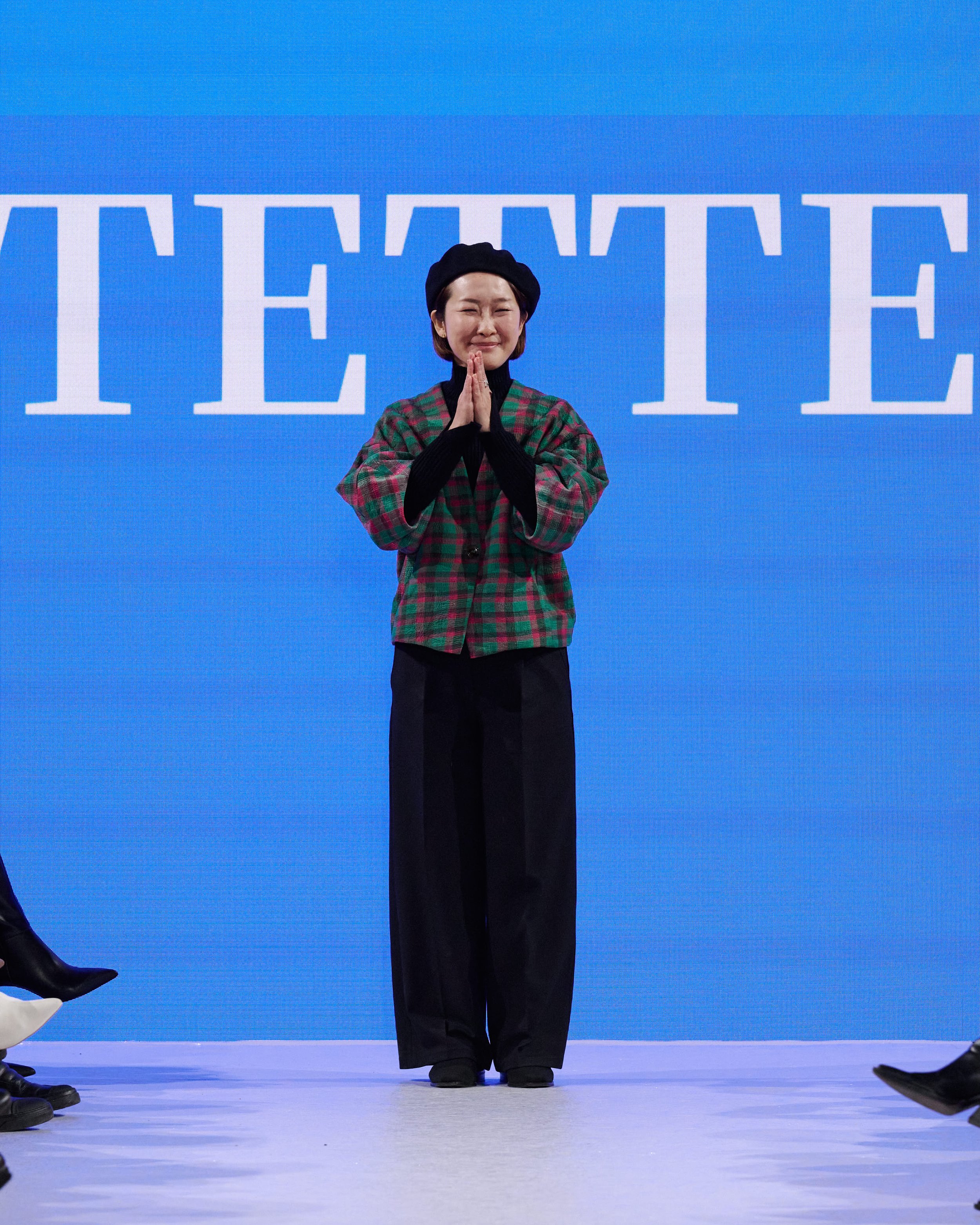
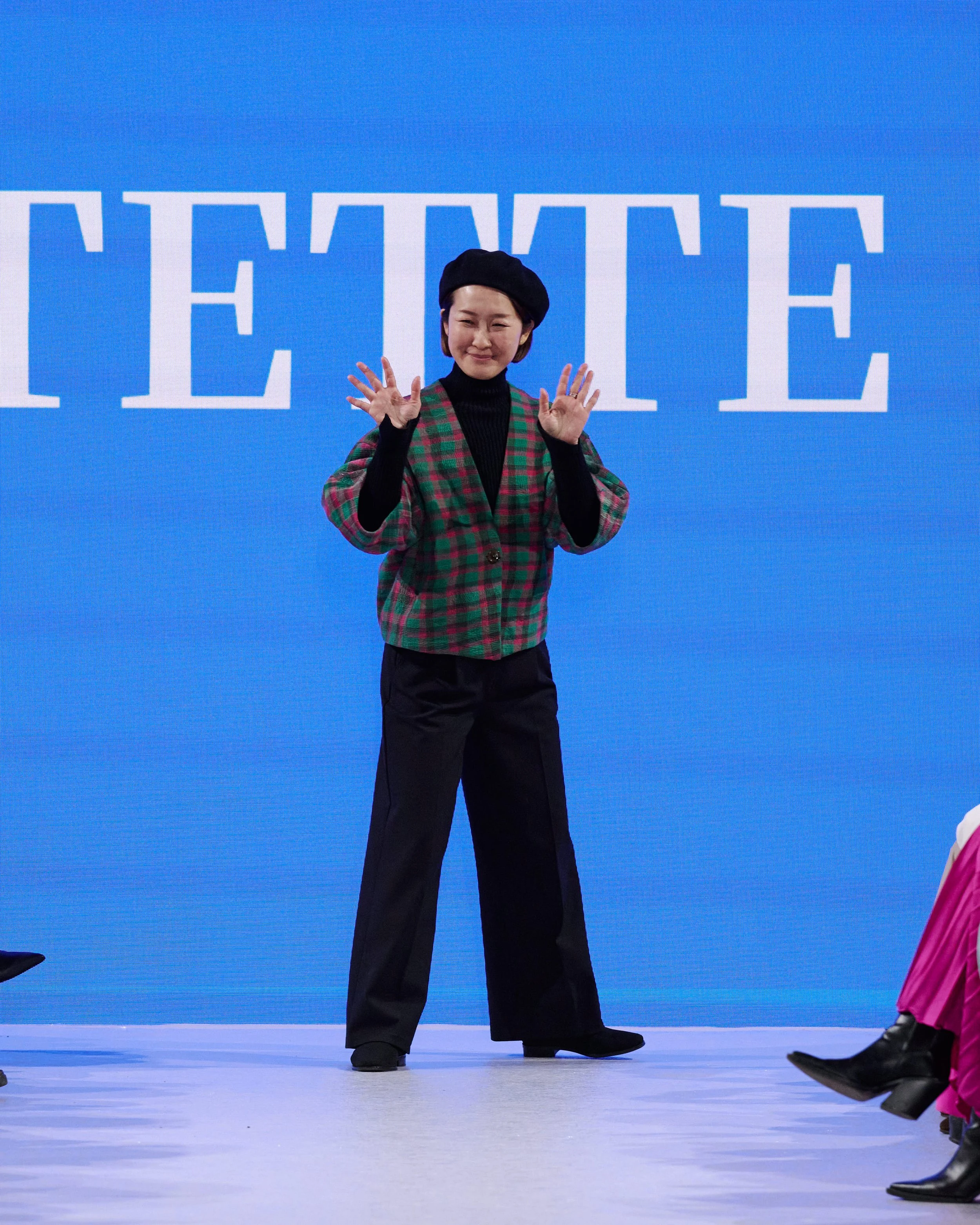
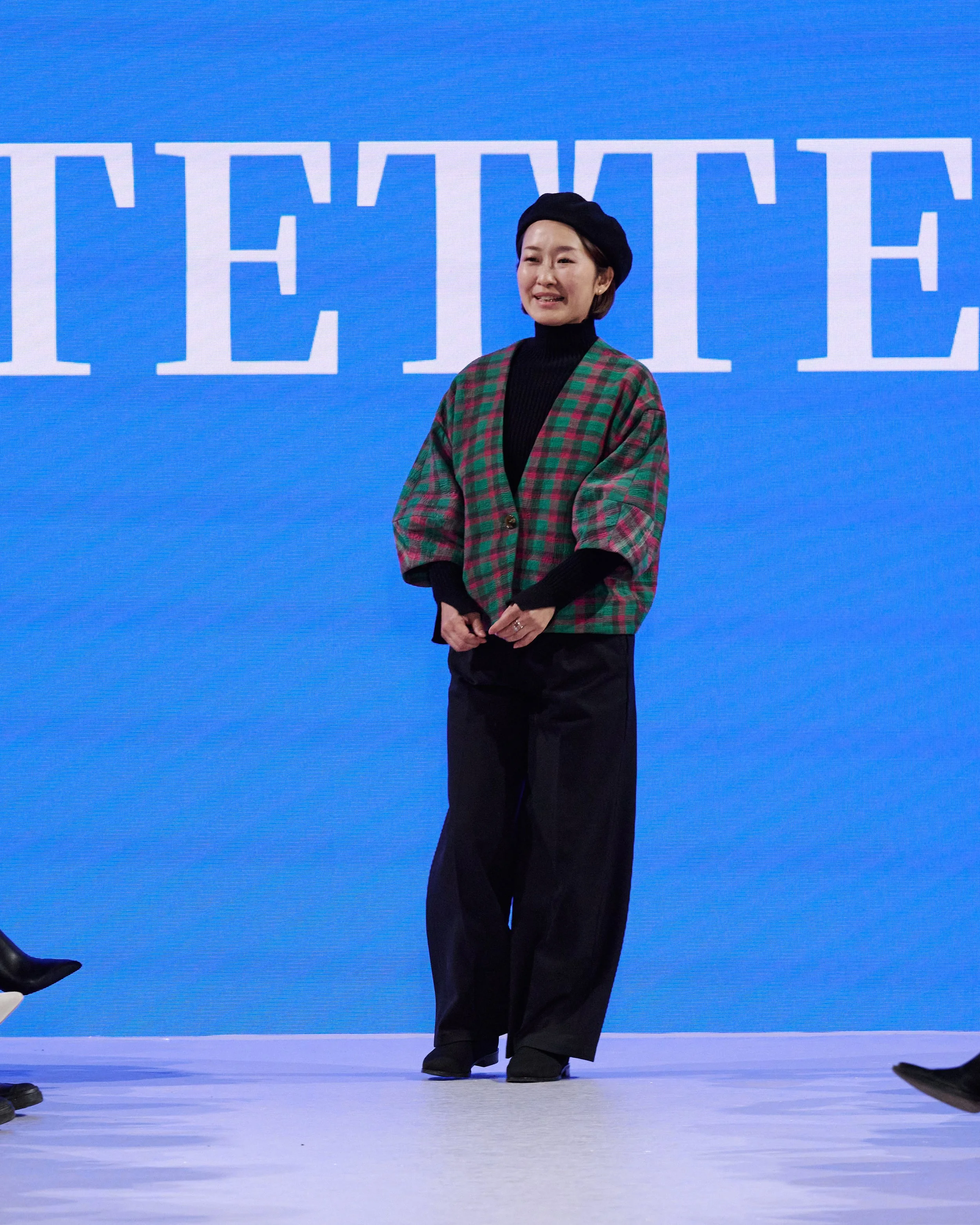
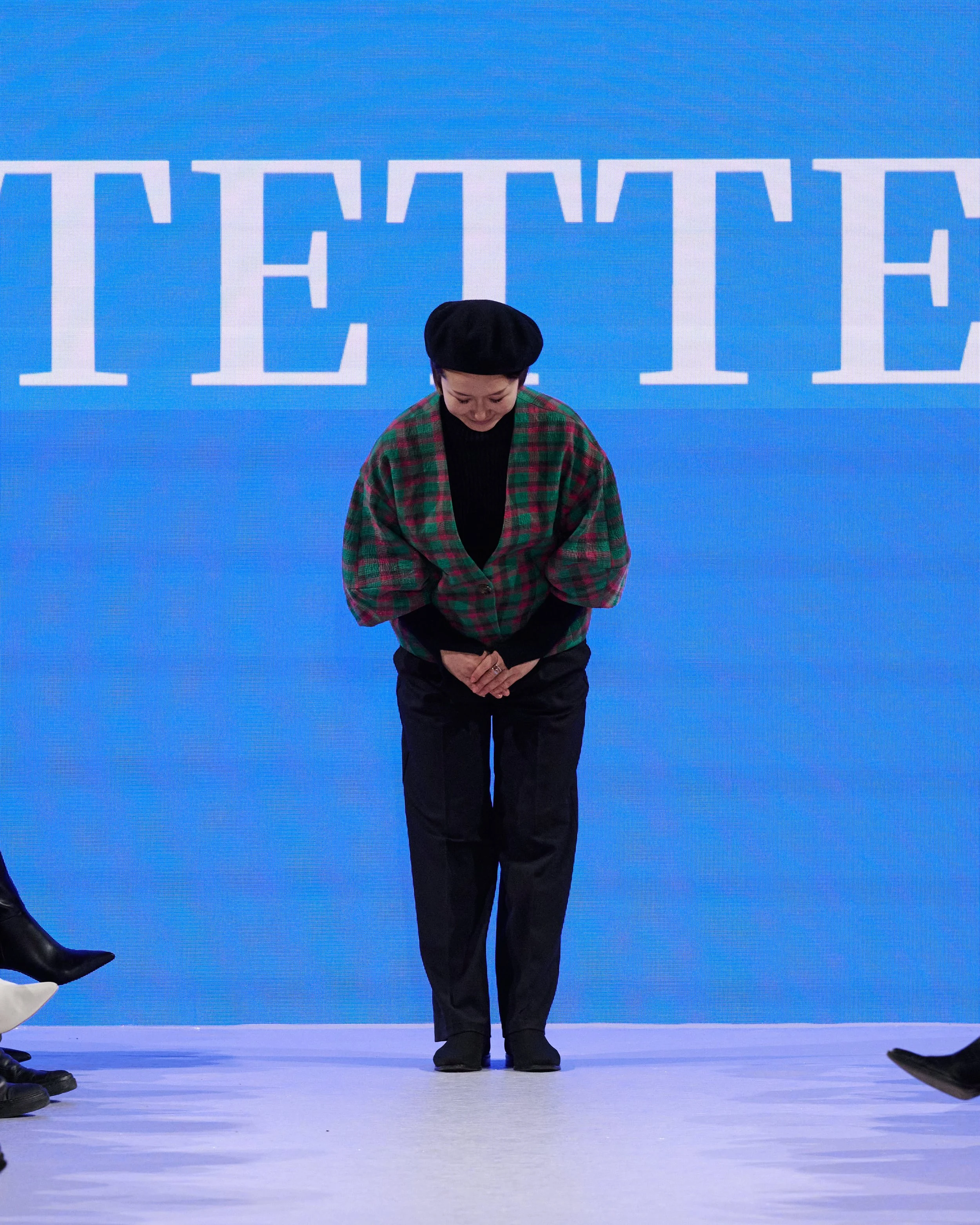
On February 27, 2026, Global Fashion Collective (GFC) concluded its official Fall/Winter 2026 showcase in Milan, presenting two designers—TETTE (Japan), Jumper Zhang (China)—whose collections explored regeneration and symbolism through markedly different but equally intentional lenses.
In a week often dominated by legacy houses and heritage empires, GFC’s presence served as a reminder that global fashion’s future is increasingly defined by cross-cultural exchange and the elevation of independent voices. The platform, a sister company to Vancouver Fashion Week, continues to carve out space across Tokyo, New York, London, Milan, and Paris—providing emerging and established designers with strategic access to international buyers, press, and industry stakeholders.
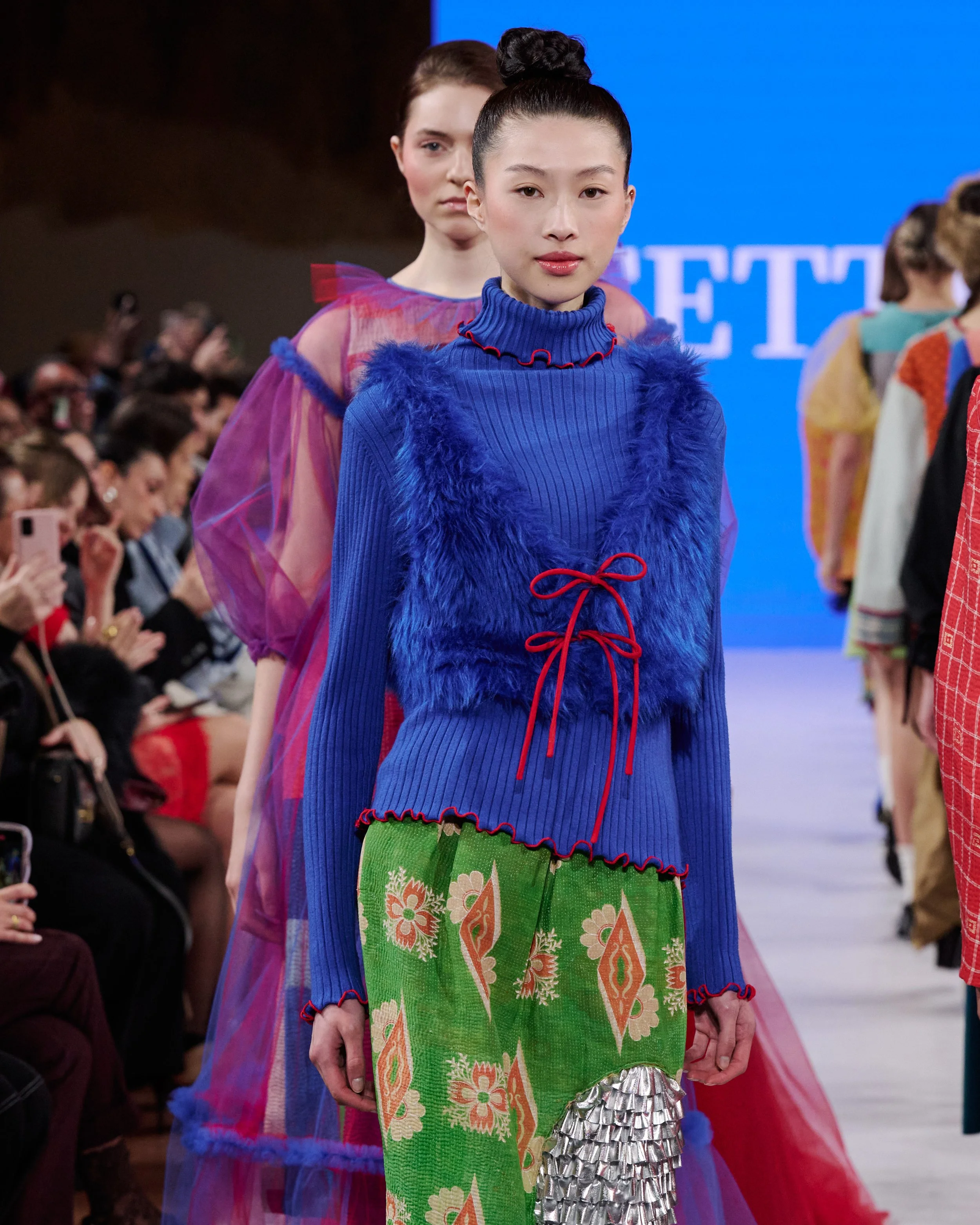
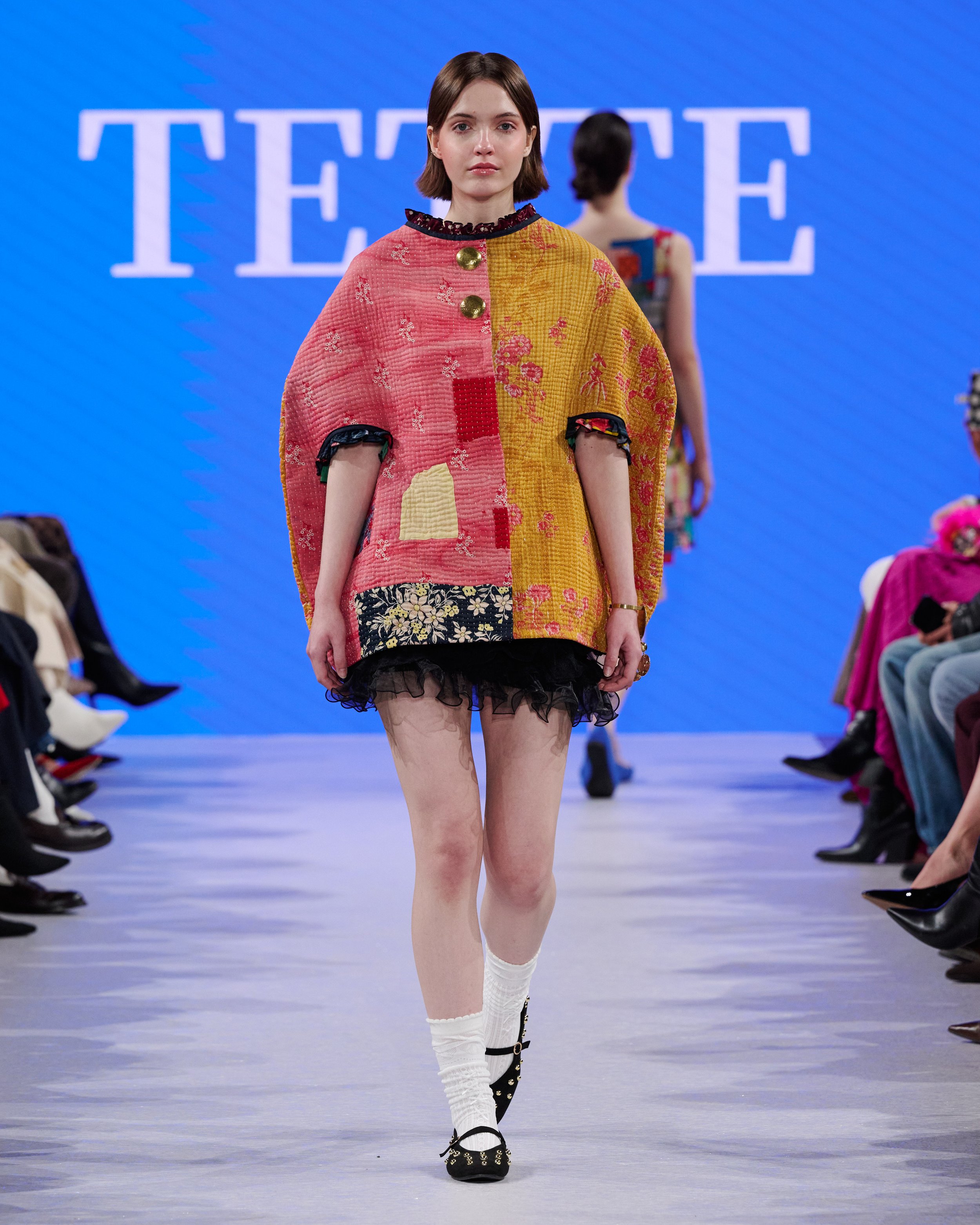
TETTE (Japan)
TETTE: Regeneration As Ritual
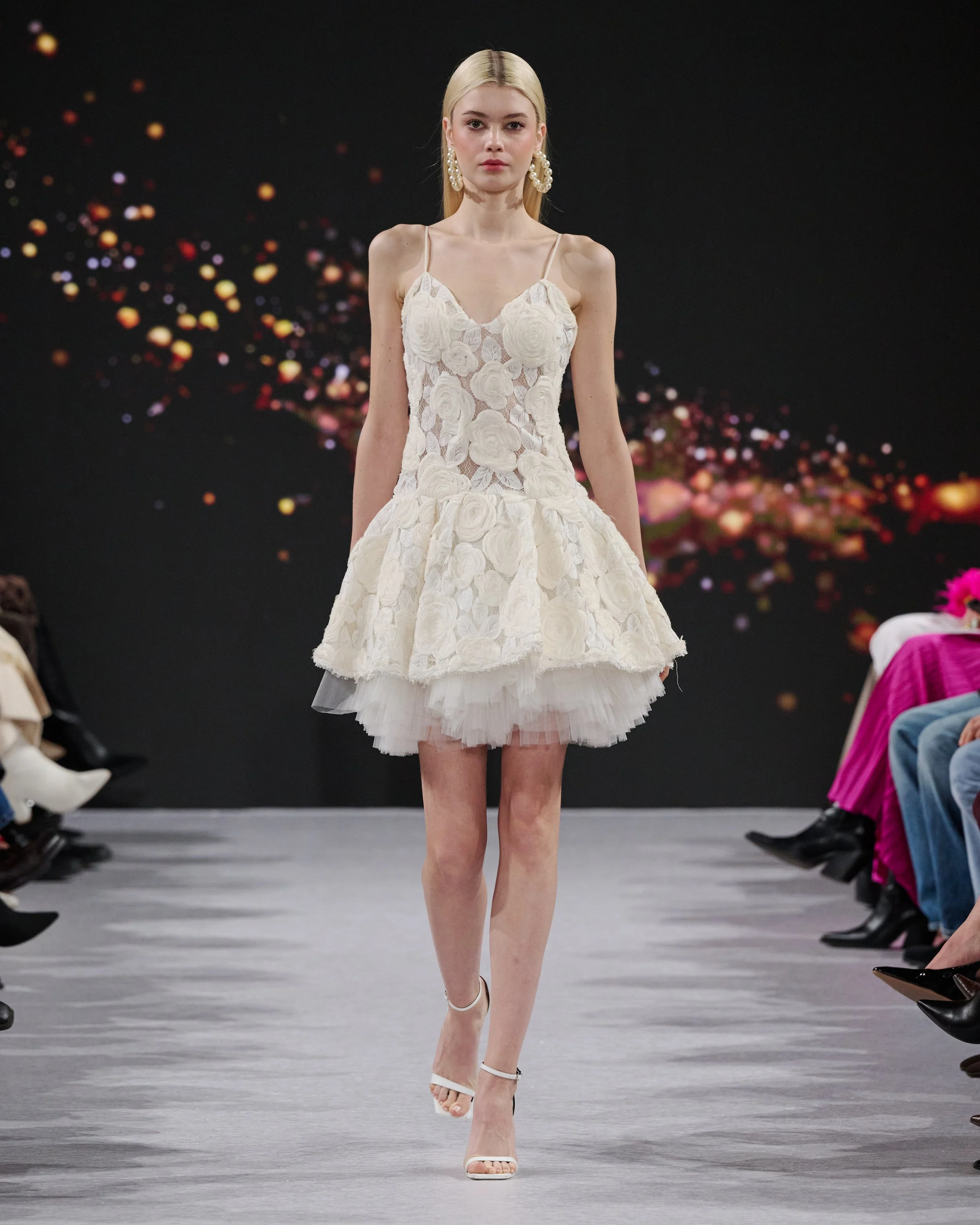
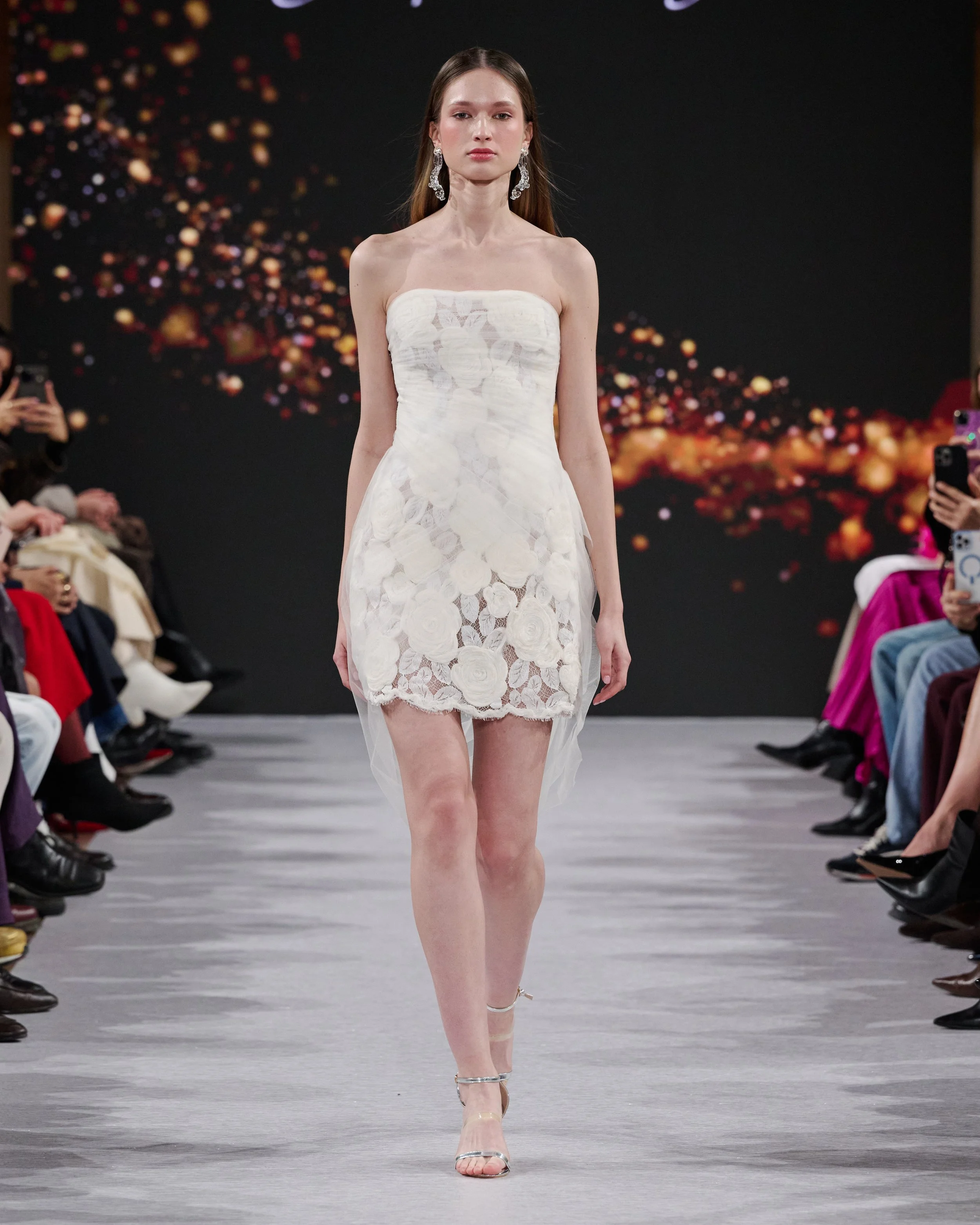
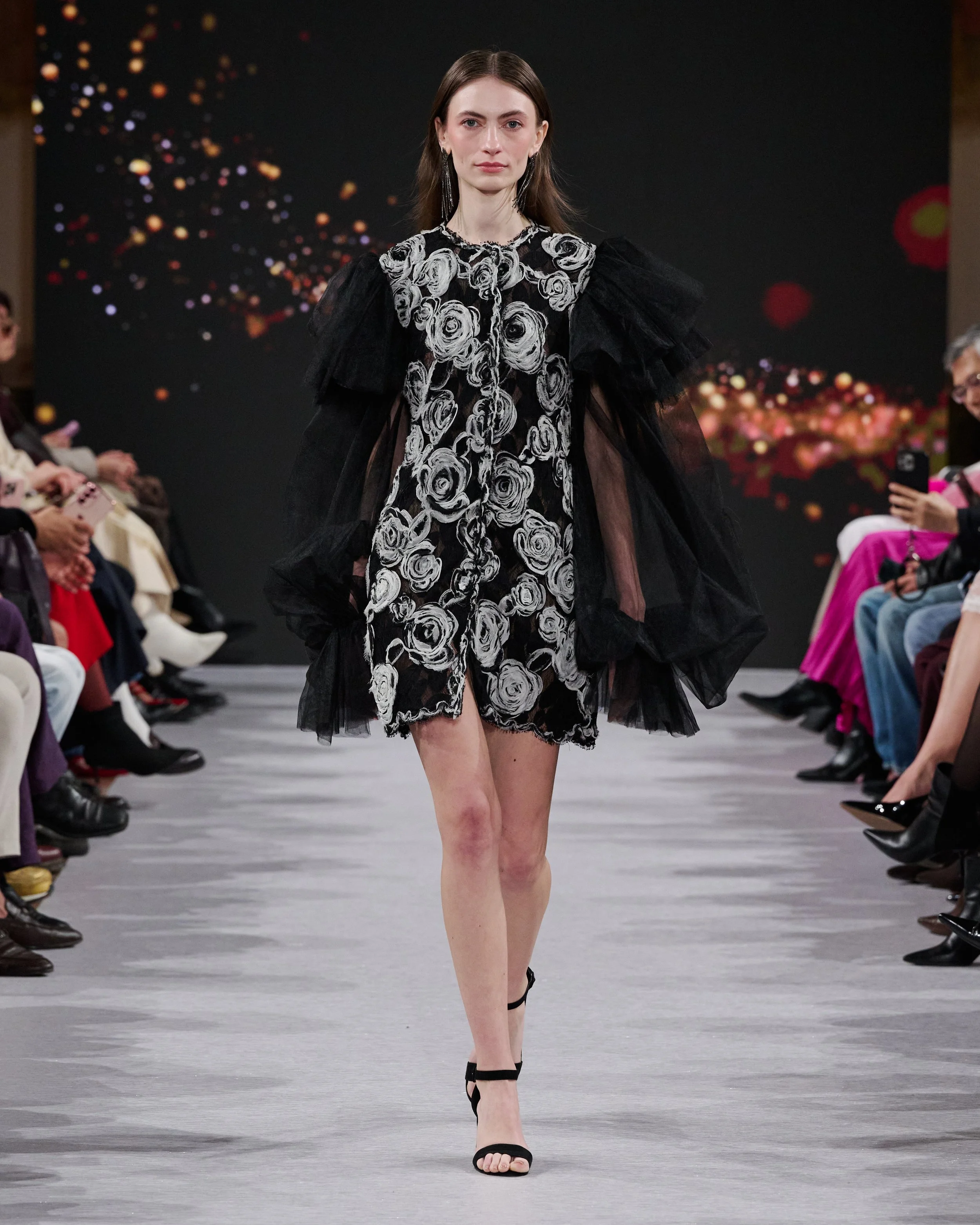
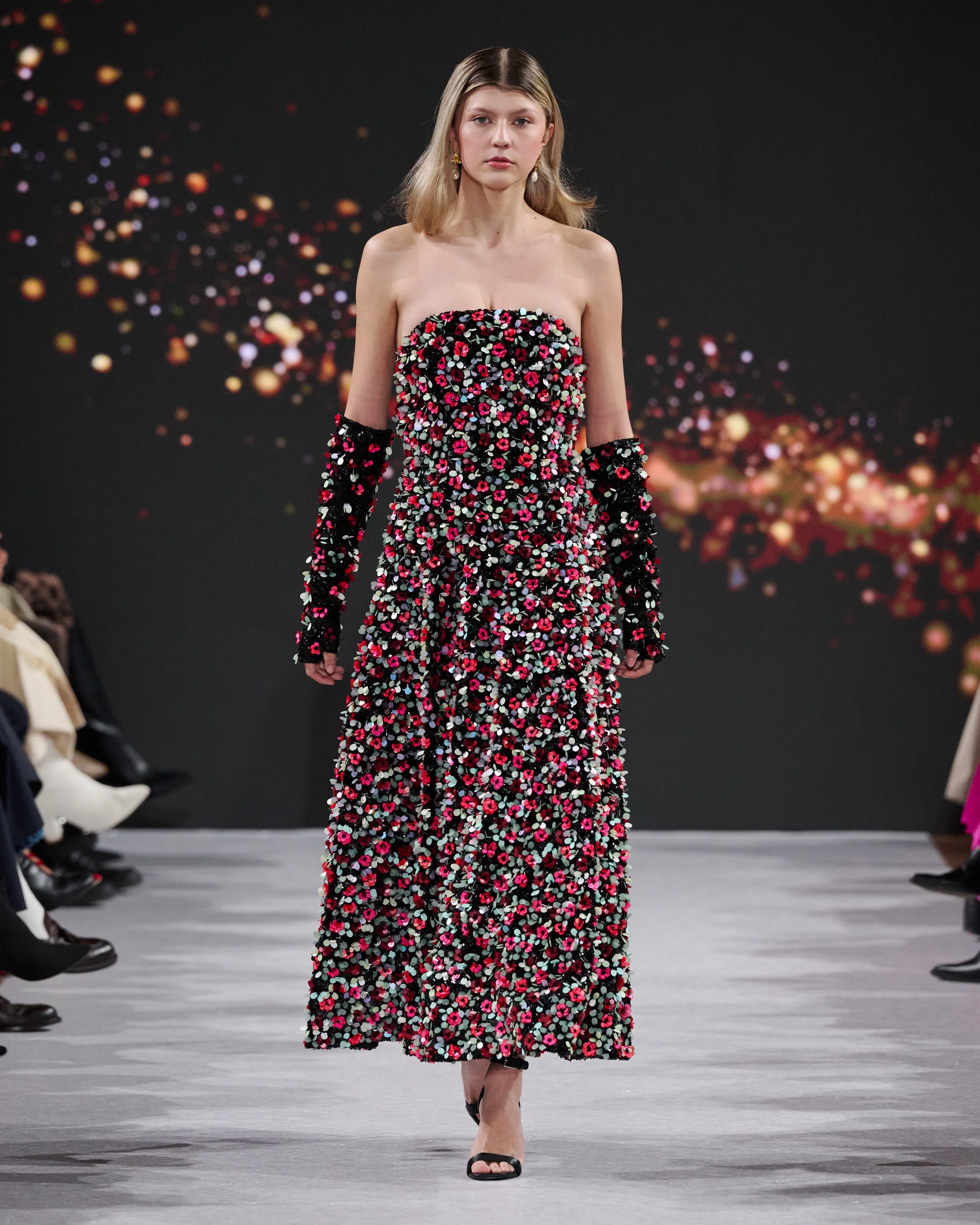
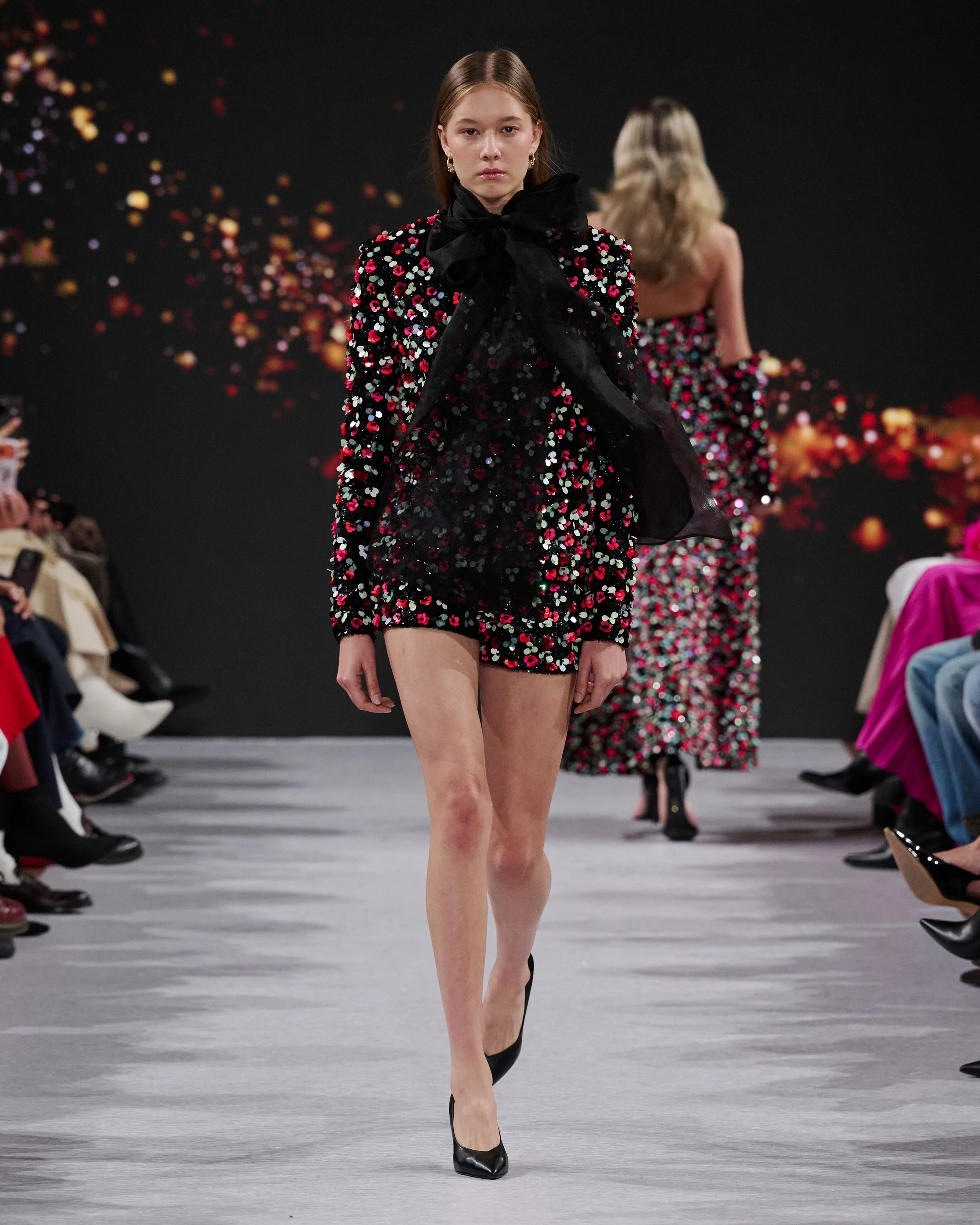
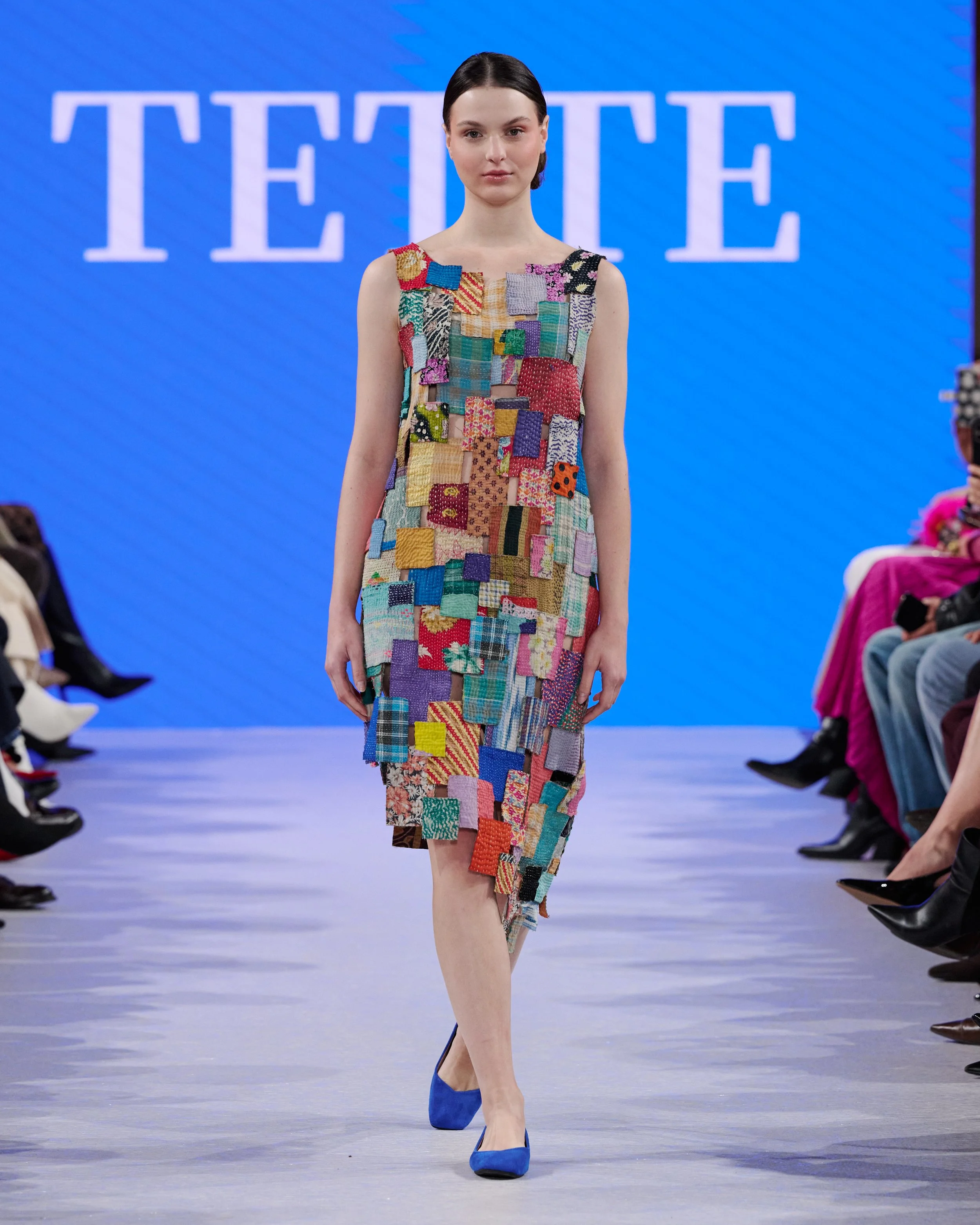
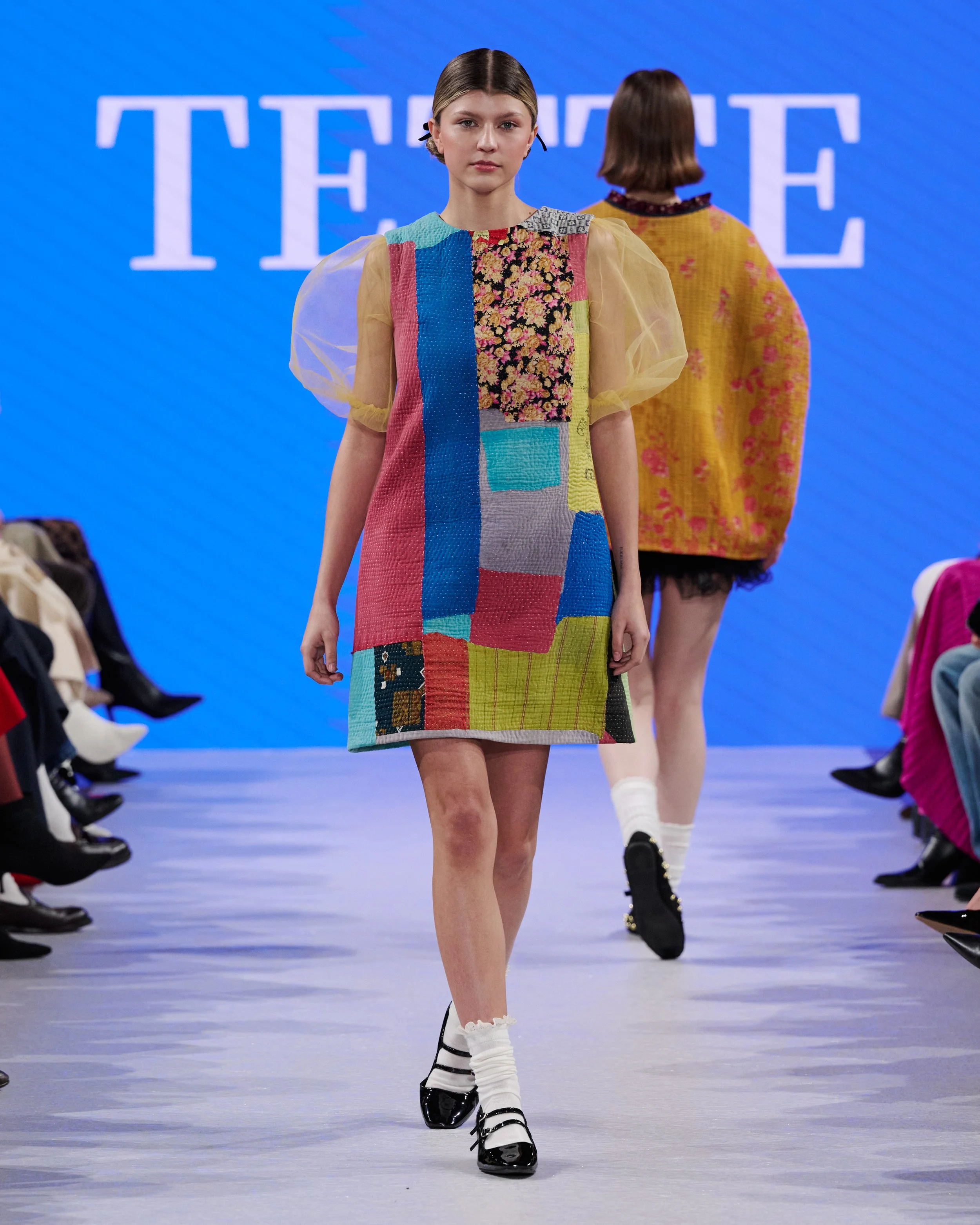
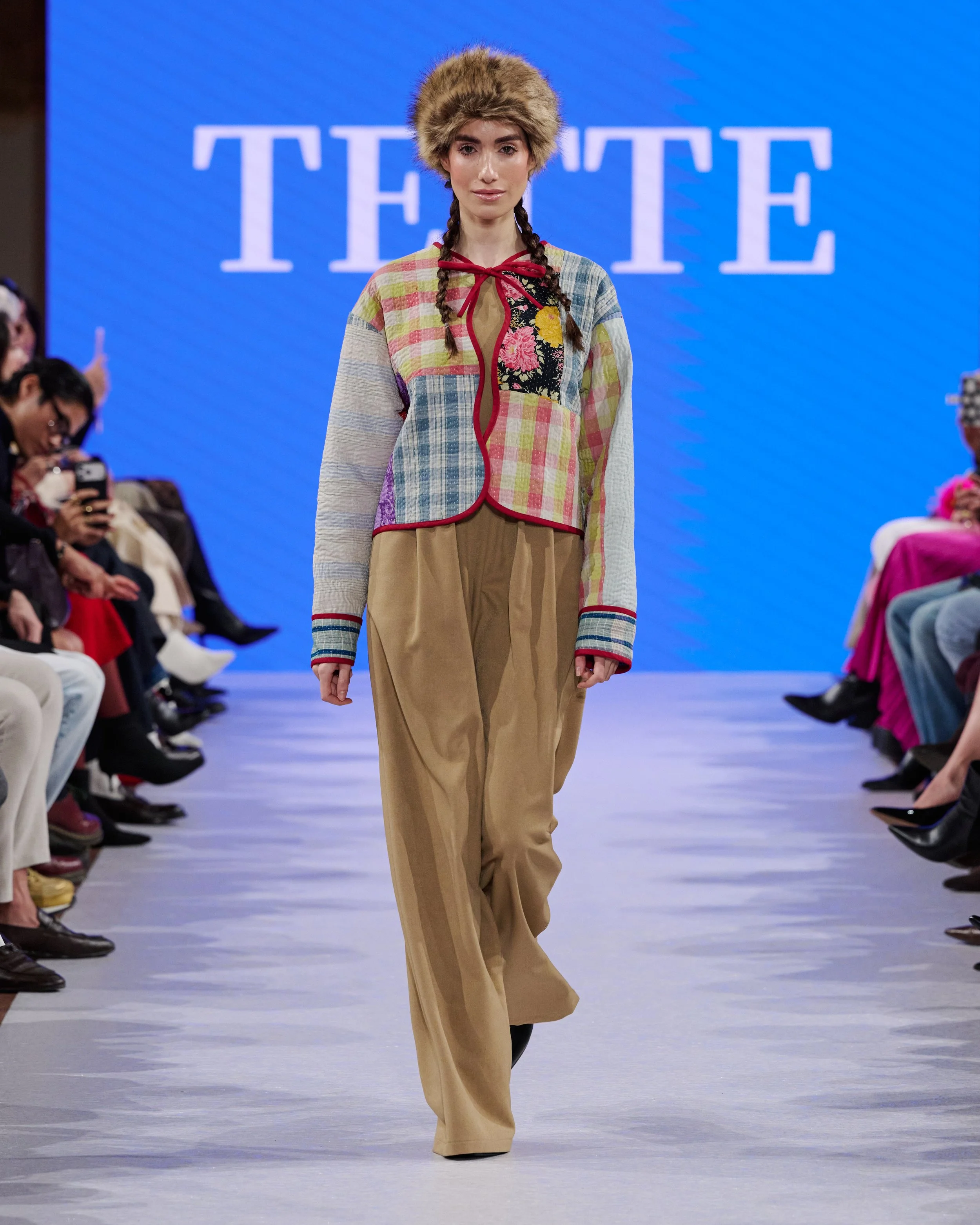
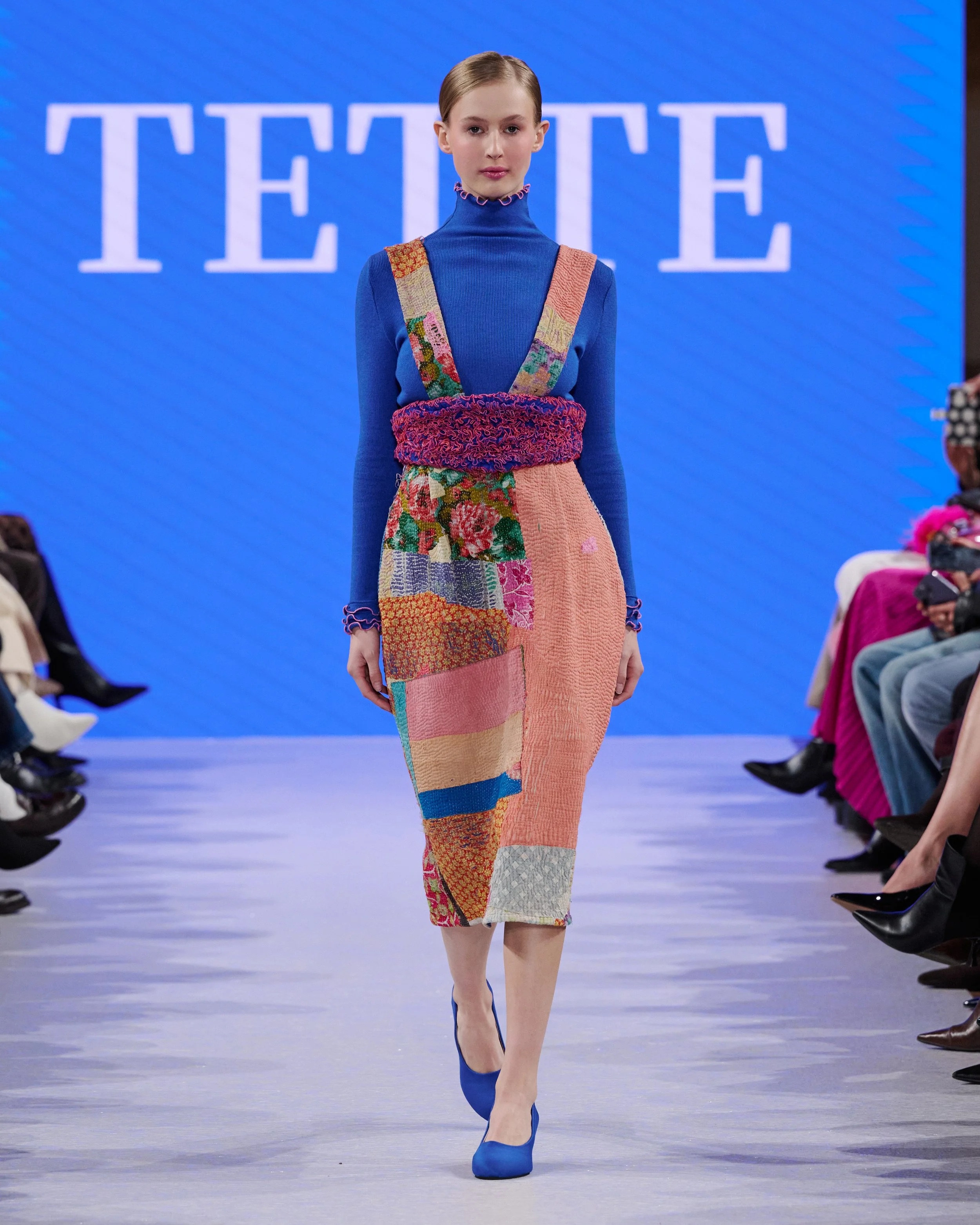
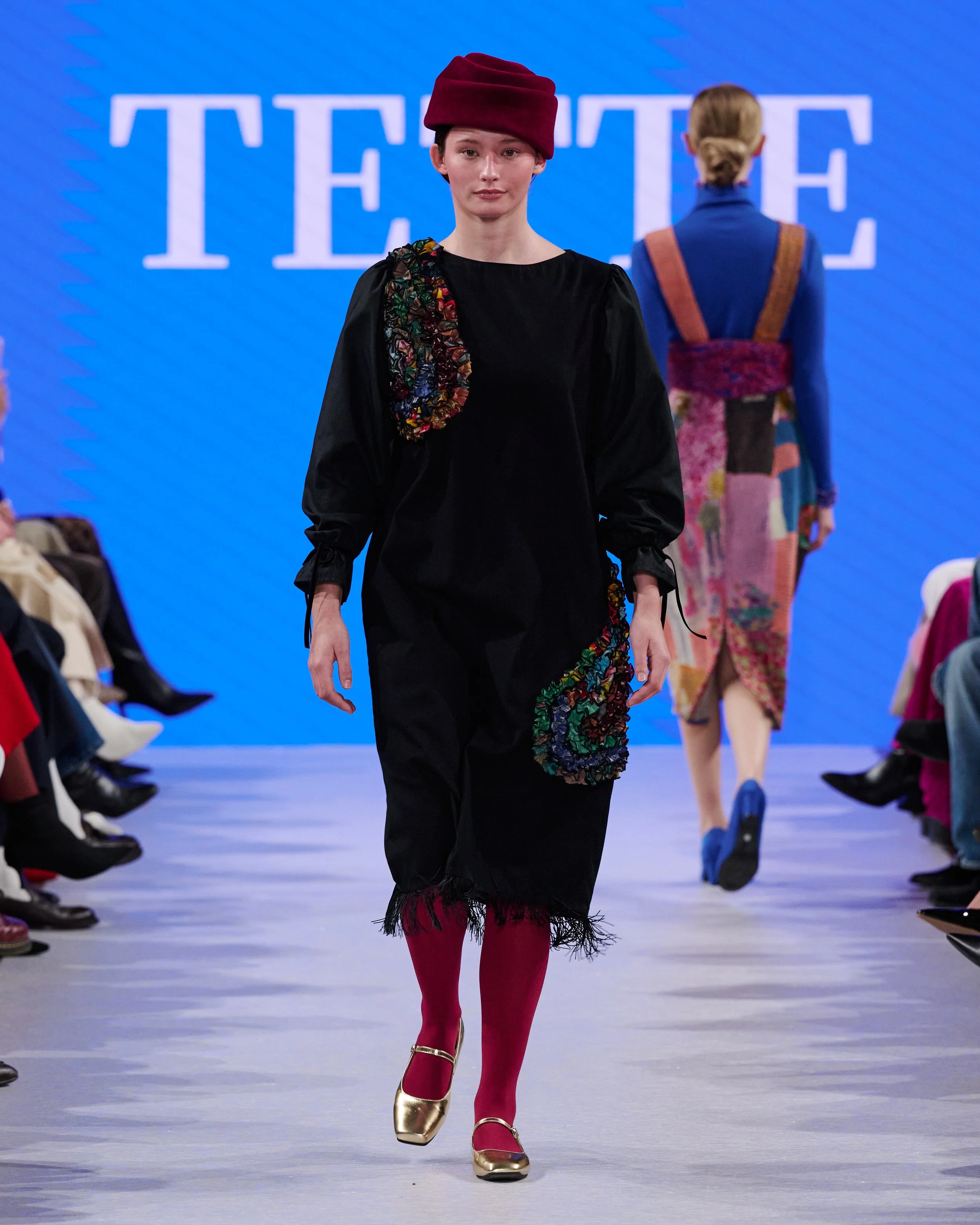
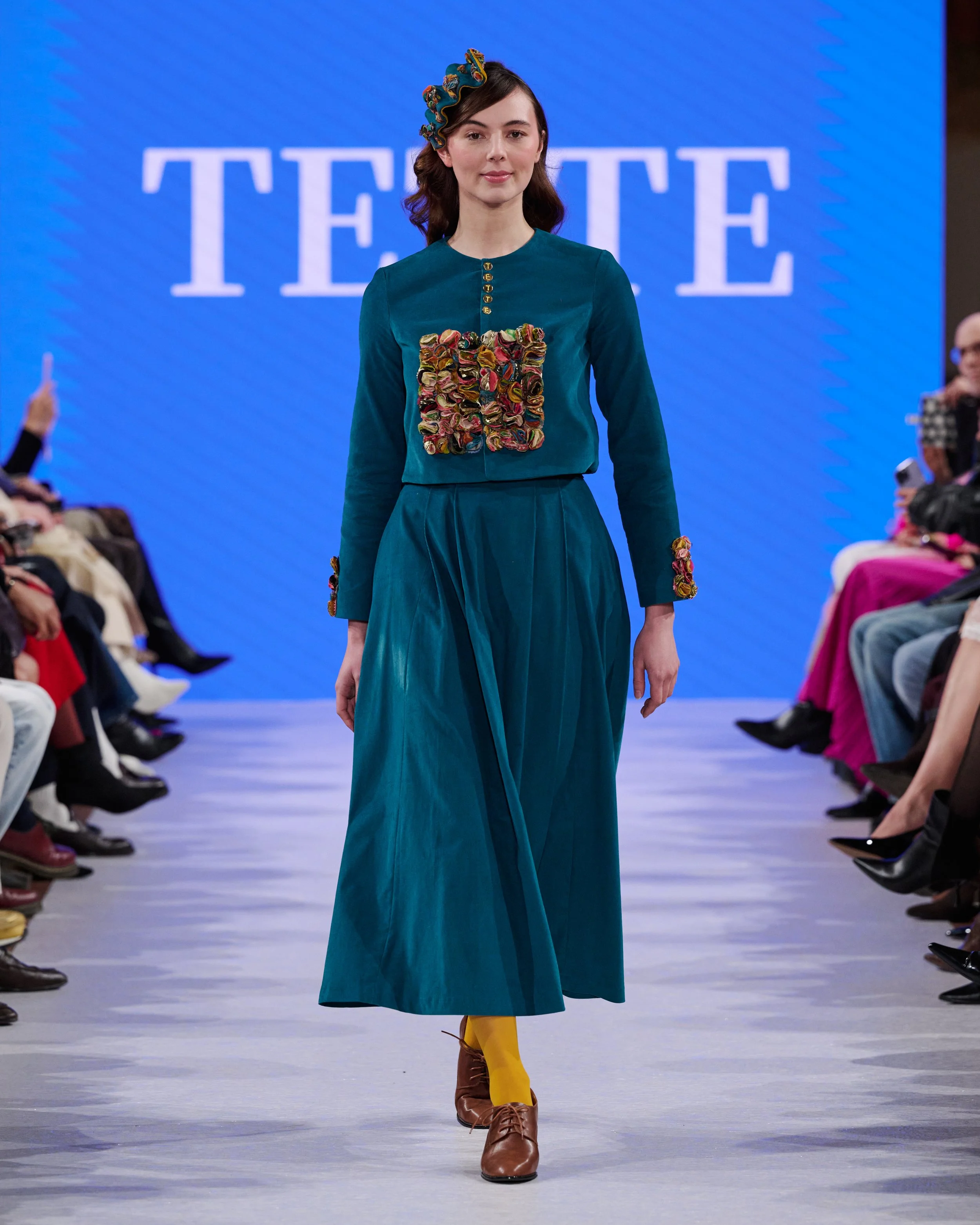
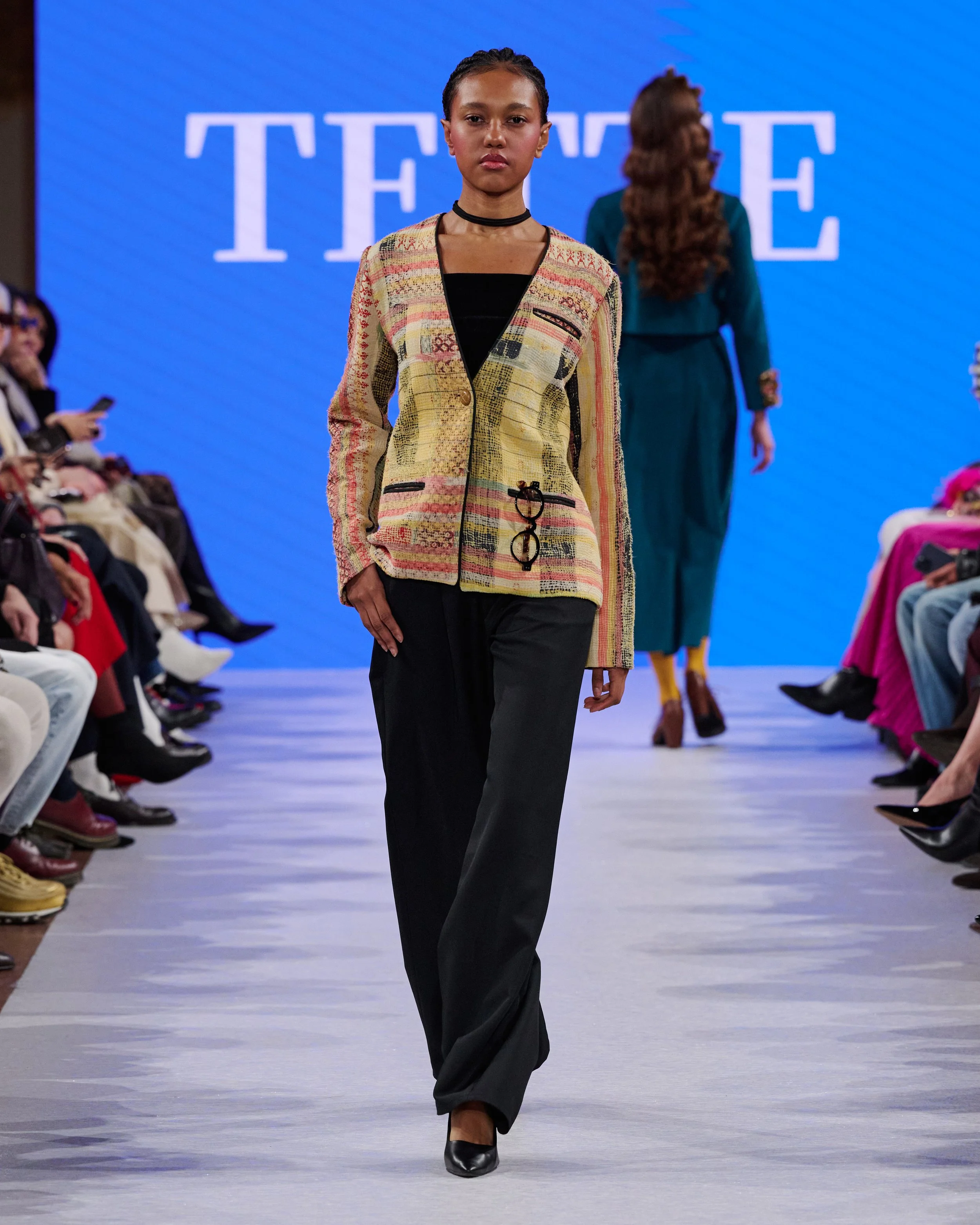
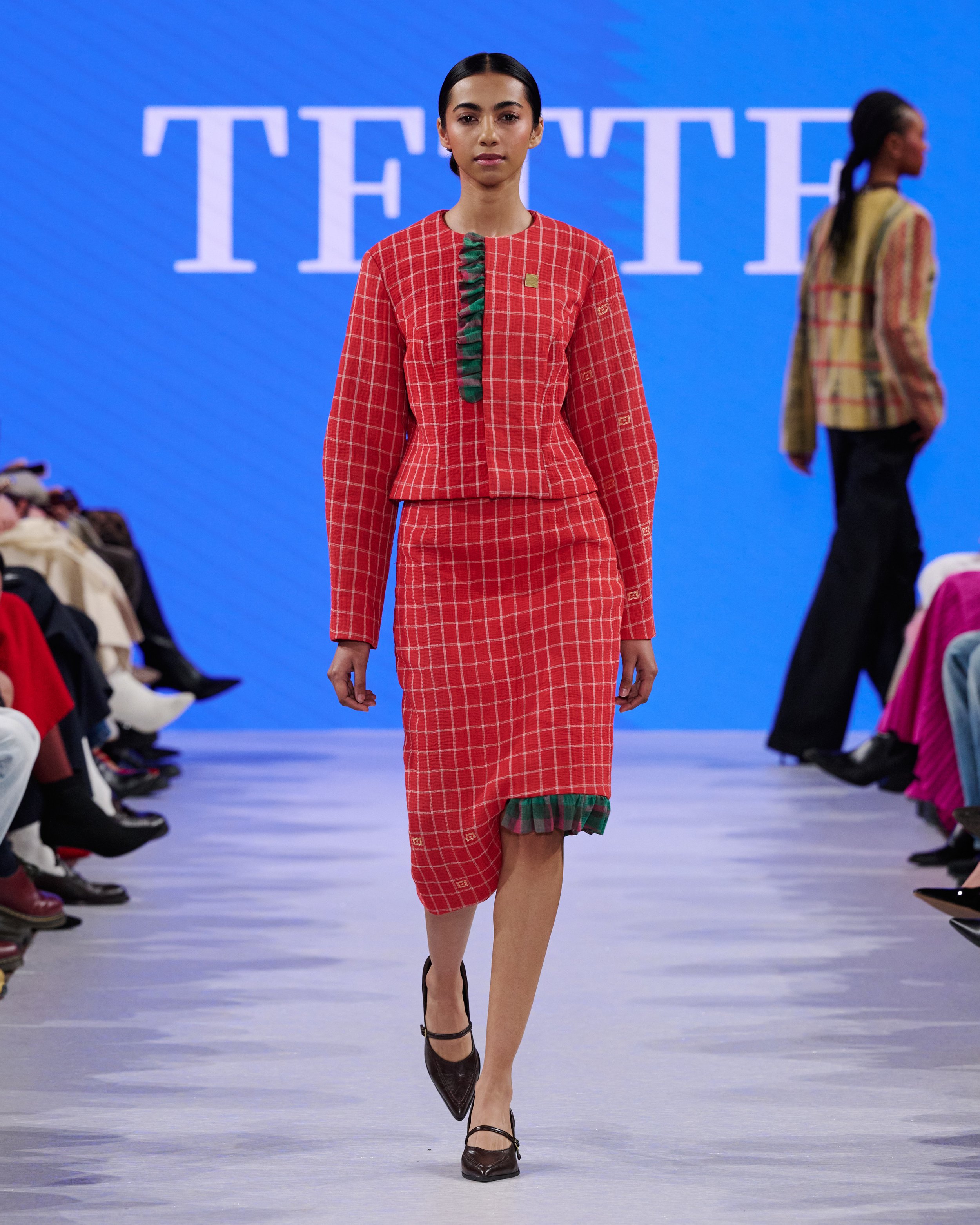
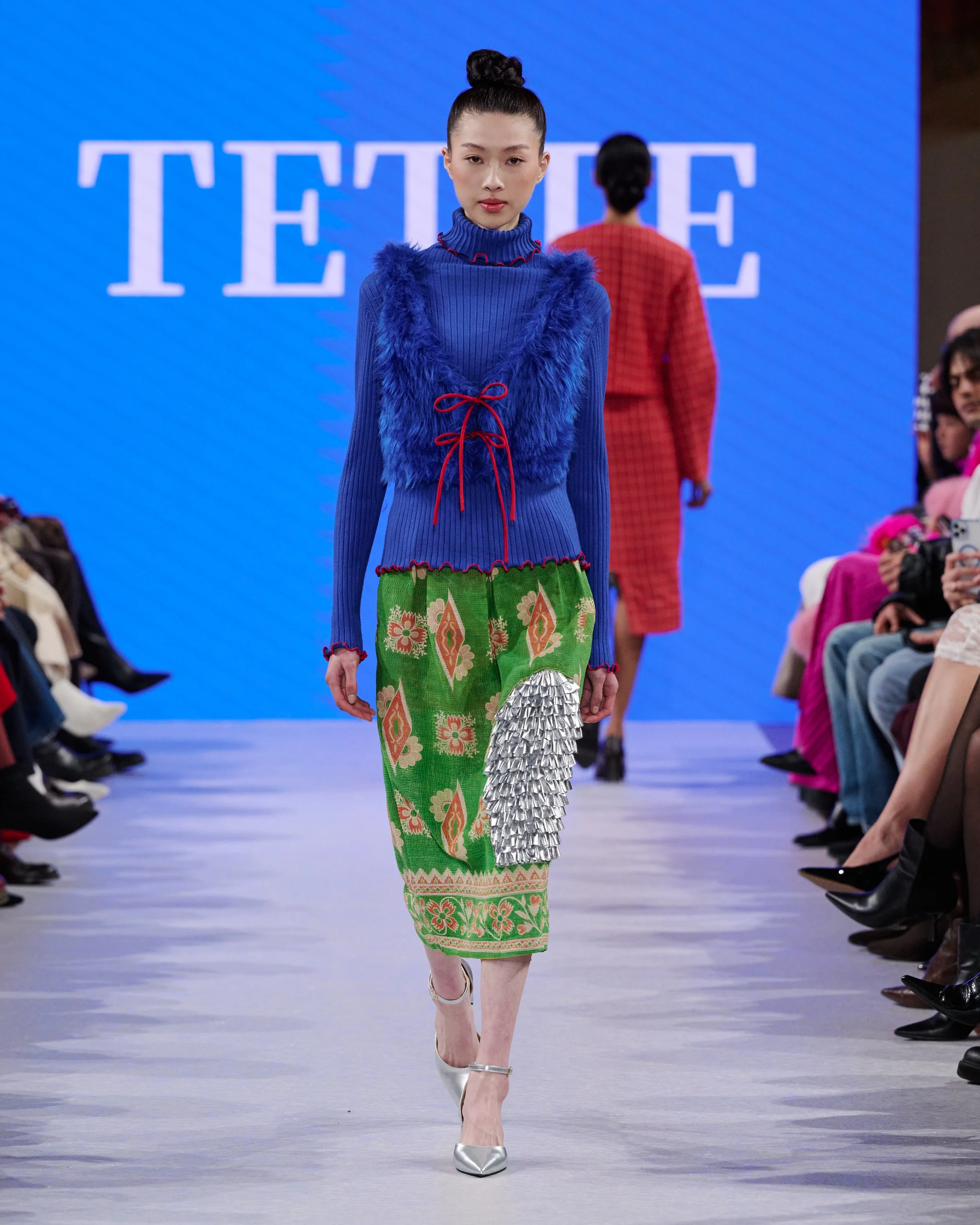
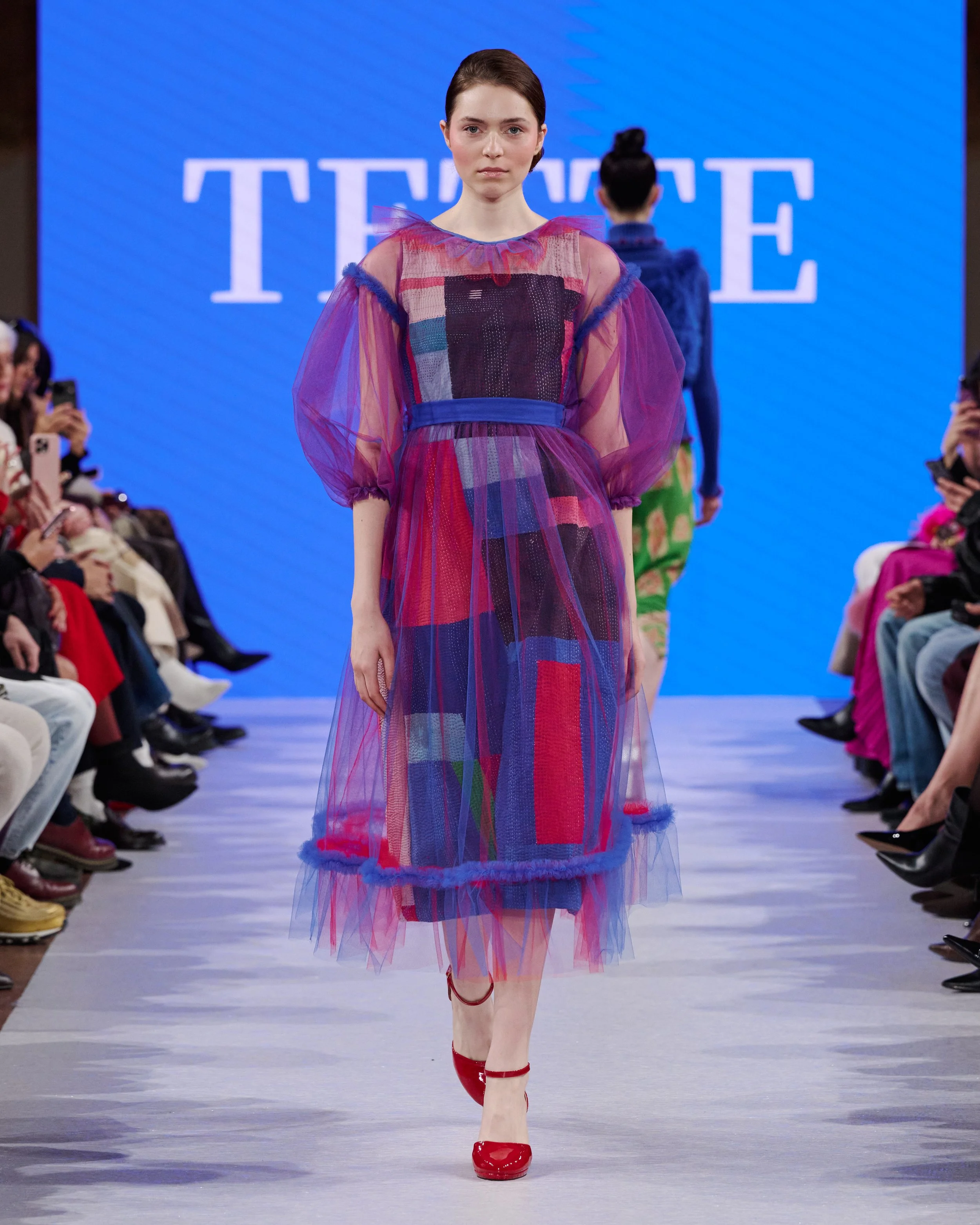
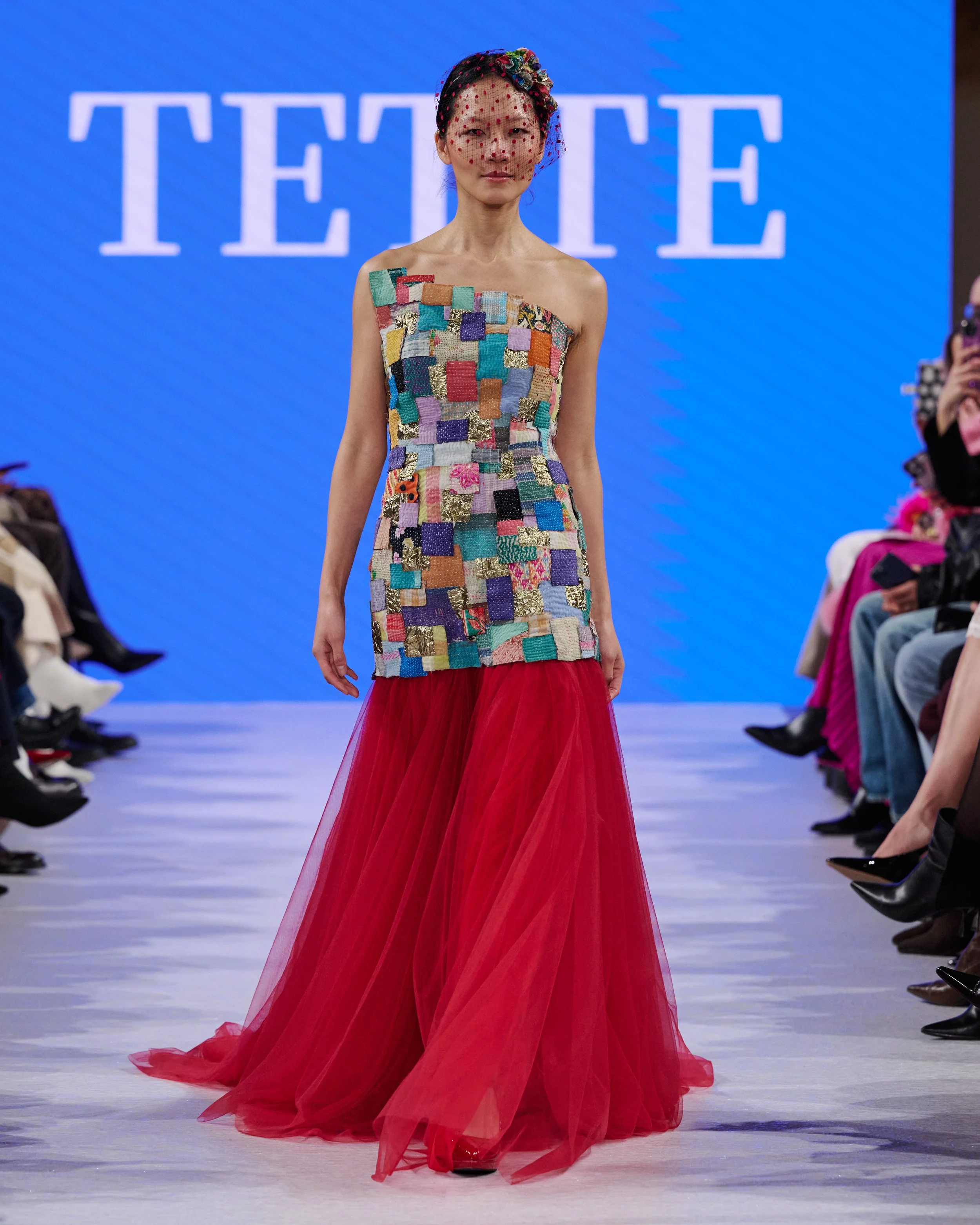
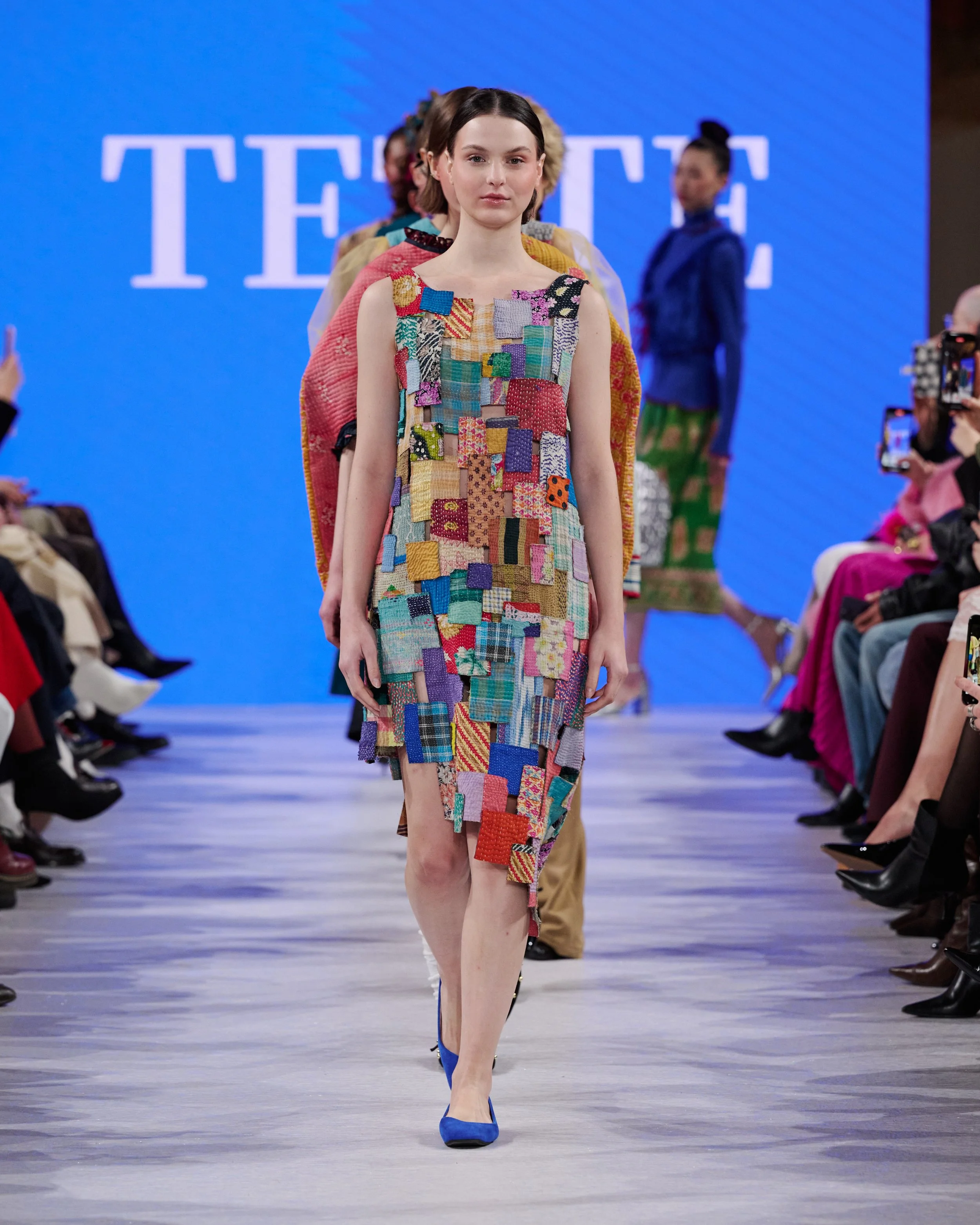
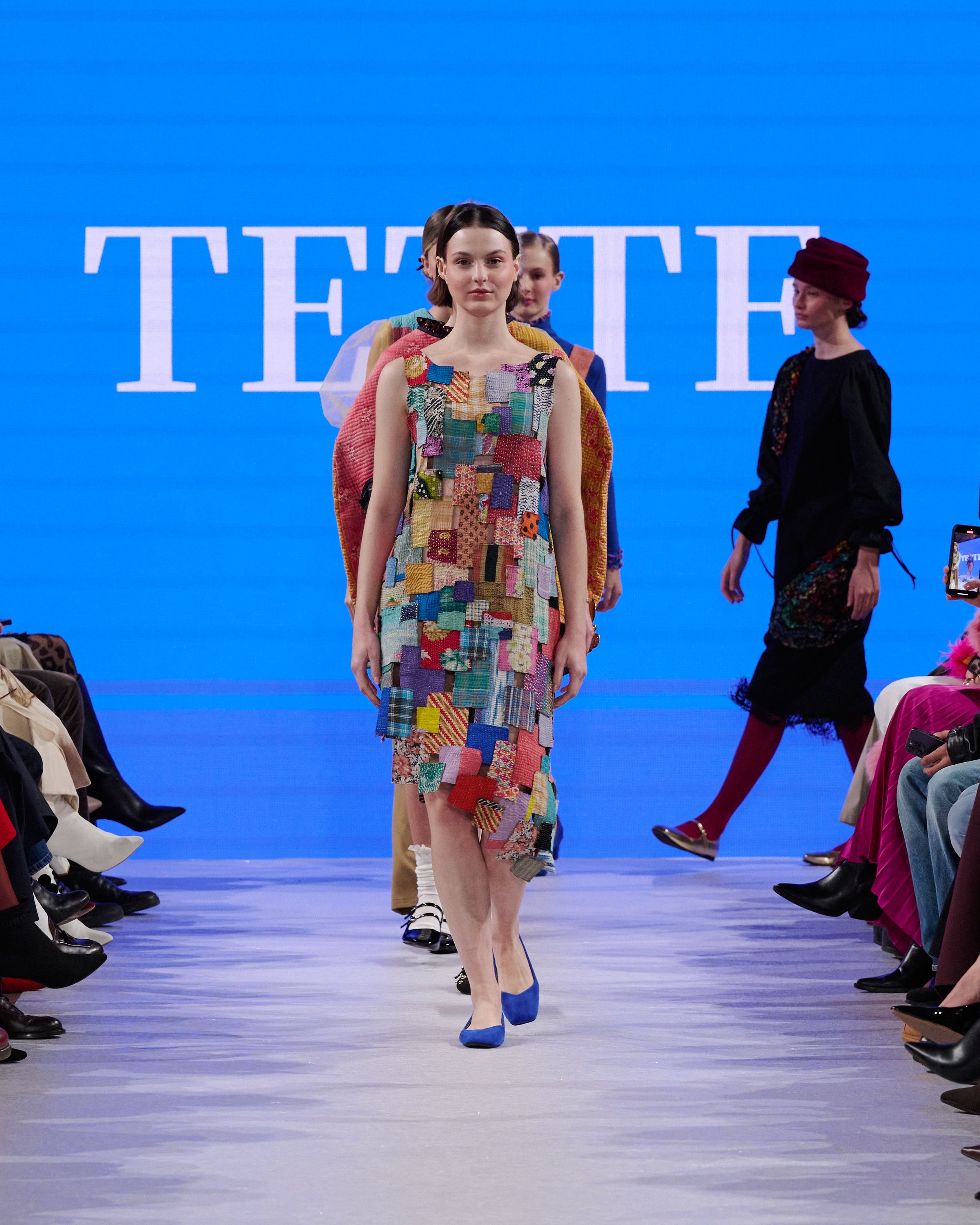
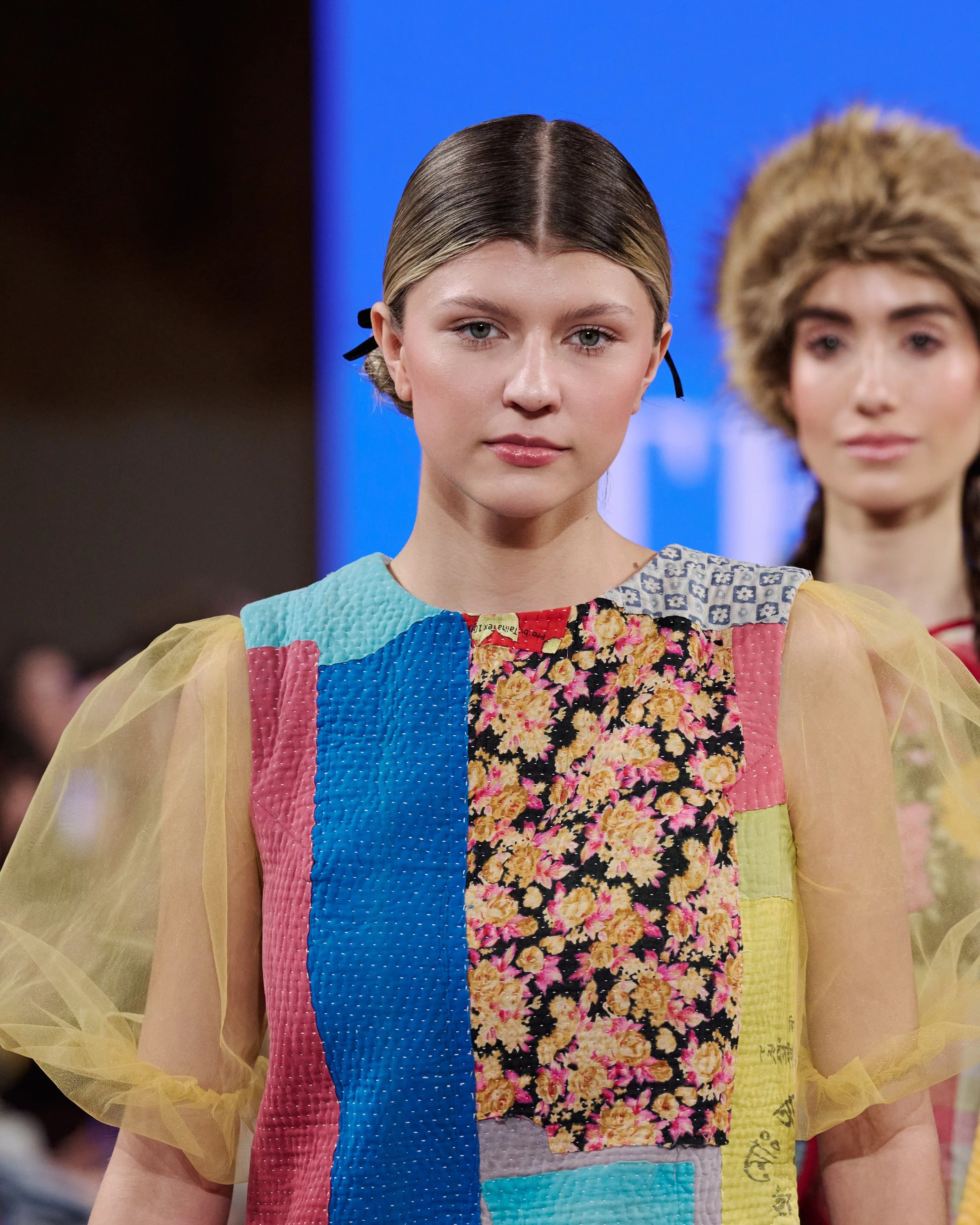
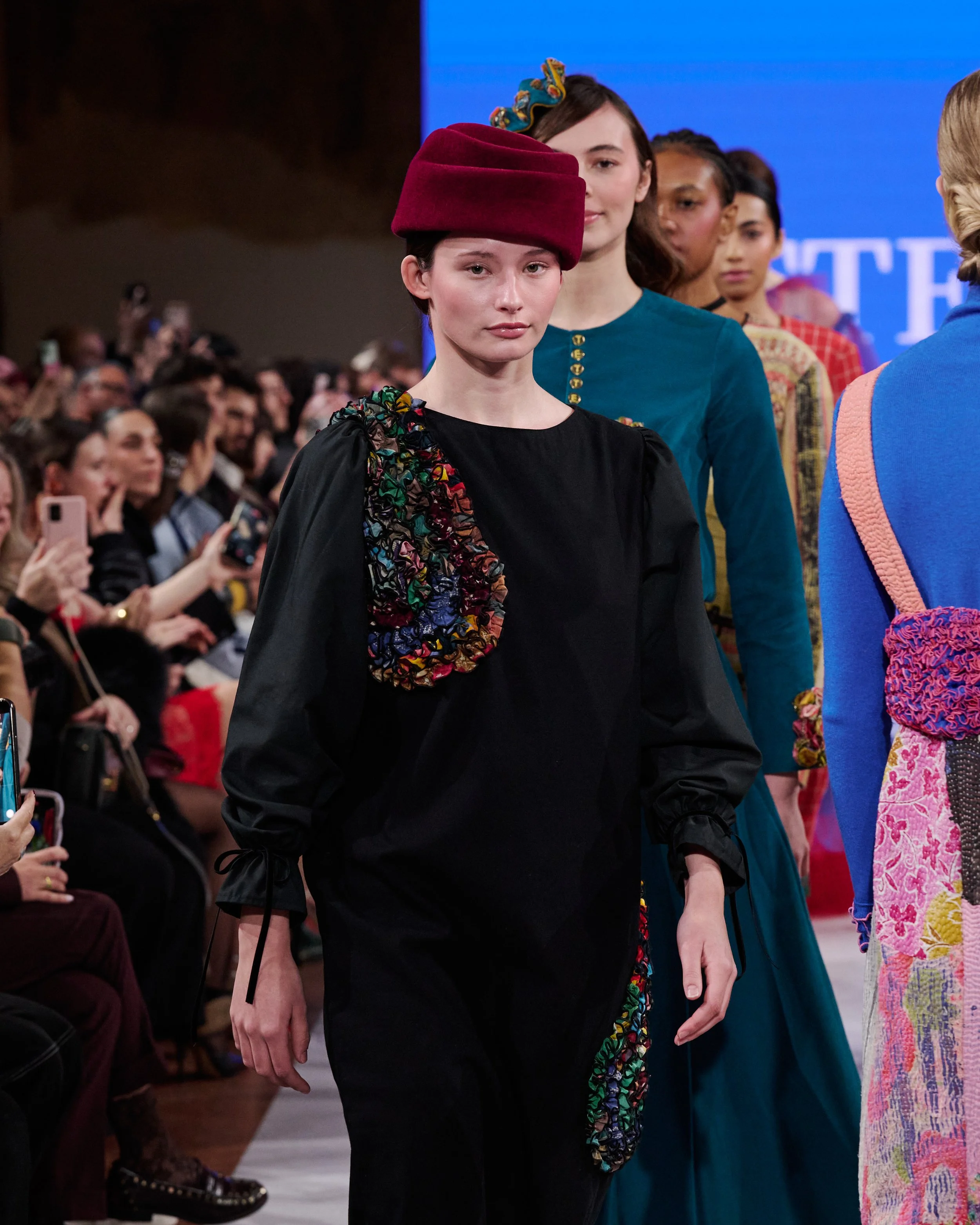
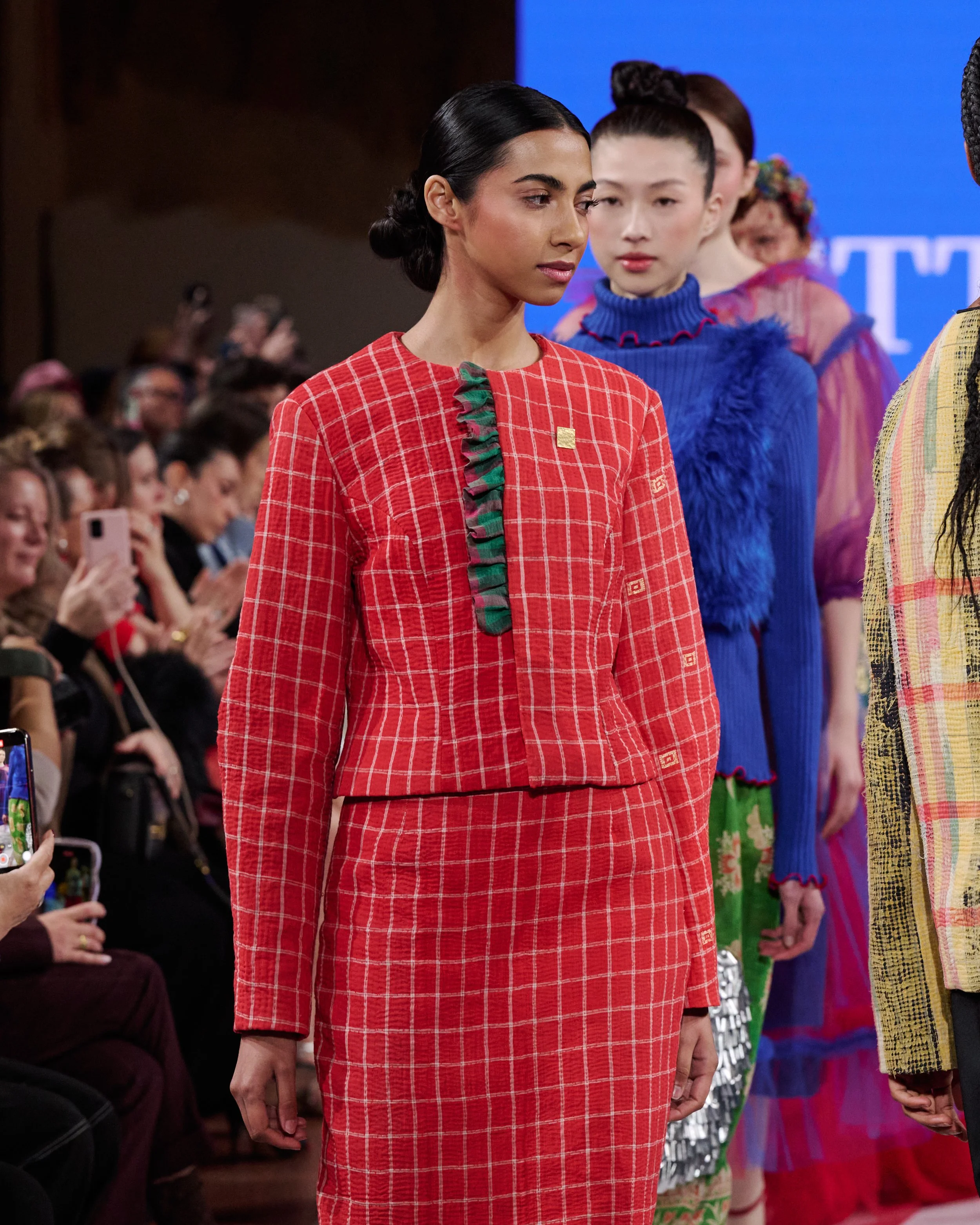
TETTE’s Fall/Winter 2026 collection, ReBloom, unfolded as a meditation on memory and materiality. Rather than chase novelty, the Japanese label returned to the overlooked—reviving fragments of India’s Ralli quilts and timeworn textile remnants into sculptural dresses and jackets that felt both intimate and architectural.
The runway became a study in visible mending. Quilting extended deliberately to garment edges, seams remained honest, and irregularity was not corrected but celebrated. In an industry still grappling with performative sustainability, TETTE’s philosophy read as deeply personal rather than trend-driven. Unstitched quilts once deemed unusable were carefully reconnected and integrated with new fabrics, creating silhouettes that carried multiple timelines within a single form.
The result was not simply upcycling, but narrative construction. Each piece suggested that fabric holds memory—that threads absorb gesture, labor, and lived experience. By reconfiguring these fragments into cohesive garments, TETTE offered a quiet but pointed statement: regeneration is less about reinvention and more about reverence.
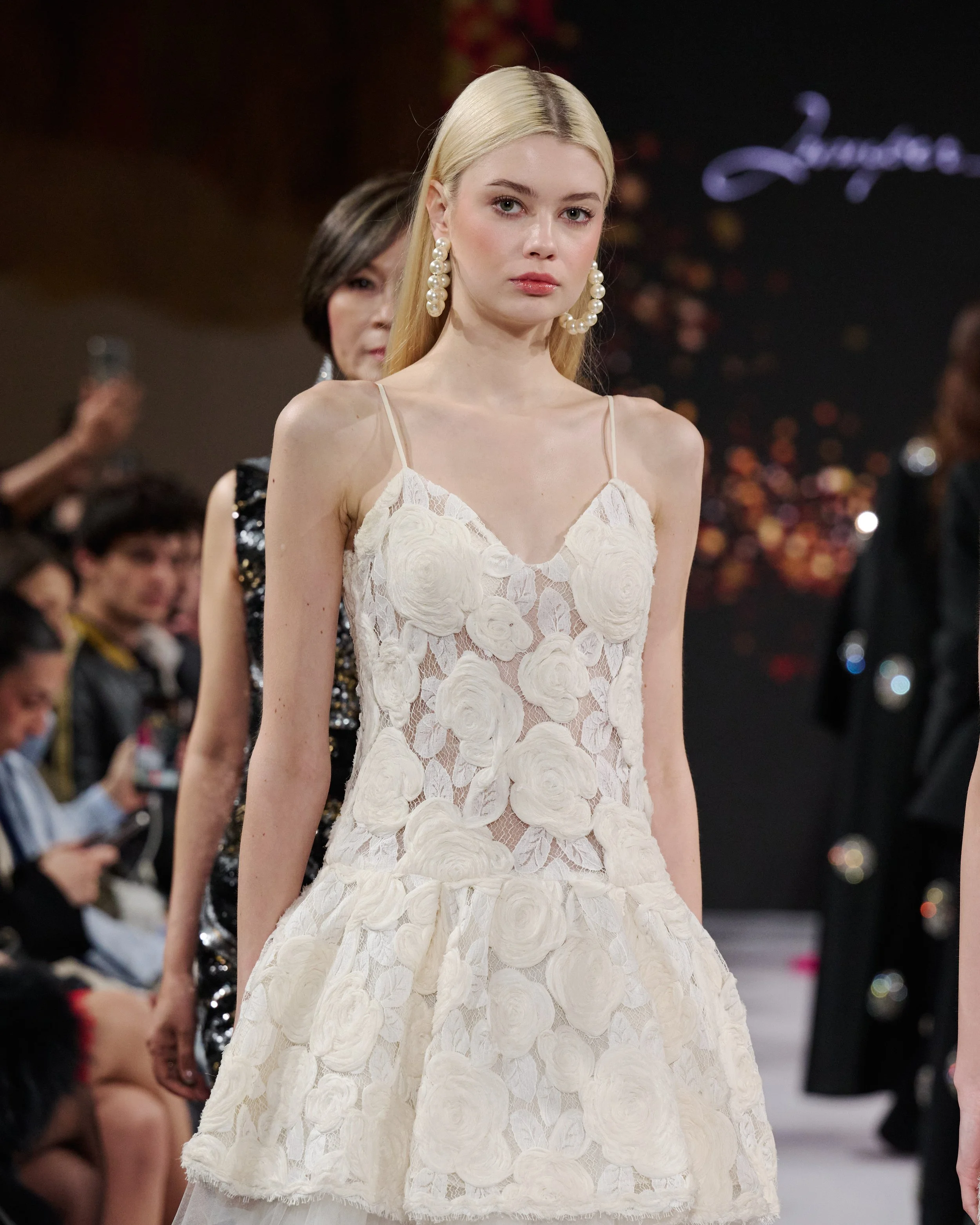
Jumper Zhang (China)
JUMPER ZHANG: The Power of the Circle
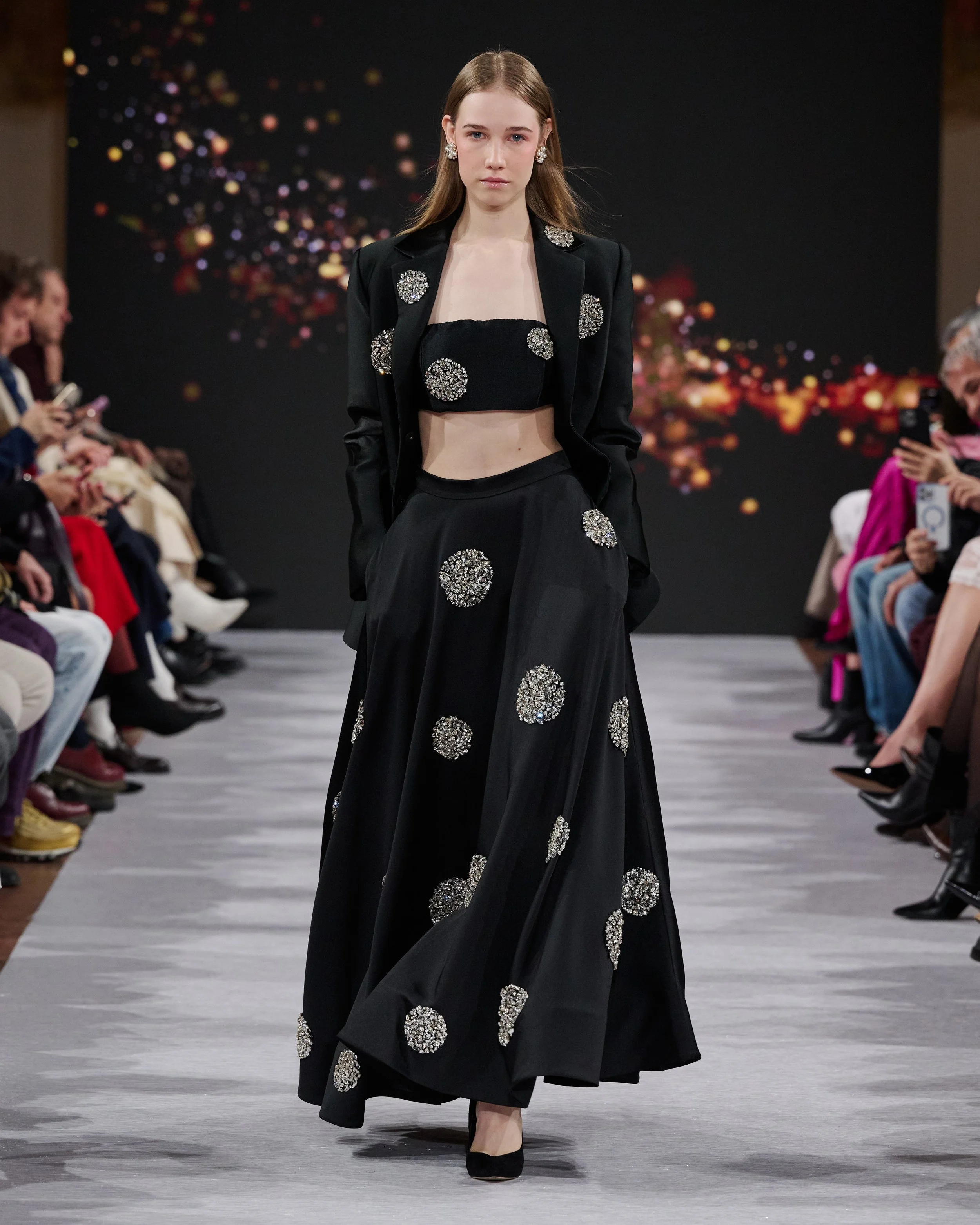
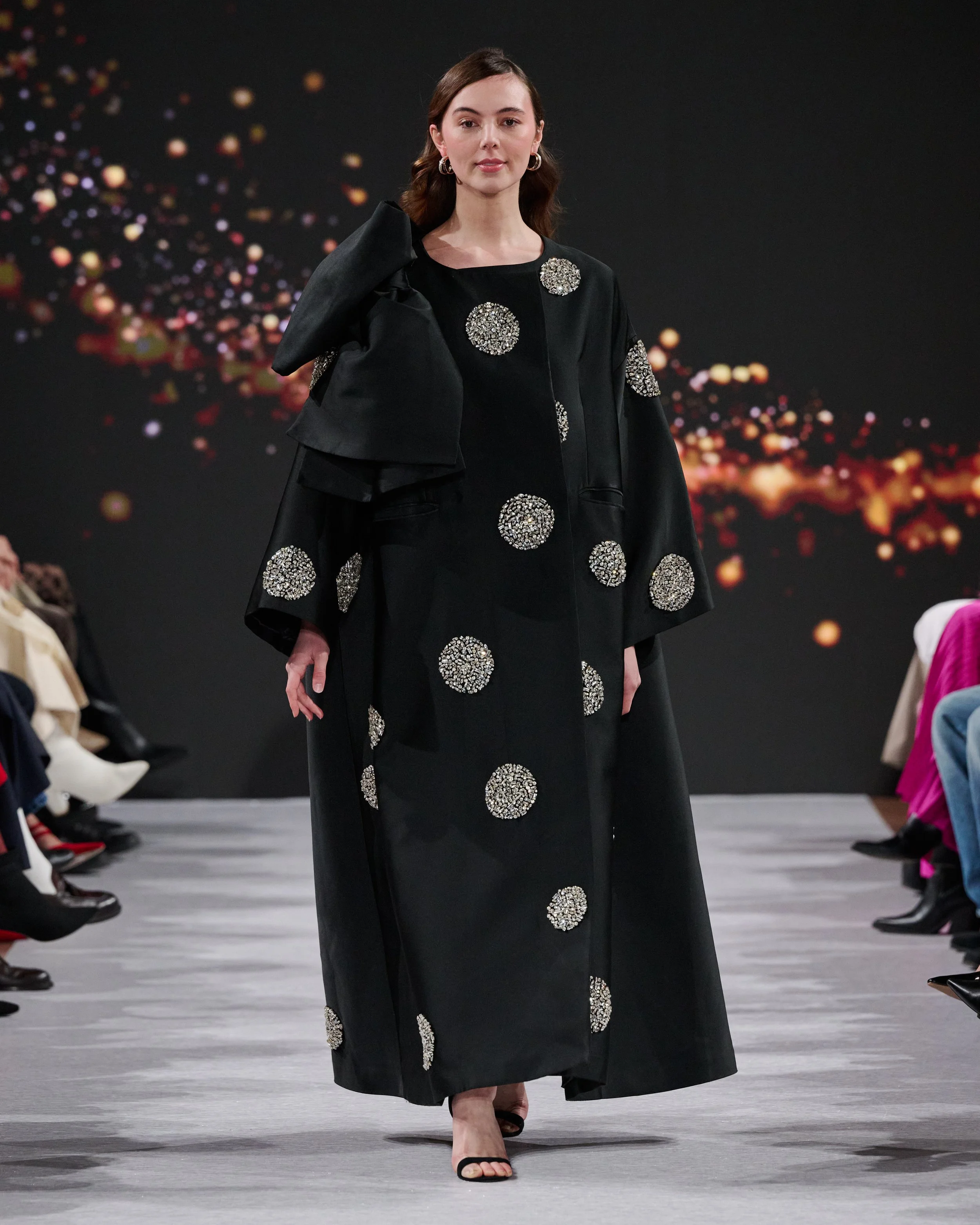
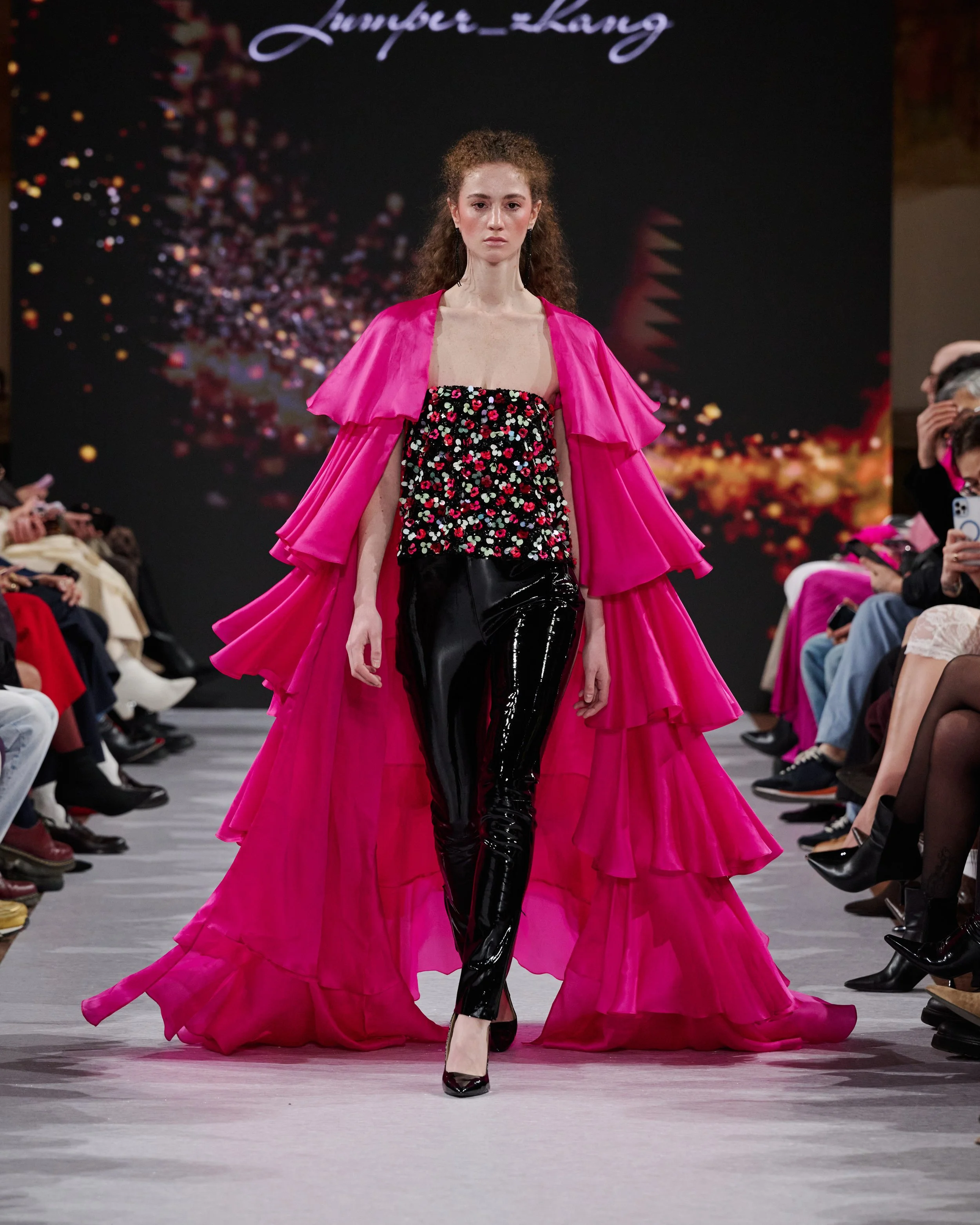
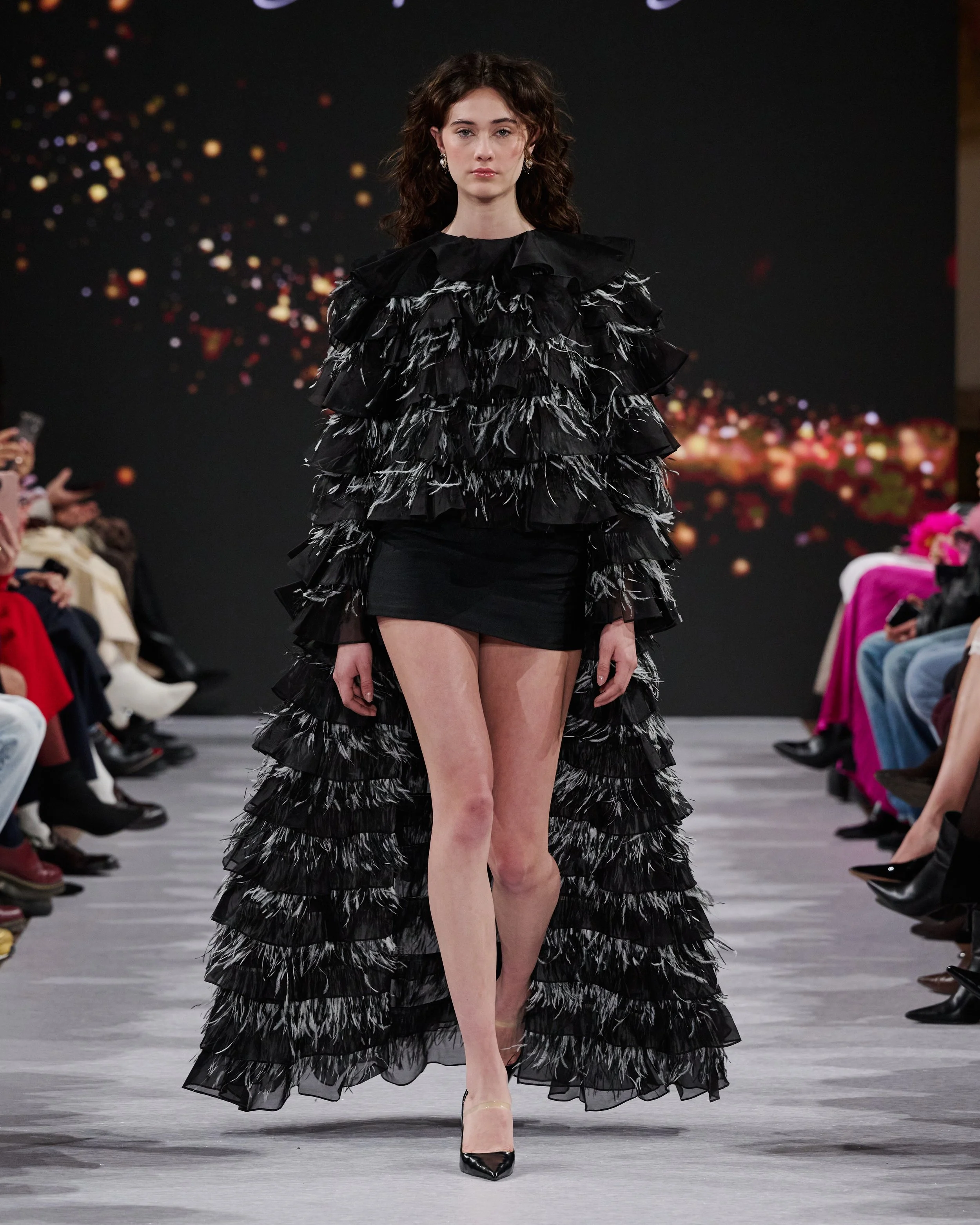
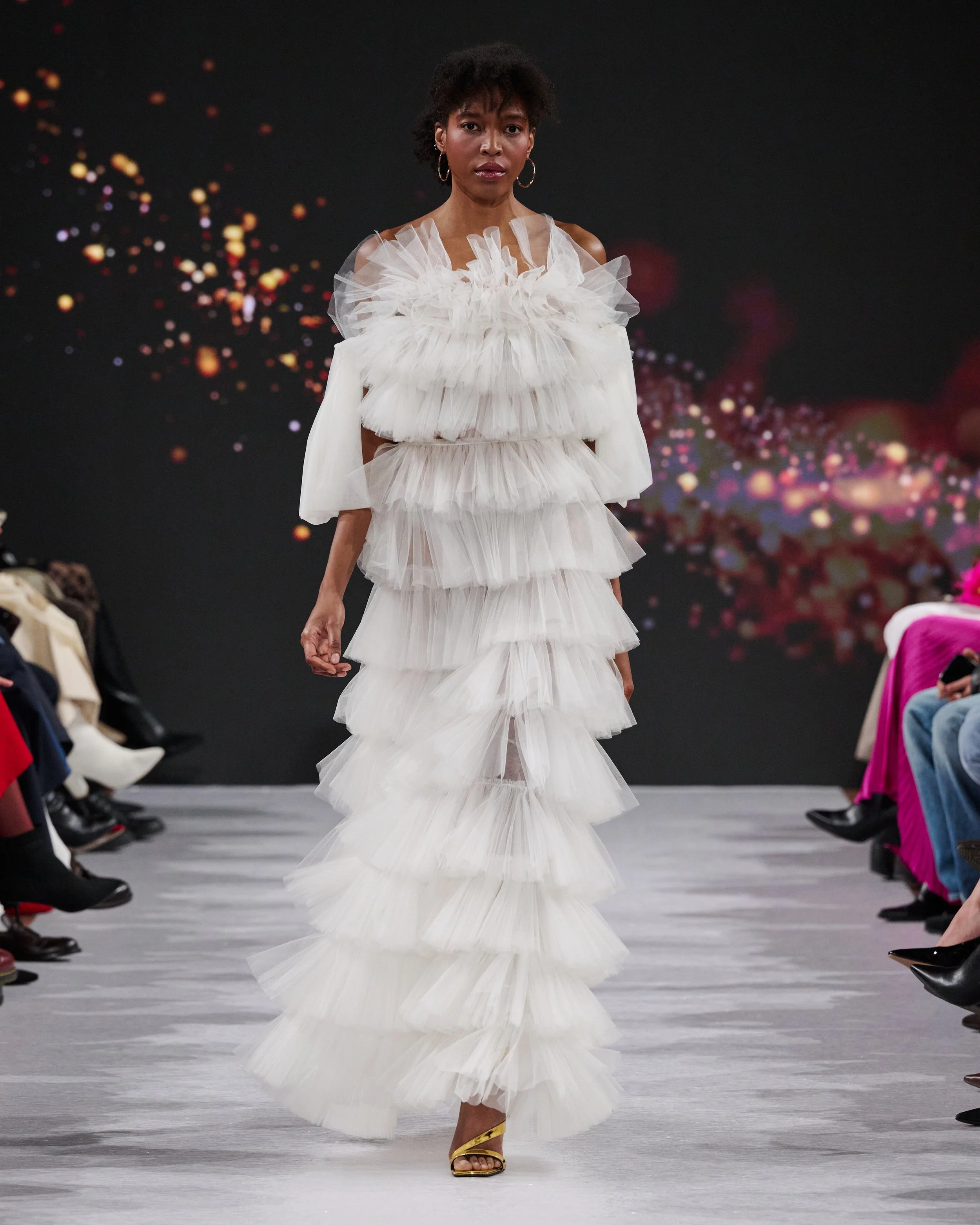
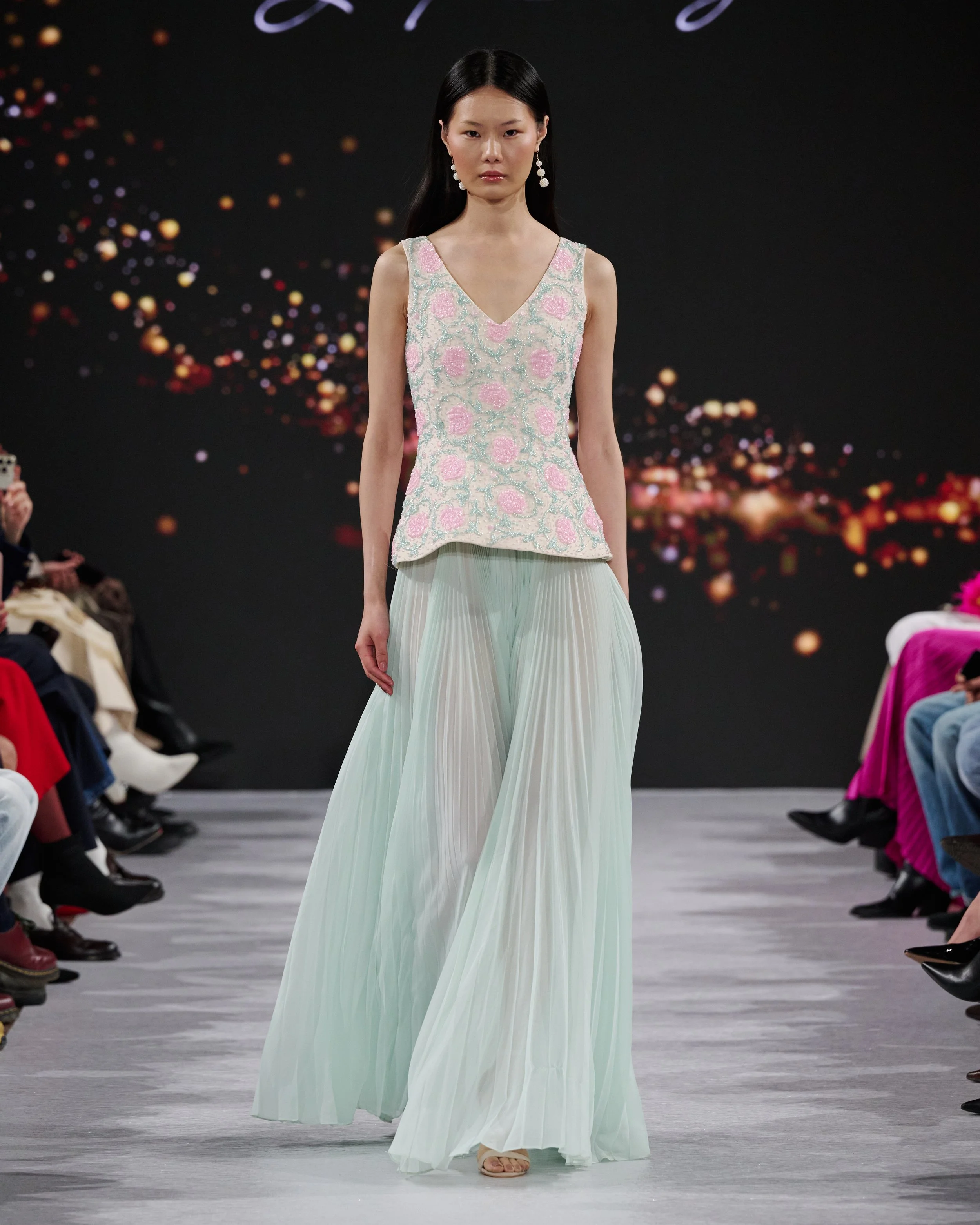
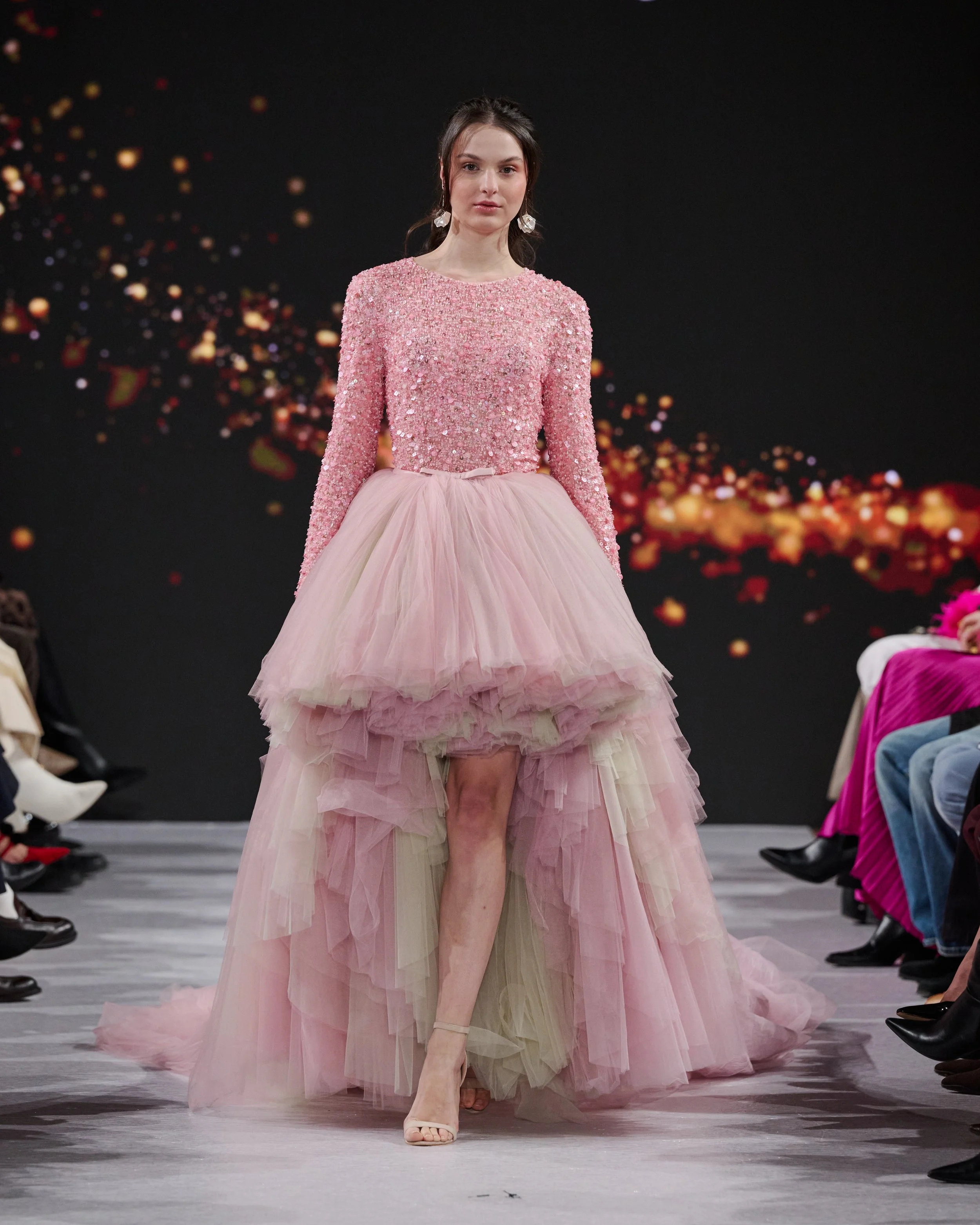
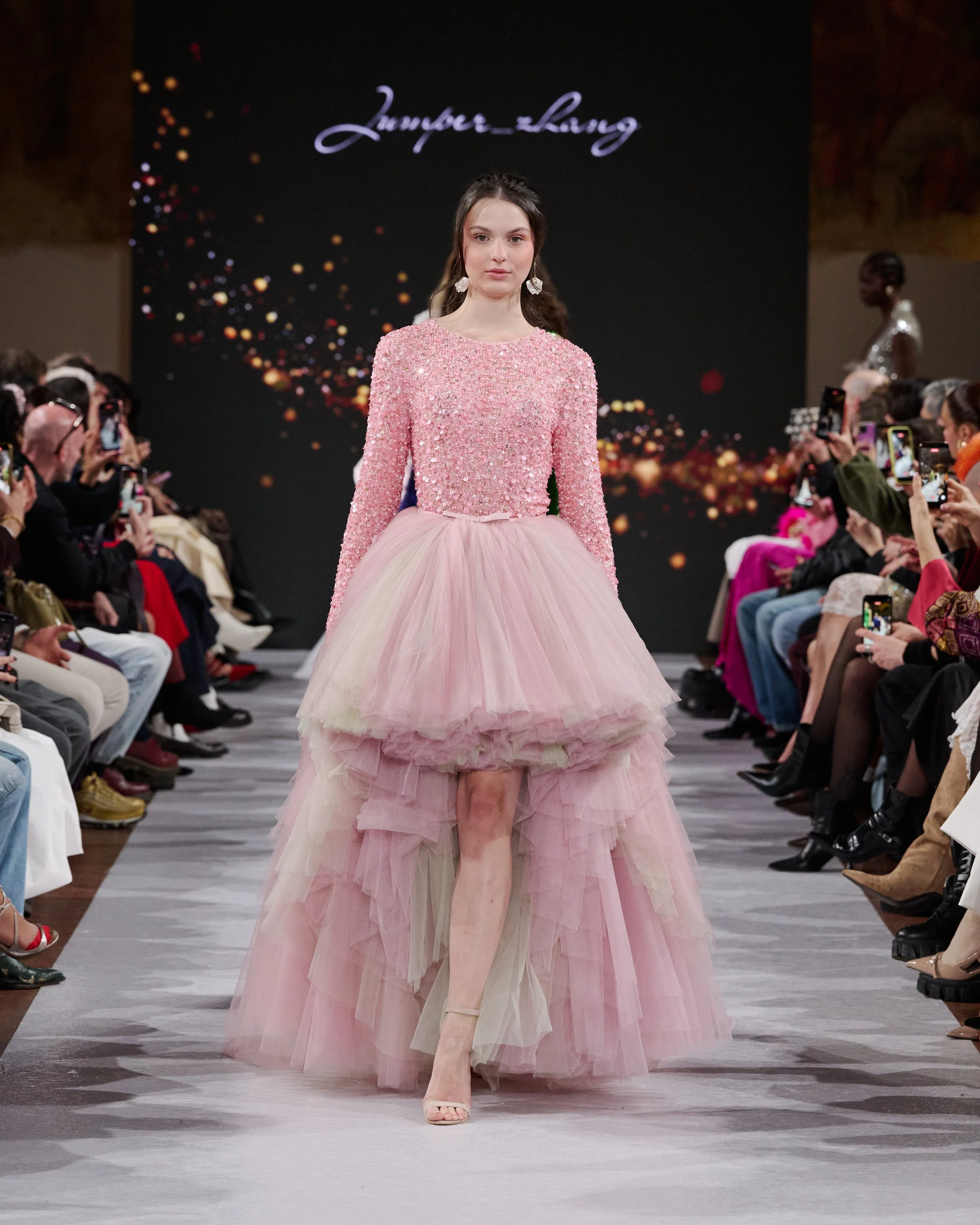
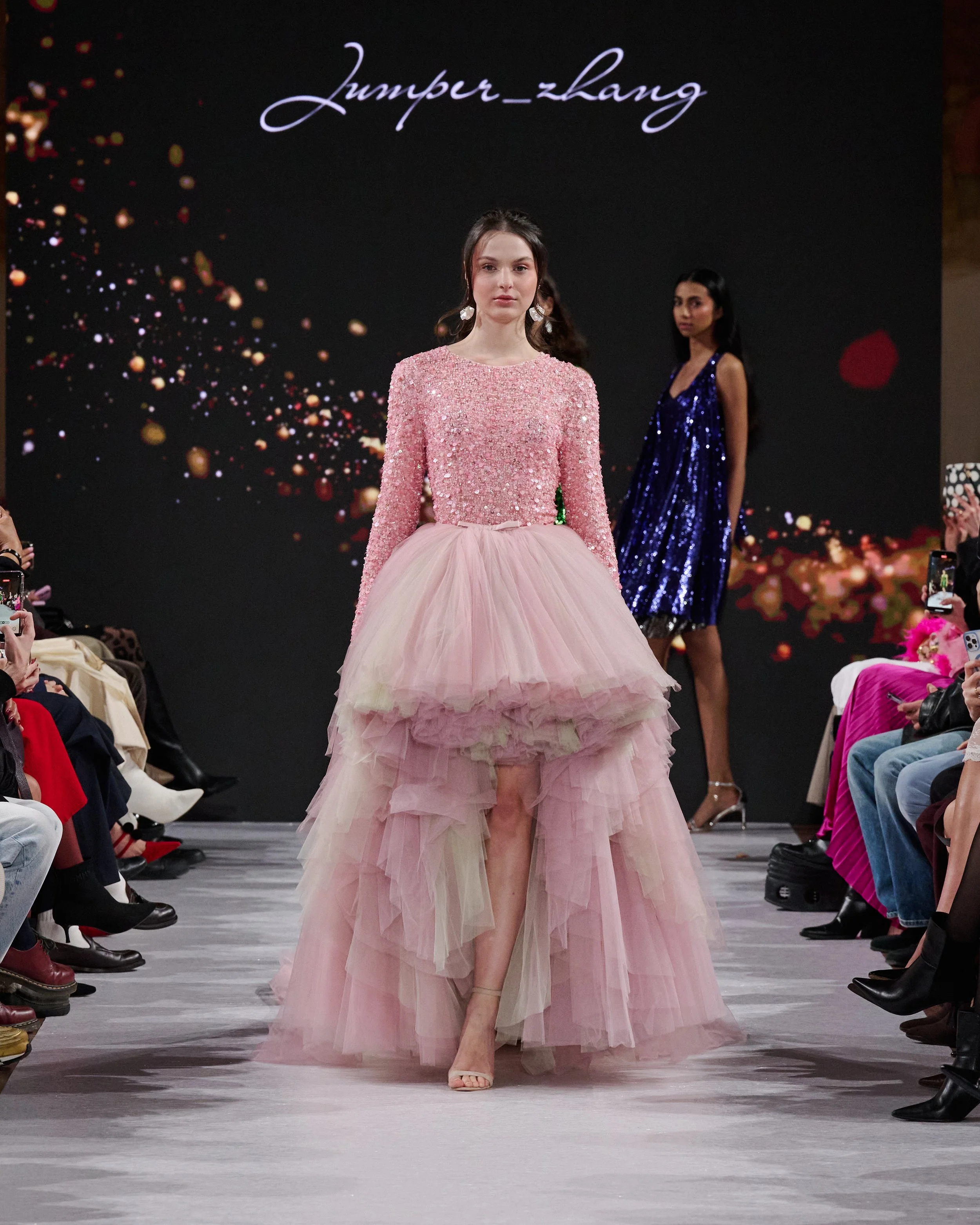
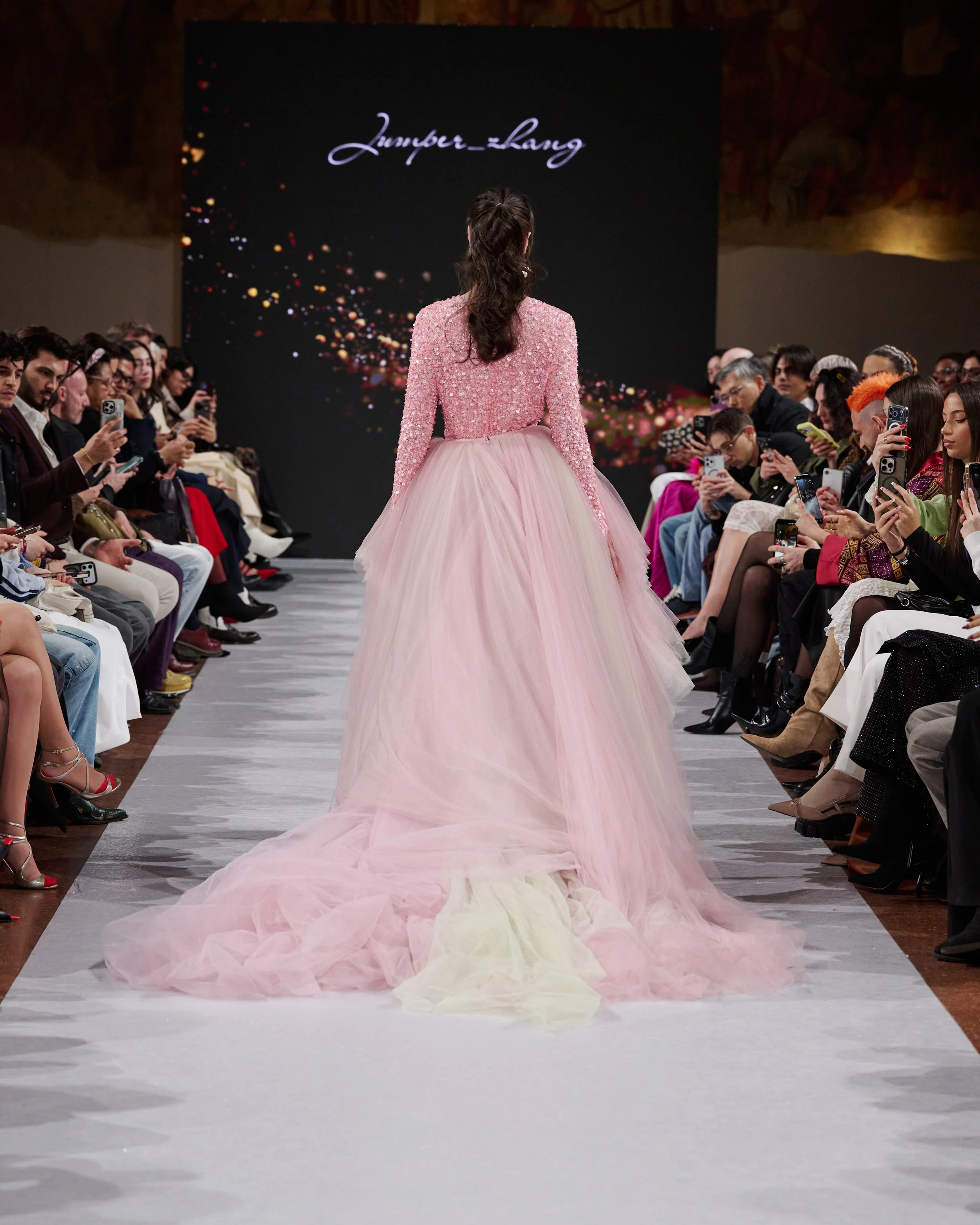
Where TETTE explored fragmentation and repair, JUMPER ZHANG’s collection, Circle, examined continuity.
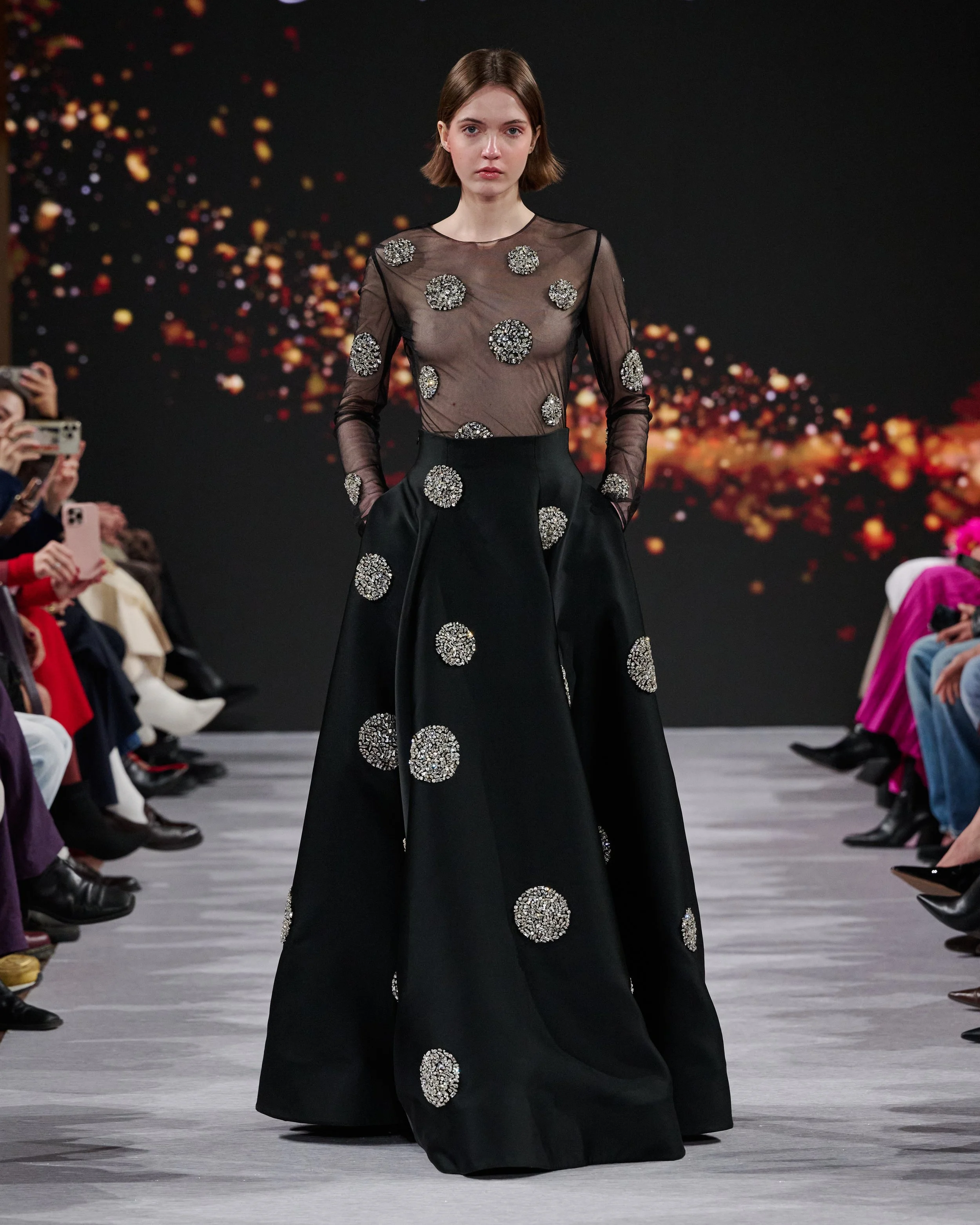
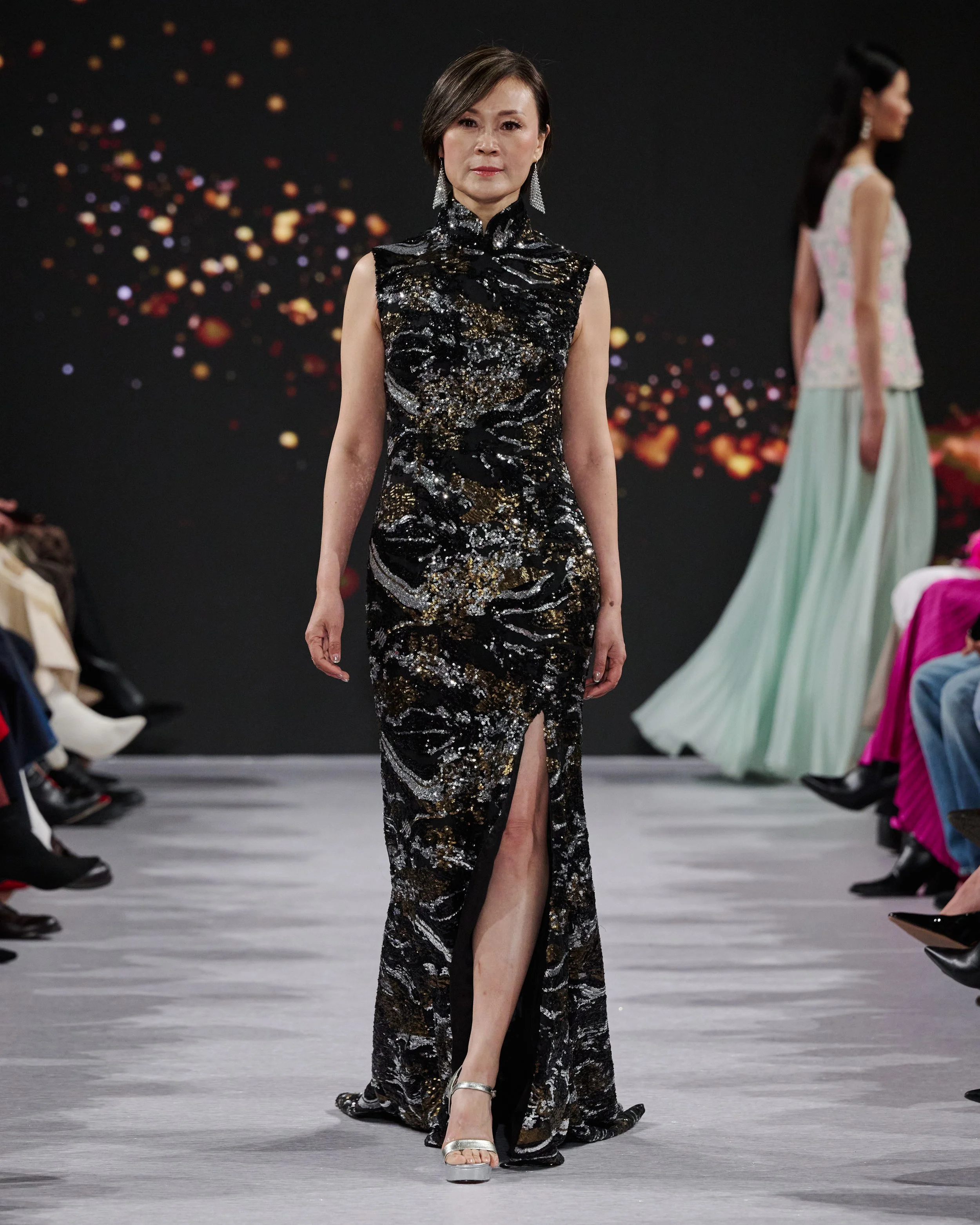
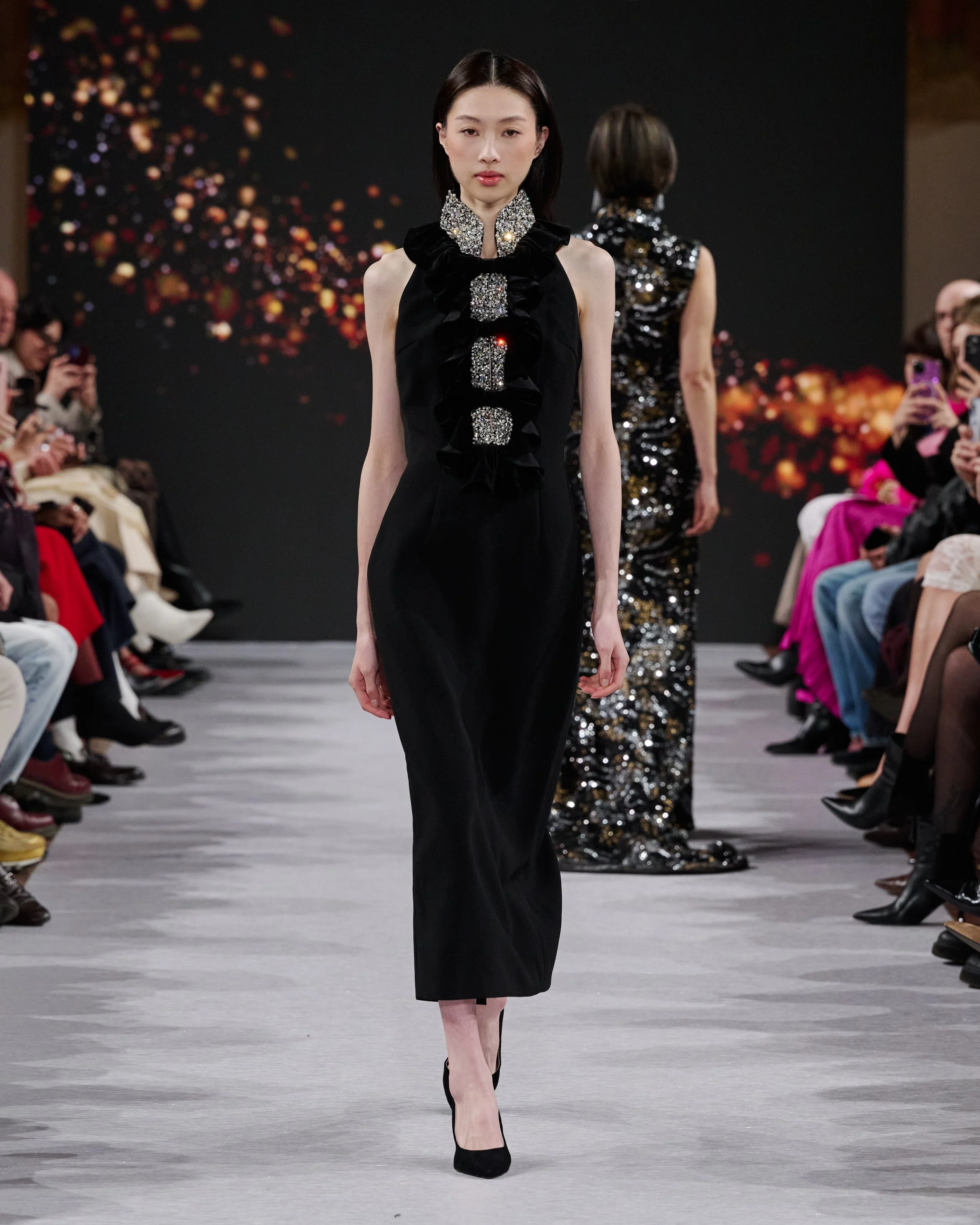
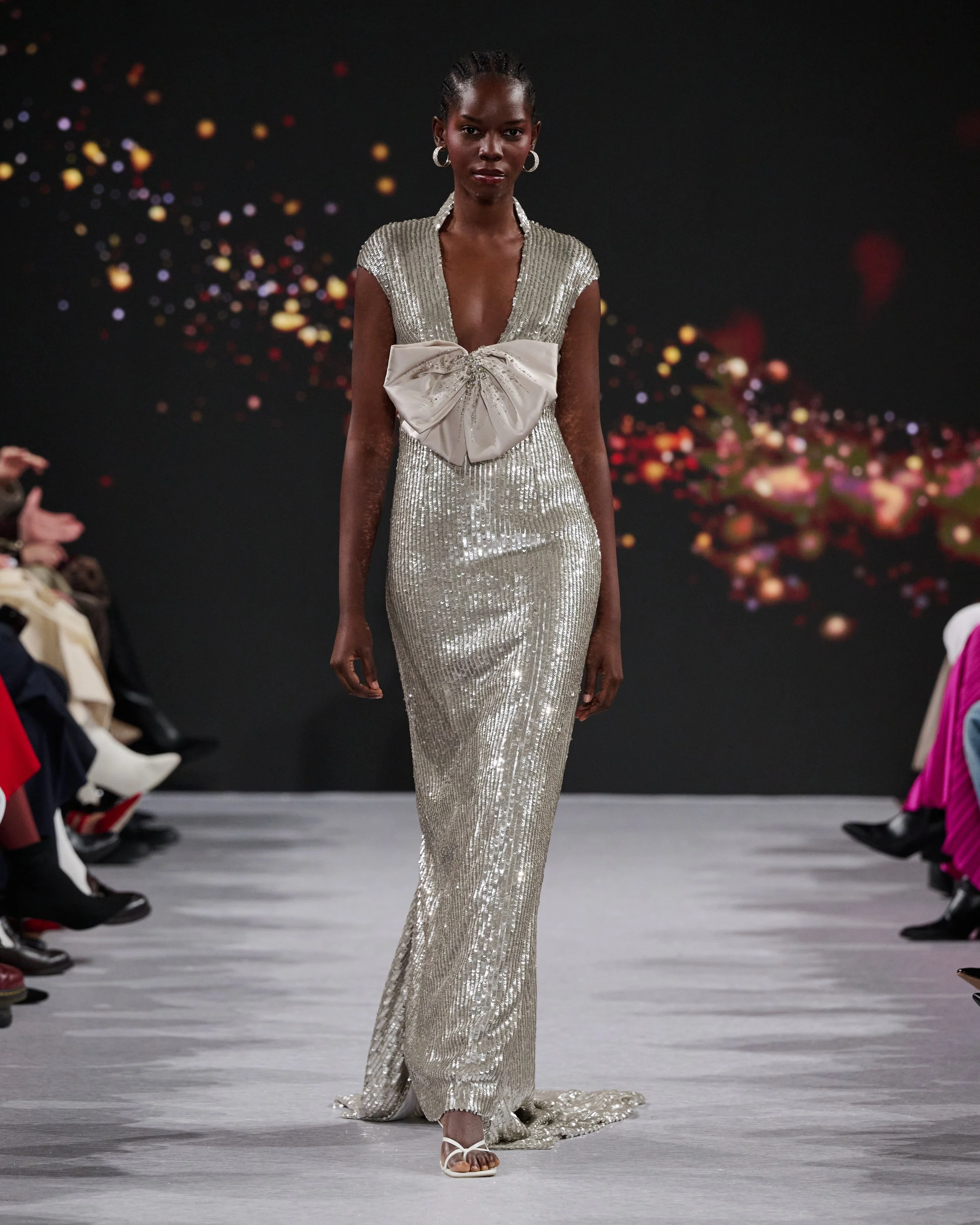
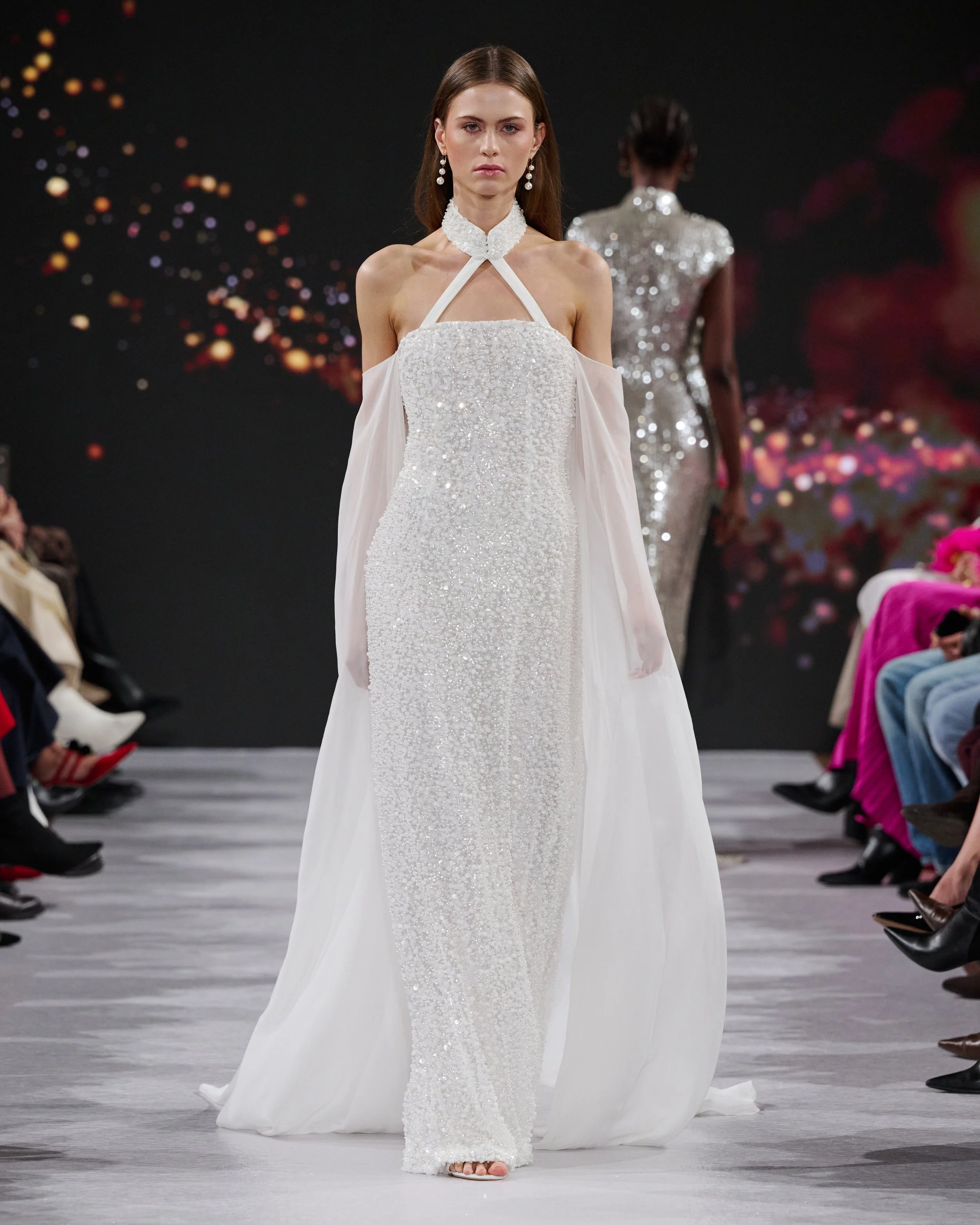
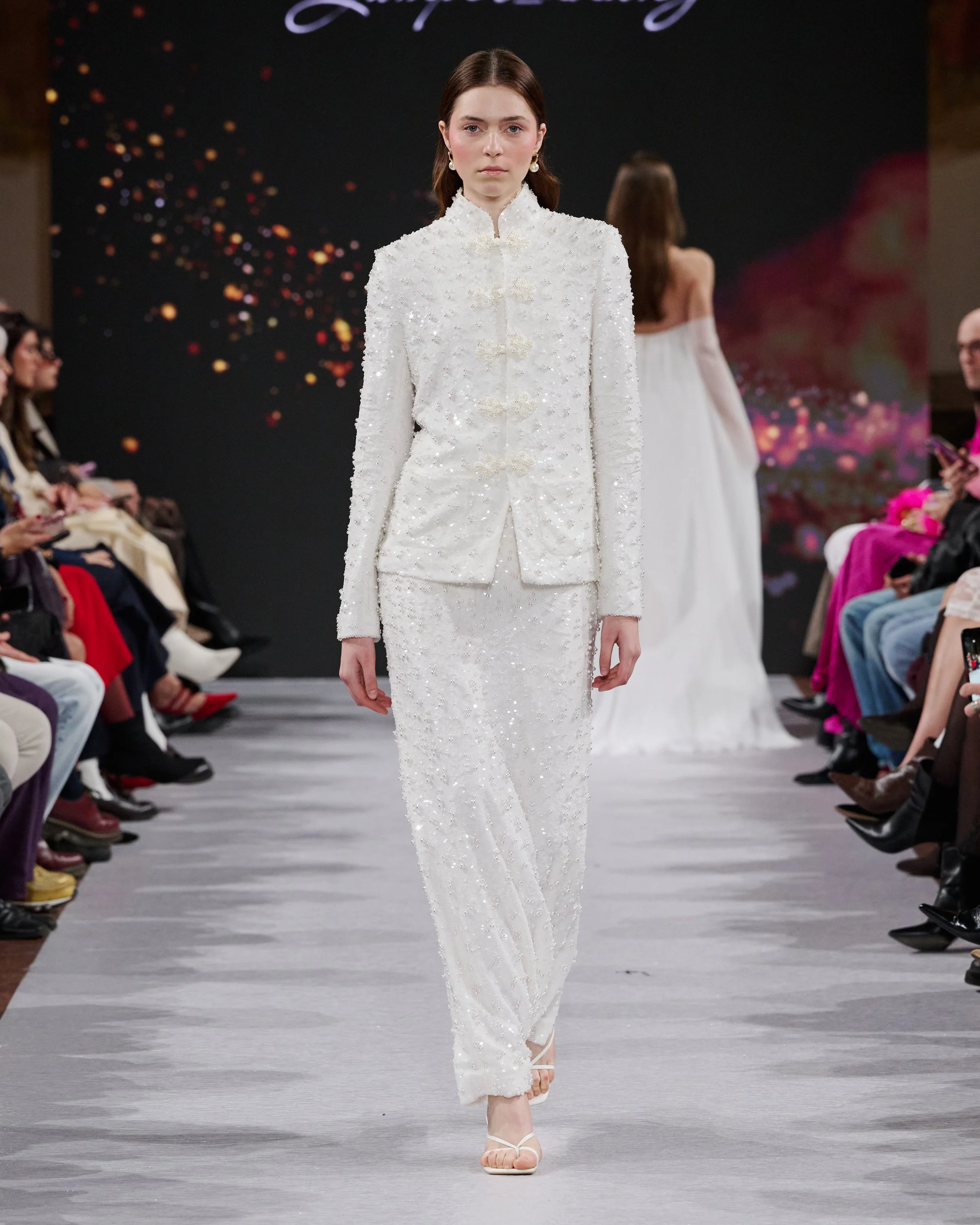
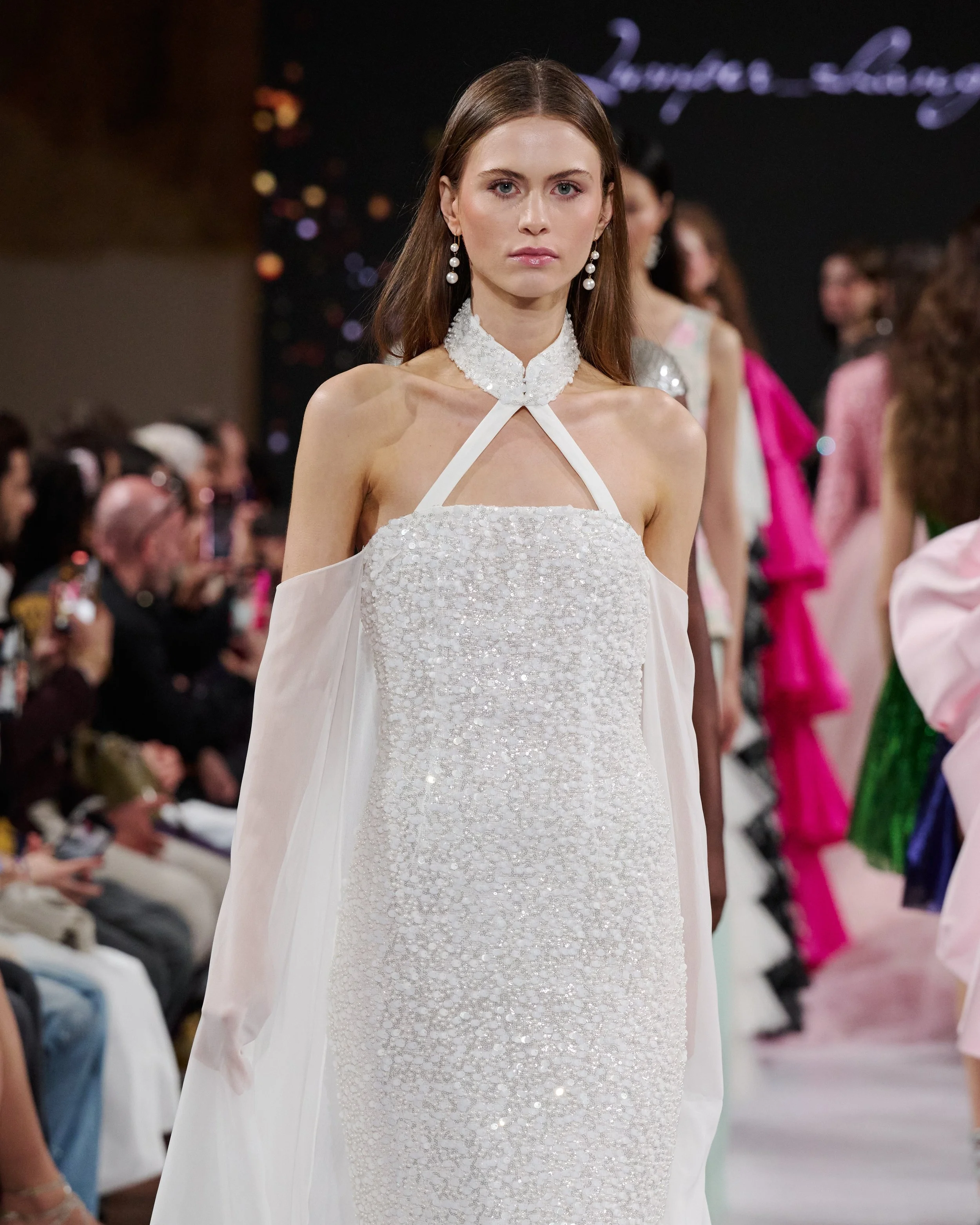
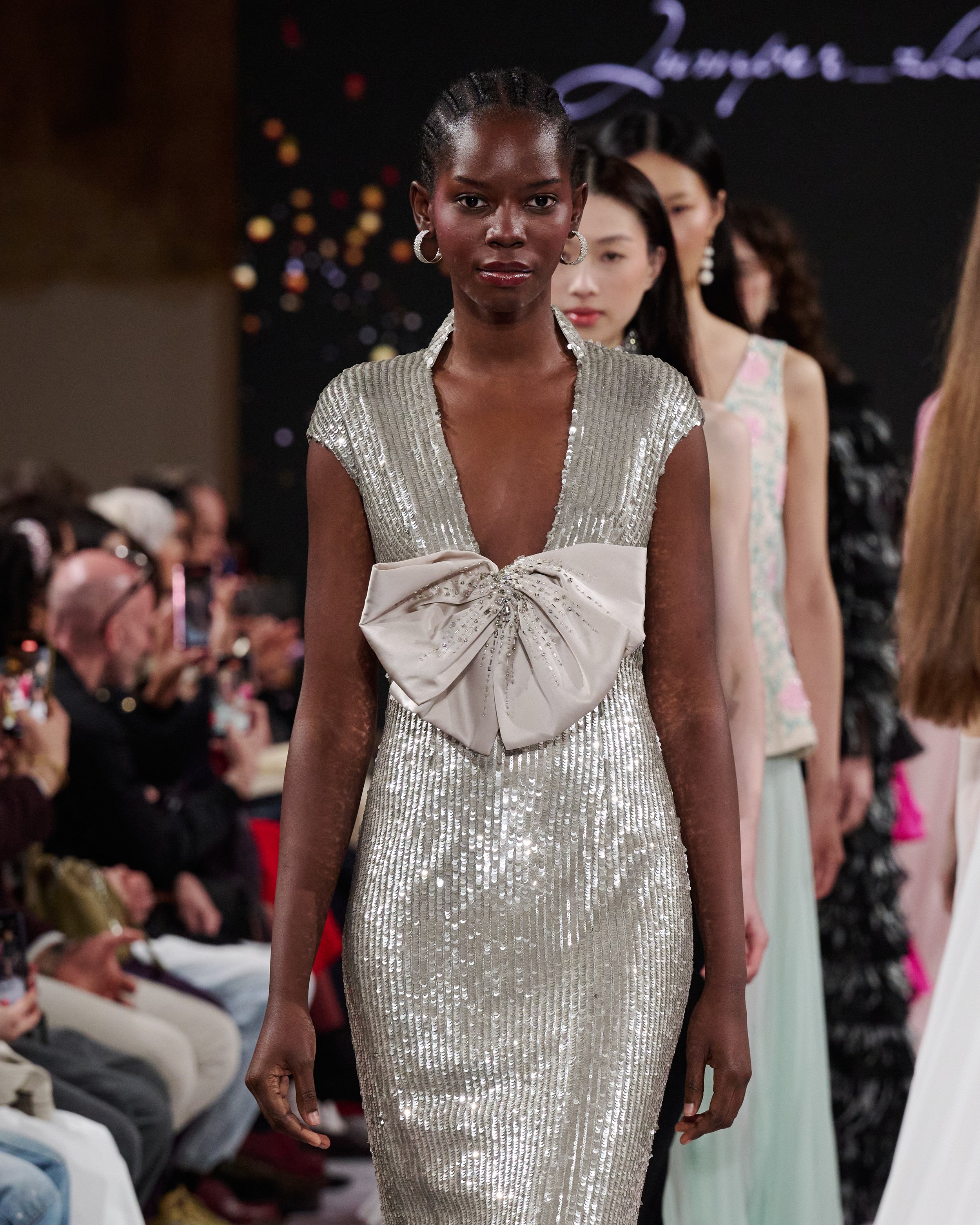
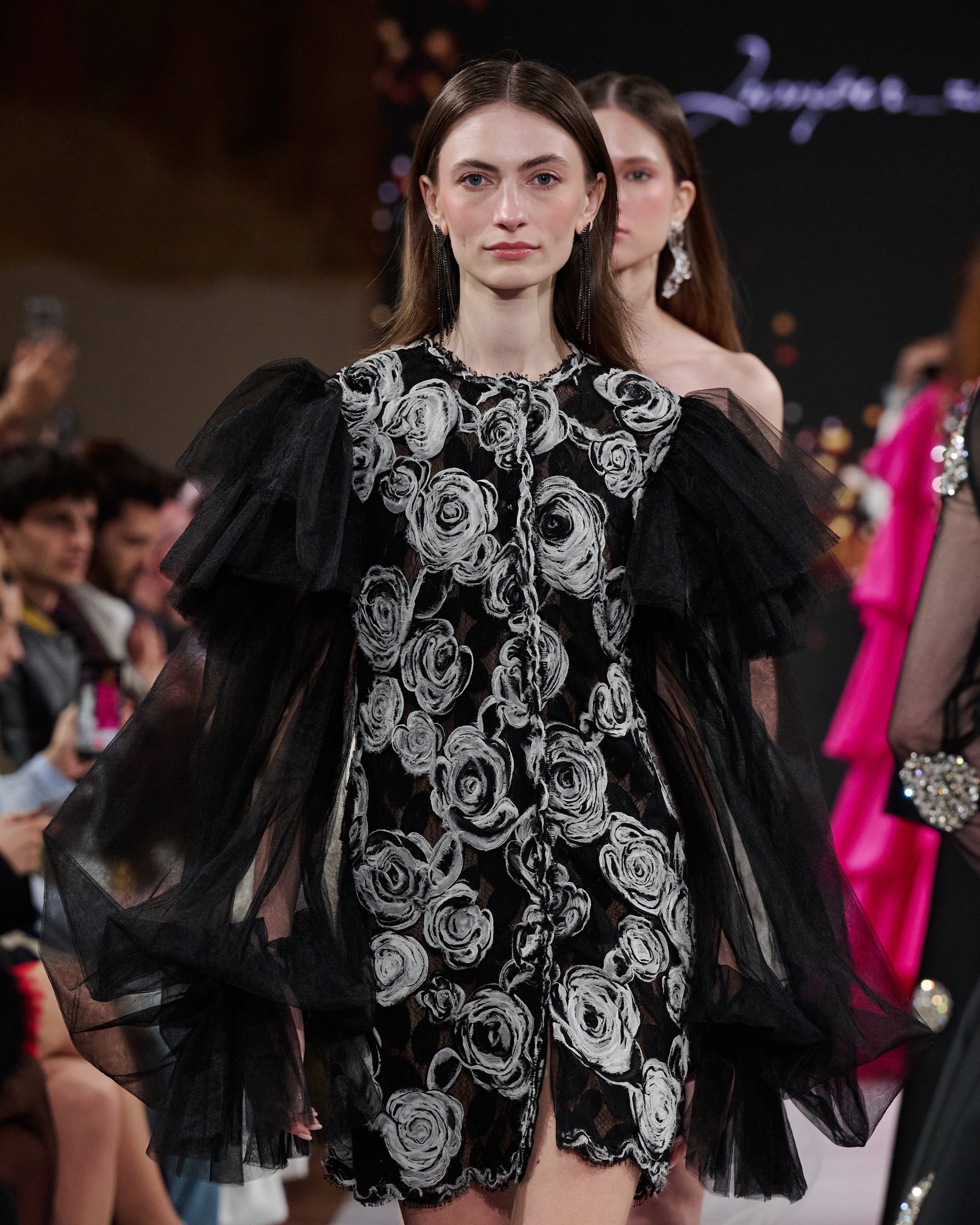
Drawing from one of China’s oldest abstract decorative motifs—the traditional circle flower pattern inspired by humanity’s ancient reverence for the sun—Zhang translated symbolism into couture precision. Intricate bead embroidery, appliqué, weaving, fine needlework, and rhinestone embellishments transformed the circular form into dimensional surface architecture.
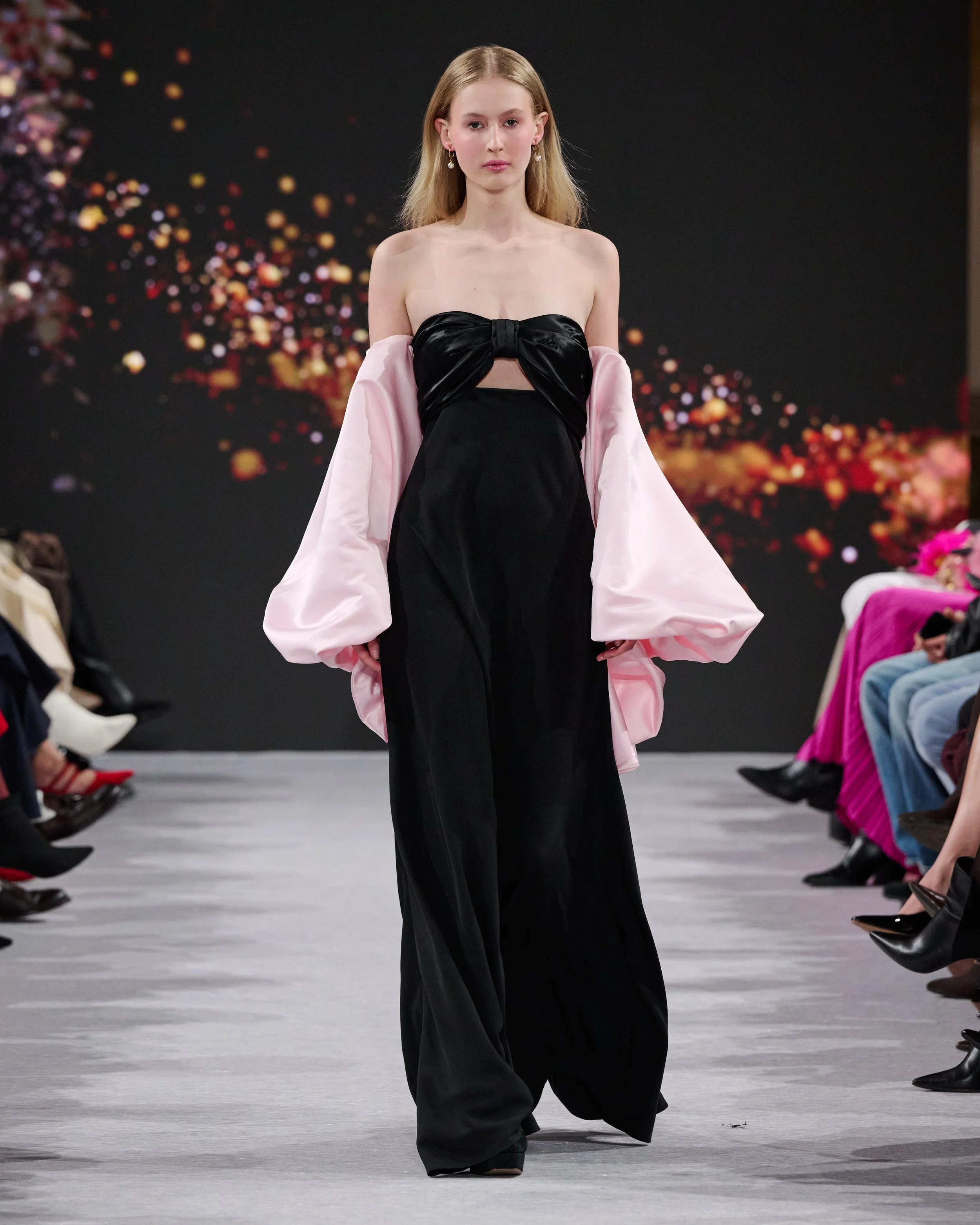
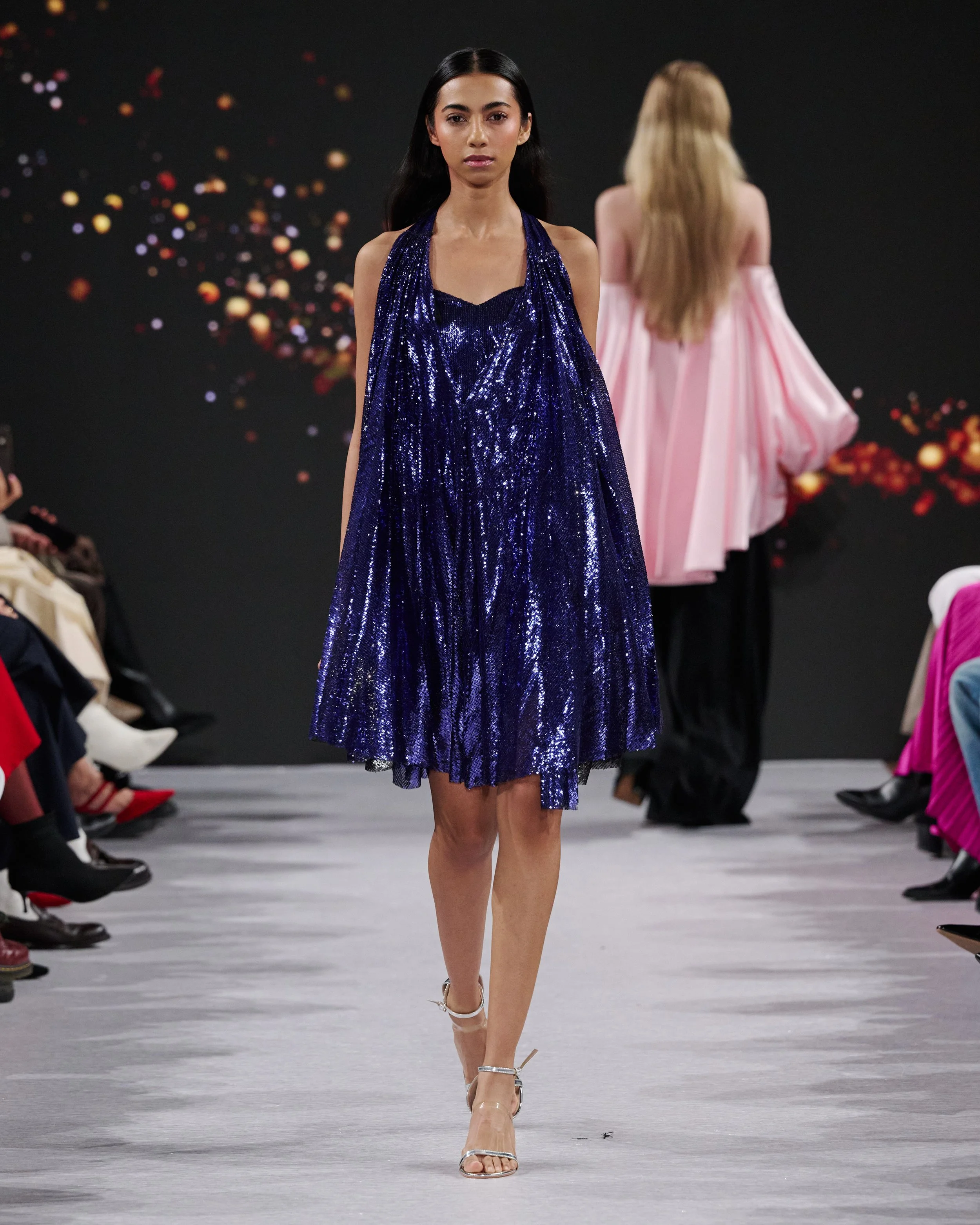
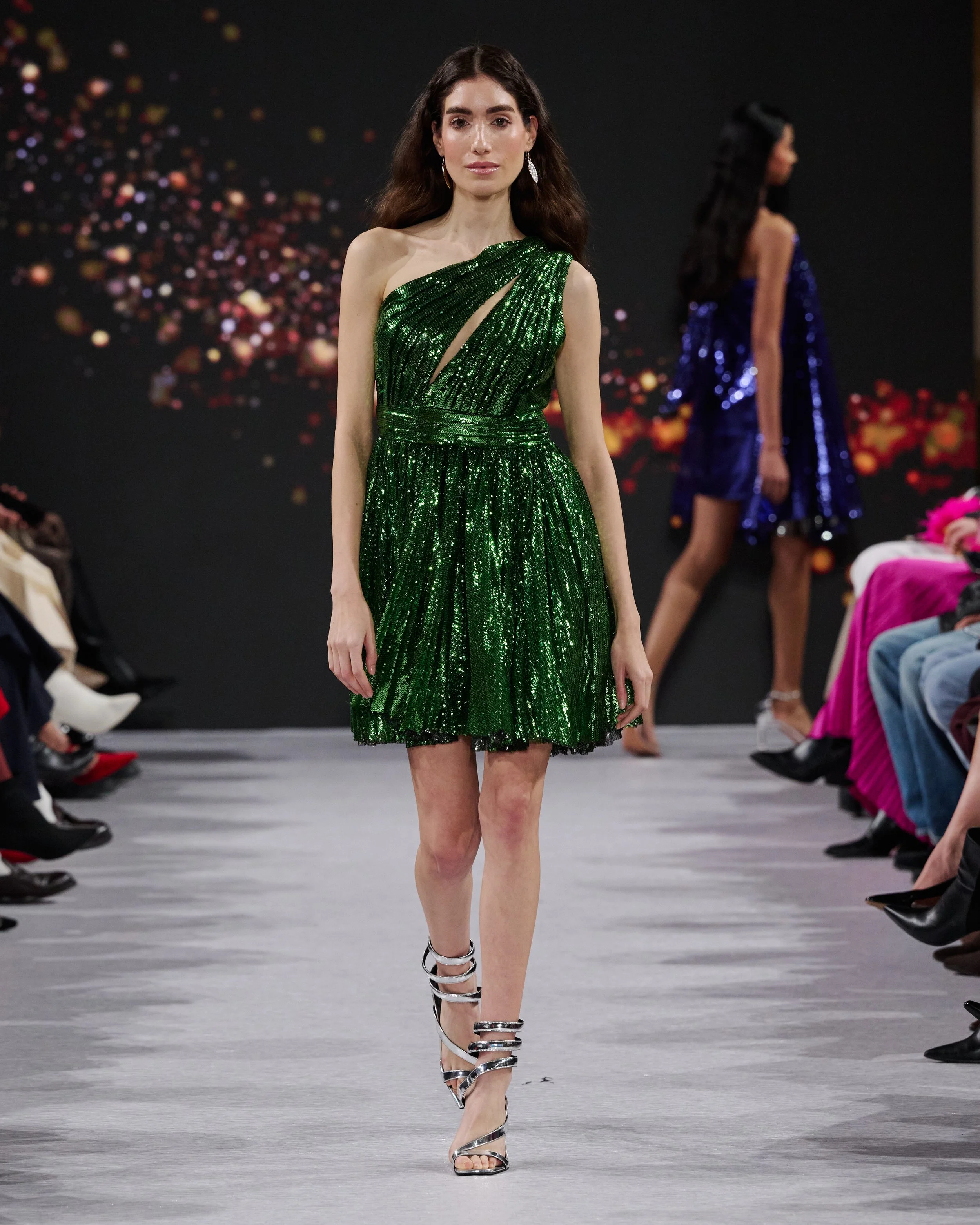
Silhouettes were carefully constructed to maintain balance, echoing the philosophical weight of the circle as a symbol of unity and infinity. Yet the collection resisted nostalgia. Instead, it positioned traditional Chinese aesthetics within a modern high-fashion framework—where heritage techniques became vehicles for contemporary expression rather than museum artifacts.
In Milan, the dialogue between old and new felt intentional. Zhang’s work did not simply reference history; it reframed it, asserting that cultural codes remain fluid, adaptable, and relevant.
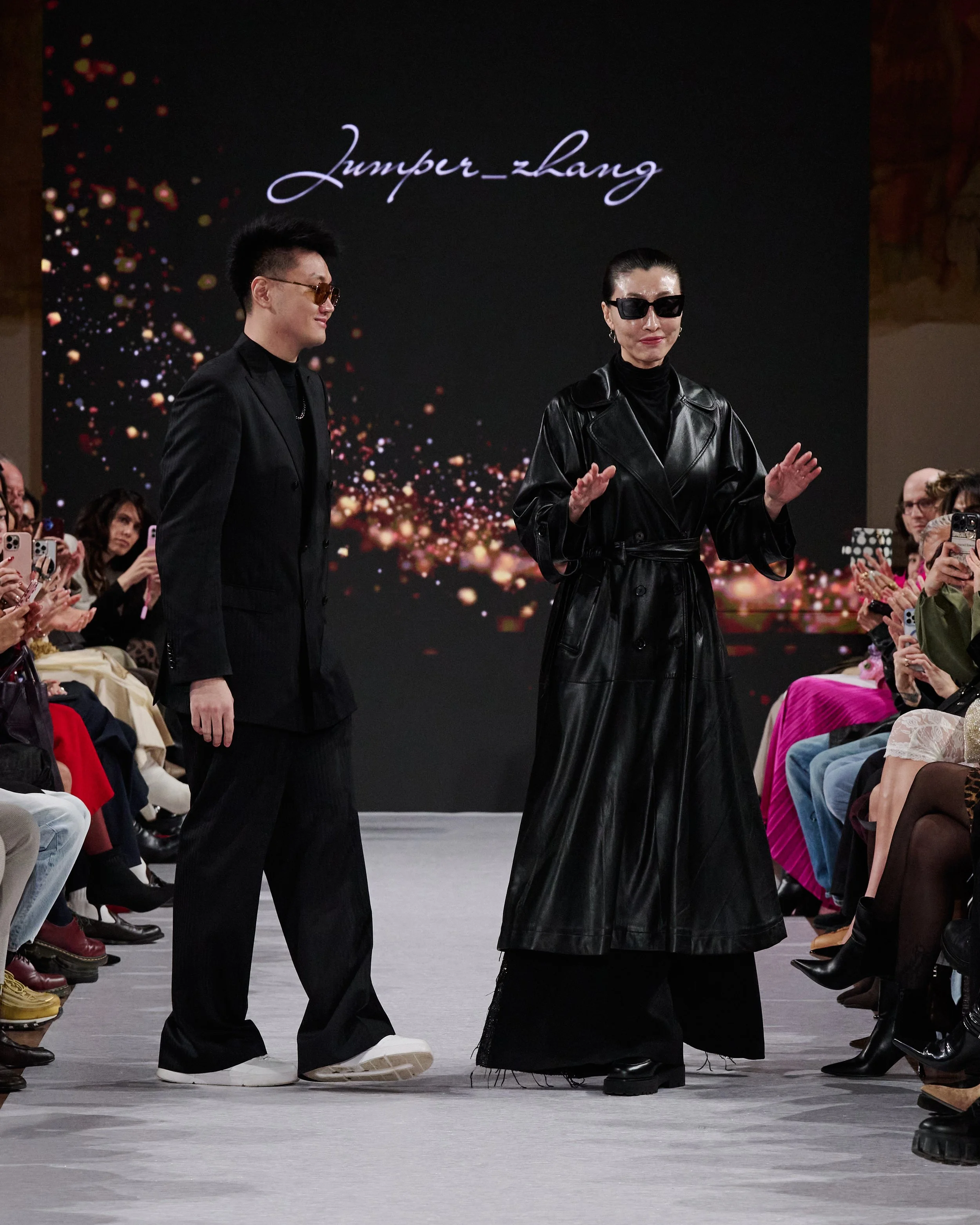
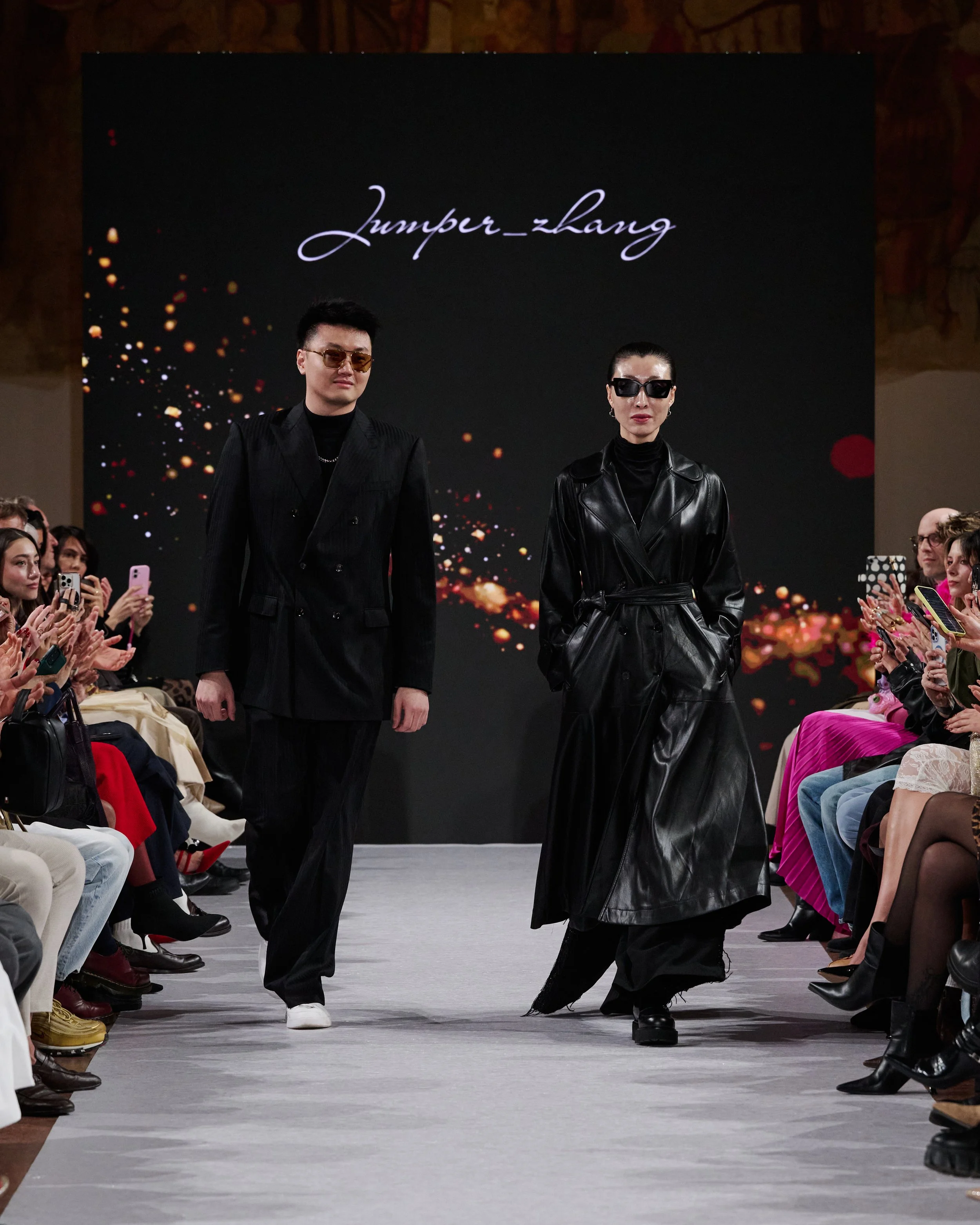
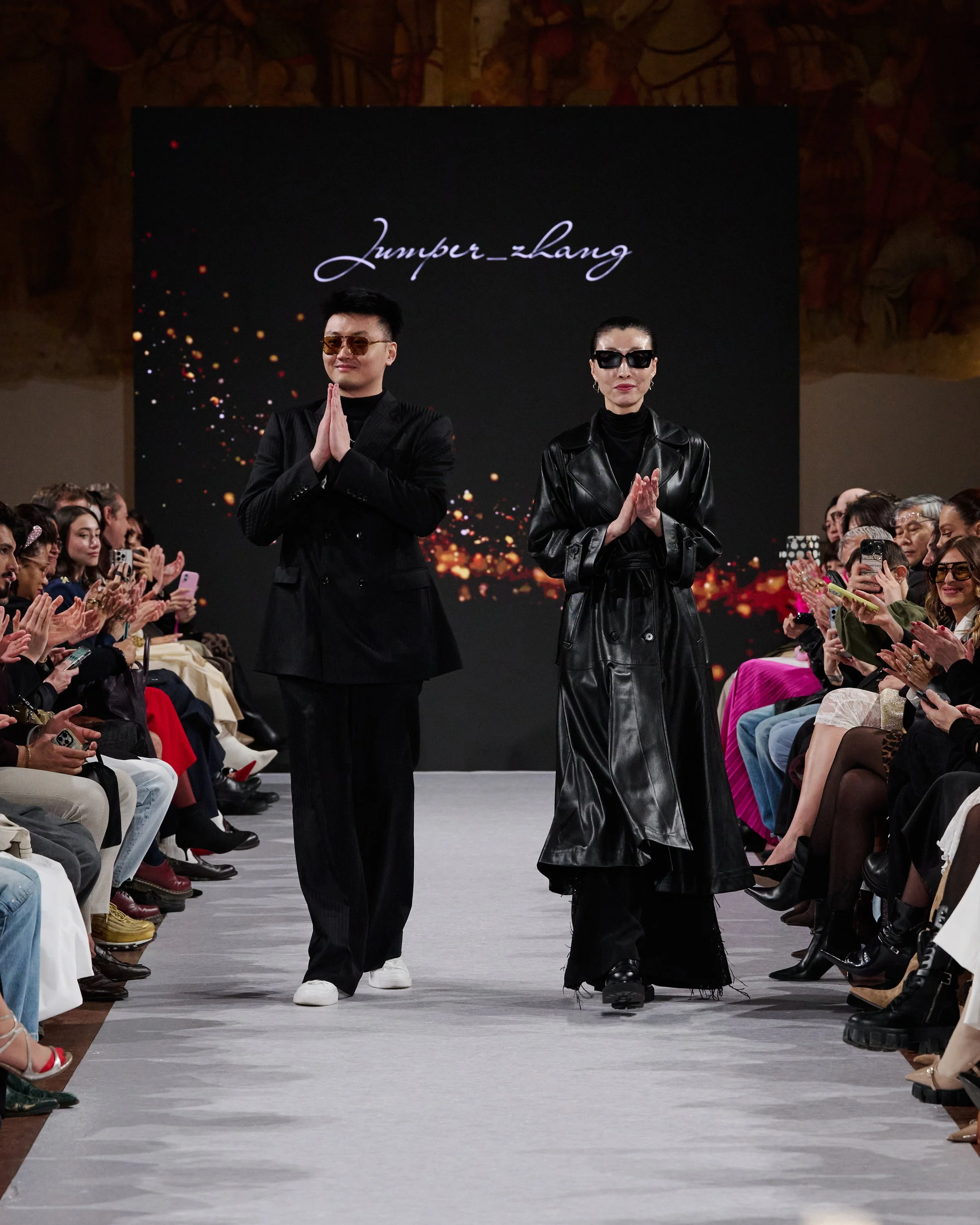
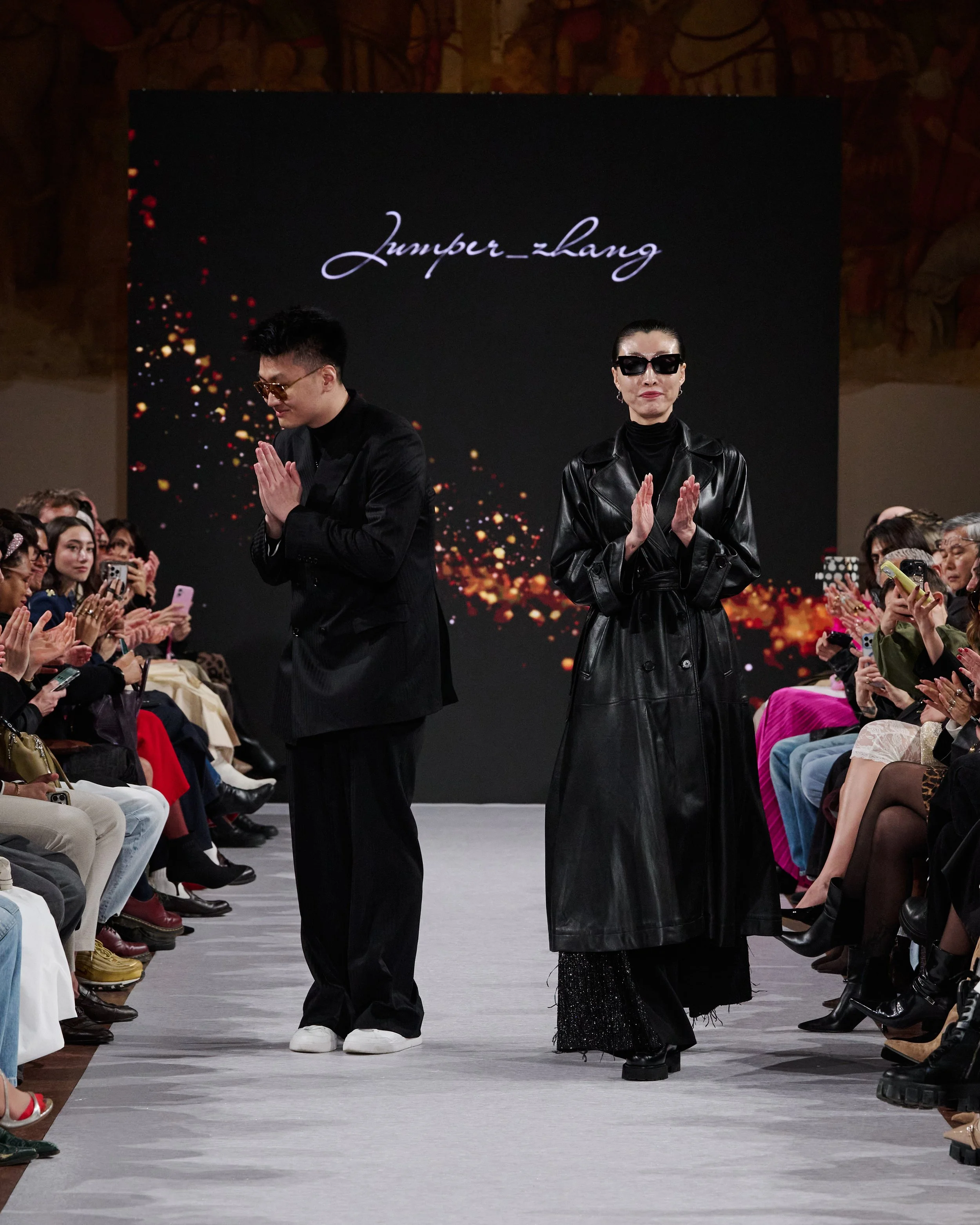
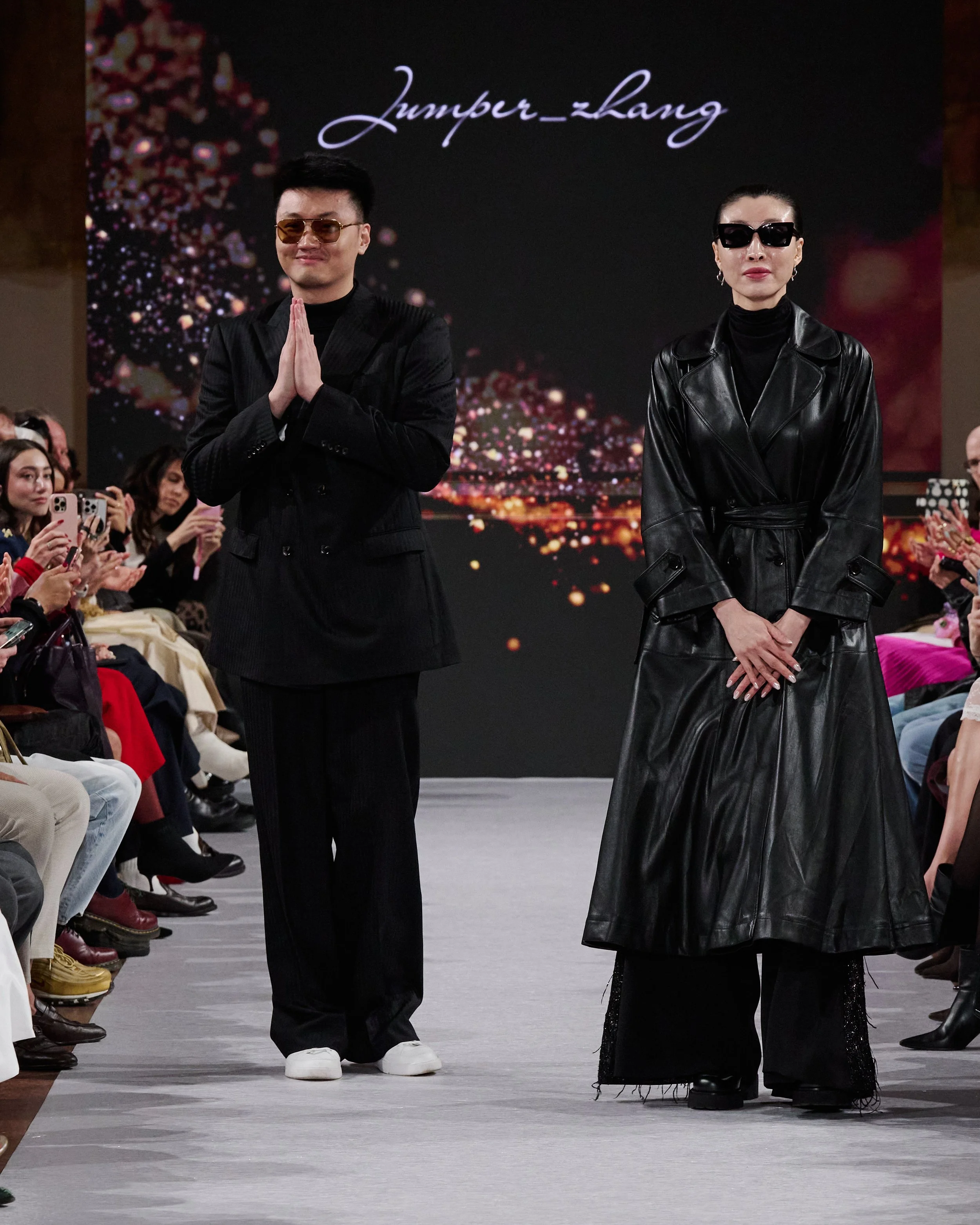
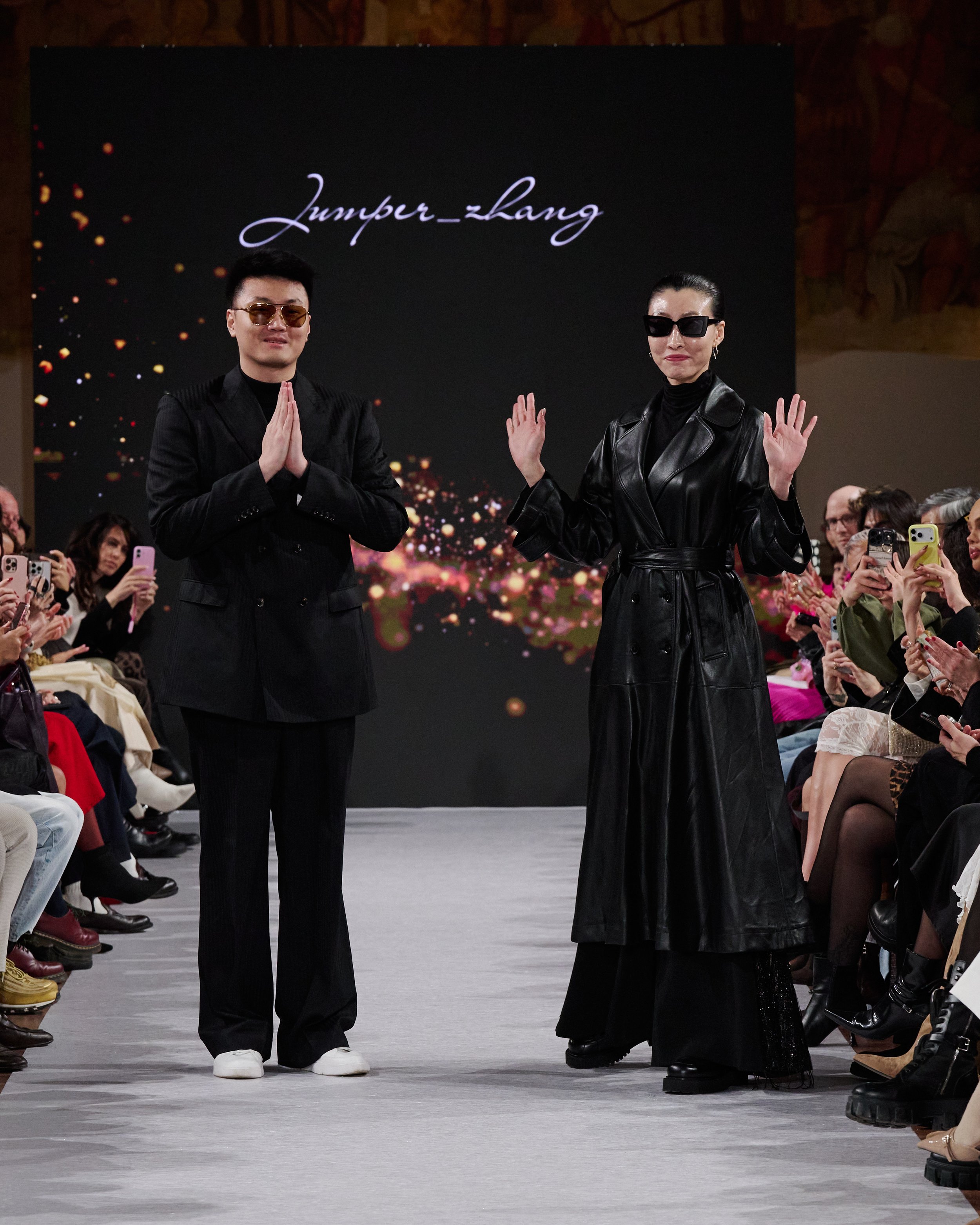
Creative directors, Jumper Zhang (China)
A Platform With Global Intent
Beyond the individual collections, GFC’s Milan program reinforced a larger thesis: access matters.
By situating designers from Japan and China within one of fashion’s most influential weeks, the organization continues to bridge geographic and cultural divides. Its long-standing mission—to cultivate inclusivity while accelerating designer development through global showcases—was evident not only in the diversity of talent but in the production’s cohesive execution.
Beauty direction underscored this professionalism, with hairstyling led by Odete Da Silva and makeup direction by Cristina Cuellar Instituto, ensuring that each designer’s narrative was visually amplified without dilution.
At a time when fashion conversations increasingly revolve around scale, conglomerates, and quarterly earnings, the GFC showcase offered a different metric for success: cultural exchange, craftsmanship, and the cultivation of long-term creative ecosystems.
In the vaulted corridors of I Chiostri di S. Barnaba, two distinct visions—one rooted in textile rebirth, the other in symbolic continuity—shared a single runway. Together, they illustrated a broader truth about fashion’s global future: innovation does not erase heritage. It reinterprets it, stitches it forward, and allows it to bloom again.
See: Jumper Zhang (China)
See: TETTE (Japan)
HOW DO YOU FEEL ABOUT FASHION?
COMMENT OR TAKE OUR PAGE READER SURVEY
Featured



Christmas shopping becomes easier when you focus on how a child already likes to play.