
Bezel’s 2025 Data Reveals a 38% Rejection Rate—And the 7 Watches Positioned to Win in 2026
PAGE
By PAGE Editor
In a move that signals just how far the luxury watch market has evolved beyond passion into structured finance, Bezel is partnering with Kalshi to launch luxury watch prediction markets on February 24—powered by Bezel’s proprietary valuation engine, Beztimate.
Originally developed as an internal intelligence tool, Beztimate equips Bezel’s team with condition-specific, institutional-grade pricing benchmarks by aggregating exclusive bids, live offers, and verified transaction data from across its marketplace. Rather than relying on a single metric, the engine runs multiple independent valuation models to reach a mathematical consensus—filtering out noise, speculation, and outliers to produce precise pricing grounded in real behavior.
Through the Kalshi collaboration, users will be able to trade on whether the value of iconic watches—such as models from Rolex or Patek Philippe—will rise or fall, leveraging the same high-fidelity data that informs pricing across Bezel’s nearly $1 billion in active listings. As luxury watches increasingly function as investment-grade assets, the partnership introduces structured, data-driven price discovery to a category historically shaped by fragmented resale data and insider networks. In effect, it formalizes watch value movements into a transparent, tradable market.
That timing is deliberate.
This week, Bezel released its 2025 Bezel Report, a transaction-backed analysis of how the secondary watch market actually behaved over the past year. Drawing on thousands of completed sales and millions of user interactions, the report does something the industry has long avoided: it replaces anecdote with evidence.
The Return to Fundamentals
The headline statistic is telling. Bezel rejected 34% of watches submitted for sale in 2025, with that number rising to 38% in the second half of the year. Liquidity tightened. Scrutiny intensified. Both entry-level references and six-figure pieces faced higher authentication and pricing discipline.
But beneath the rejection rate lies a more important signal.
Modern steel “icons” have largely stabilized. Previously inflated references have corrected. Independent watchmakers are gaining credibility. And buyer behavior is shifting away from short-term flipping toward long-term ownership—supported by verification, insurance, and authenticated transaction infrastructure.
In short: the speculative froth has thinned. Fundamentals are back in focus.
For 2026, that recalibration matters. The watches positioned to outperform won’t be the loudest releases. They will be grounded in heritage, technical integrity, and enduring design language—timepieces that can justify value beyond volatility.
Below are the models aligned with that thesis.
The Timepieces to Buy in 2026
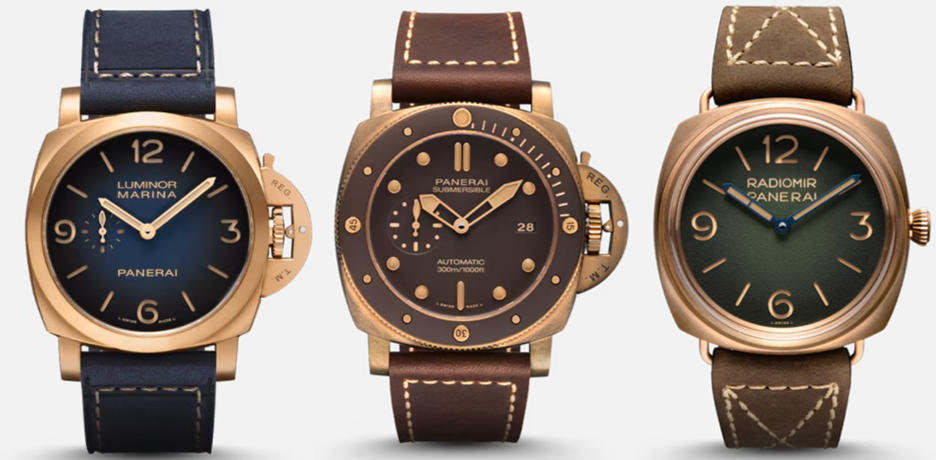
1. Panerai Luminor Marina Bronzo PAM01678
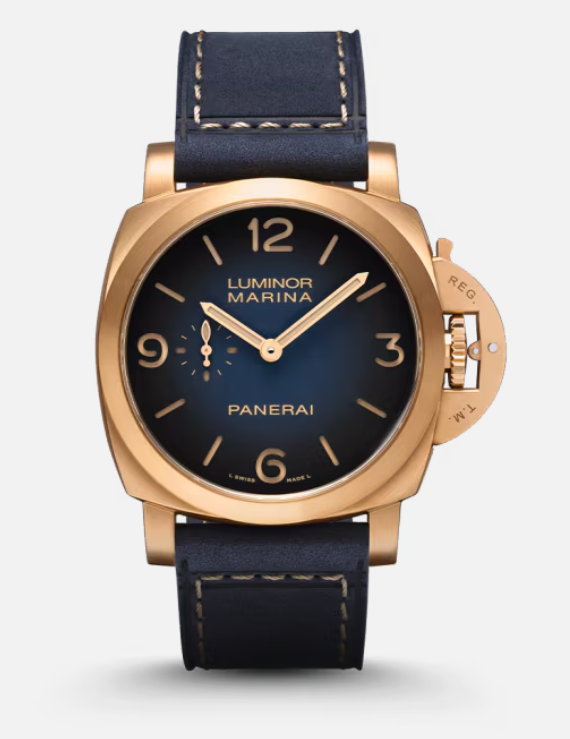
Panerai’s proprietary bronze—an alloy of pure copper and tin—develops a patina unique to each wearer. In a market rediscovering individuality over hype, material storytelling matters. The Bronzo’s evolving surface transforms ownership into a lived experience, not just a line item.
2. Panerai Submersible Bronzo PAM00968
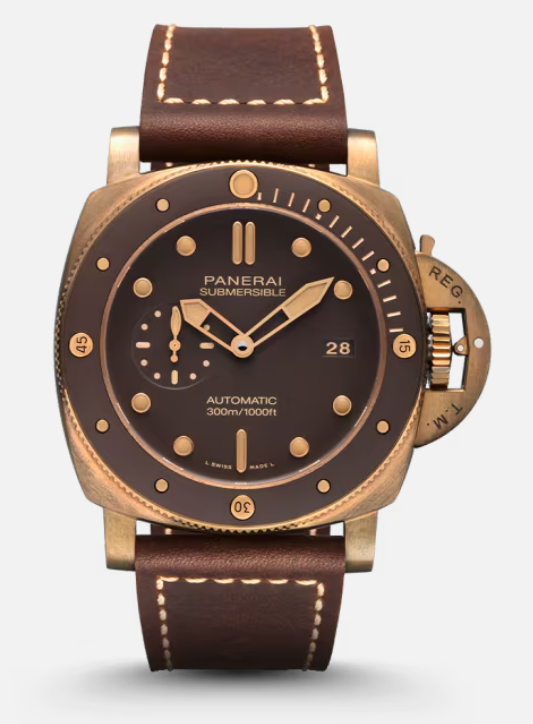
A true tool watch rooted in military lineage, the Submersible Bronzo blends functional credibility with collector intrigue. As professional-grade pieces regain favor, authenticity carries premium weight.
3. Panerai Radiomir Bronzo PAM00760
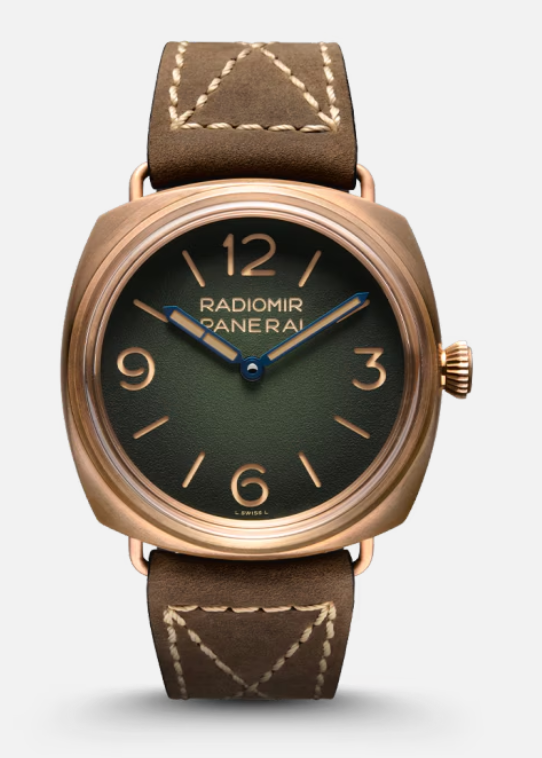
Tracing its silhouette back to 1940s naval prototypes, the Radiomir remains one of the purest expressions of Panerai’s DNA. Historically grounded designs—particularly in distinctive materials—are likely to benefit from the market’s renewed emphasis on provenance.
(For collectors seeking deeper archival context, “Panerai,” the 192-page Flammarion-published volume authored by the Panerai Archives Department, offers one of the most comprehensive documented accounts of the Maison’s evolution from Florentine workshop to Swiss manufacture.)
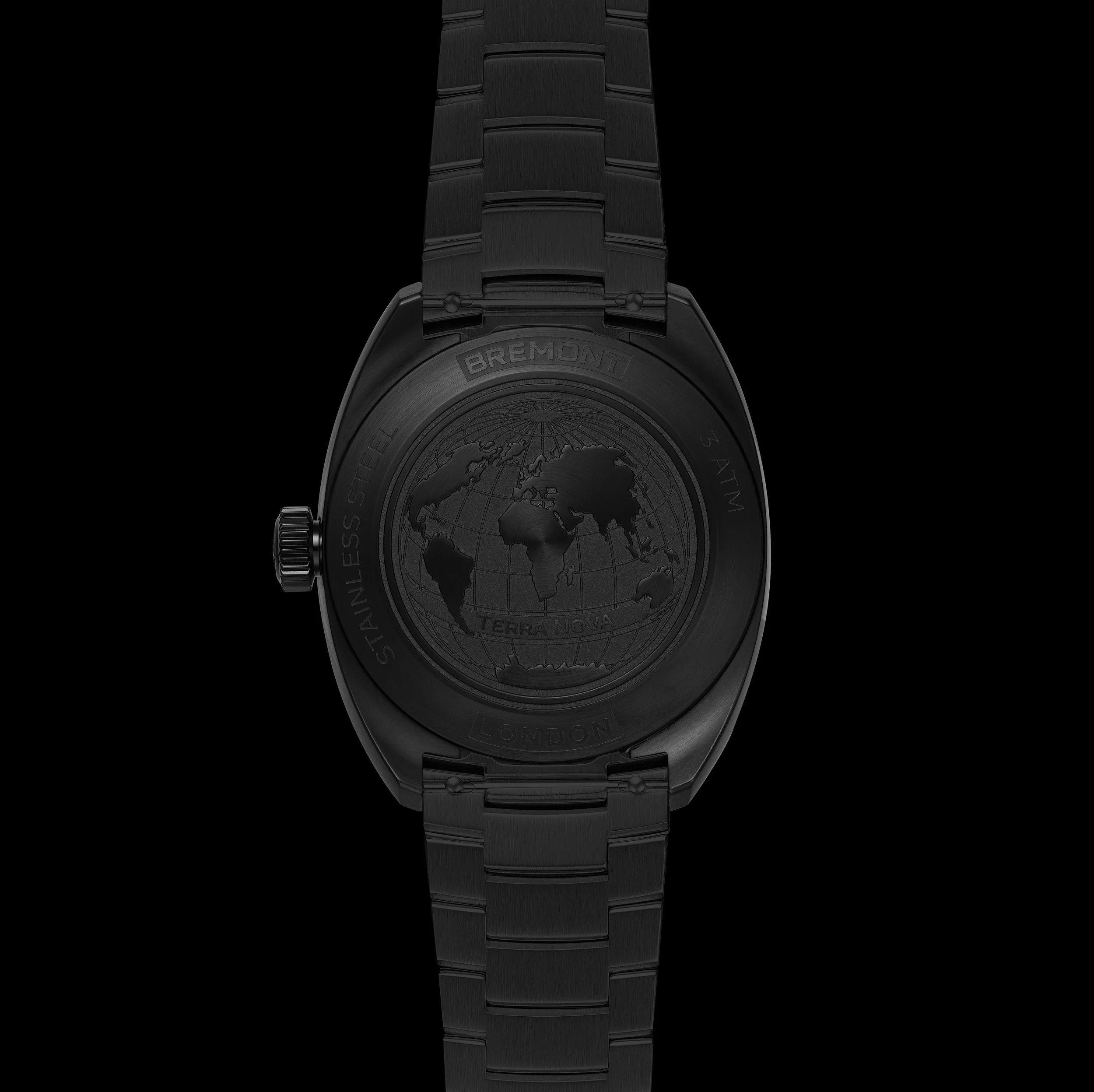
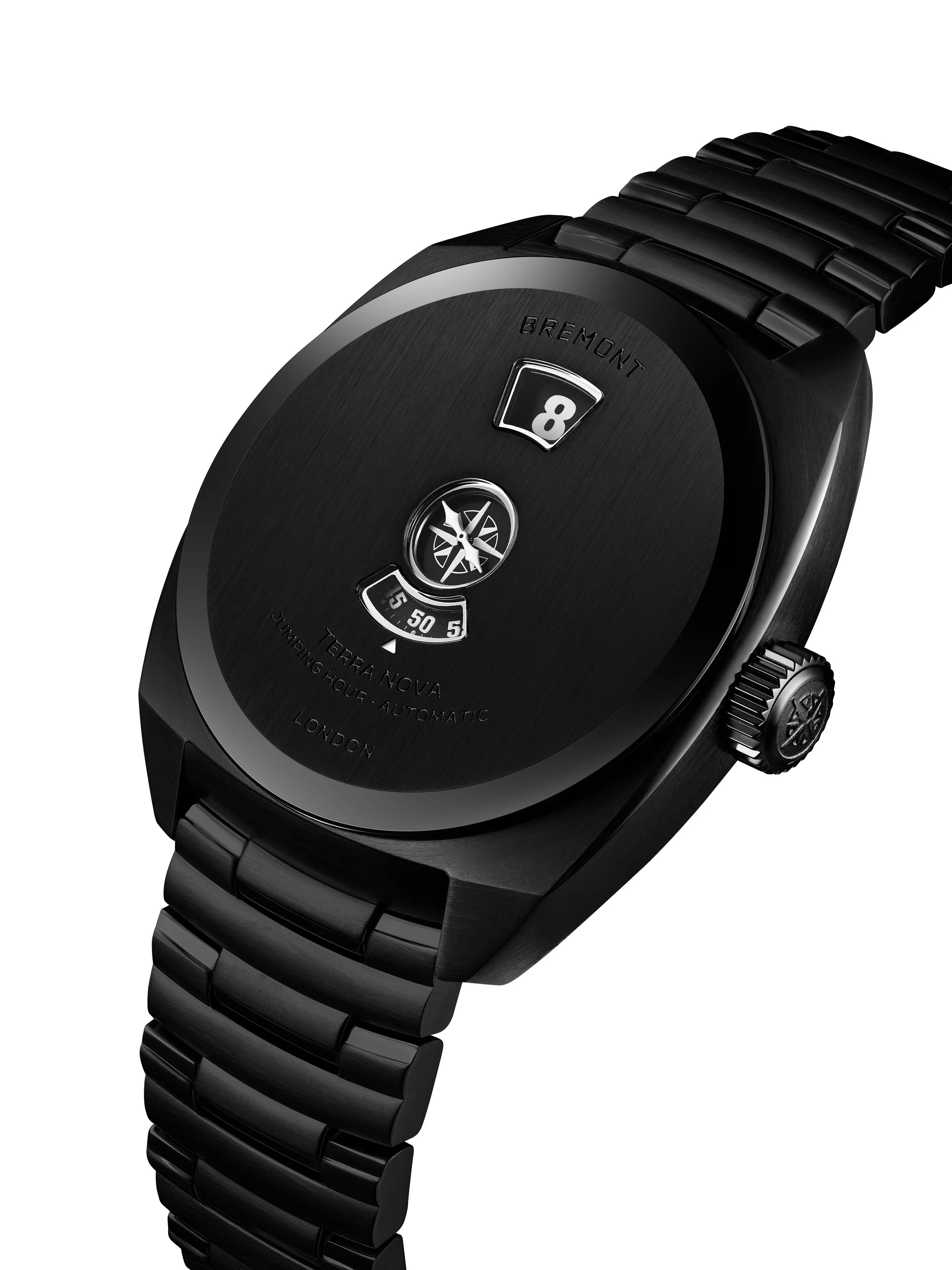
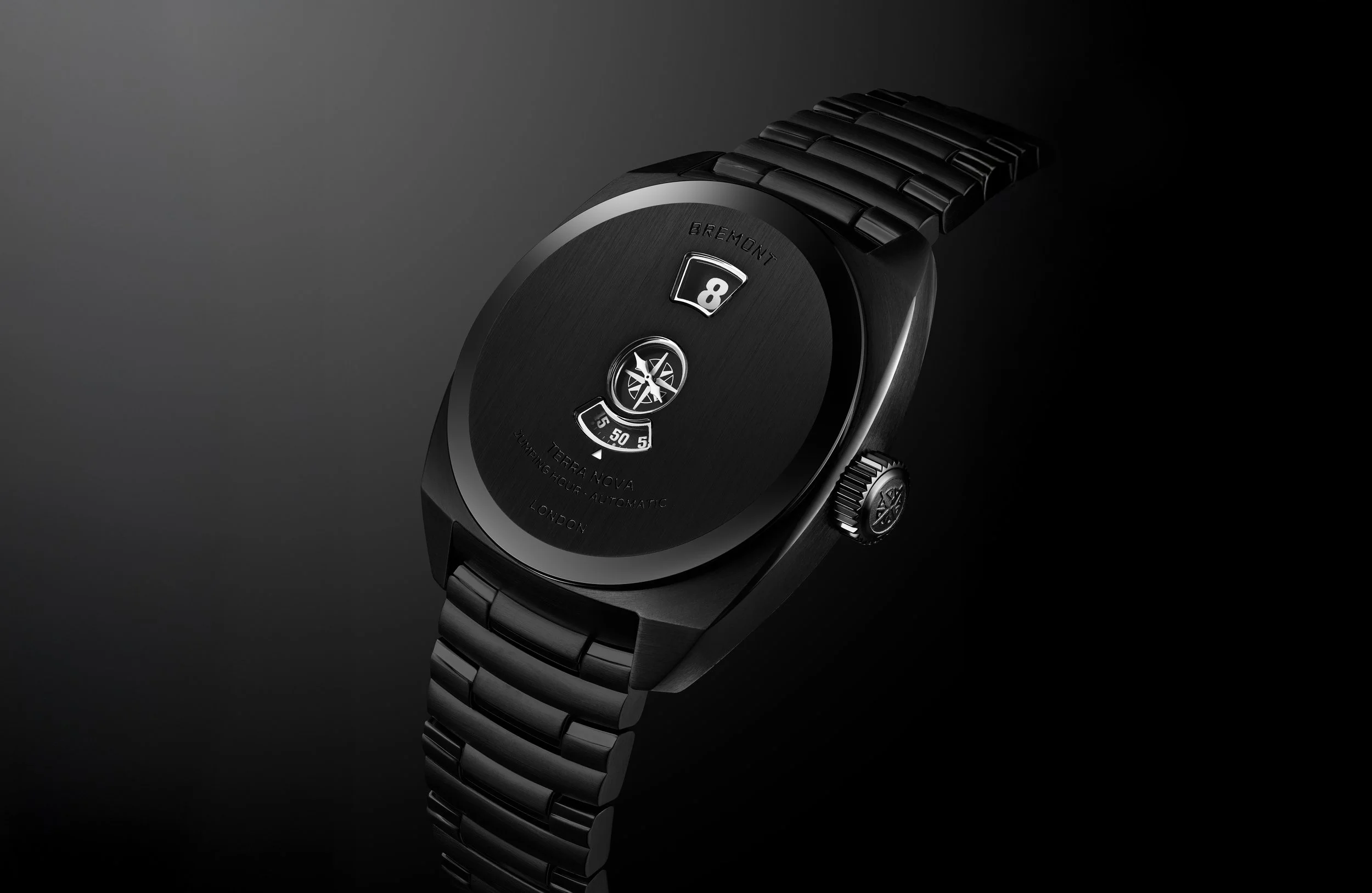
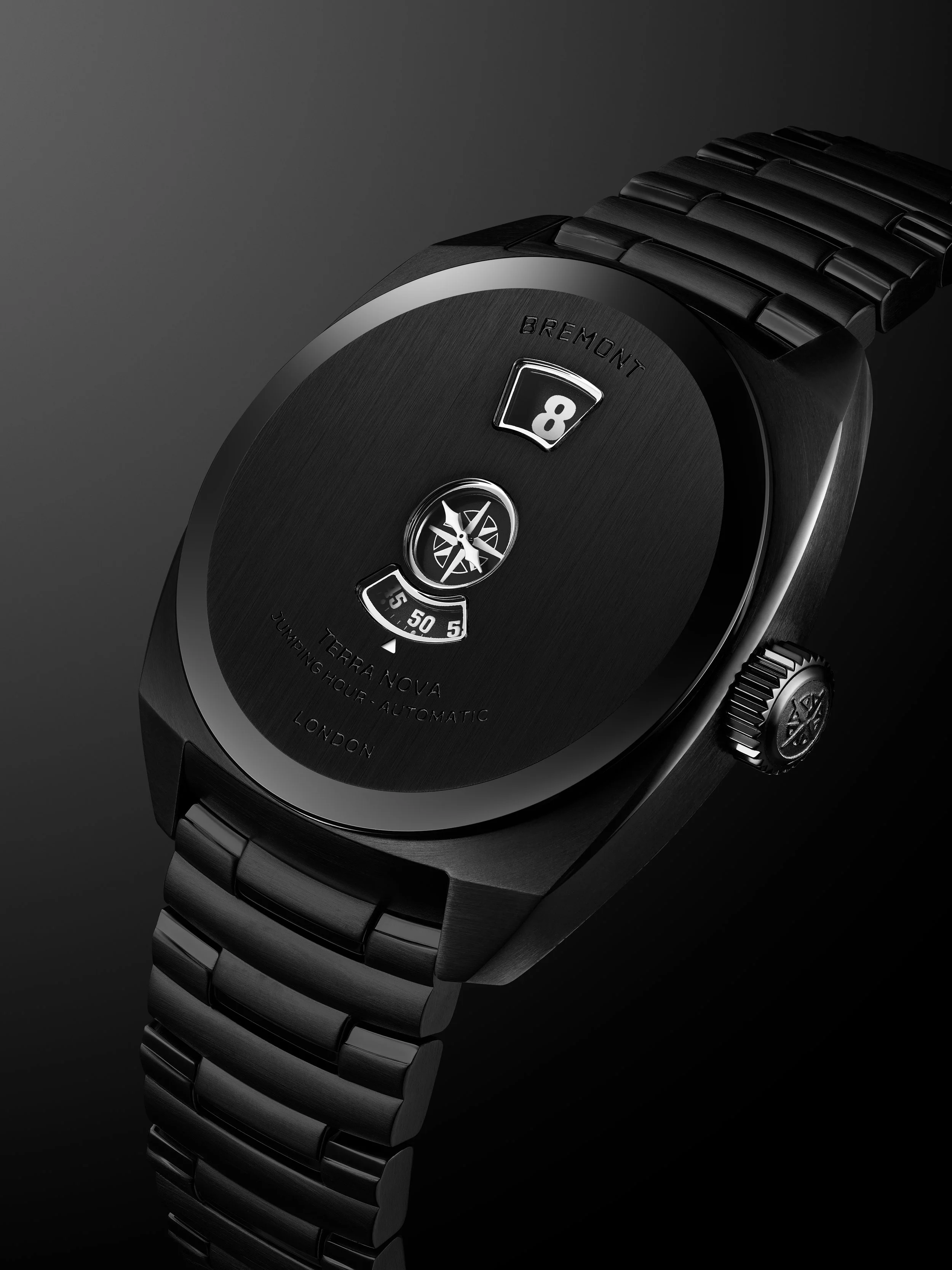
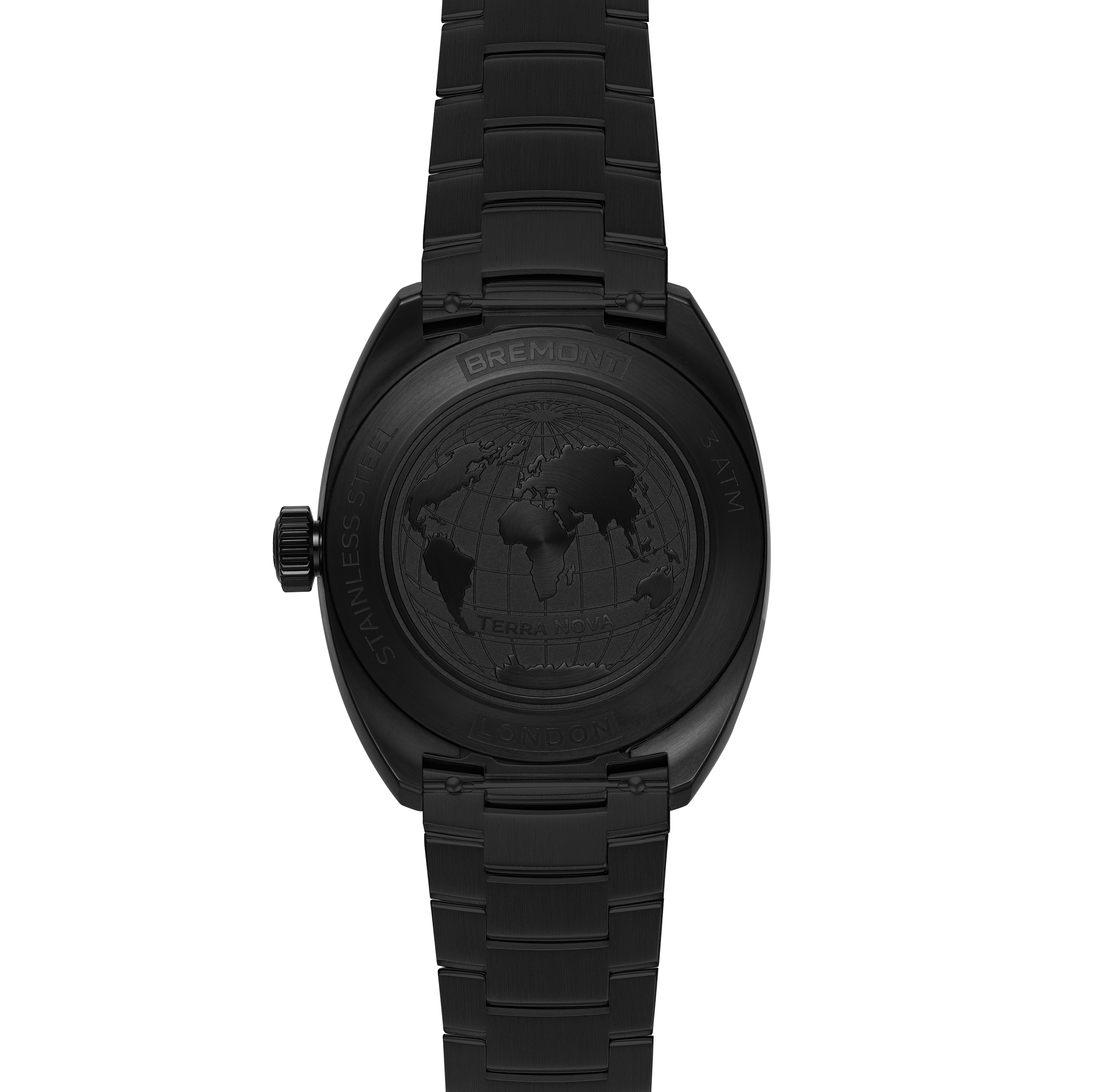
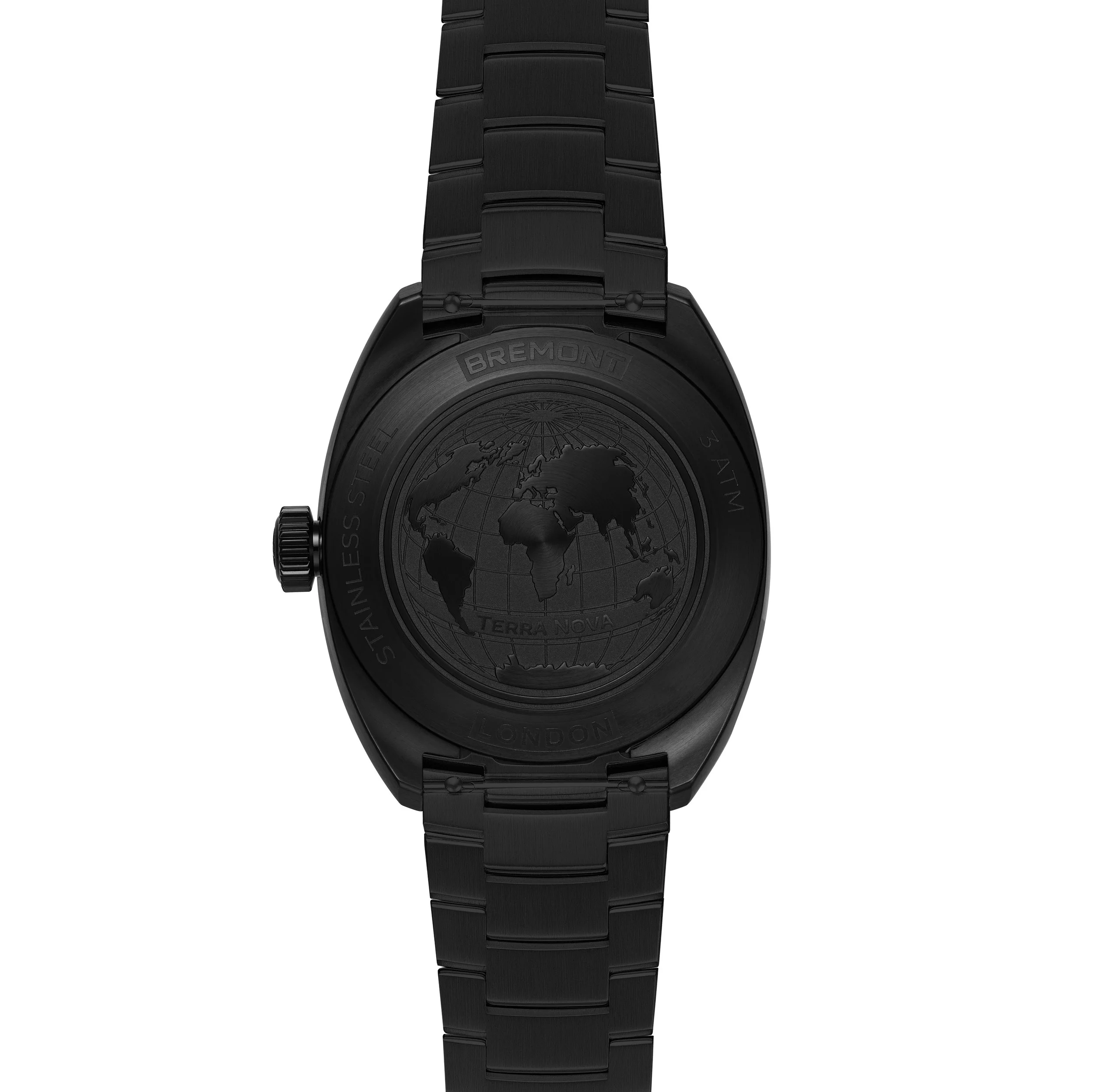
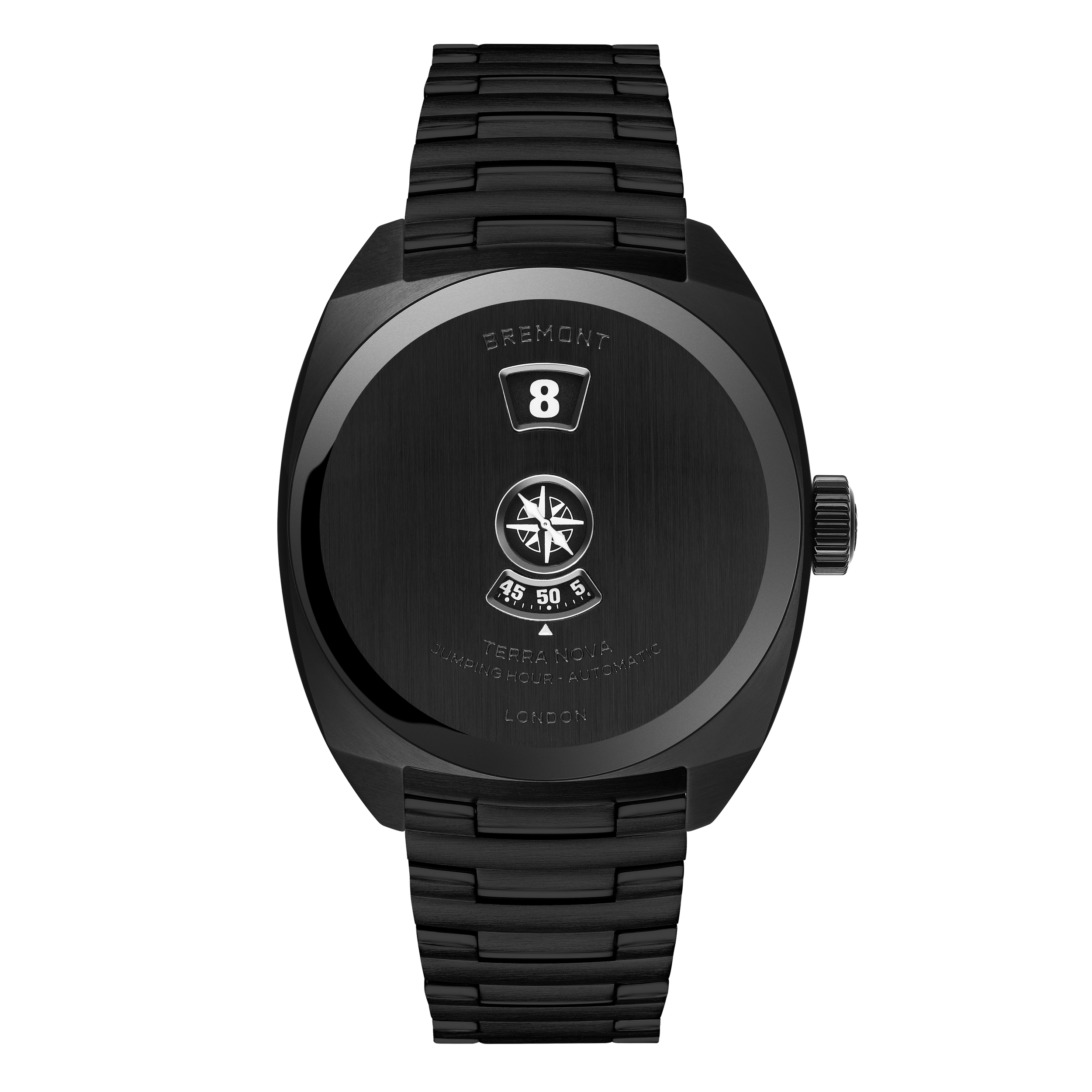
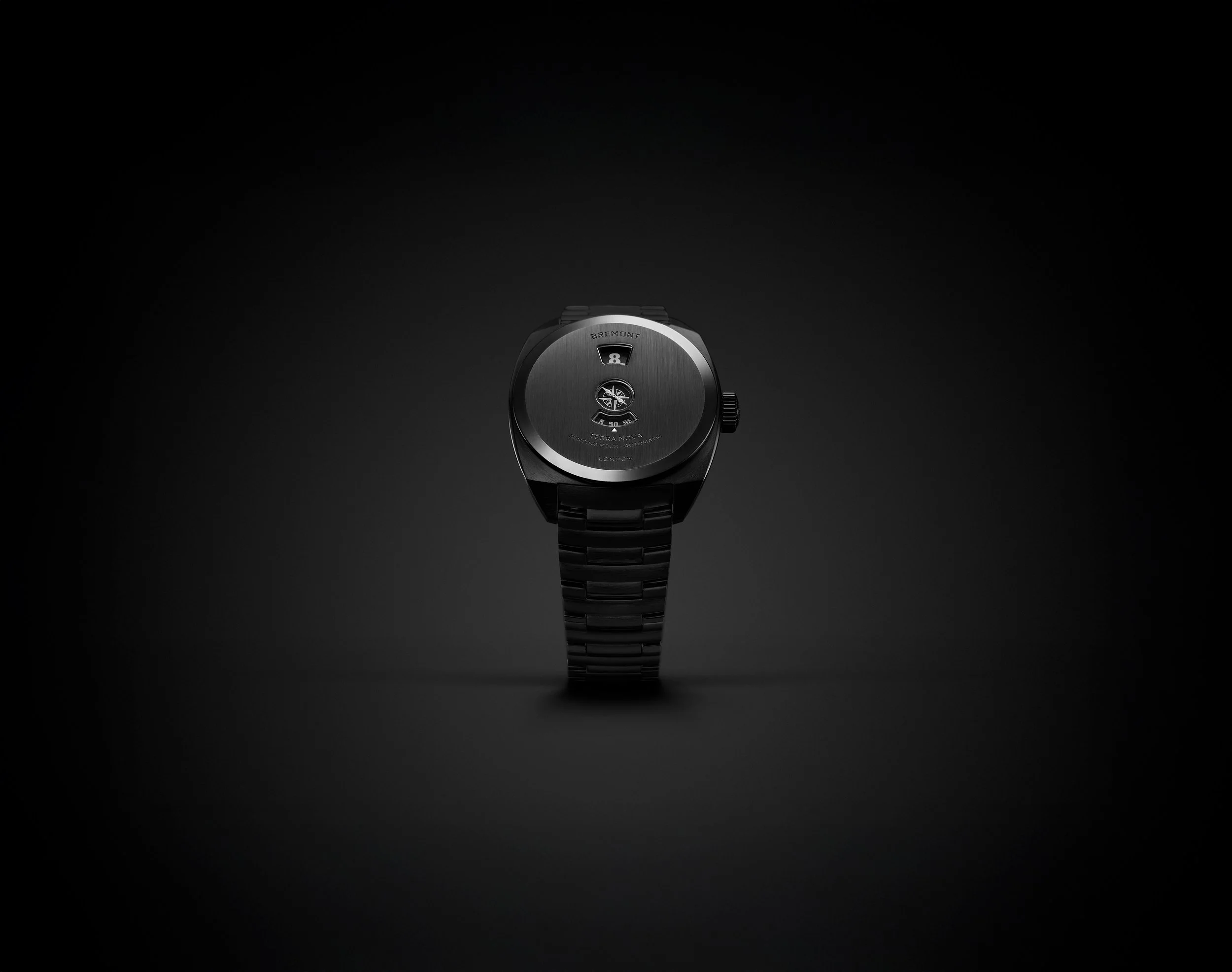
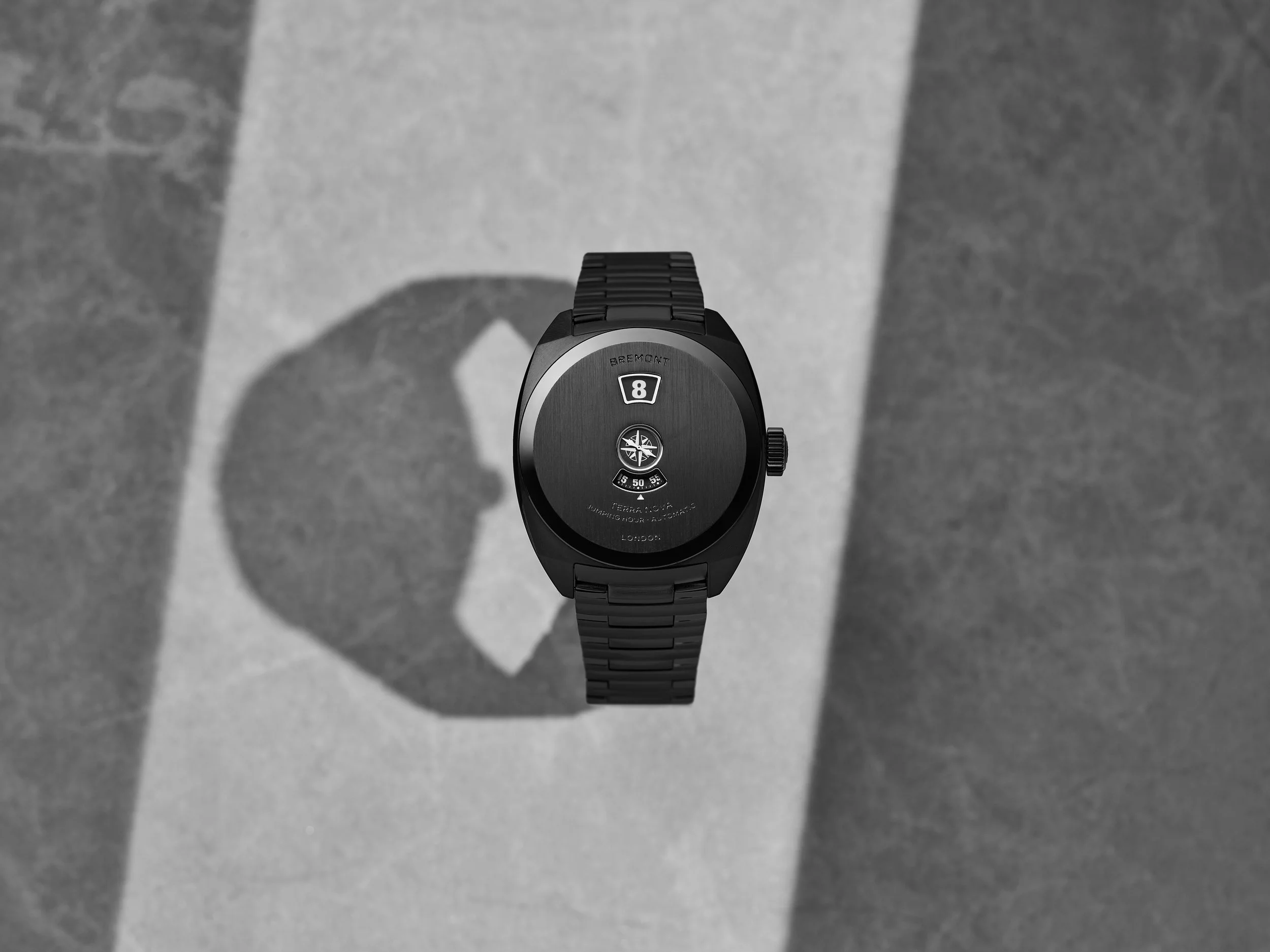
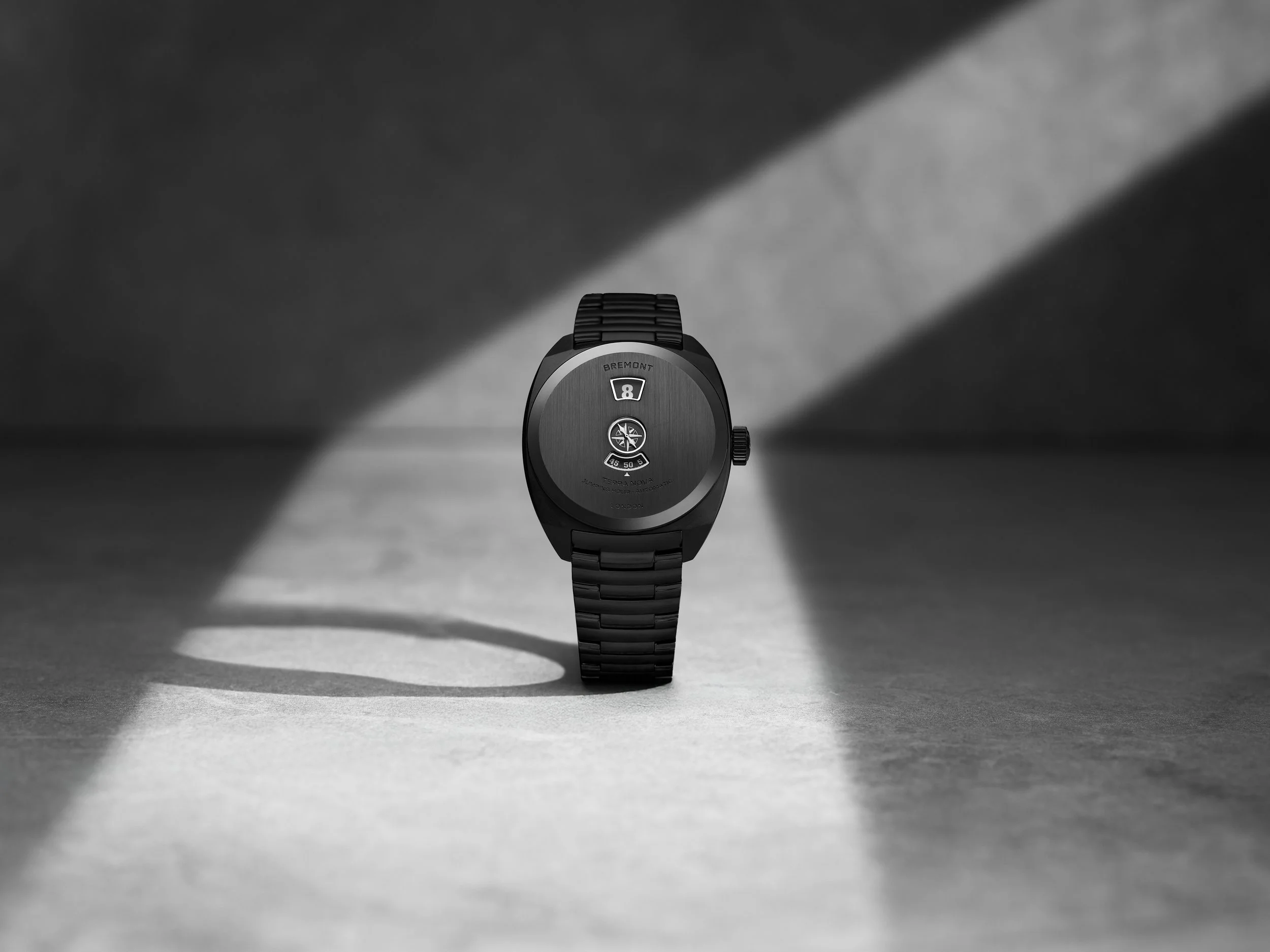
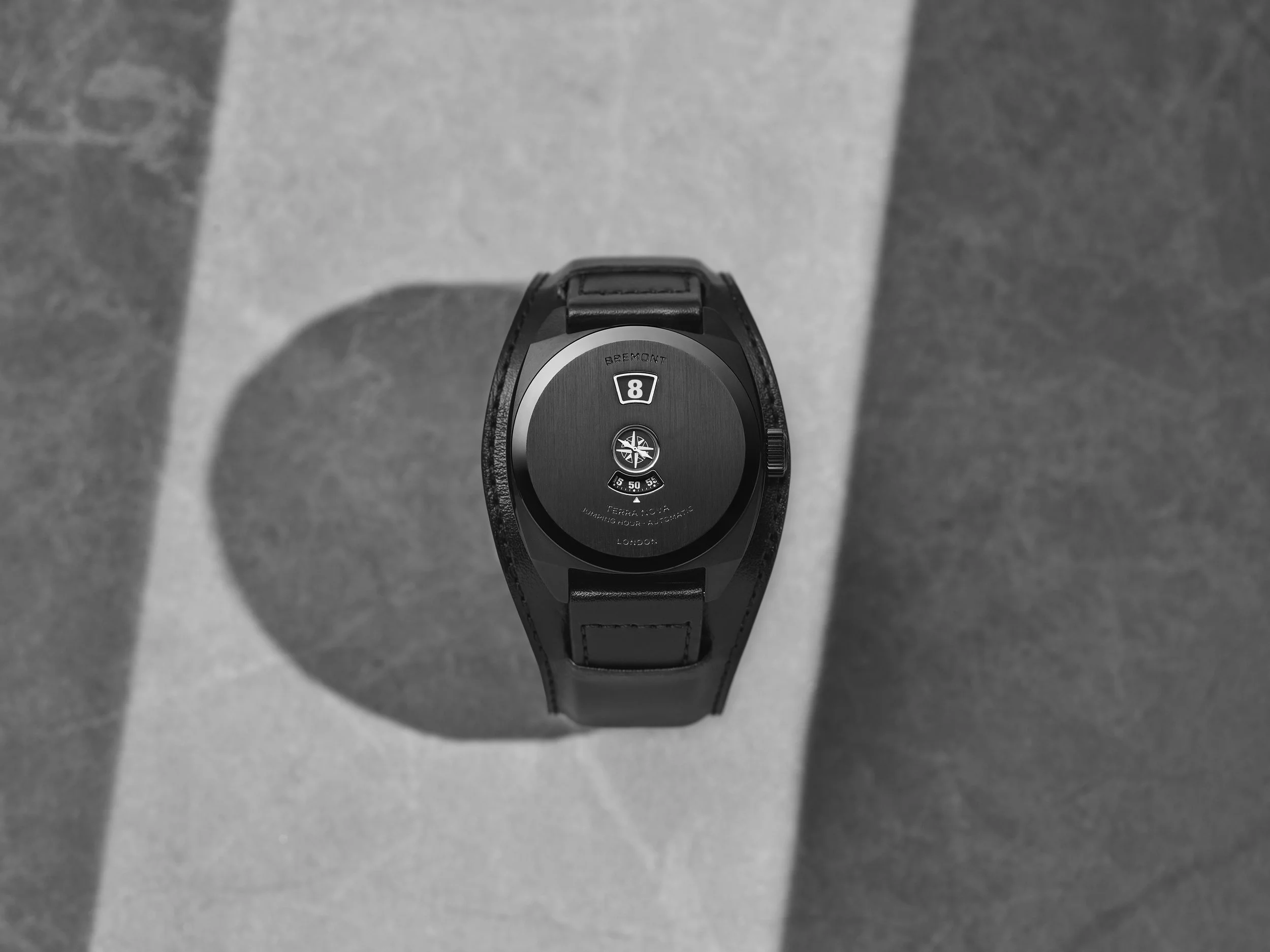
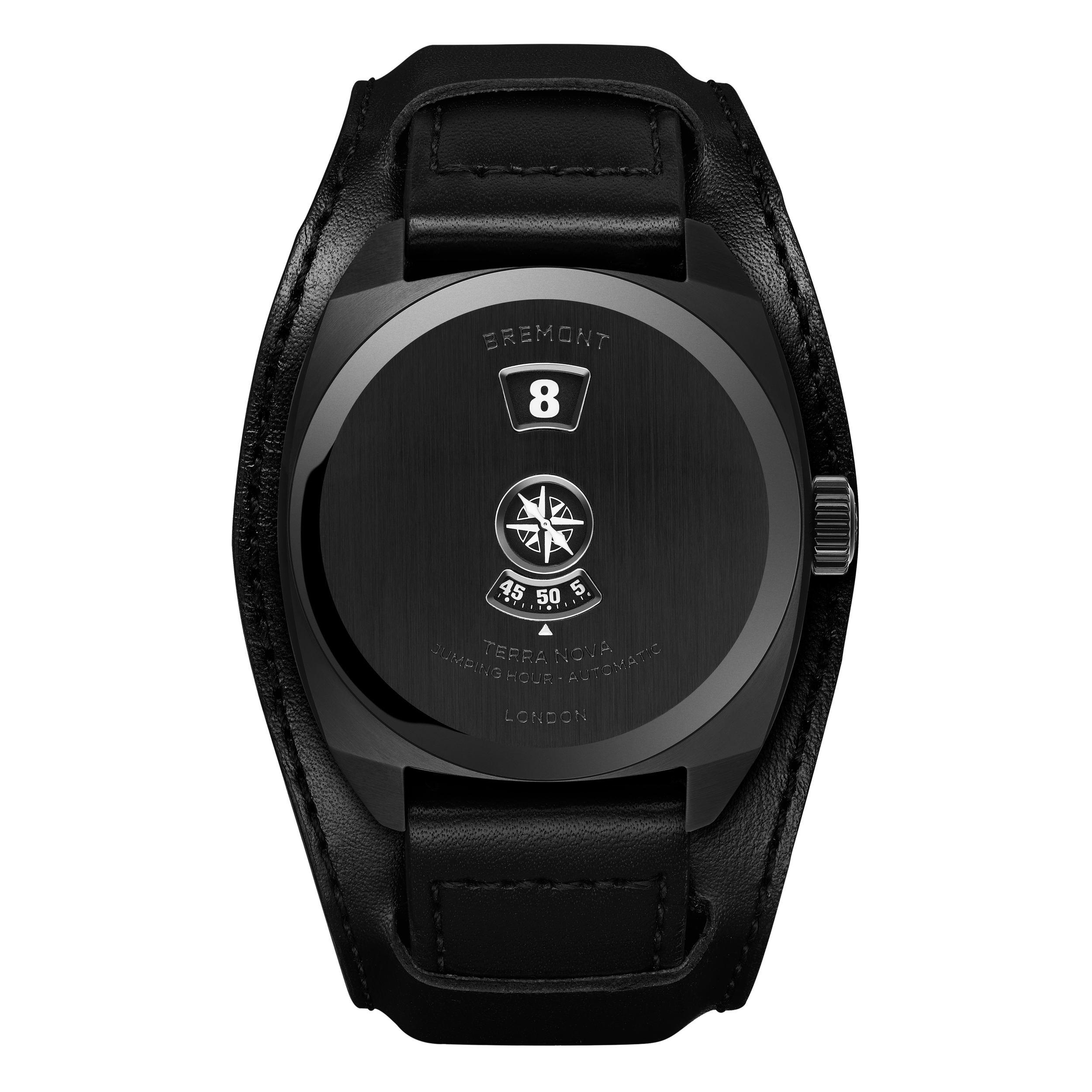
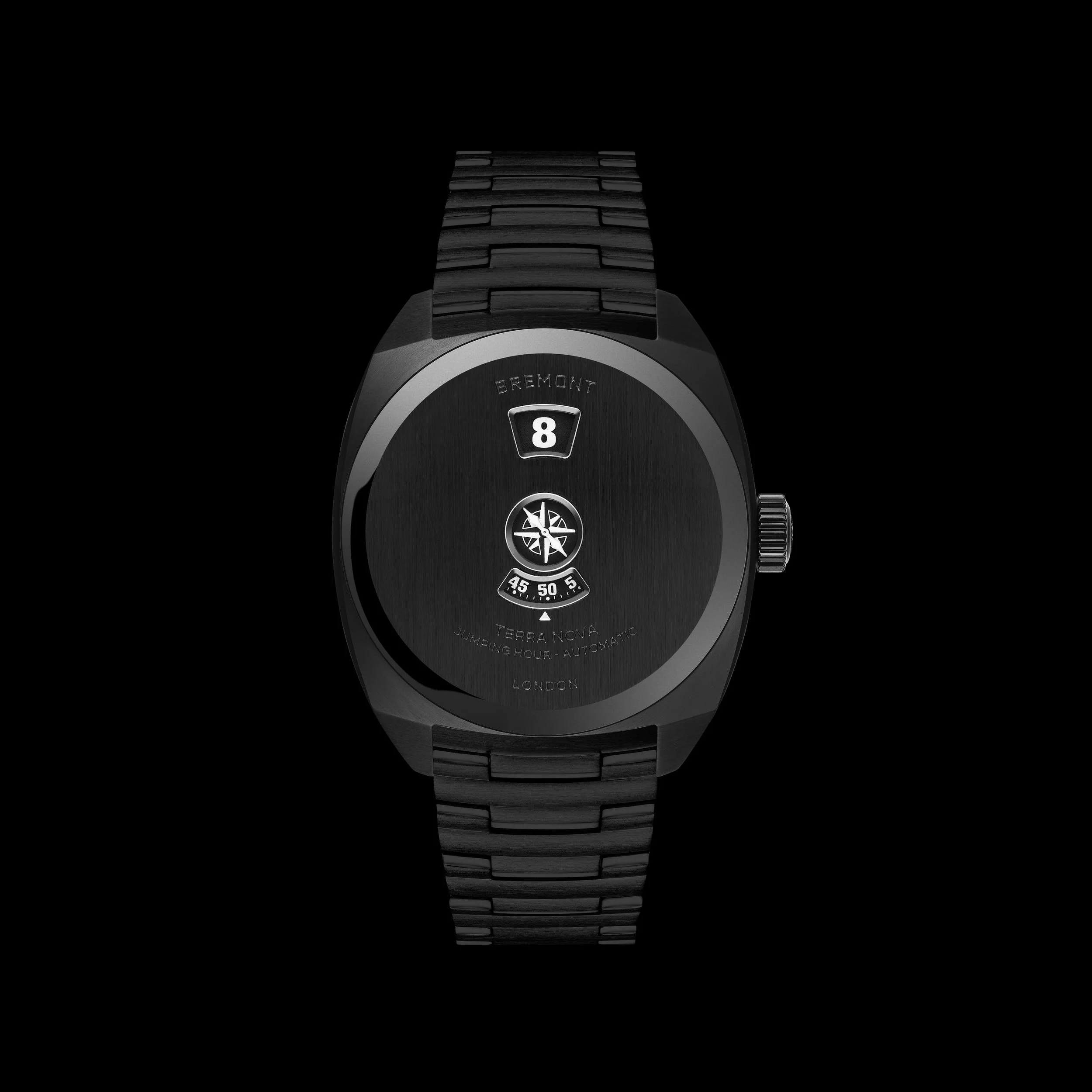
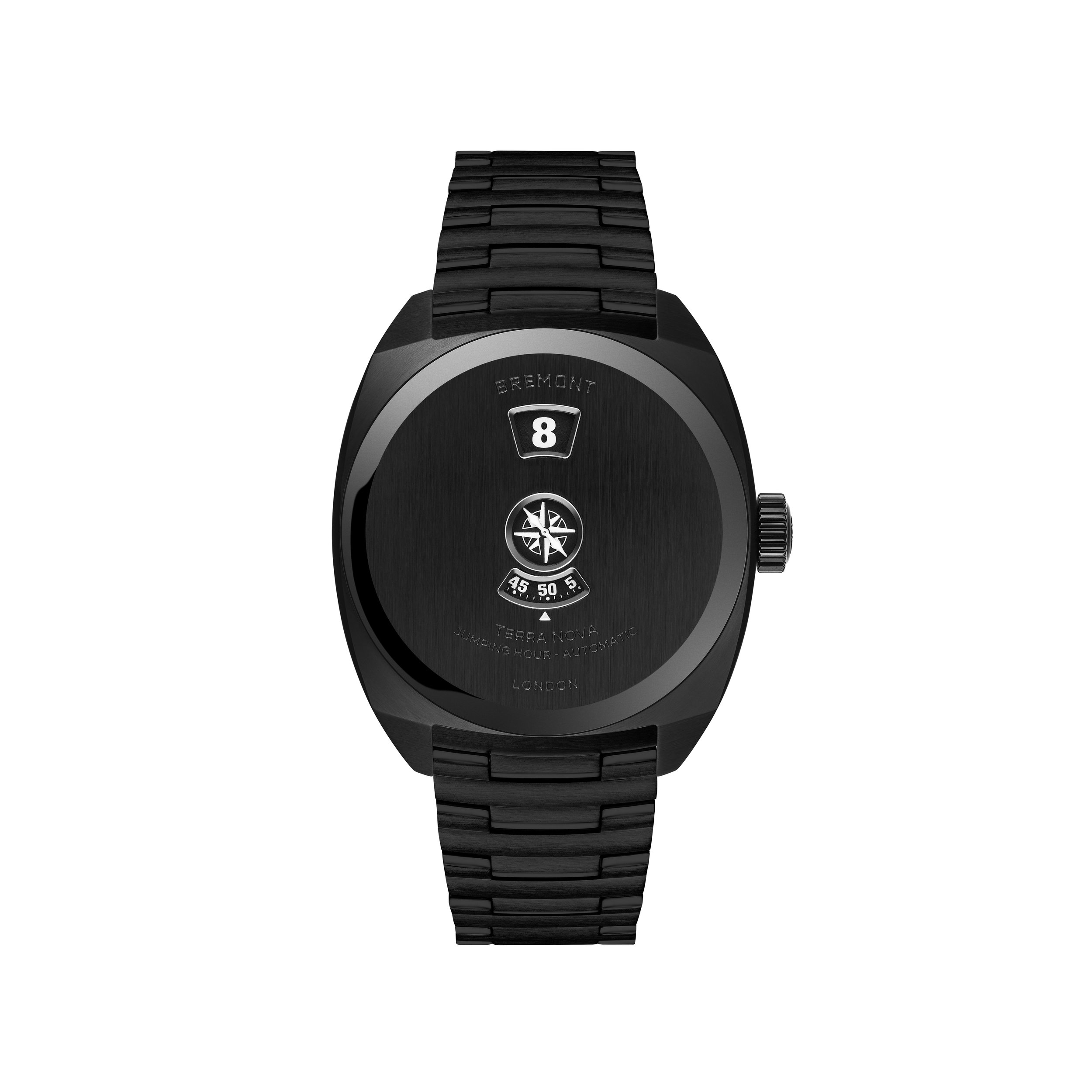
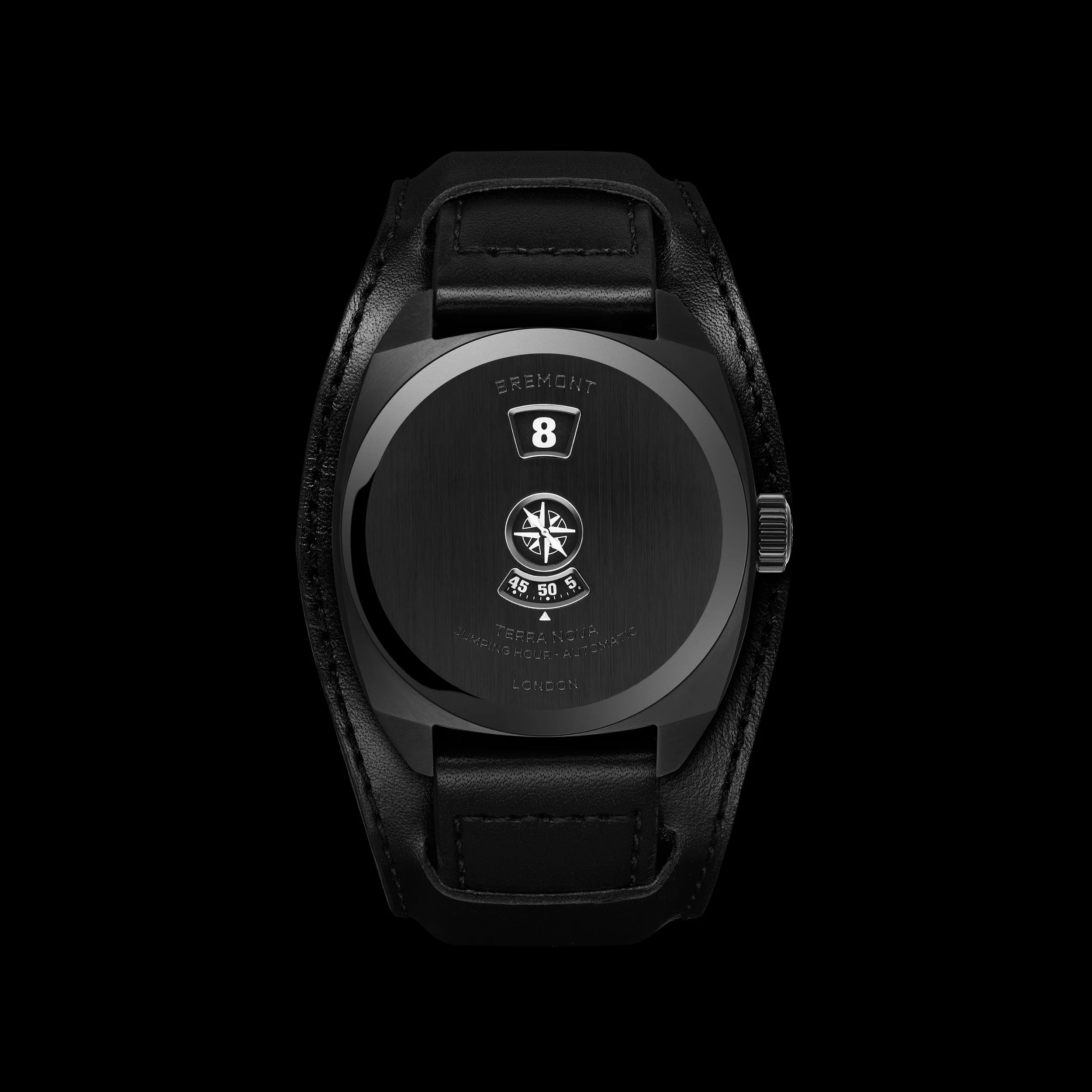
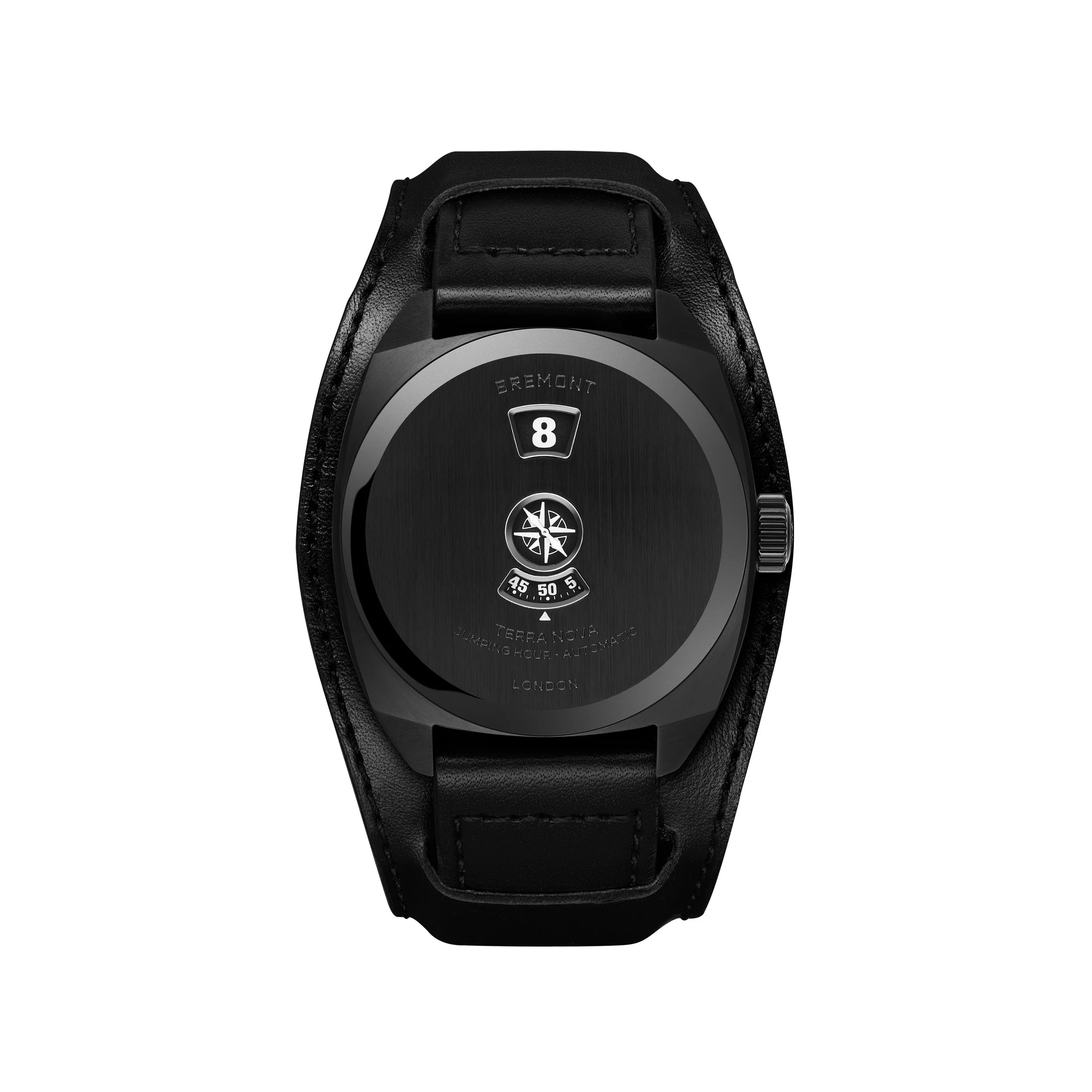
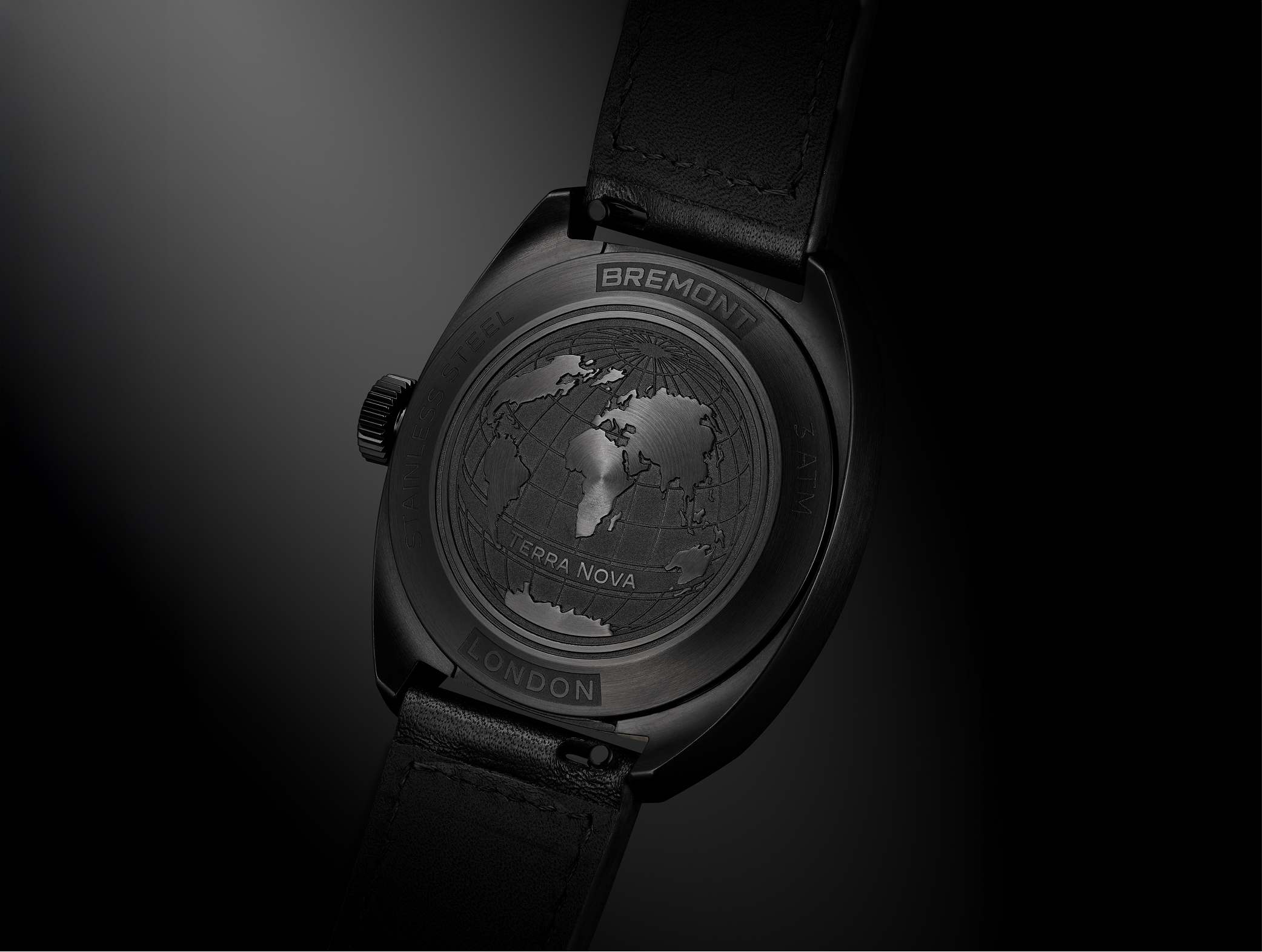
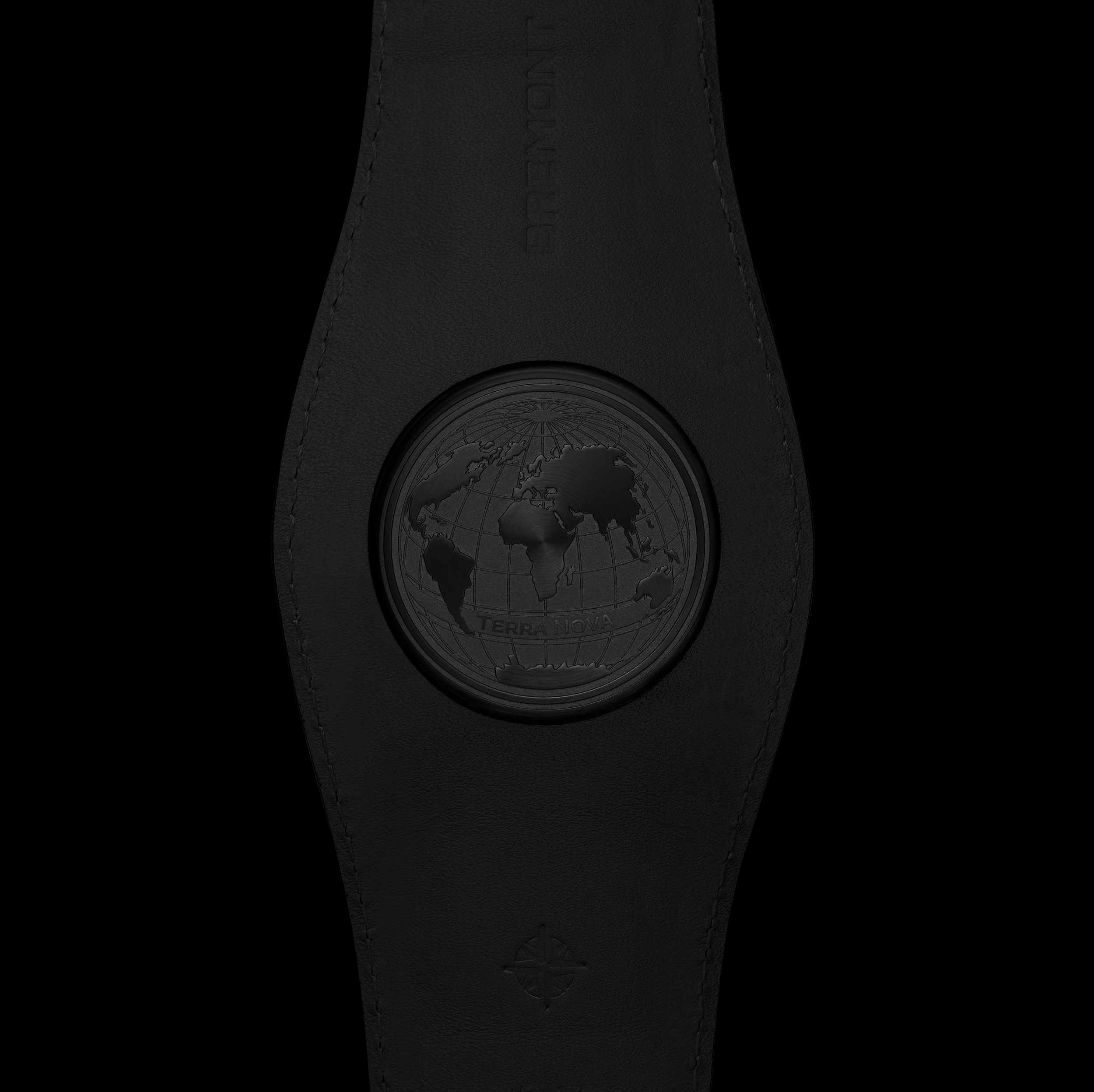
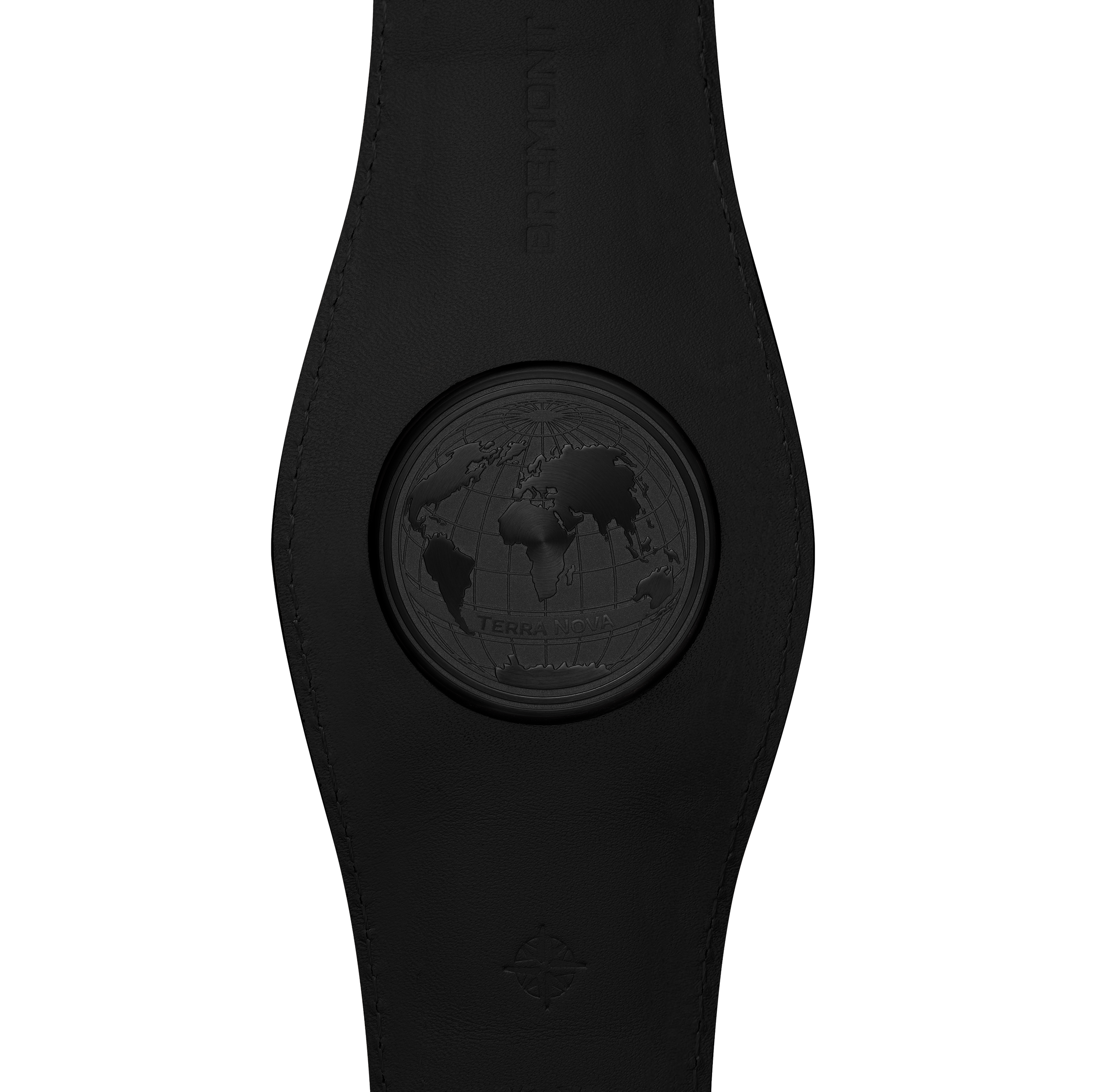
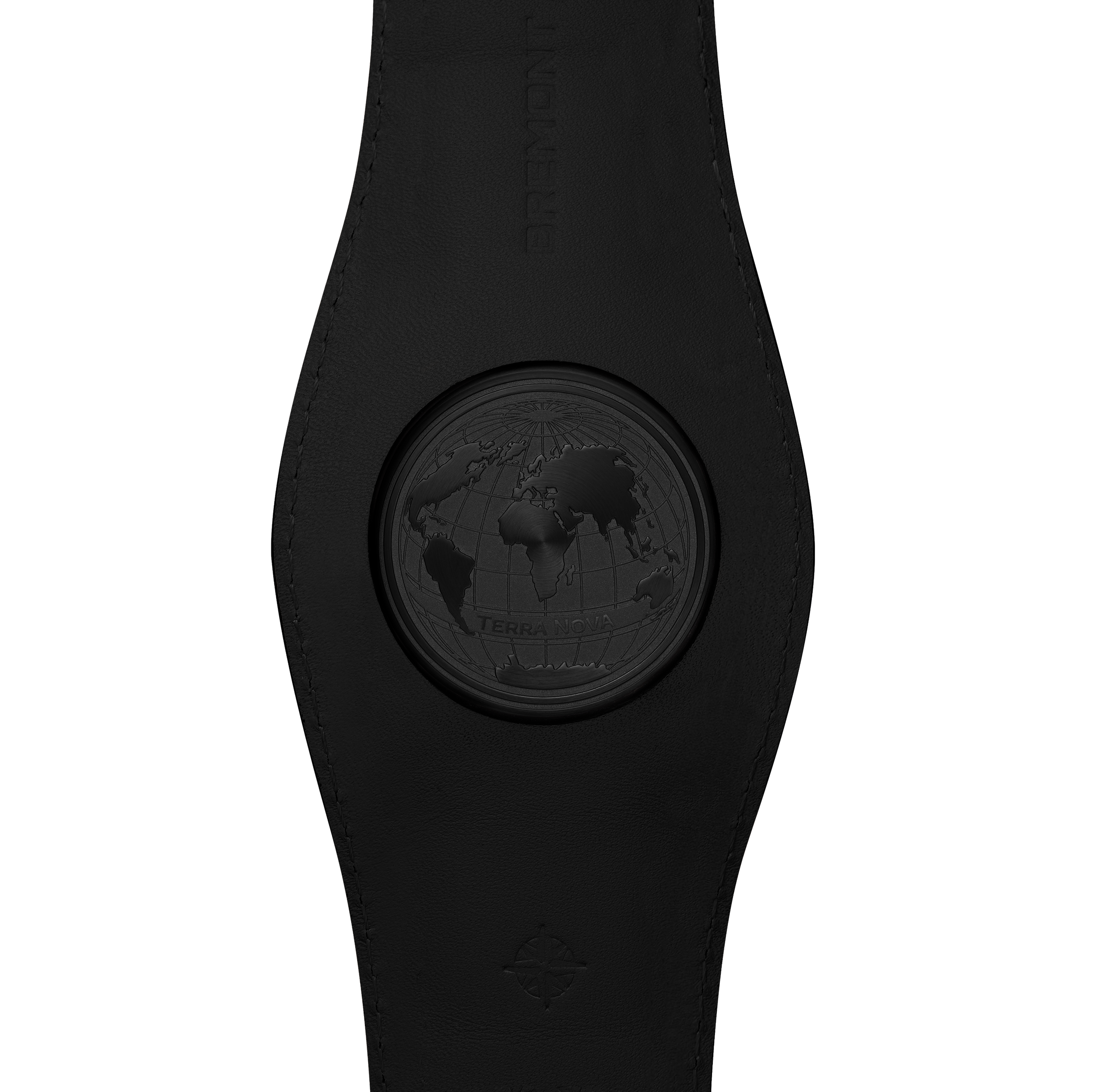
4. Bremont Terra Nova 38 Jumping Hour Stealth Black
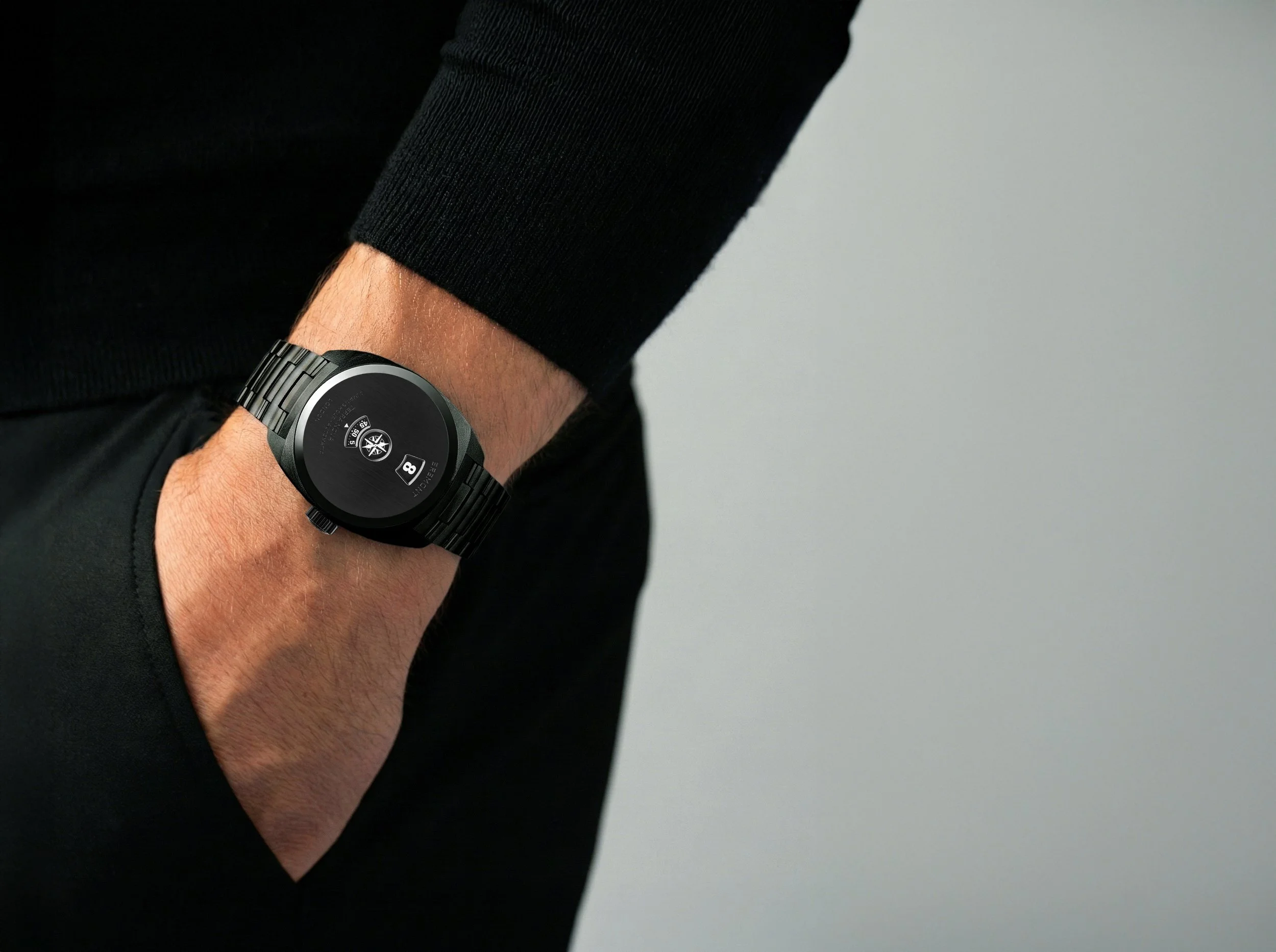
Jumping-hour complications are enjoying a quiet resurgence. Bremont’s 38mm black DLC execution modernizes the Montres à Guichet format while keeping proportions wearable and price positioning accessible. In a disciplined market, mechanical nuance at a rational entry point can outperform louder luxury.
5. TAG Heuer Carrera Chronograph 41mm
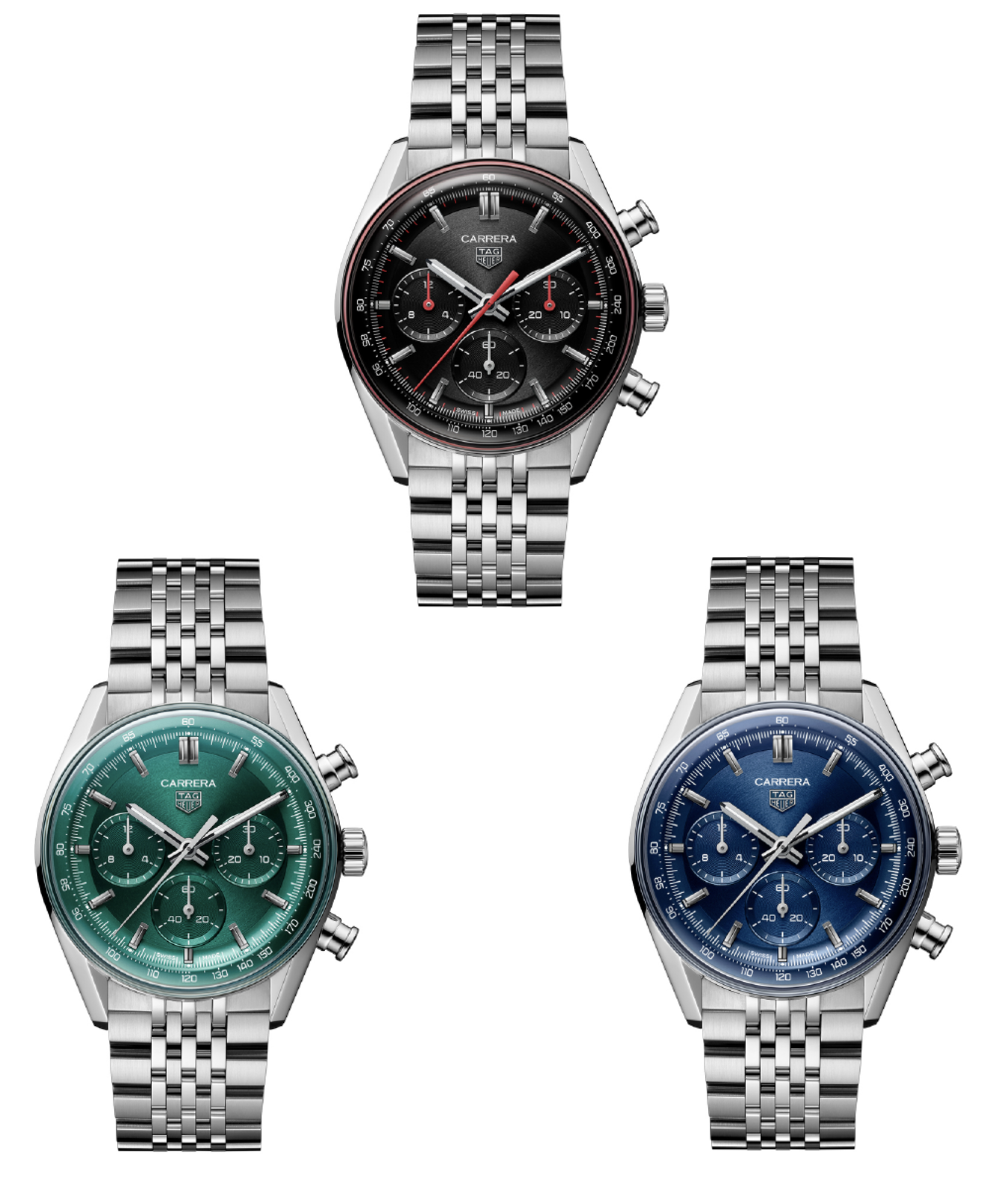
The expanded glassbox design reinforces TAG Heuer’s chronograph-first identity. At 41mm, it balances heritage clarity with contemporary wrist presence—precisely the kind of blue-chip steel chronograph that stabilizes portfolios when sentiment cools.
6. TAG Heuer Carrera Split-Seconds Chronograph
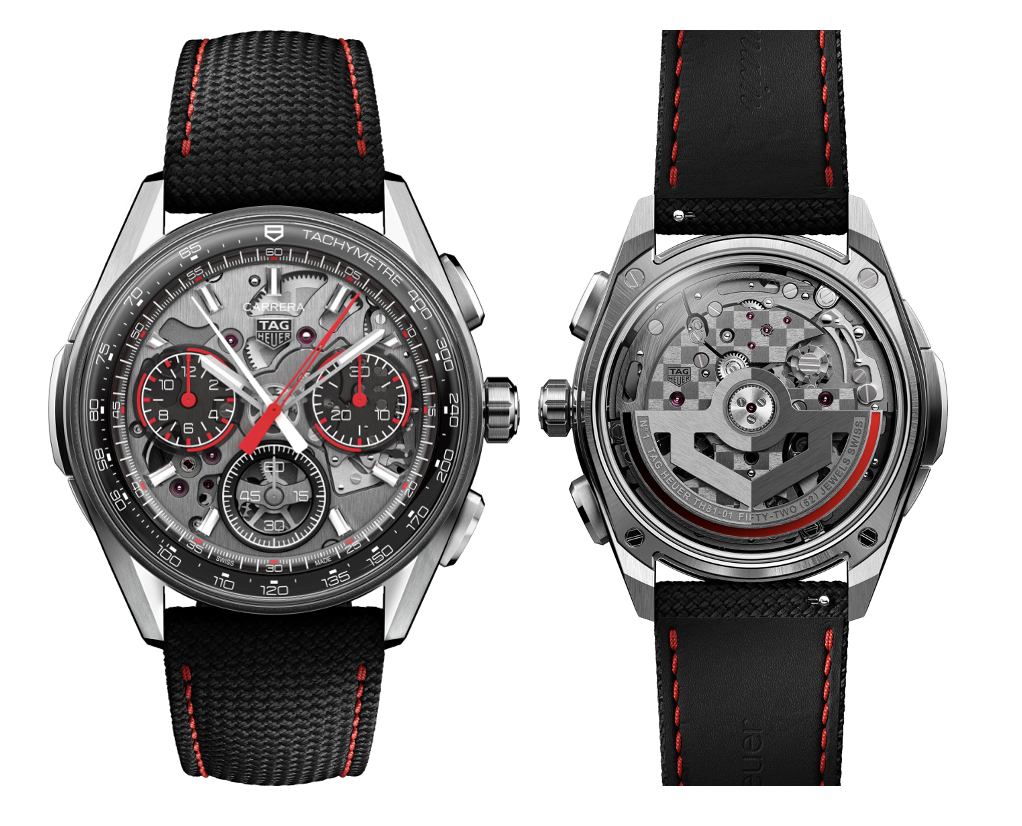
Introducing a rattrapante complication into the Carrera family marks a technical escalation. The grade-5 titanium case and hand-finished calibre position it at the intersection of sport heritage and haute horlogerie—appealing to collectors who increasingly reward substance over speculation.
7. TAG Heuer Carrera Chronograph Seafarer
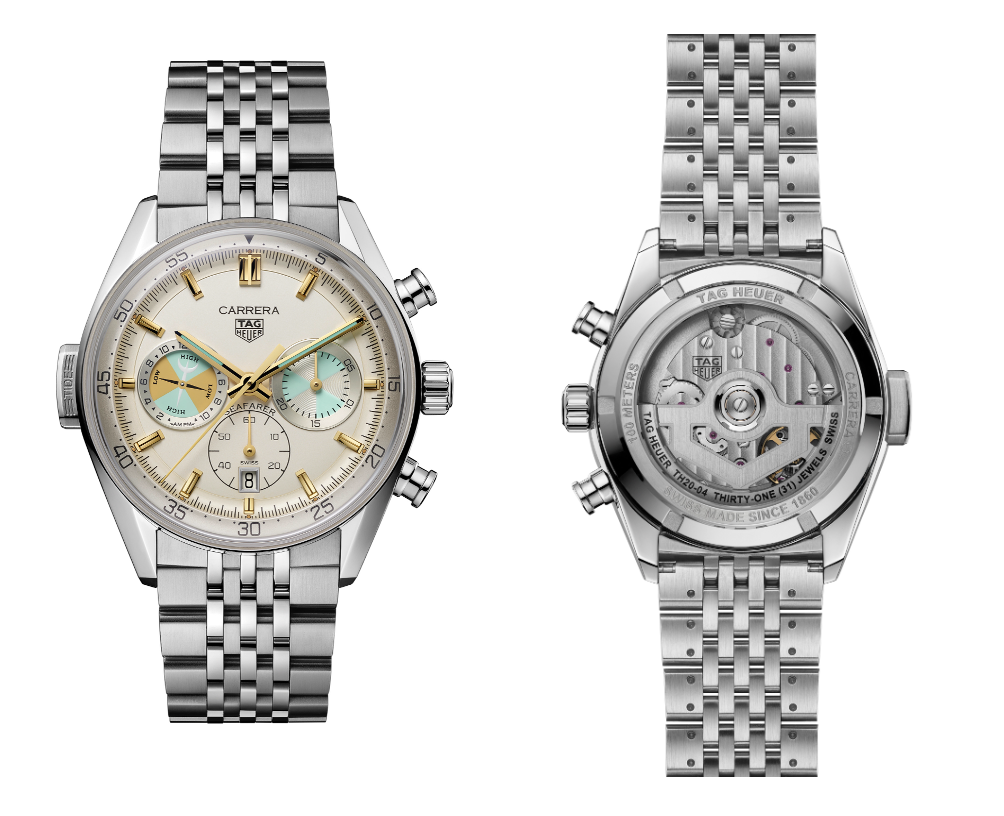
With its integrated tide indicator, the Seafarer reasserts purpose-driven design. Utility complications grounded in real-world application—rather than novelty—align with the market’s shift toward functional authenticity.
A Market Growing Up
If 2022 was defined by velocity and 2023 by correction, 2025—according to Bezel’s data—was defined by filtration. Nearly four out of ten watches failing to clear marketplace standards is not a weakness; it is evidence of maturation.
The launch of prediction markets with Kalshi suggests the next phase: formalized price discovery.
Watches are no longer traded purely on aspiration. They are being valued, benchmarked, stress-tested, and—now—predicted.
HOW DO YOU FEEL ABOUT FASHION?
COMMENT OR TAKE OUR PAGE READER SURVEY
Featured



Bezel’s 2025 report reveals a tightening secondary market with rejection rates climbing to 38%, signaling a return to fundamentals—and spotlighting seven heritage-driven, technically credible watches poised to outperform in 2026.