
What Makes Fine Jewelry Comfortable Enough to Wear Daily
PAGE
By PAGE Editor
Fine jewelry is often described as timeless, precious, or symbolic. Comfort is rarely part of the conversation. Yet comfort is what ultimately decides whether a piece becomes part of daily life or ends up back in its box.
Many people love the idea of wearing fine jewelry every day. For some people, that intention fades during the day. Rings may feel distracting after hours of typing. Earrings that looked fine in the mirror become noticeable by evening. Necklaces can twist or catch in small ways that only show up with movement. These moments are small, but they shape how jewelry is worn over time.
Comfort is not accidental. It is designed.
Comfort starts with proportion, not materials
The most common assumption is that comfort comes from material quality alone. Solid gold instead of plated metal. Diamonds instead of glass. While materials matter, they are not the starting point.
Comfort begins with proportion.
A fraction of a millimeter can change how a ring sits on the finger. A slightly heavier hoop can pull forward instead of resting naturally against the ear. A setting that looks delicate in photos may feel sharp or imbalanced in motion. Jewelry lives on moving bodies, not static displays.
Designers who understand this think in terms of balance rather than appearance. They consider how weight distributes, where pressure points form, and how edges interact with skin. Jewelry that feels effortless usually looks simple, but simplicity hides a surprising amount of calculation.
Craftsmanship is invisible when it is done well
Good craftsmanship rarely draws attention to itself. When a piece is comfortable, nothing stands out. There is no pinching, no snagging, no rough edge to notice. The jewelry simply stays where it belongs.
This kind of craftsmanship happens in details that are easy to overlook. Smooth inner surfaces. Even stone spacing. Prongs that are rounded and finished rather than sharp. Closures that hold securely without stiffness. These details are not decorative. They are functional.
Poor craftsmanship announces itself quickly. Earrings that irritate the skin. Rings that scratch adjacent fingers. Clasps that require constant adjustment. When this happens, the problem is not taste or preference. It is construction.
Design decisions shape daily wear
Comfort is also influenced by design choices that go beyond how a piece looks at rest.
Settings that sit too high catch on clothing and hair. Sharp angles feel modern but can create friction. Overly thin bands may look elegant but concentrate pressure in ways that cause fatigue. None of these issues appear in product photos.
Designers focused on daily wear tend to favor forms that move with the body. Rounded profiles. Secure settings. Proportions that feel stable rather than fragile. These choices do not limit creativity. They refine it.
The result is jewelry that can be worn from morning to night without awareness. That absence of awareness is the goal.
Quality matters where jewelry touches the body
Material quality plays its role once design and craftsmanship are in place. Jewelry worn daily stays in constant contact with skin, fabric, and motion. Lower quality metals can react, discolor, or irritate. Inconsistent stone quality can create uneven surfaces that snag over time.
High clarity diamonds often feel smoother in wear because their surfaces and edges are more consistent. Solid gold and platinum behave predictably against the skin and age without peeling or flaking. Lab grown diamonds, when held to strict standards, allow designers to maintain uniformity across stones, which supports both comfort and longevity.
This is less about luxury as status and more about reliability. Daily wear exposes every weakness. Quality determines whether those weaknesses appear quickly or not at all.
A modern approach to wearable fine jewelry
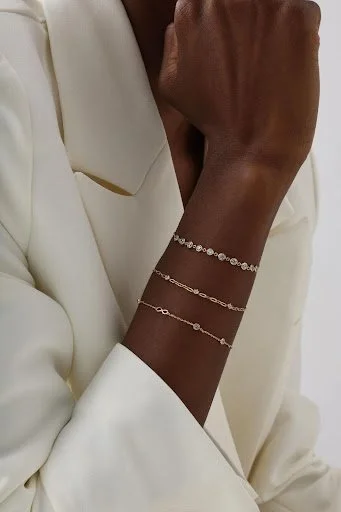
As expectations around daily wear increase, some brands design with these realities in mind rather than treating comfort as an afterthought. Leonids Jewelry, for example, approaches fine jewelry through proportion, finishing, and consistency. By working with high clarity lab grown diamonds and focusing on balanced design, the brand emphasizes pieces that remain comfortable through regular movement and long hours of wear.
This approach reflects a broader shift in how fine jewelry is designed. Instead of asking how a piece looks in isolation, the question becomes how it behaves over time.

Why comfort changes how jewelry is valued
Jewelry that stays on the body develops a different kind of value. It becomes familiar. It carries memory through repetition rather than occasion. Pieces worn daily often matter more than those saved for milestones, even if their symbolism is quieter.
As people build smaller, more intentional wardrobes, jewelry follows the same logic. Fewer pieces, worn more often. In that context, comfort becomes essential. A piece that feels right earns its place. A piece that does not quietly disappears.
The future of fine jewelry is lived in
Comfort is not a trend. It is a requirement for jewelry that hopes to last beyond a moment.
Designers who prioritize wearability create pieces that integrate into daily life instead of interrupting it. Craftsmanship that goes unnoticed allows jewelry to feel natural rather than precious. Quality ensures that daily wear does not become daily compromise.
Fine jewelry that is comfortable enough to wear every day does something subtle but important. It stops asking for attention and starts belonging.
HOW DO YOU FEEL ABOUT FASHION?
COMMENT OR TAKE OUR PAGE READER SURVEY
Featured




Asphalt surfaces are widely used for driveways, parking lots, roadways, and walkways because they offer strength, affordability, and long-term performance.