
What Sets Modern Dentistry Apart From Routine Clinics
PAGE
By PAGE Editor
Recent years have seen several unprecedented advancements in oral care. Modern dental practices incorporate new methods that set them apart from traditional dental clinics. This understanding will help patients make informed decisions about their dental care.
Advanced Technology in Dental Care
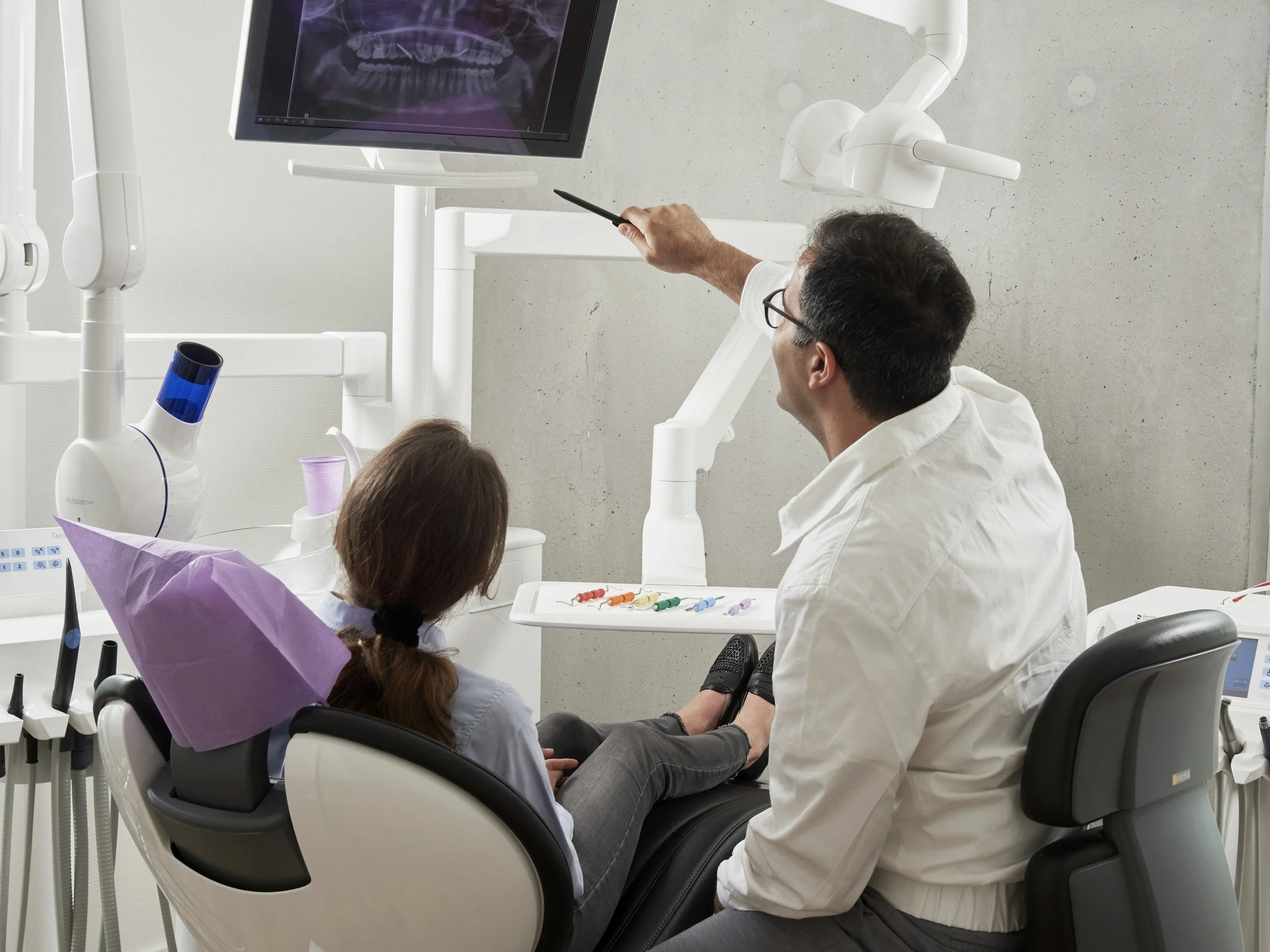
Modern technology in NS Power Dental equipment enables patients to receive accurate, well-placed care during dental procedures. With digital imaging, results are instant and clear, allowing you to reduce the number of in-person visits you need. An intraoral camera is another tool for dentists to identify any problems at an early stage and also make consultations more engaging.
Comprehensive Las Vegas dentistry services cover general, cosmetic, and restorative dental needs. Several types of modern diagnostics provide accurate data enabling better, more targeted treatment. Early detection can prevent the pitfalls of dental problems. Patients can rest assured about hygiene and safety with sterilization techniques taken to the next level.
Patient-Centered Approach
A dental office today focuses on each person. Dentists take the time to listen to concerns and develop a personalized care plan for each situation. This strategy helps build trust and strengthen relationships between patients and providers through honest discussions.
We create a welcoming environment to ensure patients feel comfortable and at ease. Many people, however, practice modern dentistry that includes features such as soothing music or relaxing décor to create a less stressful atmosphere. Staff members undergo in-depth training to handle patients with dental anxiety gently and patiently.
Emphasis on Preventive Care
Modern dentists focus much more on prevention than on waiting until problems arise. These lower the chances of cavities and gum disease. Patients are trained in proper oral hygiene to maintain satisfactory oral health outside the office.
Preventive measures include fluoride applications, dental sealants, and customized advice on diet and oral hygiene. Early intervention is key to preventing more invasive procedures later. The long-term outcomes of prevention are beneficial for all.
Holistic Health Integration
This dentistry discipline now appreciates the close link between oral health and well-being. Dentists consider how existing medical conditions, such as diabetes or heart disease, may affect a dental treatment plan. Thinking about care this way ensures safety and effectiveness, even in complex patient cases.
Comprehensive care is only achievable by collaborating with other healthcare providers. Dentists consult physicians to assess overall health. Such collaborative care helps ensure improved health outcomes and decreased risk for complications.
Cosmetic Dentistry and Aesthetic Solutions
Modern-day dental practitioners provide extensive aesthetic options. With teeth whitening, veneers, and invisible aligners, men and women are finding it easier to enhance their smiles. The materials used here appear to be very natural yet durable.
Aesthetic care extends beyond appearance and often improves function and confidence. Smiling is much more comfortable and can help with social and professional interactions. New-age alternatives support both hair and oral health.
Minimally Invasive Procedures
Improvements in technology have now made treatments less invasive. Lower discomfort, shorter recovery times, and reduced anesthetic requirements have been documented among patients. The device enables more accurate work, mechanically sparing the area of impact, and the laser eliminates infection on its own without touching surrounding tissues.
They are less disruptive to daily activities due to shorter recovery times. Patients can return to normal life more quickly, and, by extension, dental care is more convenient for those with busy schedules. Additionally, complications after certain post-treatments will be reduced, as a less invasive method will be used.
Personalized Care and Education
Patient education is now a major part of a dentist's role. They raise awareness of oral care, balanced food intake, and regular checkups. Personalized recommendations enable individuals to take control of their dental hygiene.
The care plans are personalized based on lifestyle, medical history, and preferences. Such personalized care enables patients to achieve their goals more effectively. Informing patients is likely to improve their outcomes and increase their satisfaction with their care.
Conclusion
Modern dentistry distinguishes itself through innovation, a patient-centric focus, and a holistic approach. These traits lead to better experiences and healthier outcomes for everyone. When visiting a modern dental office, you will also pay attention to comfort, safety, and long-term health.
HOW DO YOU FEEL ABOUT FASHION?
COMMENT OR TAKE OUR PAGE READER SURVEY
Featured





You spend two hundred, three hundred, sometimes five hundred dollars on a perfume from a famous luxury brand.