
I Have Contact Dermatitis - Can I Use Mineral Sunscreen?
PAGE
By PAGE Editor
TL;DR: Mineral sunscreens with zinc oxide or titanium dioxide are generally the safest bet for contact dermatitis because they don't contain the chemical filters that usually trigger reactions.
If you've got contact dermatitis, your skin is prone to having problems with stuff other people don't even notice. Things like nickel in jewelry, certain fabrics, and ingredients in soap can cause you trouble, resulting in red, tight, itchy areas of skin. That can make sun protection tricky, too, unless you opt for mineral sunscreen.
Chemical products often contain ingredients that can lead to a reaction, be it the chemical filters themselves, fragrances or even preservatives. That’s why so many people with delicate skin avoid them. In this article, we look at why mineral sunscreens are the go-to option for sensitive complexions.
What Makes Mineral Sunscreen Different
For chemical sunscreens to work, they need to be absorbed into your skin. They convert UV rays into heat, which means those ingredients are crossing your skin barrier. When you've got contact dermatitis, your barrier's already compromised. Mineral sunscreen, however, does its job in a much gentler way, and one of the reasons it’s able to is that it’s never absorbed.
Mineral sunscreen sits on top of your skin, with the zinc oxide or titanium dioxide inside creating a physical barrier that reflects UV rays back. They don't sink in, so there's less for your immune system to react to.
Chemical Filters That Cause Problems
Chemical sunscreens rely on filters that are known irritants for people with sensitive skin. These ingredients absorb UV radiation, but they also commonly trigger contact dermatitis reactions:
Oxybenzone - causes photoallergic reactions, meaning you won't react until UV light hits your skin
Avobenzone - breaks down in sunlight and can irritate already sensitive skin
Octinoxate - penetrates deeply and is a frequent allergen
Octisalate - less common but still triggers reactions in some people
Mineral formulas are mercifully free of any of these triggering ingredients. They use zinc oxide or titanium dioxide instead, which cause reactions far less often. When people do react to mineral sunscreen, it's usually not these active ingredients causing the problem.
Fragrance is one of the biggest culprits - if your sunscreen smells of something nice, that's added fragrance and a potential trigger. Preservatives like parabens and methylisothiazolinone also keep products from going bad but can also cause reactions. Even plant extracts that sound gentle can set sensitive skin off.
That’s why you should look for sunscreens labeled "fragrance-free" and not "unscented", as these products can still contain masking fragrances. Additionally, you should be sure to test any new products on your inner wrist for a couple of days before using them properly.
Yes, You Can Use Mineral Sunscreen With Contact Dermatitis
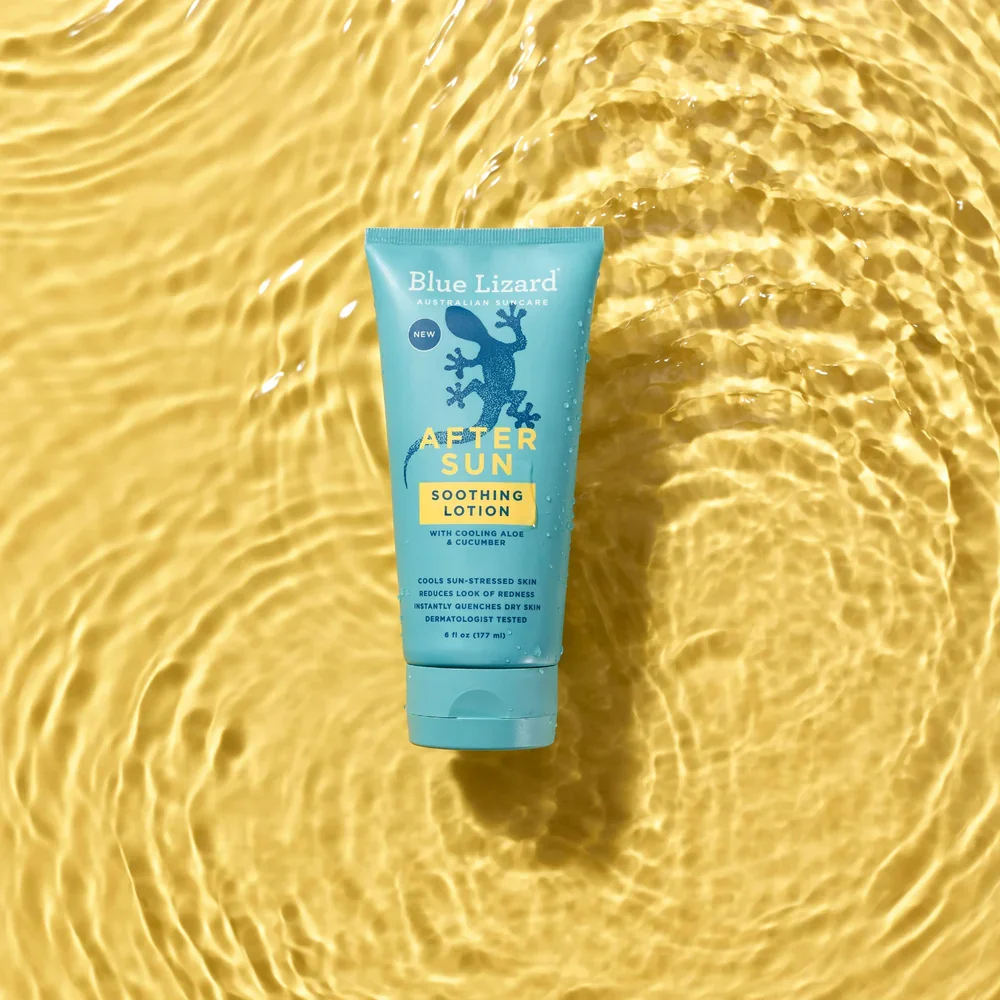
Having contact dermatitis doesn't mean you can't protect your skin from sun damage because mineral based products offer the solution you need. Brands like Blue Lizard Australian Sunscreen are great for sensitive skin because they’re free from pretty much everything that could ever cause your skin a problem.
Your skin already deals with enough reactions, so bear in mind what we’ve said here today. Find a sunscreen that protects without adding to the problem and you’ll be able to enjoy the outdoor life just like everyone else.
HOW DO YOU FEEL ABOUT FASHION?
COMMENT OR TAKE OUR PAGE READER SURVEY
Featured





It’s easy to believe that relationships are defined by the big moments.