
From Comfort to Class: Choosing Leather Shoes That Suit You
PAGE
By PAGE Editor
A great pair of leather shoes can transform any outfit, whether you're wearing a sleek suit or your favourite jeans. But finding the right pair isn’t always easy. From choosing the right type of finish to understanding different sizes, there’s a lot to consider before slipping into your perfect fit. I’ve put together a practical guide to help you navigate the world of leather footwear with confidence. I’ll give you the insights you need to choose a pair that suits your outfit and lifestyle.
Proper Fit
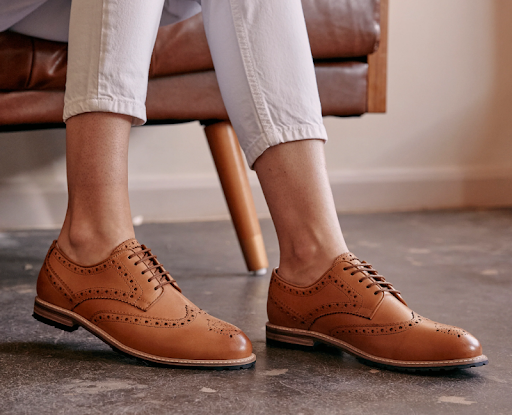
Why is it important to have good-fitting shoes? Many people underestimate how much the right fit matters. Our feet aren’t static, but they change shape over time as ligaments relax, arches shift, and daily wear takes its toll. That’s why a standard, off-the-shelf size doesn’t always deliver the comfort or support we expect. Customised options take these changes into account and offer a level of care and precision that mass-produced footwear can’t match.
One of the biggest advantages of handmade leather shoes designed for a custom fit is their ability to accommodate width, not just length. Many stores focus on a narrow range of “average” sizing, but our feet rarely fit neatly into those boxes. Problems tend to creep in when footwear is too tight across the forefoot or pinches the toes. Corns, calluses, bunions, and nerve pain don’t usually appear overnight, but they often start with shoes that don’t allow your feet to move naturally. Over time, that discomfort can turn into chronic pain that affects how you walk and even how you stand.
Many handmade leather shoes online mould to your feet as you wear them, creating a more natural, forgiving fit that supports movement. This is especially important if you spend long hours on your feet or wear more structured styles regularly. High heels and rigid designs, in particular, place extra pressure on the forefoot, making proper width and balance even more crucial.
Choosing footwear that's crafted to your individual shape doesn’t concern luxury or aesthetics. It means protecting your foot health, improving comfort day to day, and reducing the risk of long-term issues. When the design is made with your feet in mind, your steps feel more supported, more natural, and more enjoyable.
Leather Type
Not all leather is created equal, and understanding the differences can change how you shop. One of the first things to consider is its grain, which refers to the outer surface of the hide. This surface plays a big role in how a pair looks, feels, and performs over time. Beyond appearance, the type of material you choose should also suit your personal style and the way you plan to wear it, whether that’s for everyday use or more polished occasions.
Full-Grain
Full-grain leather is left close to its natural state, allowing the original character of the hide to shine through. These handmade leather shoes aren’t sanded or buffed, so the surface keeps its natural texture and subtle variations. You’ll often notice fine markings and a slightly uneven finish, which many people see as part of its charm. A light stain or gentle aniline finish enhances these details rather than covering them up. Over time, this material tends to age beautifully. It becomes softer and develops a rich patina while remaining breathable and resilient.
Corrected-Grain
Corrected-grain options go through more processing. The top layer is smoothed to remove imperfections, then coated to recreate a uniform grain pattern. While this creates a more consistent look, it also seals the surface. As a result, it doesn’t breathe as well and can feel less comfortable, especially with regular wear. Although it’s often more affordable upfront, it may not offer the same longevity or comfort as higher-quality alternatives.
Shoe Style
When you’re shopping for handmade leather footwear, knowing a few common styles can make the process feel far less overwhelming. Each style has a unique personality, strengths, and visual appeal, which means the right choice often comes down to how you plan to wear it and the kind of look you’re drawn to. A little background knowledge helps you spot quality and choose a pair that suits your lifestyle. Here are some popular styles worth knowing:
Calfskin: This is the classic choice many people picture when they think of a refined, polished look. It has a smooth surface that stays elegant without highlighting every tiny mark. The durability and clean appearance make it a reliable option for dressier occasions.
Roughout: Known for its rugged character, this style has a soft, textured finish that doesn’t rely on shine to look good. It’s tough, low-maintenance, and can handle wear.
Scotch-grain: Instantly recognisable by their pebbled texture, these handcrafted leather shoes bring visual interest while also being practical. The treated surface offers added resistance to the elements, making it a smart choice for unpredictable weather.
Shell cordovan: Rare and highly prized, this material comes from horse hide and is famous for its longevity. With proper care, it can last for decades and develop a deep, rich sheen that many enthusiasts consider unmatched.
Veg-tanned: As it ages, this style gradually deepens in colour and develops a unique patina, allowing your footwear to evolve and adapt to different looks.
Sole Material
When choosing footwear, we often overlook the sole, even though it plays a huge role in how the item feels and performs over time. The material under your feet affects comfort, durability, and how naturally the pair moves with you as the day goes on.
Leather soles: These soles are durable and gradually adapt to the unique shape of your foot. As it breaks in, it begins to move more naturally with you. This material holds its form well, helping the overall silhouette stay sharp for years. The trade-off is that it can feel firm at first and usually requires a short adjustment period. It also tends to cost more, but that price often reflects how long it lasts.
Rubber soles: Rubber options usually feel softer right out of the box, which is why many people find them appealing at first. They provide immediate cushioning and grip, making them seem like an easy choice. Over time, however, rubber wears down more quickly and doesn’t always adapt to your foot’s natural contours. After long hours, that lack of flexibility can leave your feet feeling more fatigued than expected.
Care Products
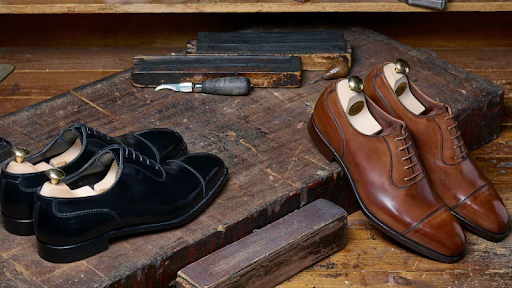
Once you’ve found the right pair of shoes, you need to take care of them properly. A little maintenance goes a long way, and the right accessories make that upkeep simple. Using a cedar shoe tree when you’re not wearing them helps the leather hold its shape and gently draws out moisture after a long day. As a bonus, it naturally freshens them up, which is always appreciated.
A good polish is just as important. It revives the surface, smooths out scuffs, and restores that rich finish that made you fall in love with the pair in the first place. With just these small habits, your investment stays polished and comfortable for longer.
When choosing handmade leather footwear, you shouldn’t just chase trends or tick boxes. When you understand fit, materials, construction, and care, the decision becomes less daunting and more personal. The right pair should move with you, suit your lifestyle, and look better the more you wear it. Take your time, trust how they feel on your feet, and you’ll end up with a pair that’s comfortable, confident, and made to last.
HOW DO YOU FEEL ABOUT FASHION?
COMMENT OR TAKE OUR PAGE READER SURVEY
Featured



The 2026 fashion landscape marks a departure from fleeting micro-trends toward purposeful design decisions in both footwear and clothing.