
What Consumers Can Expect From the 2026 Fashion Trend in Shoes and Apparel

PAGE
By PAGE Editor
The 2026 fashion landscape marks a departure from fleeting micro-trends toward purposeful design decisions in both footwear and clothing. Brands are responding to consumer demand for products that serve multiple functions without sacrificing aesthetic appeal. This evolution reflects broader economic and environmental pressures that have reshaped purchasing priorities. The intersection of durability, comfort, and conscious production methods now defines what succeeds in the marketplace, creating distinct patterns worth examining across several key dimensions.
Shifts in Consumer Preferences and Buying Behavior
Consumers now prioritize durability and versatility when they select footwear and clothing for 2026. Shoppers examine construction quality, assess fabric longevity, and compare cost-per-wear ratios before purchasing. This practical approach replaces impulse buying patterns that defined previous years.
Buyers demand transparency about material sourcing and production methods. They research brand practices, verify sustainability claims, and support companies that disclose their supply chain operations. Price sensitivity remains high as consumers allocate budgets toward fewer, higher-quality pieces rather than frequent, disposable purchases.
Digital platforms shape discovery and purchase decisions. Consumers compare prices across multiple retailers, read peer reviews, and evaluate fit through virtual try-on technology. They expect seamless returns, detailed sizing information, and authentic product photography that represents actual items without filters or manipulation.
Material Choices and Fabric Innovations Shaping New Designs
Designers now specify bio-based polymers, regenerated cellulose fibers, and plant-derived leather alternatives that meet performance standards for 2026 footwear and apparel. Textile engineers weave recycled ocean plastics into durable fabrics that resist abrasion and moisture. Manufacturers process agricultural waste into breathable materials that regulate body temperature without synthetic additives.
Labs culture mycelium-based textiles that replicate traditional leather's flexibility while decomposing naturally after disposal. Chemists formulate waterless dyeing systems that bind pigments to fibers without chemical runoff. Mills spin algae extracts and seaweed derivatives into fibers that provide antibacterial properties for athletic wear. Factories knit graphene-infused threads that conduct heat away from skin during physical activity. Brands certify each material through third-party testing to verify durability claims and environmental impact measurements.
Footwear Style Changes Influenced by Comfort and Function
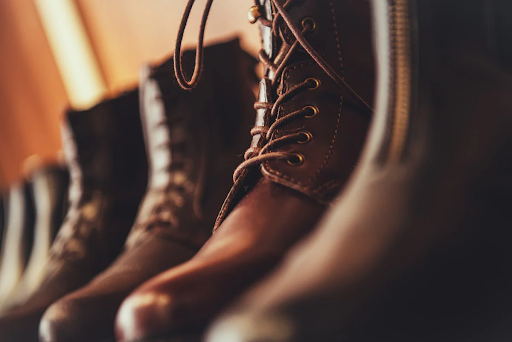
Brands now engineer footwear that prioritizes anatomical support and movement efficiency over decorative elements. Designers integrate cushioning systems that absorb impact during extended wear periods. Arch supports conform to individual foot structures, while toe boxes widen to accommodate natural foot spread during walking and standing.
Manufacturing processes incorporate flexible outsoles that bend with the foot's natural gait cycle. Breathable upper materials regulate temperature and wick moisture away from skin. Weight reduction methods eliminate unnecessary components without compromising structural integrity. Many consumers now gravitate toward Hari Mari shoes, which combine ergonomic support with stylish, casual designs.
Adjustable closure systems replace fixed lacing patterns, allowing wearers to customize fit throughout the day. Slip-resistant tread patterns grip varied surfaces in wet and dry conditions.
These functional specifications drive design decisions, resulting in footwear that performs reliably across professional, athletic, and casual environments while meeting documented comfort standards.
Apparel Silhouettes Reflecting Practical Use and Versatility
Garment construction in 2026 shifts toward multi-functional designs that adapt to different activities without requiring complete outfit changes. Designers engineer pieces with adjustable features, removable sleeves, convertible hemlines, and modular components that reconfigure for varied settings. Fabrics stretch, breathe, and resist wrinkles to maintain appearance throughout extended wear periods. Silhouettes accommodate movement through articulated seams and strategic paneling rather than restrict body mechanics. Waistbands adjust without belts, collars fold multiple ways, and pockets position at accessible angles for phones and essentials.
Layering systems connect through hidden attachments, allowing consumers to add or subtract insulation based on temperature fluctuations. Neutral colorways and minimal branding enable pieces to pair across casual and professional contexts. Many brands now offer blanks apparel, providing versatile base garments that can be customized or layered for different purposes. This construction approach reduces the number of garments needed while expanding outfit combinations, addressing storage constraints and purchase frequency concerns.
Color Palettes and Pattern Directions for 2026 Collections
Color selections in 2026 collections center on muted earth tones that coordinate across multiple garments and reduce visual fatigue during extended wear. Designers specify terracotta, sage, ochre, and clay as primary shades that pair with neutral foundations of sand, charcoal, and cream. Pattern applications favor geometric prints over florals, with designers creating linear compositions and angular motifs that align with garment seams rather than disrupt construction lines.
Micro-patterns dominate textile choices, allowing wearers to combine printed pieces without generating competing visual elements. Manufacturers restrict color variation within product lines to six-shade palettes, enabling consumers to mix pieces across seasons without mismatching undertones. This controlled approach simplifies wardrobe coordination and extends garment utility beyond single-season relevance.
Sustainability Considerations Affecting Shoes and Apparel Production
Material sourcing protocols in 2026 production cycles require manufacturers to document fiber origins, processing methods, and transportation distances for each component used in shoes and apparel.
Brands must disclose carbon emissions per garment and calculate water consumption during textile manufacturing. Regulations mandate that factories measure chemical outputs, monitor wastewater treatment, and report energy sources powering production facilities. Companies now track biodegradability rates of materials, specify decomposition timelines, and identify recycling pathways for end-of-life products.
Third-party auditors inspect supplier facilities, verify environmental claims, and certify sustainable practices. Manufacturers source regenerative fibers, select low-impact dyes, and install closed-loop systems that recapture production waste. Certification standards require brands to publish supply chain maps, reveal subcontractor relationships, and maintain transparent manufacturing records accessible to consumers.
How Seasonal Trends Will Influence Wardrobe Planning
Consumers will categorize their 2026 purchases into four distinct acquisition periods aligned with temperature shifts and regional climate patterns. Strategic wardrobe planning will require shoppers to assess their existing inventory before acquiring new pieces for each season. Climate data will inform purchase timing, helping consumers select appropriate fabrics and silhouettes for their geographic locations.
Spring collections will feature lightweight transitional layers suitable for fluctuating temperatures. Summer wardrobes will prioritize breathable materials and moisture-wicking properties. Fall purchasing will focus on layering systems that adapt to cooling conditions. Winter selections will address insulation needs while maintaining style requirements. Retailers will release seasonal collections earlier, requiring consumers to plan purchases three months ahead of weather changes. This schedule alteration will demand advance budgeting and storage organization to accommodate off-season items.
HOW DO YOU FEEL ABOUT FASHION?
COMMENT OR TAKE OUR PAGE READER SURVEY
Featured



The 2026 fashion landscape marks a departure from fleeting micro-trends toward purposeful design decisions in both footwear and clothing.