
The Most Frequent Accident-Related Injuries
PAGE
By PAGE Editor
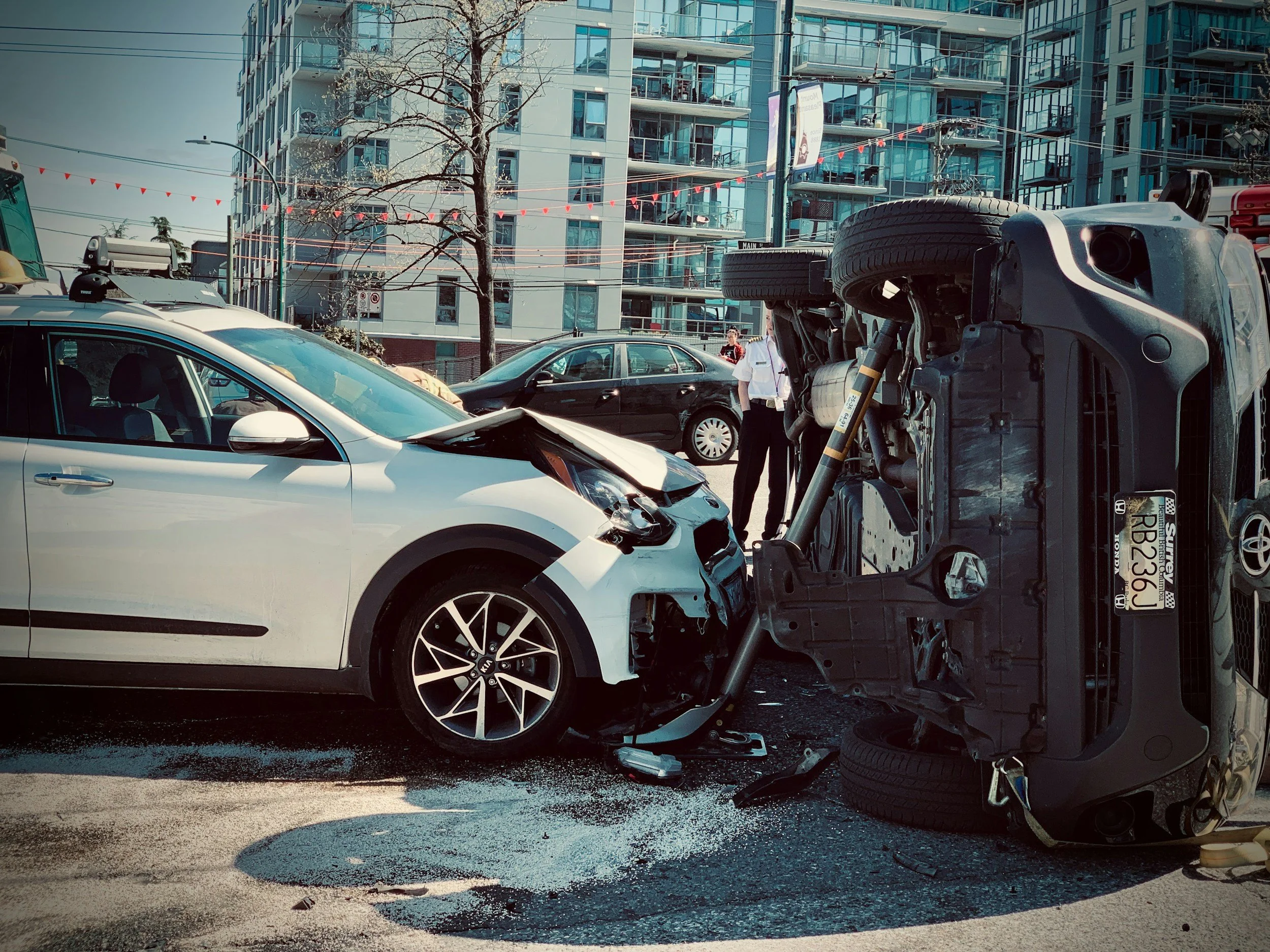
We hear about accidents every day. A fender-bender on the morning commute, a slip in a grocery store, a story from a friend about a workplace mishap. Often, we absorb these as brief headlines of inconvenience. But behind every accident report are real people, and with them, real injuries that can shift the course of a life from a momentary jolt to a long, challenging road. The most frequent accident-related injuries are a physical ledger of our vulnerabilities, a map of what goes wrong when the world suddenly tilts.
Soft Tissue Injuries
This category is the master of disguise, often not appearing on an X-ray but making its presence profoundly known in the days following an incident. Whiplash from a rear-end collision is its poster child; a violent, whip-like motion that strains and tears the delicate muscles, ligaments, and tendons in the neck and upper back. The pain and stiffness can be immediate or can creep in after an adrenaline-fueled day, leaving someone struggling to turn their head or get through a work shift.
But soft tissue damage isn’t just about car accidents. A fall can cause severe sprains in wrists or ankles as we instinctively throw out a hand to catch ourselves. These injuries are frequently downplayed as "just a strain," yet they can lead to chronic pain, limited mobility, and a frustrating cycle of physical therapy.
Broken Bones
There’s a blunt, undeniable reality to a broken bone. The snap, the immediate deformity or inability to move, the trip to the ER; it’s an injury that commands attention. Fractures are ubiquitous across all accident types: the broken arm from a bicycle fall, the shattered hip of an elderly person on an icy step, the cracked ribs from a high-impact crash.
The healing process is long, involving immobilization, loss of muscle mass, and significant pain. For many, especially those who work with their hands or are on their feet, a broken bone doesn't just mean a cast; it means lost wages, an inability to care for children, and a daunting climb back to strength. It's during the overwhelming aftermath of such a life-disrupting event that individuals often seek guidance, and firms like Malloy Law Offices, LLC law firm frequently see how a single fracture can unravel a family’s financial stability. Because of this, they fight for the victim’s rights, which can at least minimally alleviate the pain.
Head Injuries and Concussions
Your head doesn’t need to hit a windshield to sustain one; the sudden acceleration-deceleration of a crash or a jolt from a fall can cause the brain to slam against the skull. In the moment, it might just feel like "seeing stars." But the aftermath tells a different story: confusion, headache, dizziness, sensitivity to light, memory fog, and mood changes.
The danger with concussions is the temptation to "shake it off." Unlike a bleeding wound or a bent limb, the injury is locked inside, its symptoms sometimes dismissed as stress or fatigue. Yet, repeated or severe TBIs can have lifelong consequences, affecting cognition, personality, and the ability to work. Every knock on the head deserves respect and medical evaluation, because the brain, our very command center, is not so easily repaired.
Spinal Cord and Disc Injuries
The spine is our body’s central pillar and its most critical nerve highway. Herniated or slipped discs are common, where the cushion between vertebrae bulges or ruptures, pressing on nerves and causing shooting pain, numbness, or weakness down the limbs.
More severe are spinal cord injuries themselves, which can lead to partial or complete paralysis. Even injuries that don’t cause paralysis can result in chronic, debilitating back pain that prevents someone from sitting for long periods, lifting their child, or returning to their trade. Back injuries often become a lifelong management issue, a shadow from a single moment of impact that dictates what a person can and cannot do.
Cuts, Scrapes, and the Scar That Remains
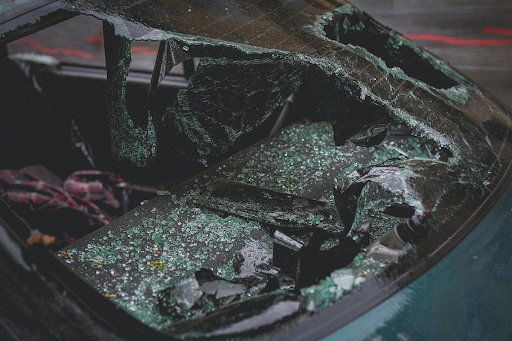
Shattered glass can slice deeply, mangled metal can tear flesh, and a rough pavement scrape can embed debris. The immediate concerns are blood loss, infection, and pain.
But the lasting legacy is often the scar, both physical and psychological. Deep lacerations can sever tendons, limiting function, and require extensive plastic surgery to repair. The scars left behind are permanent reminders, sometimes affecting mobility, sensation, and self-esteem. What seems like a surface wound can require dozens of stitches and leave a lifetime of visible memory.
Emotional and Psychological Trauma
Finally, we must account for the injury that no scan can reveal: psychological trauma. The emotional aftershocks of an accident are real and debilitating. Post-Traumatic Stress Disorder (PTSD), anxiety, depression, and a profound fear of driving or returning to the scene of the accident are not uncommon.
This injury manifests in nightmares, flashbacks, hypervigilance, and a loss of joy in things once loved. A person can be physically healed but feel imprisoned by fear. Acknowledging this as a genuine, frequent, and serious accident-related injury is crucial to understanding the full scope of recovery.
In the end, these frequent injuries remind us that accidents are more than just events; they are human experiences of pain, disruption, and resilience. Knowing them is the first step toward prevention, compassion, and, when necessary, the pursuit of a recovery that encompasses the whole self.
HOW DO YOU FEEL ABOUT FASHION?
COMMENT OR TAKE OUR PAGE READER SURVEY
Featured





People sometimes arrive for their first appointment with hope and apprehension.