
How thoughtful layout planning improves everyday living
PAGE
By PAGE Editor
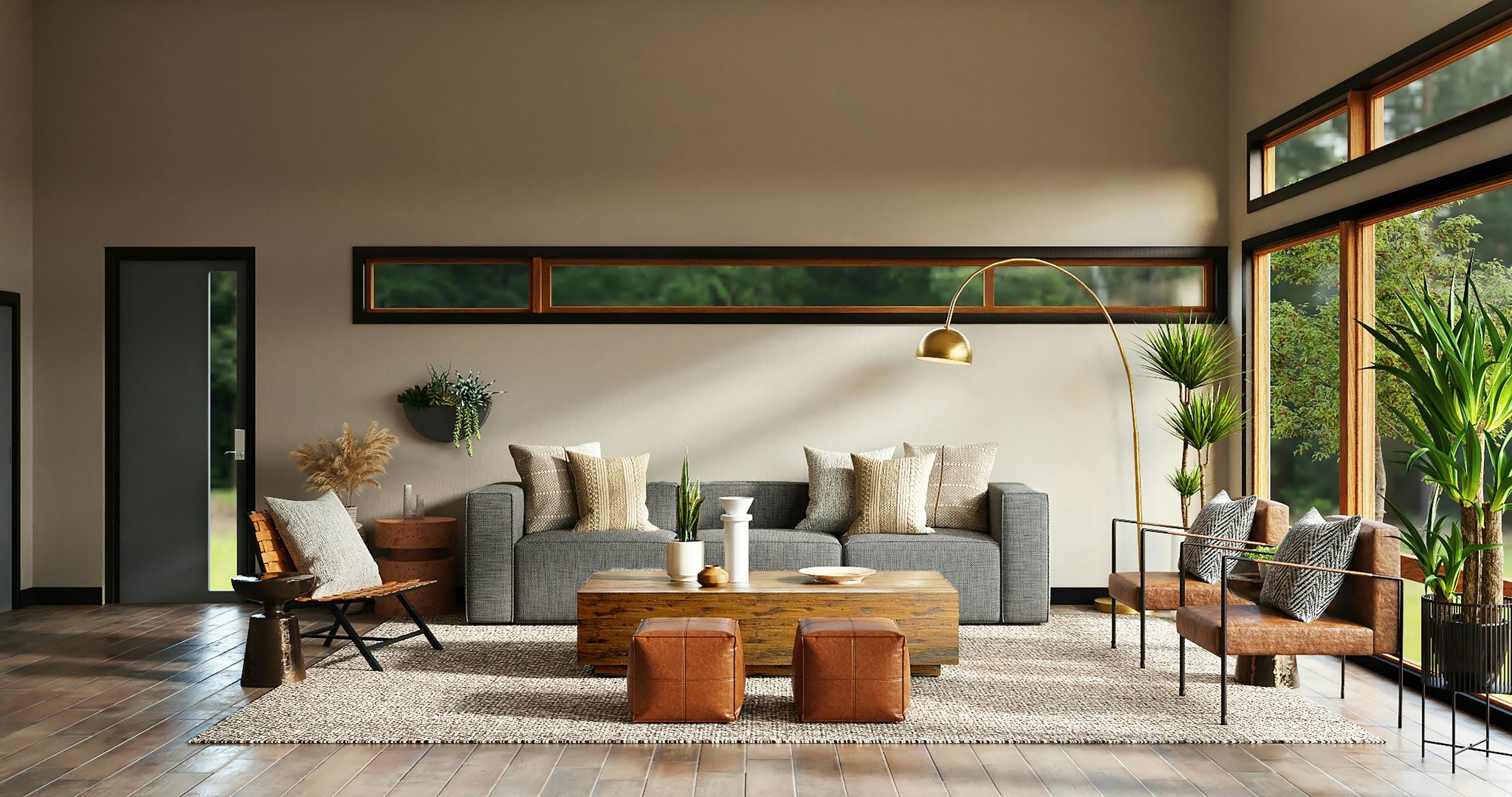
The way a home is arranged has a direct impact on how it feels and functions on a daily basis. Layout planning shapes movement, comfort, and how easily people interact with their surroundings. Even well-decorated homes can feel frustrating or inefficient if the layout does not support daily routines. Thoughtful planning focuses on how spaces are actually used, creating environments that feel natural rather than forced.
Many homeowners underestimate how much layout affects mood, productivity, and comfort. Awkward furniture placement, blocked pathways, or poorly defined rooms can add subtle stress to everyday life. Over time, these small frustrations accumulate, affecting how people experience their homes. Improving layout is often less about adding new elements and more about arranging what already exists in a more intentional way.
Homeowners who explore layout planning with guidance from Greylyn Wayne often find that interior design centered on functionality enhances everyday living by aligning spaces with real-life needs rather than visual trends alone.
Why layout matters more than decoration
Decoration adds personality, but layout determines usability. A beautiful room that is difficult to move through quickly becomes tiring.
When layout supports natural movement, the space feels easier to live in. Practical flow allows décor to enhance the experience rather than compete with it.
Function supports form.
Understanding movement patterns within the home
Every home has natural traffic patterns based on entrances, daily routines, and shared spaces. Ignoring these patterns creates congestion and frustration.
Thoughtful layout planning respects how people move through a space. Clear pathways reduce interruptions and improve comfort.
Movement shapes experience.
Creating balance between open and defined spaces
Open layouts offer flexibility, but too much openness can feel chaotic. Defined areas provide structure and purpose.
Balanced planning creates separation without isolation. This approach supports both connection and privacy.
Balance improves usability.
Supporting daily routines through spatial planning
Morning routines, evening relaxation, and work-from-home needs all rely on functional layouts.
Spaces designed around these routines reduce friction. Everyday tasks become smoother when the layout works with habits rather than against them.
Routine alignment reduces stress.
Improving comfort through proper furniture placement
Furniture placement influences comfort more than many realize. Poor placement can block light, restrict movement, or create imbalance.
Intentional arrangement supports conversation, relaxation, and productivity. Comfort increases when furniture fits the space properly.
Placement affects perception.
Defining room purpose to reduce confusion
Rooms with unclear purpose often feel cluttered or underused. Uncertainty disrupts comfort and focus.
Clear function helps people understand how to use a space. Purpose-driven layout increases confidence and enjoyment.
Clarity supports ease.
Enhancing social interaction in shared spaces
Living rooms, kitchens, and dining areas benefit from layouts that encourage interaction.
Thoughtful planning brings people together without crowding. Comfortable social spaces improve connection and everyday enjoyment.
Connection improves atmosphere.
Supporting privacy where it matters most
Not all spaces should feel open. Bedrooms, offices, and quiet zones benefit from separation.
Layout planning creates boundaries that protect privacy. These zones support rest, focus, and personal space.
Privacy enhances well-being.
Maximizing natural light through layout choices
Furniture placement and room division affect how light travels.
Thoughtful layouts allow light to reach deeper into spaces. Bright environments feel more open and uplifting.
Light improves mood.
Reducing visual clutter through spatial organization
Clutter is often a layout issue rather than a storage issue. Poor flow causes items to accumulate in visible areas.
Better layout creates natural storage zones and clear surfaces. Organized spaces feel calmer and more manageable.
Organization supports clarity.
Improving adaptability as needs change
Homes evolve as lifestyles change. Rigid layouts struggle to adapt.
Flexible planning allows spaces to serve multiple purposes over time. Adaptable layouts support long-term living.
Flexibility adds longevity.
Supporting productivity in work-from-home environments
Workspaces require focus and minimal distraction. Layout plays a key role in creating this environment.
Defined work zones improve concentration and efficiency. Productivity increases when the space supports the task.
Structure supports focus.
Understanding the role of interior design in layout planning
Interior design is not only about aesthetics. It integrates layout, flow, and usability to support daily life.
Understanding this role helps homeowners prioritize planning decisions that improve function before style.
Function guides design.
The value of professional perspective in planning
It can be difficult to see layout issues in familiar spaces. Habits often mask inefficiencies.
Midway through planning, Greylyn Wayne provides objective insight to ensure interior design choices improve layout rather than reinforce existing challenges.
Outside perspective improves results.
Enhancing safety through clear circulation
Crowded or obstructed pathways increase accident risk. Layout planning addresses these concerns.
Clear circulation improves safety for all ages. Thoughtful planning supports confident movement.
Safety supports comfort.
Supporting emotional calm through spatial flow
Disorganized spaces create mental noise. Smooth flow reduces overstimulation.
Layout that feels intuitive supports emotional calm. Calm spaces improve overall quality of life.
Flow influences mood.
Making small spaces feel larger
Size perception is heavily influenced by layout. Poor arrangement makes spaces feel cramped.
Thoughtful planning opens sightlines and improves proportion. Small spaces feel more comfortable and usable.
Perception shapes experience.
Improving storage efficiency through layout
Storage works best when integrated into layout. Poor placement leads to clutter.
Strategic planning makes storage accessible and discreet. Efficient storage supports daily order.
Access improves organization.
Aligning layout with architectural features
Homes often have architectural strengths that are underused. Layout planning highlights these features.
Aligning furniture and flow with architecture enhances character and functionality.
Design respects structure.
Encouraging mindful use of space
Intentional layouts encourage thoughtful living. Each area serves a purpose.
Mindful use reduces waste and frustration. Spaces feel more meaningful when they are used well.
Intent improves satisfaction.
Supporting consistency across the home
Disjointed layouts create confusion. Consistency improves navigation and comfort.
Unified planning connects rooms logically. Cohesion supports ease of living.
Consistency builds harmony.
Reducing daily decision fatigue
When spaces function intuitively, fewer decisions are required.
Layout planning removes unnecessary choices. Simpler environments support mental clarity.
Ease reduces fatigue.
Enhancing long-term livability
Homes designed with thoughtful layouts remain comfortable over time.
Livable spaces adapt, support routines, and remain enjoyable as needs change.
Longevity supports value.
Creating homes that work as well as they look
A well-planned layout balances beauty and function.
When form supports function, homes become easier and more enjoyable to live in every day.
Balance creates satisfaction.
Improving everyday life through intentional planning
Layout influences nearly every aspect of daily living, from comfort to connection.
With guidance from Greylyn Wayne, homeowners can rely on interior design focused on thoughtful layout planning to improve everyday living. Intentional arrangement transforms homes into supportive environments that feel natural, functional, and enjoyable for years to come.
HOW DO YOU FEEL ABOUT FASHION?
COMMENT OR TAKE OUR PAGE READER SURVEY
Featured




SMCP has appointed Linda Li as President and CEO of North America, signaling the Group’s intensified focus on omnichannel growth, full-price retail strategy, and strengthening its accessible luxury positioning across the region.