
The Real Life of a Sports Journalist in Chicago: Long Nights, Fast Games, and a City That Never Lets You Coast
PAGE
By PAGE Editor
Being a sports journalist in Chicago isn’t just a job. It’s a lifestyle shaped by late nights, unpredictable schedules, brutal winters, and the constant hum of a city that treats sports like a second language. Covering games here means moving fast, thinking faster, and learning how to balance adrenaline with exhaustion.
Chicago is not an easy sports city. Fans are informed, opinionated, and emotionally invested. Teams are historic, the media market is crowded, and the expectations are high. Whether you’re covering the Bulls on a Tuesday night, the Bears on a freezing Sunday, or a midseason Cubs slump that suddenly feels existential, you’re expected to show up prepared and sharp every time.
But beyond the box scores and press passes, there’s a quieter reality to the work—one that blends creativity, technology, hustle, and survival.
A City That Sets the Pace
Chicago sports journalism moves at the speed of the city itself. It’s fast, competitive, and deeply rooted in tradition. This is a town where people still argue about the ’85 Bears and where Michael Jordan is spoken about like mythology. That history raises the bar for anyone covering sports here.
On any given week, a Chicago-based sports journalist might:
Bounce between stadiums, arenas, and practice facilities
File stories from trains, rideshares, or cramped media rooms
Juggle freelance pitches with staff deadlines
Monitor multiple teams at once because no single beat ever fully sleeps
There’s very little room for autopilot. Editors expect context, fans expect insight, and social media expects immediacy.
And then there’s the weather. Covering outdoor sports in Chicago means learning how to type with numb fingers, protect gear from snow, and still sound enthusiastic when the wind chill is doing its worst.
The Lifestyle Nobody Sees
The public-facing version of sports journalism looks exciting, sidelines, credentials, access. The reality is a lot less glamorous.
Most sports journalists in Chicago don’t work traditional hours. Nights, weekends, holidays, they’re all fair game. Game schedules don’t care about your personal plans, and breaking news rarely happens between nine and five.
Meals are often rushed or skipped. Sleep is inconsistent. Relationships require flexibility and understanding. Many journalists learn to build routines around chaos rather than trying to control it.
There’s also the constant mental pressure:
Staying informed across multiple teams
Avoiding burnout in a nonstop news cycle
Keeping work fresh when you’re covering the same players all season
Balancing passion for sports with professional objectivity
It’s rewarding, but it’s not passive work. Chicago has a way of testing whether you’re really committed to the craft.
How Sports Journalism in Chicago Has Changed With Technology
The job today looks nothing like it did even ten years ago.
Once upon a time, being a sports journalist meant writing game recaps for the next morning’s paper. Now, it means producing content across multiple formats—often simultaneously.
Technology has reshaped nearly every part of the workflow.
Speed Is No Longer Optional
Live blogging, real-time stats, instant social reactions—everything happens now. Chicago fans expect updates during games, not after them. Journalists are often posting on social platforms while watching plays unfold, then turning around full articles minutes after the final whistle.
This has changed how stories are structured. Analysis matters more than recap, because fans already know the score before you publish.
AI in Sports Journalism: Tool, Not Replacement
Artificial intelligence has quietly entered the sports journalism workflow, and in Chicago, opinions about it are mixed but evolving.
AI tools are being used for:
Transcribing interviews
Summarizing post-game quotes
Spotting statistical trends
Assisting with research and background info
What AI can’t replace is context. It doesn’t understand locker room tension, fan frustration, or the emotional weight of a losing streak in a city that takes it personally. Chicago sports journalism thrives on nuance, voice, and local knowledge—things that still require human judgment.
Most journalists here see AI as a way to save time, not cut corners. When deadlines are tight and output is high, automation helps free up energy for deeper reporting and better storytelling.
Sourcing Photography in a Visual-First Era
Photography has become just as important as the written word, especially in a visually driven digital landscape.
Chicago sports journalism leans heavily on images to:
Capture real moments fans care about
Add credibility to reporting
Stand out in crowded feeds
Support SEO and discoverability
But sourcing photography isn’t always straightforward.
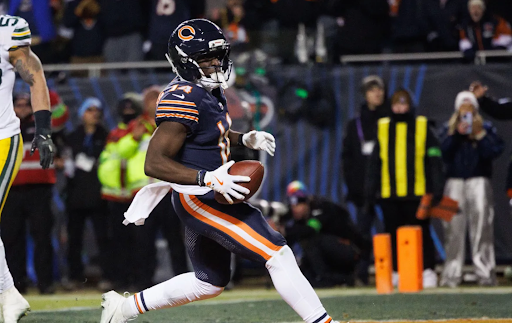
Not every outlet has staff photographers at every game. Freelancers and independent creators often rely on licensed game day images to illustrate stories, especially for analysis, commentary, or long-form features.
The key challenge is balance:
Images must be real and timely
Usage must respect editorial licensing rules
Photos should match the tone of the piece, not overpower it
Sports journalists today are expected to think visually—even if they’re not behind the camera themselves.
Social Media: Essential and Exhausting
Social media is both a megaphone and a minefield for sports journalists in Chicago.
Platforms like X, Instagram, and TikTok are used to:
Share breaking news
Promote articles
Engage with fans
Build personal brands
But they also expose journalists to constant scrutiny. Chicago fans are passionate, and not always gentle with criticism. A single tweet can spark a debate that lasts for days.
Many journalists walk a careful line—being authentic without becoming reactive, present without being consumed. The pressure to stay visible is real, especially for freelancers and early-career writers trying to stand out in a saturated market.
The Freelance Reality
Not everyone covering Chicago sports works for a major outlet. A large portion of the scene is made up of freelancers, contributors, and independent creators.
Freelancers often juggle:
Multiple outlets
Inconsistent income
Self-promotion
Limited access compared to staff writers
At the same time, freelancing offers flexibility and creative freedom. Many writers carve out niches—deep analytics, fan culture, long-form profiles, or crossovers between sports, fashion, and lifestyle.
Chicago’s sports ecosystem is big enough to support diverse voices, but it rewards persistence more than shortcuts.
Mental Health and Burnout
The constant pace of sports journalism can take a toll. Long seasons, public criticism, and relentless deadlines wear people down.
In recent years, there’s been more openness around mental health in the profession. Journalists are talking more about burnout, setting boundaries, and redefining success beyond constant output.
In a city like Chicago, where expectations never really dip, learning when to step back can be just as important as knowing when to lean in.
Why People Still Choose This Life
With all the challenges, why do people keep doing it?
Because there’s nothing quite like it.
Covering sports in Chicago means documenting moments that become part of the city’s identity. It means being there when history happens, when seasons turn, when narratives shift overnight.
It’s creative work that lives in real time. It’s storytelling that matters to people. And for those who love both sports and the craft of journalism, the chaos is part of the appeal.
Looking Ahead
The future of sports journalism in Chicago will continue to evolve—more digital, more visual, more creator-driven. Technology will keep changing the tools, but the heart of the work remains the same: telling honest stories about competition, community, and culture.
For those willing to adapt, stay curious, and keep showing up—even on the coldest nights—Chicago remains one of the most challenging and rewarding cities in the world to cover sports.
And for many, that challenge is exactly the point.
HOW DO YOU FEEL ABOUT FASHION?
COMMENT OR TAKE OUR PAGE READER SURVEY
Featured



A home is a place that carries a deep meaning for every human being.