
Public School New York Returns to the Runway, Reclaiming Its Place In The City That Never Waits
PAGE
By PAGE Editor
After a seven-year hiatus, Public School New York is back—and not with nostalgia, but with conviction.
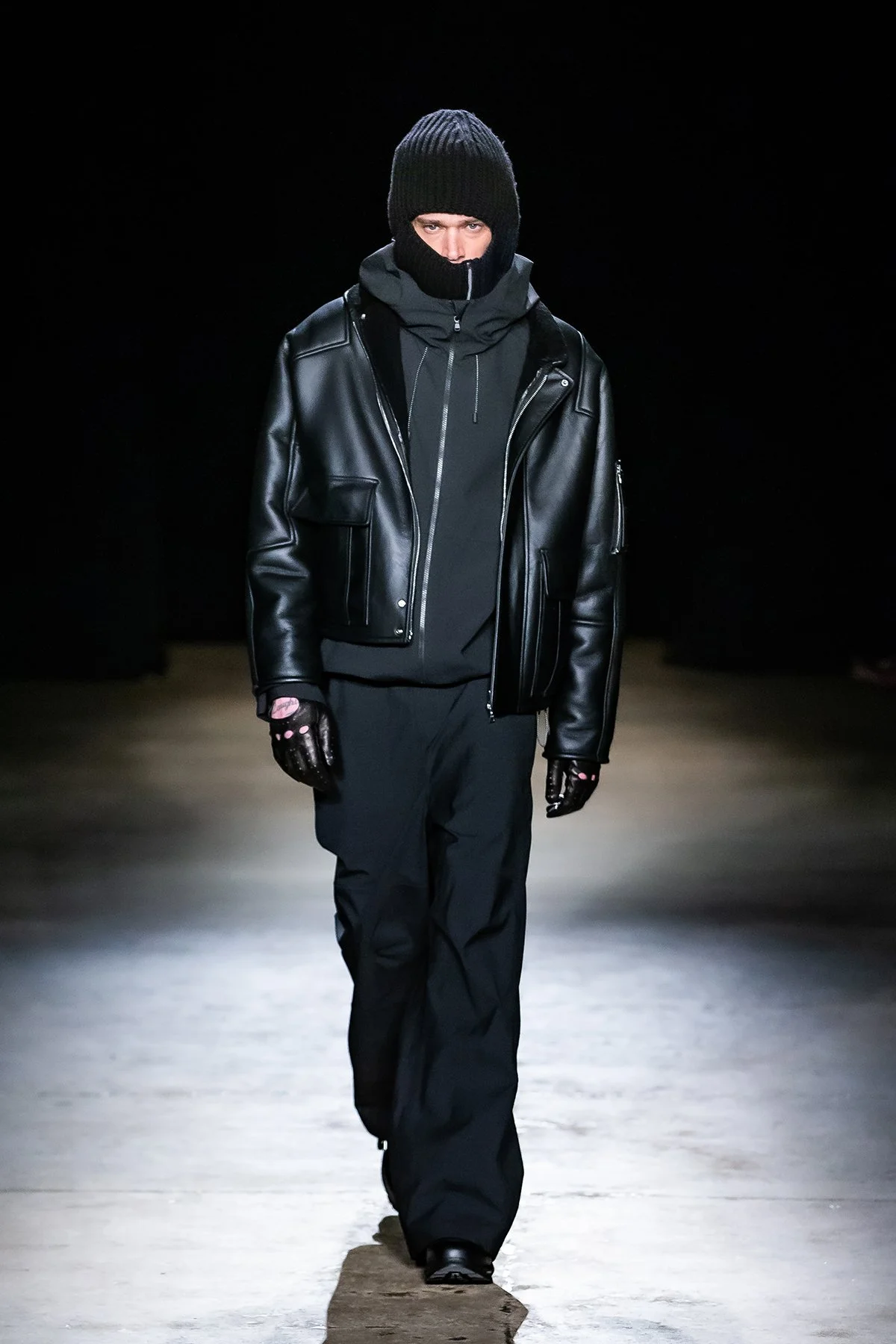
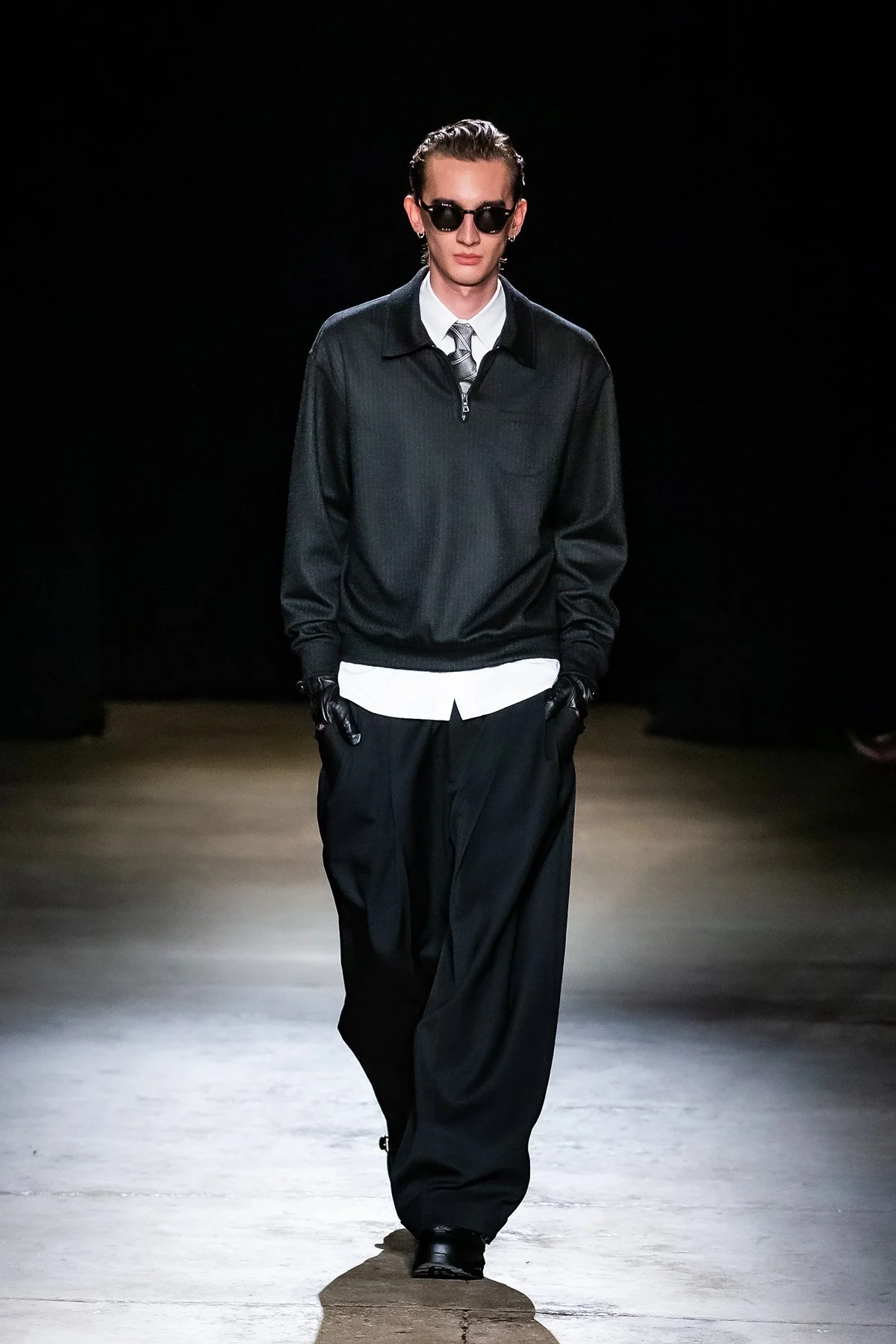
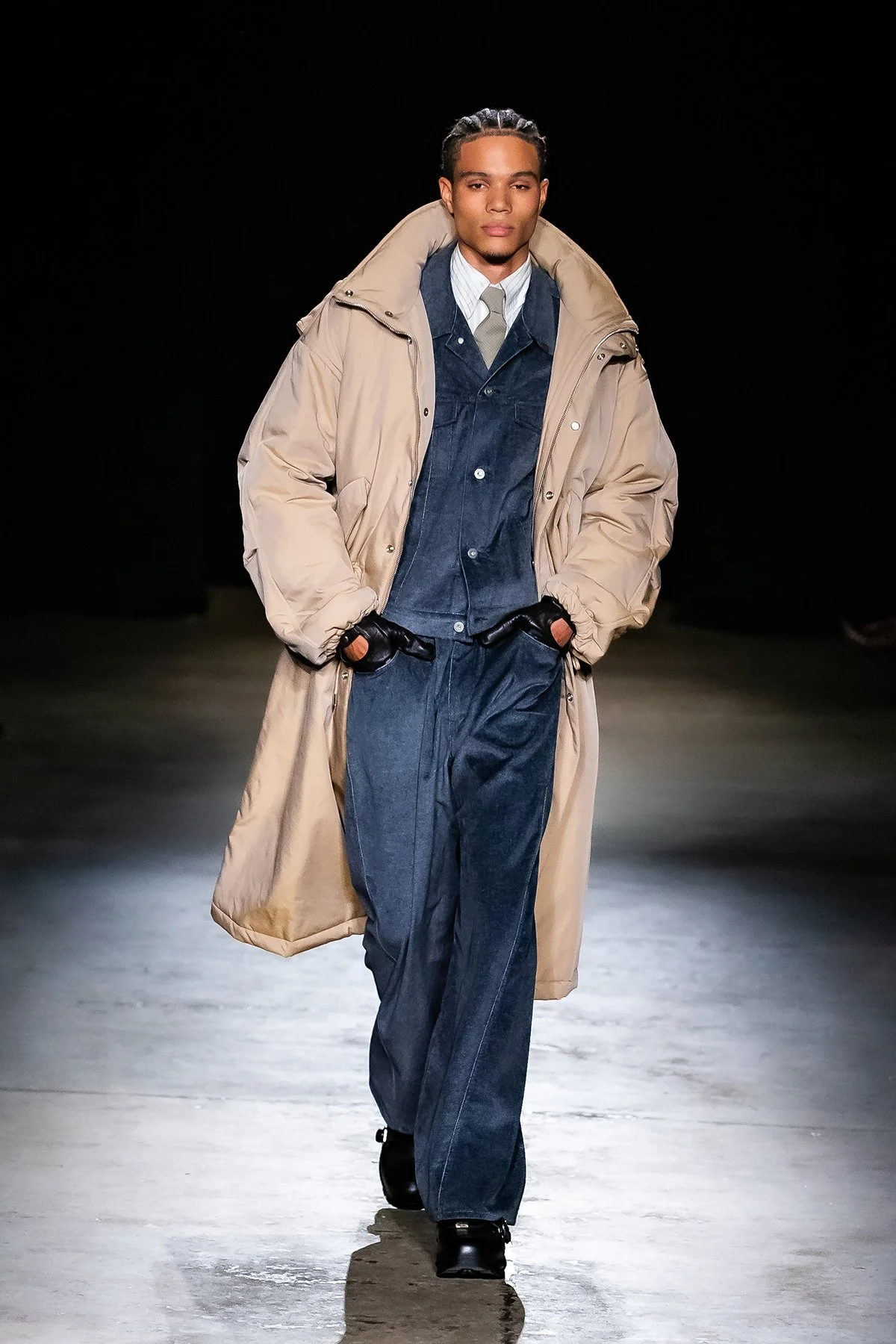
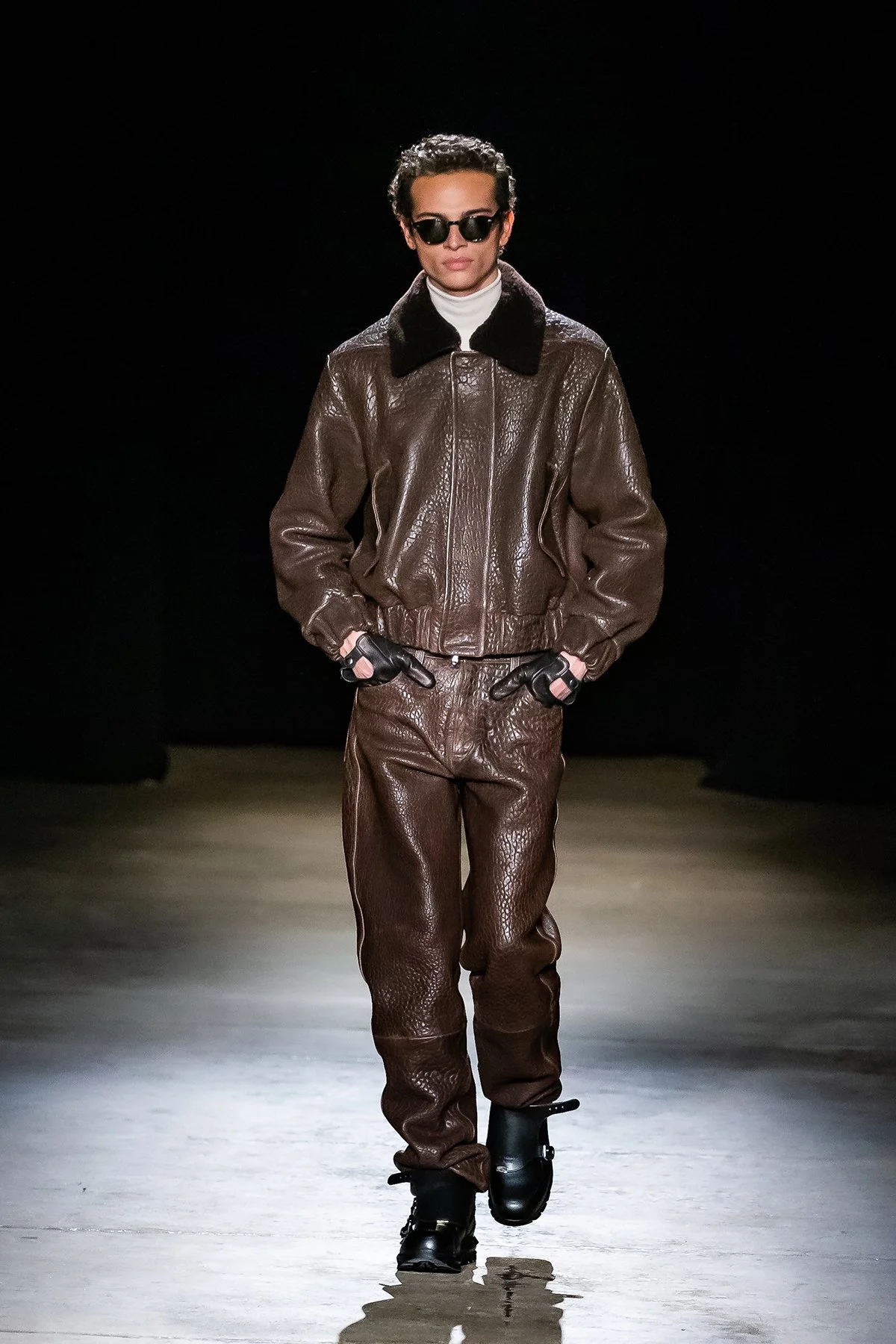
On February 11, Maxwell Osborne and Dao-Yi Chow staged the brand’s first runway show in over seven years, marking a pivotal return for one of the most influential American fashion labels of the 2010s. For a generation that watched Public School blur the lines between streetwear and luxury before the industry had language for it, the comeback signals more than a relaunch. It is a recalibration.
“A powerful thing to find something that you thought you may have lost forever,” the designers shared in a statement accompanying the show. Their words read less like press copy and more like a manifesto—an acknowledgment of loss, of rediscovery, of resistance and surrender. In many ways, it mirrors the arc of New York itself: relentless, unforgiving, but endlessly regenerative.
Public School’s original rise was inseparable from the cultural momentum of downtown Manhattan. At its peak, the brand translated the cadence of the city into tailoring—sharp, urban, political. Osborne and Chow understood early that luxury didn’t have to abandon the street; it could be informed by it. They positioned PSNY as a convergence point: hip-hop and high fashion, activism and aspiration, grit and refinement.
But as they admit, there came a moment when they “couldn’t tell if we were adding to the action or just trying to keep up.” The pause that followed—seven years of it—was less disappearance and more incubation. In an era when fashion cycles accelerated to unsustainable speeds, stepping away became an act of clarity.
Their return arrives in a different landscape. American fashion is reexamining its infrastructure. The streetwear boom that PSNY helped catalyze has matured into a global luxury engine. And New York Fashion Week itself is in the midst of redefining its cultural leverage. Against that backdrop, Public School’s reentry feels both timely and defiant.
The new collection centers on evolution—not Darwinian survival of the fittest, but the cyclical rise and fall that defines creative life. The brand’s core codes remain intact: precise tailoring softened by urban ease, monochromatic palettes disrupted by subtle tension, suiting that carries the weight of both boardroom and block. There is a renewed intimacy in the process as well. Osborne and Chow returned to work “just the two of us,” reconnecting with the instinct that first propelled them.
If the original Public School was about proving that downtown New York belonged on the global luxury stage, this chapter feels more introspective. It is about knowledge of self. About standing your ground while acknowledging the tightrope between greatness and failure. About understanding that sometimes the thing you thought you were running from was leading you back to your purpose.
From February 12 to 14, PSNY extends its return beyond the runway with a retail pop-up at Retail Innovations Lab at High Line Nine. In partnership with SAP and N4XT Experiences, the activation includes a launch event, conversation series, custom embroidery, tailor-made suiting, and DJ sets—an ecosystem that reflects the brand’s multidisciplinary DNA. Production by The Culture Shop and a creative team spanning Ronald Burton III (styling), The Establishment (casting), and Ibe Soliman (show music) underscore that this is not merely a comeback, but a coordinated reassertion.
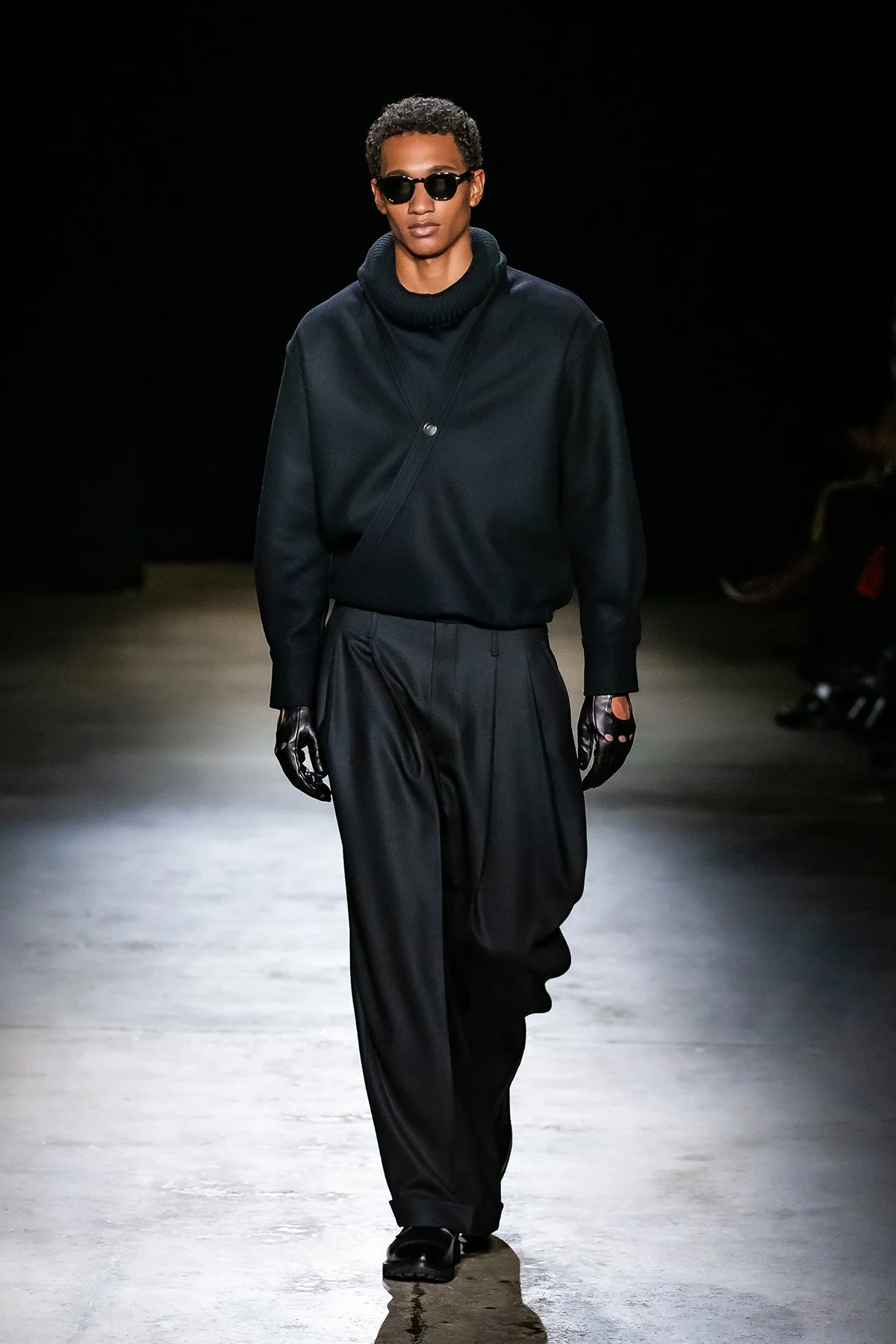
Public School has always positioned itself as a brand born of New York’s fantasy—the idea that ambition and authenticity can coexist. But the city, as Osborne and Chow note, “doesn’t wait for anyone.” It moves, it rebuilds, it demands relevance.
Seven years later, Public School New York is not asking for its old seat back. It is reintroducing itself on its own terms—more measured, more reflective, but no less political. In doing so, it reminds the industry that stepping away can be as powerful as staying in the race.
And in a system obsessed with constant output, that may be the most radical move of all.
See full runway:
HOW DO YOU FEEL ABOUT FASHION?
COMMENT OR TAKE OUR PAGE READER SURVEY
Featured



Flower by Edie Parker’s 2026 “Boobs on Drugs” campaign starring Amanda Batula reframes cannabis culture through a lens of female autonomy, blending fashion-forward storytelling with meaningful advocacy for criminal justice reform.