
Maison Margiela Opens Its Archives to the World With ‘MaisonMargiela/folders’ in China
PAGE
By PAGE Editor
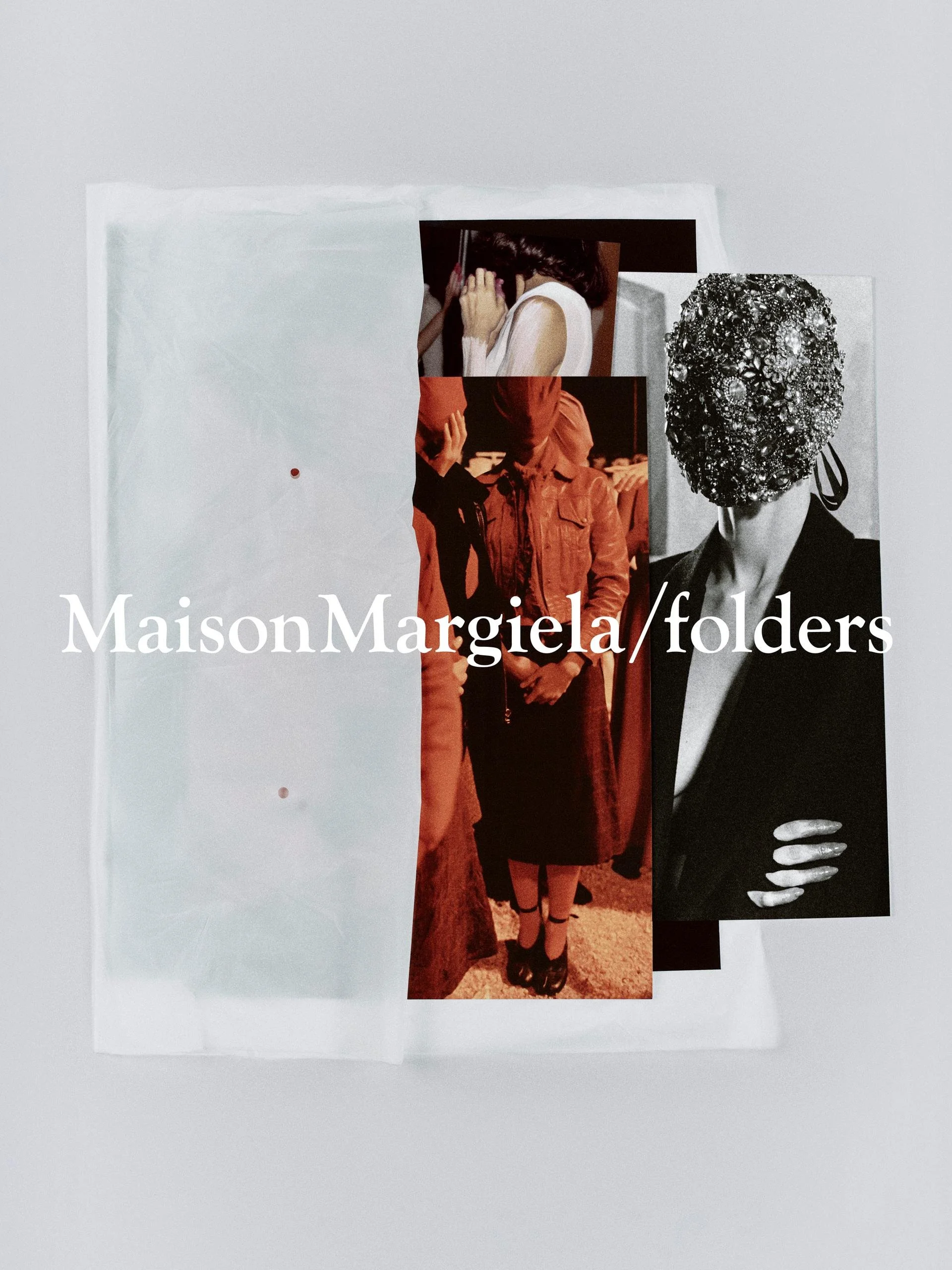
Maison Margiela has never treated transparency as a marketing exercise. It has treated it as a provocation. With MaisonMargiela/folders, the House advances that philosophy into a new, globally scaled experiment—one that reframes how fashion heritage is accessed, archived, and activated for the future.
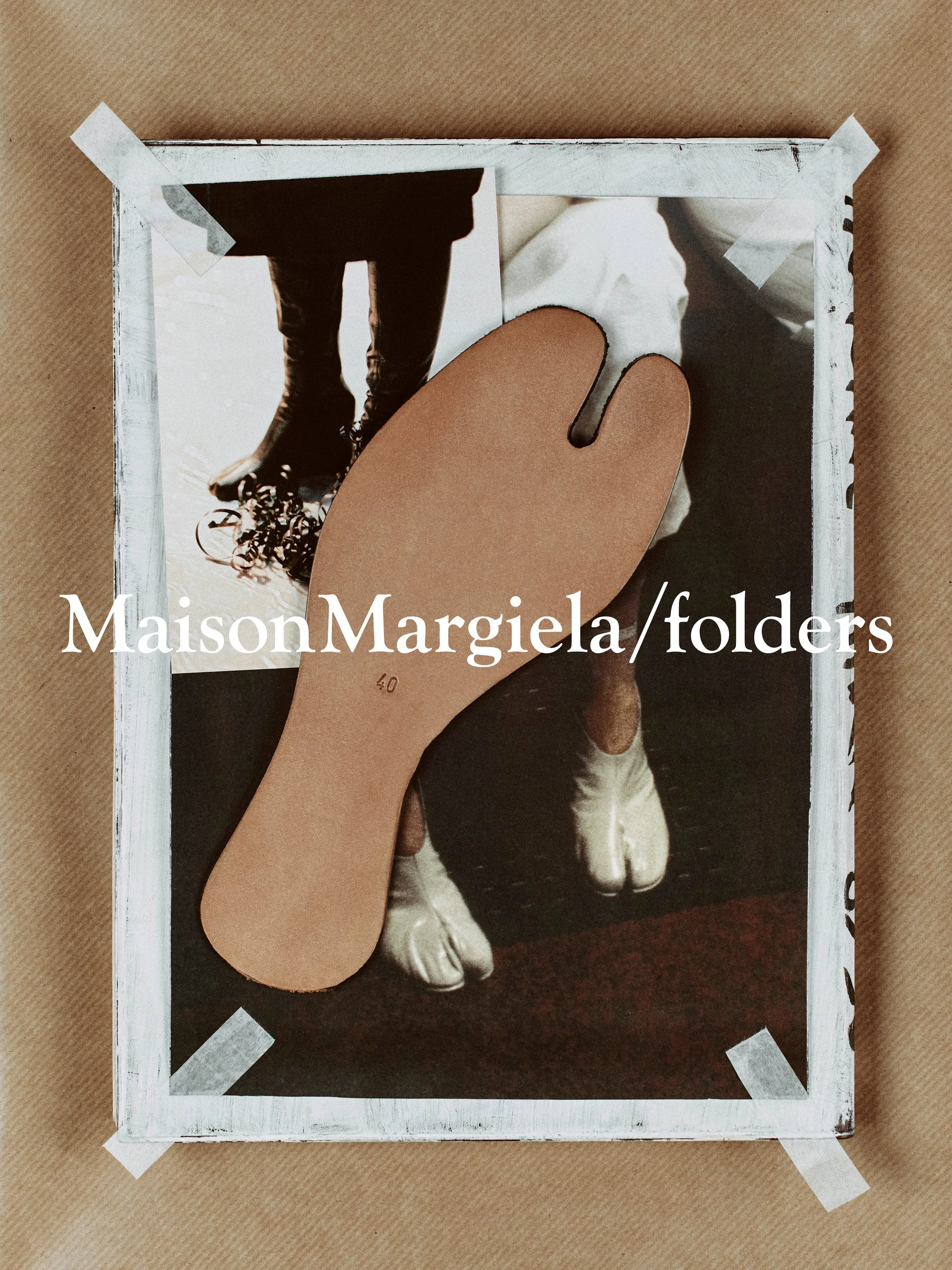
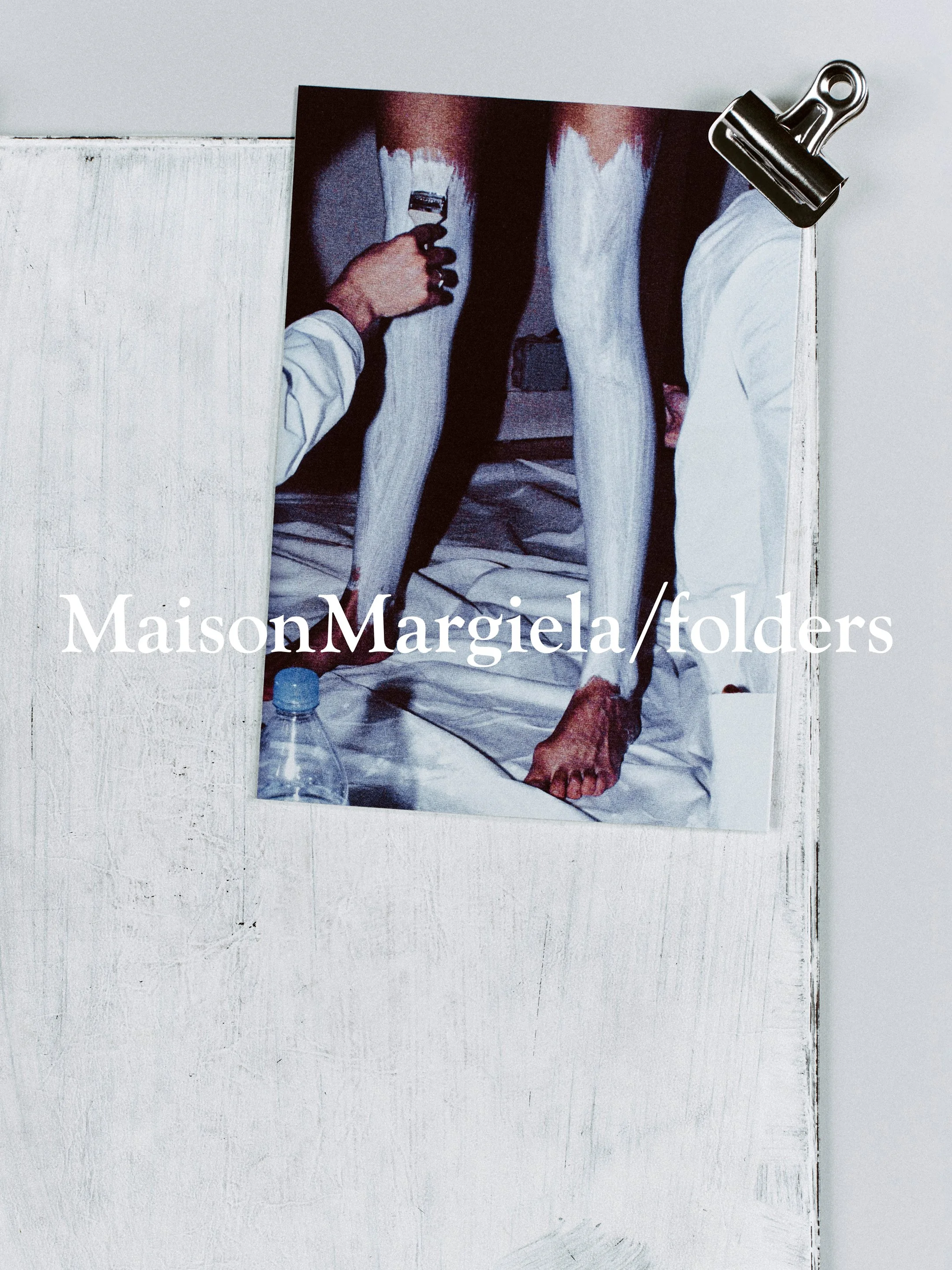
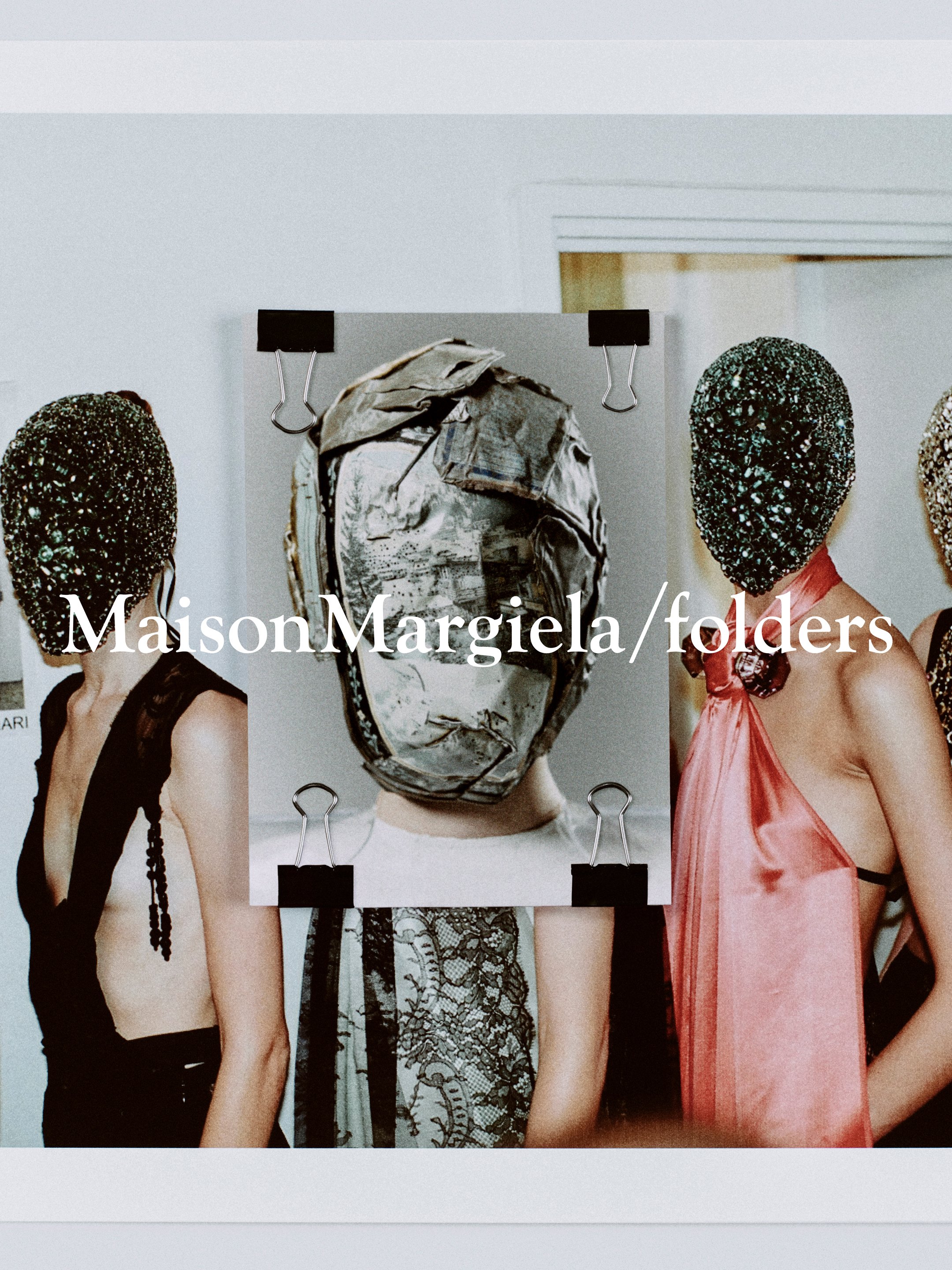
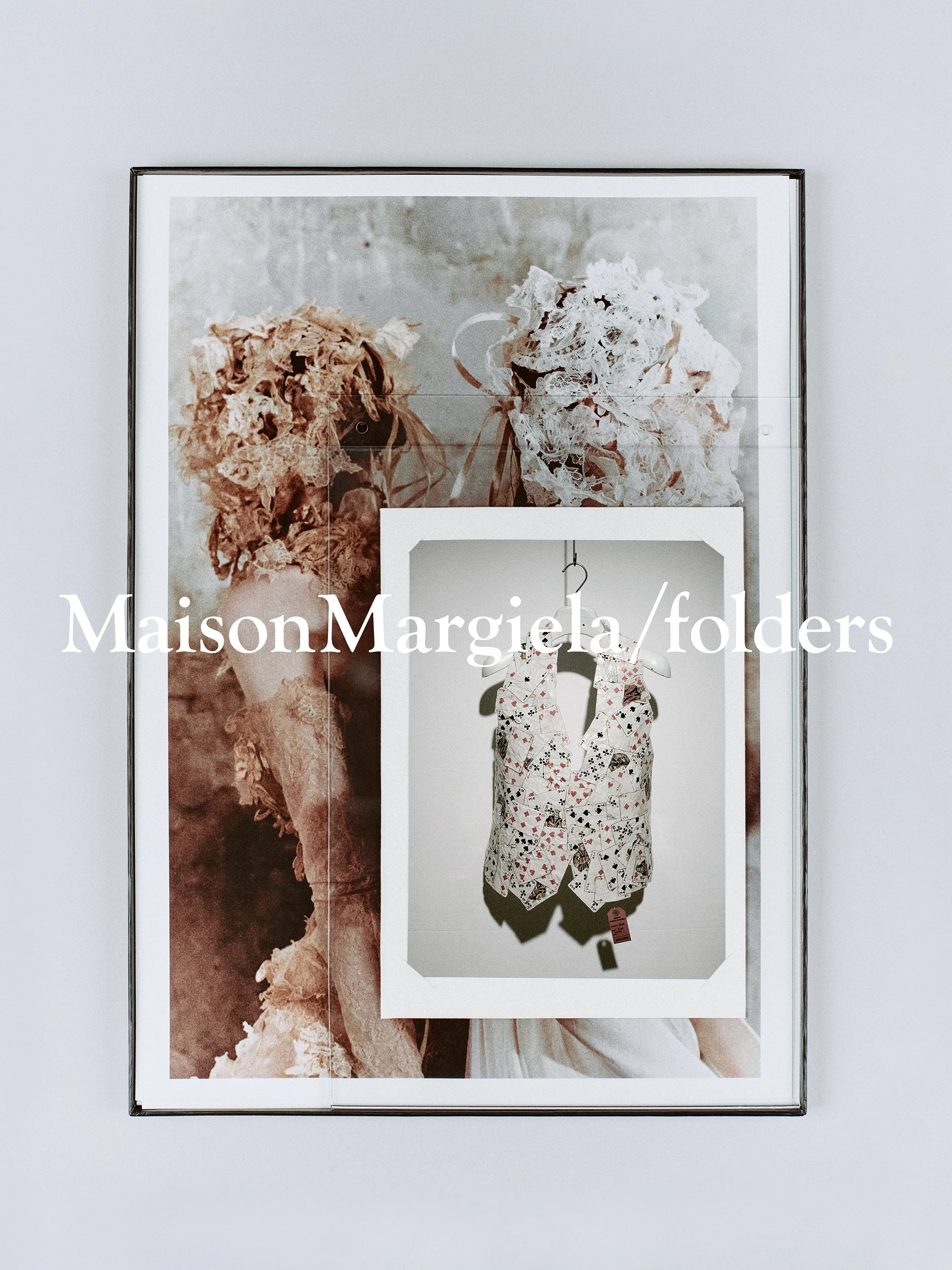
Launching this April across China, MaisonMargiela/folders introduces a new way of experiencing the Maison’s work by opening what has traditionally remained unseen: the internal systems, references, and working documents that shape the brand from concept to execution. At its core, the project distills Maison Margiela’s identity into four foundational codes—Artisanal, Anonymity, Tabi, and Bianchetto—each explored through a series of free, public exhibitions and immersive experiences spanning Shanghai, Beijing, Chengdu, and Shenzhen.
The initiative formally begins with the Fall–Winter 2026 runway show, presented live in Shanghai on April 1 as a special guest of Shanghai Fashion Week. From there, the project expands outward, both geographically and conceptually. Shanghai hosts Artisanal: Creative Laboratory (April 2–6), spotlighting the Maison’s experimental craftsmanship. Beijing follows with Anonymity: Our History of Masks (April 7–12), tracing the brand’s long-standing resistance to celebrity and authorship. Chengdu’s Tabi: Collectors Exhibition (April 9–13) examines the cultural and design legacy of one of fashion’s most recognizable silhouettes, while Shenzhen concludes the series with Bianchetto: Atelier Experience (April 11–12), offering a closer look at the Maison’s emblematic white-painted garments as works perpetually in progress.
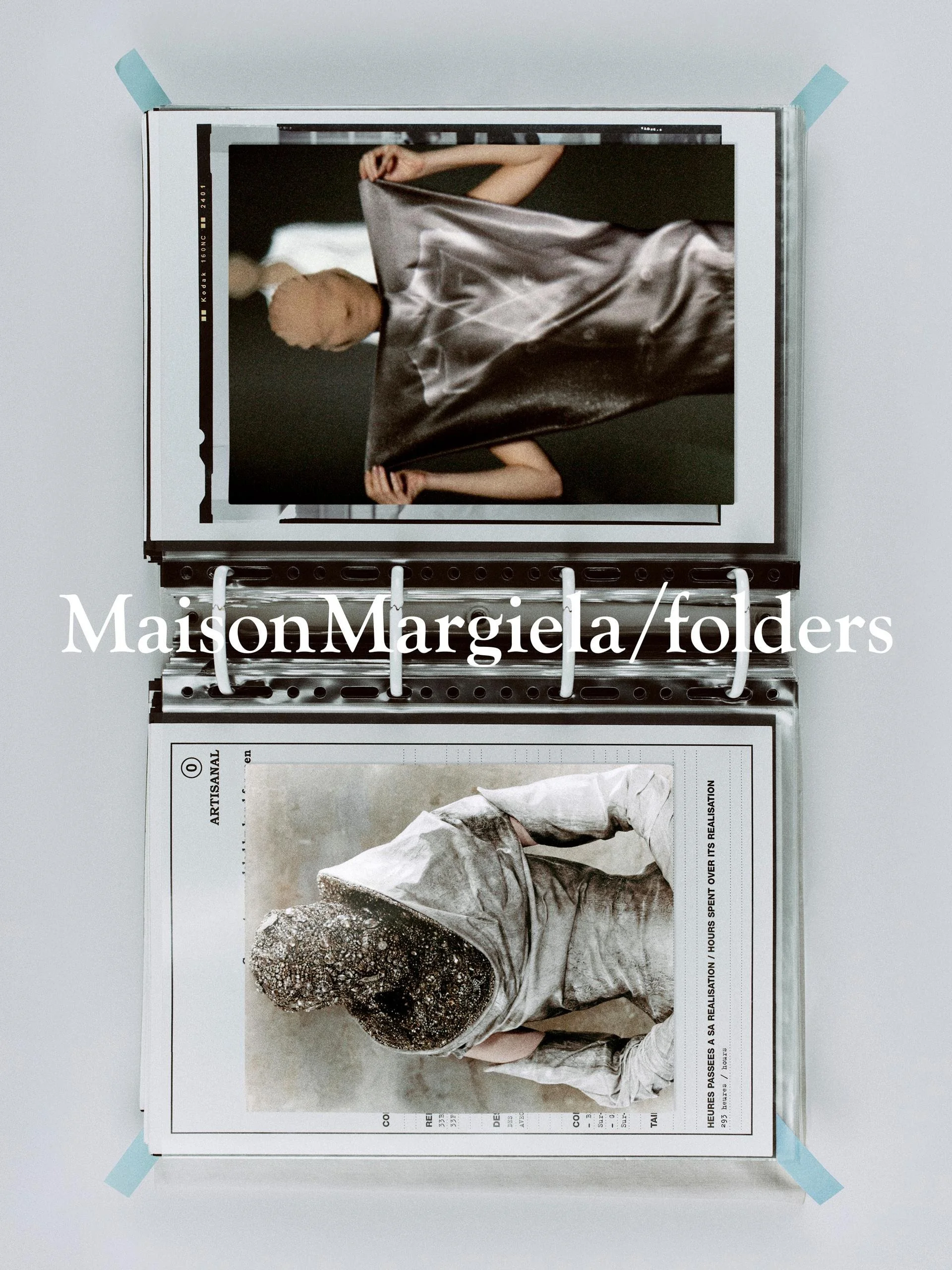
What sets MaisonMargiela/folders apart is not only its physical presence, but its digital radicality. Beginning February 10, the Maison has made its internal Dropbox folders public for the first time, granting global access to images, project timelines, press materials, and working documents typically reserved for internal use. As the project unfolds, new files will be added, allowing audiences to trace the evolution of each exhibition in real time—effectively turning process into product, and archive into living infrastructure.
In a fashion landscape increasingly driven by spectacle, MaisonMargiela/folders offers something quieter and more enduring: an invitation to study, collect, and understand. It positions China not merely as a market, but as a cultural partner in shaping how fashion history is preserved and reinterpreted. More broadly, it signals a shift in luxury toward intellectual openness, where access becomes a form of value and documentation becomes a creative act.
By making its internal language legible to the public, Maison Margiela isn’t diluting its mystique—it’s redefining it. In doing so, MaisonMargiela/folders stands as a blueprint for how heritage brands can honor their past while building new systems for the future—one file at a time.
See more:
HOW DO YOU FEEL ABOUT FASHION?
COMMENT OR TAKE OUR PAGE READER SURVEY
Featured





For decades, luxury in the automotive world was defined by materials, craftsmanship and engineering excellence.