
The Key Factors That Affect Your Quality of Sleep
PAGE
By PAGE Editor
You know that awful, foggy feeling after a terrible night's sleep? When you're just going through the motions, powered by caffeine and sheer will? We chase that magic eight hours, but good sleep is about so much more than just clocking time. It's about depth, rest, and actually waking up refreshed. So, what's really standing between you and a truly good night's rest? Let's talk about the simple things that make all the difference.

Your Sleep Sanctuary: It’s More Than Just a Room
Your bedroom environment is the foundation of sleep hygiene. It’s the sensory input your brain receives even after you’ve nodded off.
Light: Our brains are hardwired to associate darkness with sleep. Even small amounts of light, especially the blue spectrum from charging LEDs or street lamps, can suppress melatonin production (our sleep hormone). Blackout curtains or a good sleep mask aren’t just for luxury; they’re biological necessities.
Temperature: Evolution didn’t prepare us for duvets and central heating. The body needs to drop its core temperature to initiate sleep. A room that’s too warm is one of the most common saboteurs. The sweet spot for most people is a cool 18-20°C.
Noise: Sudden, unpredictable sounds can jolt you awake or pull you out of deep sleep, even if you don’t fully remember it. Consistent, soothing "white noise" or "pink noise" from a fan or an app can mask these disruptions beautifully.
Where Your Body Meets the Bed
You spend roughly a third of your life in bed. What you’re lying on matters immensely. An old, sagging, or unsupportive mattress can cause pressure points, misalign your spine, and lead to a night of micro-awakenings as you shift to find comfort.
Mattress Support and Material: Whether you’re a side, back, or stomach sleeper, your mattress should keep your spine in a neutral position. Materials matter too; memory foam contours, latex is responsive, innersprings are bouncy. There’s no one "best" type, only what’s best for your body.
The Pillow: Your pillow’s job is to support your neck and head, completing the spinal alignment started by your mattress. A pillow that’s too high or too flat can cause neck pain and even affect breathing.
The Upgrade Layer: Sometimes, a new mattress isn’t in the cards, but your current one isn’t cutting it. This is where investing in a high-quality premium mattress topper range can be a game-changer. A good topper can add pressure relief, adjust firmness, and breathe new life into an old bed, creating that "just-right" feel without the flagship price tag.
The Rhythm of Life
Your body thrives on predictability. At the center of this is your circadian rhythm, a 24-hour internal clock regulated by light, but also by your habits.
Wake-Up Time: The single most powerful lever for setting your clock is a consistent wake-up time, even on weekends. Sleeping in disrupts the rhythm, making Sunday night insomnia almost inevitable.
Meal and Exercise Timing: Late, heavy meals force your digestive system to work overnight. Similarly, intense exercise too close to bedtime can be overstimulating. Try to finish eating 2-3 hours before bed and shift vigorous workouts to earlier in the day.
What You Ingest
What you put into your body acts as a direct set of instructions for your nervous system.
Caffeine: It’s not just the afternoon coffee. Caffeine has a half-life of 5-6 hours, meaning half of it is still in your system then. That 4 PM latte could be whispering "stay alert" to your brain at 10 PM.
Alcohol: It absolutely ravages the quality of your sleep. It severely fragments the second half of the night, blocking crucial REM sleep (where we process emotions and memories) and leading to non-restorative, light sleep.
Nicotine and Heavy Meals: Both are stimulants that can keep your system revved up, making it harder to wind down.
The Pre-Bed Ritual
You can’t sprint full-speed into bed and expect your mind to slam on the brakes. The hour before bed is the critical wind-down period.
The Blue Light Glow: Our phones and laptops emit light that tells our brain it’s morning. This is the modern world’s biggest sleep disruptor. A digital curfew an hour before bed is one of the most effective changes you can make.
Mental Stimulation: Checking work emails, engaging in heated online debates, or watching an intense thriller tells your brain it’s time to be alert and anxious, not peaceful and sleepy.
Stress and Anxiety
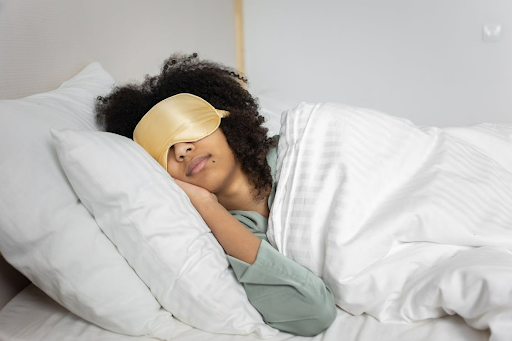
Often, the biggest barrier to sleep isn’t physical; it’s the traffic jam of thoughts in your head. Stress and anxiety activate the "fight or flight" system, the direct opposite of the "rest and digest" state needed for sleep.
The Racing Mind: Lying in the dark with your worries can feel like being trapped with them. This creates a negative association between your bed and anxiety.
The "To-Do" List Brain: Trying to remember everything for tomorrow is a surefire way to keep the cognitive lights on.
There’s no single fix for better sleep. It’s about gently adjusting the small things: your space, your habits, and your mind. Tune into what your body needs, make a few kind changes, and let real rest settle in, night by night.
HOW DO YOU FEEL ABOUT FASHION?
COMMENT OR TAKE OUR PAGE READER SURVEY
Featured




TOMS celebrates its 20th anniversary with The Joy We Share campaign, led by Hannah Bronfman and family, reintroducing iconic archival styles while highlighting the brand’s ongoing commitment to comfort, joy, and social impact.