
A New Chapter for FIT: Jason S. Schupbach and the Future of Fashion Education
PAGE
By PAGE Editor
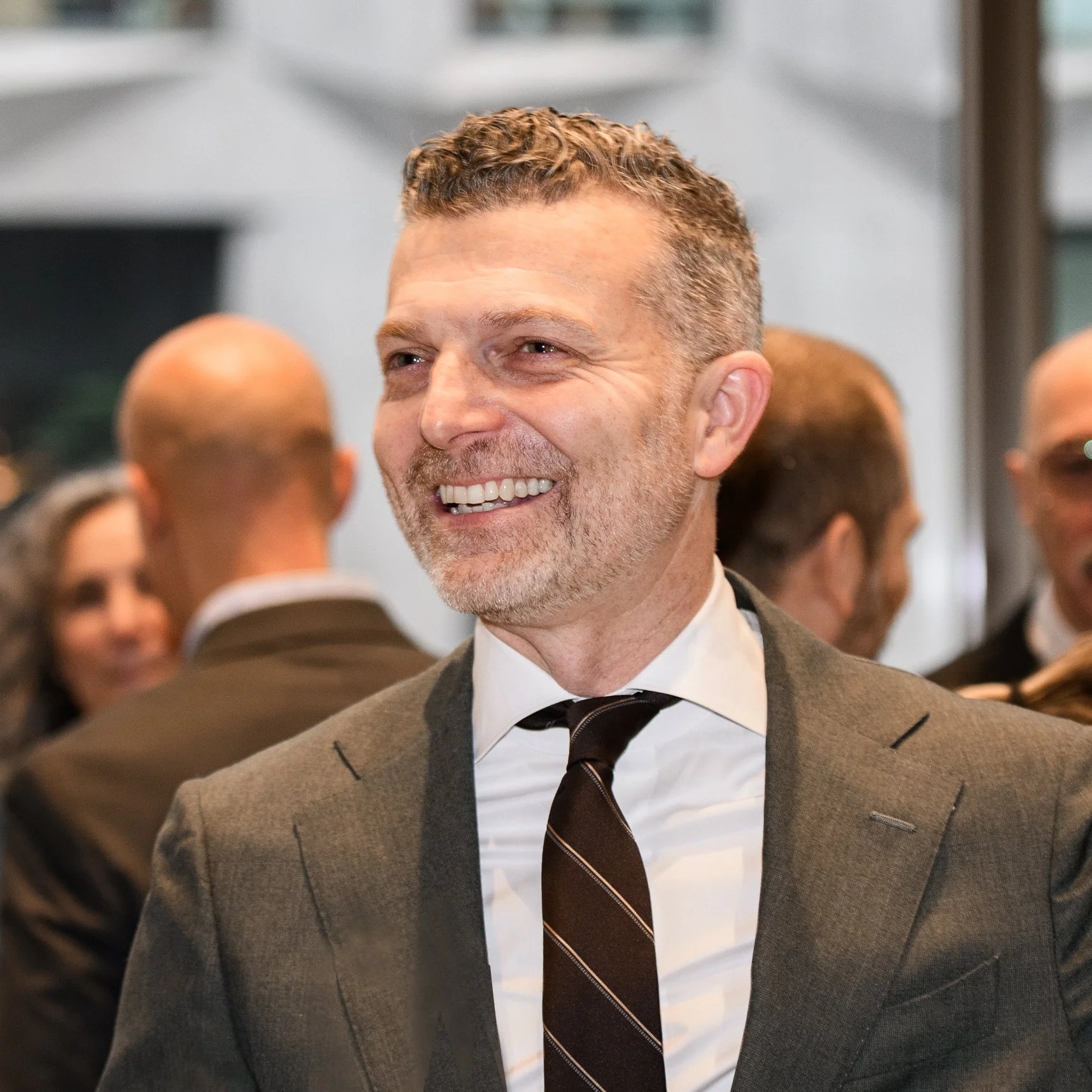
The Fashion Institute of Technology has long stood at the crossroads of creativity, commerce, and culture. With the unanimous appointment of Jason S. Schupbach as its seventh president, FIT signals not just a leadership transition, but a recalibration of how the next generation of fashion talent will be educated, empowered, and connected to the world beyond the classroom.
Schupbach succeeds Dr. Joyce F. Brown, whose nearly three-decade tenure transformed FIT into a globally respected institution and a pipeline for industry-defining designers, executives, and cultural leaders. Her legacy is foundational. Yet Schupbach’s arrival marks a forward-looking shift — one that aligns FIT even more closely with the realities shaping fashion today: interdisciplinarity, community impact, entrepreneurship, and collaboration with industry at scale.
FIT as a “Laboratory for Creative Careers”

In his first remarks as president, Schupbach described FIT as “a laboratory for creative careers for the 21st century.” The phrase is telling. It positions the institution not simply as a school, but as an active testing ground — where fashion intersects with technology, urbanism, sustainability, media, and social change.
This vision reflects Schupbach’s career arc. From leading design education initiatives at Arizona State University, to serving as Dean of Drexel University’s Antoinette Westphal College of Media Arts and Design, to shaping national creative policy at the National Endowment for the Arts, his work consistently centers on one question: how can creative education meaningfully connect to the real world?
For fashion students in particular, this approach could be transformative. The industry they are entering looks radically different from even a decade ago — less linear, more hybrid, and increasingly defined by systems thinking rather than singular aesthetics. Schupbach’s emphasis on cross-disciplinary collaboration suggests a future FIT graduate who is as fluent in strategy, technology, and community engagement as they are in design or merchandising.
Redefining Industry Partnerships
Perhaps the most immediate impact of Schupbach’s presidency will be felt in FIT’s relationship with industry. His track record includes launching a groundbreaking apprenticeship model with URBN and advancing partnerships that embed students directly into professional ecosystems.
For fashion, this matters deeply. As brands grapple with supply chain ethics, digital transformation, sustainability mandates, and shifting consumer values, they need graduates who can operate inside complexity — not just trend cycles. Strengthened industry partnerships mean students gaining earlier access to real-world problem solving, while brands gain talent trained to think critically, ethically, and entrepreneurially.
This model also challenges the traditional hierarchy of fashion education, where prestige often hinges on exclusivity. FIT’s access mission — central to its identity as a SUNY institution — remains intact, but under Schupbach, access may increasingly mean access to opportunity, networks, and influence.

Fashion’s Role in Communities and Culture
Another defining element of Schupbach’s leadership is his belief in the social power of art and design. His work in creative placemaking, urban cultural planning, and community development reframes fashion not just as an industry, but as a civic force.
For the next generation of fashion leaders, this signals an expanded mandate. Design is no longer isolated from questions of equity, urban life, labor, or public policy. FIT students — already embedded in New York City, one of the world’s most complex creative ecosystems — may now be encouraged to see their work as part of broader cultural and economic systems.
This perspective is particularly resonant at a moment when fashion is being asked to reckon with its environmental impact, labor practices, and cultural narratives. Education that connects creativity to responsibility will shape designers, executives, and storytellers who understand fashion’s influence beyond the runway.
What This Means for the Future of Fashion
Jason S. Schupbach’s presidency arrives at a pivotal moment. Fashion education is under pressure to evolve — faster, more inclusively, and with greater relevance to a changing world. FIT, already a cornerstone of American fashion education, now has leadership explicitly oriented toward experimentation, partnership, and long-term impact.
For students, this could mean broader pathways into the industry. For brands, a new generation of collaborators. And for fashion as a whole, a signal that education is no longer about producing specialists alone, but about cultivating creative leaders equipped to shape systems, communities, and culture.
In welcoming its seventh president, FIT is not closing a chapter — it is opening a new one. One that positions the institution, and the industry it serves, firmly in dialogue with the future.
HOW DO YOU FEEL ABOUT FASHION?
COMMENT OR TAKE OUR PAGE READER SURVEY
Featured




At Milan Fashion Week Fall/Winter 2026, Global Fashion Collective spotlighted Japan’s TETTE and China’s JUMPER ZHANG in a Milan showcase that fused sustainability, symbolism, and cross-cultural craftsmanship under one historic roof.