
Wet Wipes Are the Worst Thing for Your Sneakers, According to a Footwear Expert
PAGE
By PAGE Editor
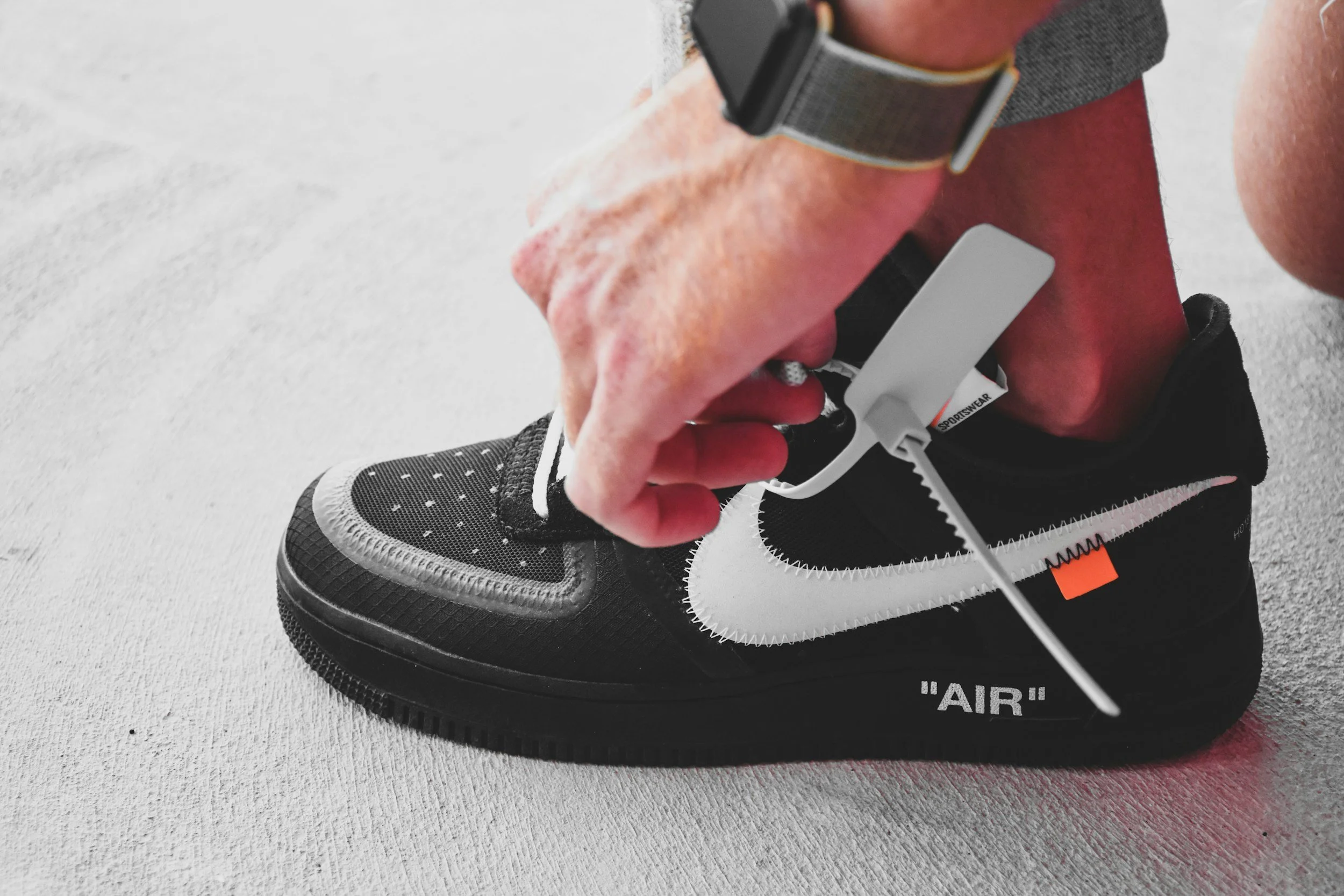
When a scuff appears on your white sneakers just moments before heading out the door, reaching for a wet wipe feels like an easy solution. It’s fast, convenient, and seems harmless. But according to footwear experts, this common cleaning shortcut may be quietly ruining your shoes.
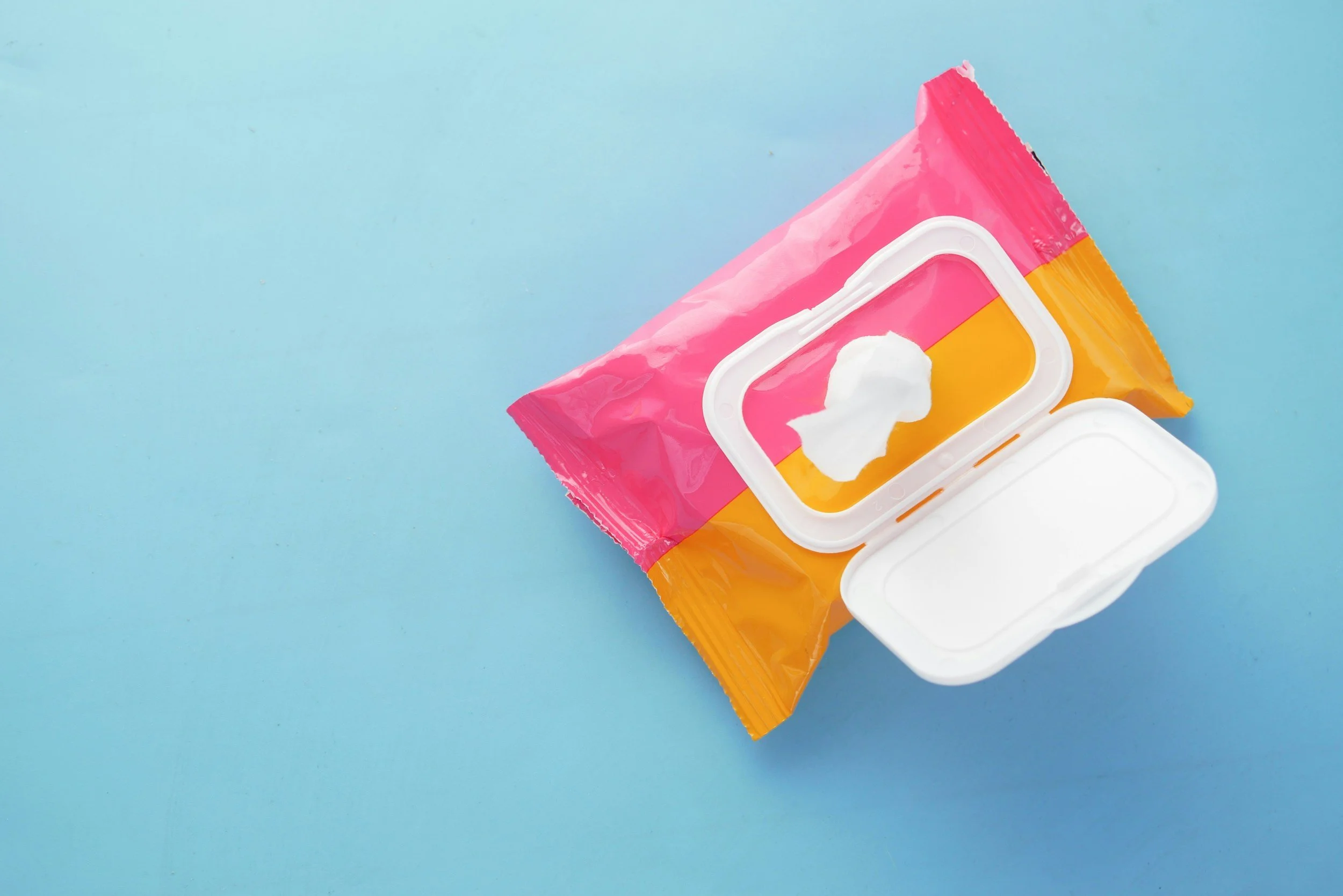
Wet wipes have become a go-to fix for sneaker owners, especially those trying to keep white trainers looking fresh. However, Leanna Spektor, Co-Founder and Style Expert at Brand House Direct, says this habit is one of the most damaging mistakes people make when caring for their footwear.
“People don’t realize that wet wipes weren’t designed for sneaker care,” Spektor explains. “They contain chemicals that work well on skin or household surfaces, but those same ingredients actively break down the materials sneakers are made from.”
With more than 20 years of experience in the footwear industry, Spektor has seen countless sneakers age prematurely due to improper cleaning methods. From cracked leather to yellowed soles, the damage caused by wet wipes is often irreversible.
Why Wet Wipes Damage Sneakers
The issue lies in what wet wipes contain. Most are formulated with alcohol, fragrances, preservatives, and surfactants—ingredients meant to break down dirt and bacteria. While effective for their intended use, these chemicals are far too harsh for sneaker materials.
“When you use a wet wipe on your sneakers, you’re stripping away protective coatings and natural oils that keep materials flexible and intact,” says Spektor.
Over time, repeated use accelerates wear, fading, and structural breakdown across nearly every part of a sneaker.
The Effect on Leather
Leather sneakers are especially vulnerable. According to Spektor, alcohol and surfactants remove the natural oils that keep leather supple. Without them, the material dries out, becomes stiff, and develops fine lines that eventually turn into cracks.
The chemicals also weaken protective finishes, leaving leather exposed to stains, moisture, and environmental damage. What begins as a quick clean ultimately makes sneakers harder to maintain and more prone to visible aging.
What Happens to Mesh and Suede
Mesh and suede materials suffer in different ways. Wet wipes cause mesh uppers to fade faster and weaken delicate fibers, increasing the risk of tearing or holes.
Suede, however, is the most sensitive of all. “The texture that makes suede attractive comes from tiny surface fibers,” Spektor explains. “Wet wipes flatten and damage those fibers, leaving shiny, hardened patches that are nearly impossible to restore.”
Once the suede nap is matted down, the material loses its signature soft appearance—often permanently.
Damage to Rubber and Synthetics
Even rubber soles and synthetic components aren’t immune. The chemicals in wet wipes can break down adhesives that hold sneakers together, leading to separating soles or peeling design elements.
Spektor also notes that frequent exposure dries out rubber, contributing to yellowing on white soles and midsoles. Over time, rubber loses flexibility and shock absorption, affecting both comfort and performance.
The Hidden Problem: Residue
Beyond immediate damage, wet wipes leave behind a thin residue that doesn’t fully evaporate. This film attracts dirt and grime, making sneakers look dirty again much faster.
“It’s ironic,” says Spektor.
“People use wet wipes thinking they’re keeping their sneakers clean, but the residue actually makes them look dirtier sooner. That leads to more frequent cleaning—and even more damage.”
Safer Ways to Clean Your Sneakers
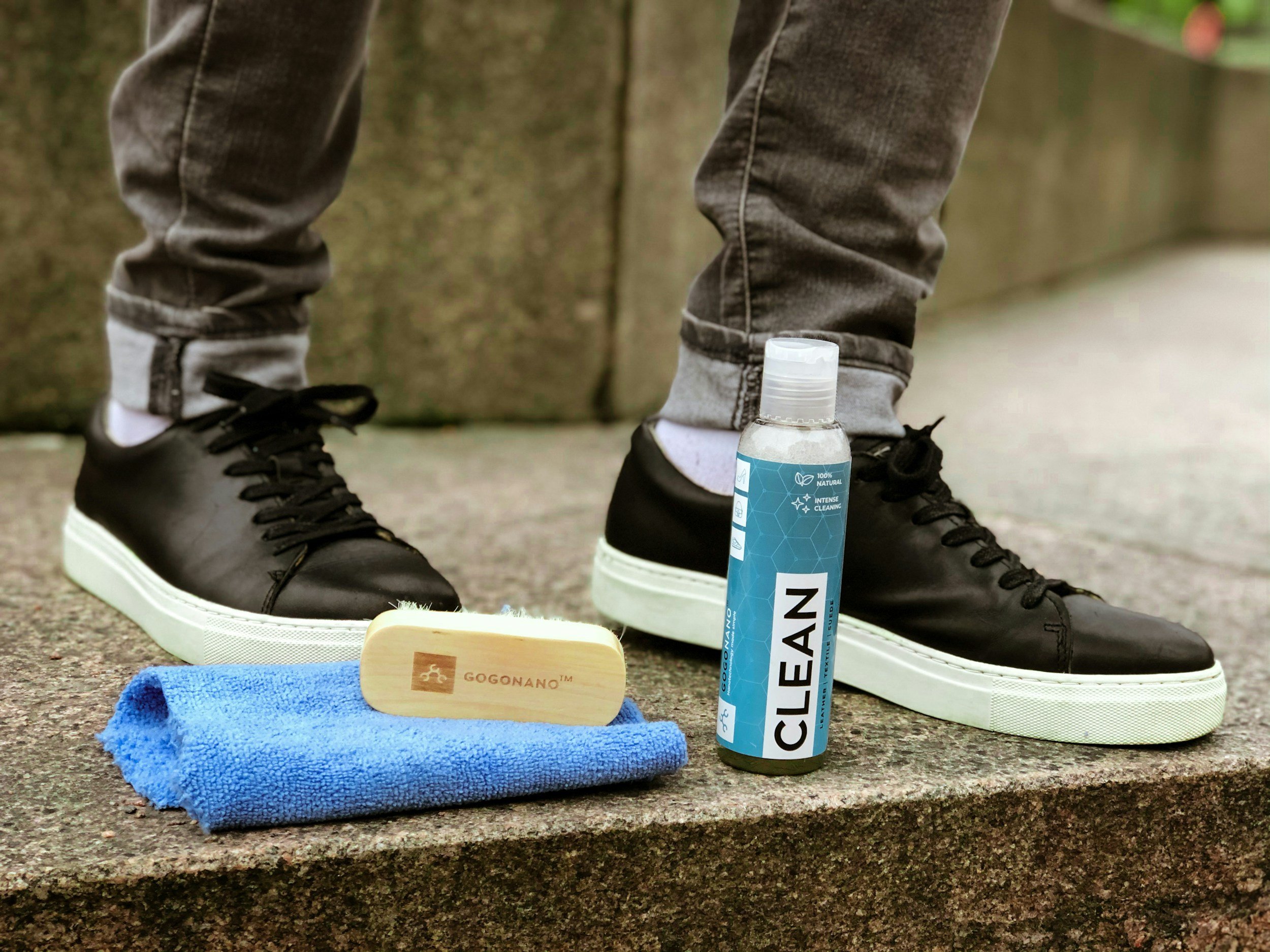
Proper sneaker care doesn’t have to be complicated. Spektor recommends using a microfiber cloth dampened with plain water and a small amount of mild soap for most materials. For mesh areas, a soft-bristled brush helps lift dirt without damaging fibers.
For those who want convenience, sneaker-specific cleaning wipes are a safer alternative, as they’re formulated without harsh chemicals. Leather sneakers should always be finished with a leather conditioner to restore lost oils and prevent cracking.
“Taking a few extra minutes to clean your sneakers properly can add years to their lifespan,”
Spektor says.
“It’s a small effort that makes a noticeable difference.”
HOW DO YOU FEEL ABOUT FASHION?
COMMENT OR TAKE OUR PAGE READER SURVEY
Featured




Finding a perfume that survives the Nigerian heat is not always easy.