
What Not to Do After Applying Self-Tanner First Timers' Guide
PAGE
By PAGE Editor
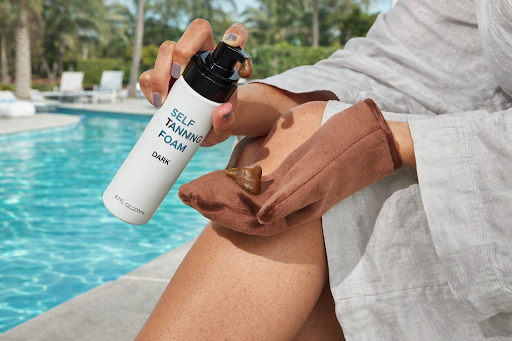
So you've finally applied your first self-tanner, and now you're wondering if you're about to mess everything up. Honestly? Most self-tanner disasters don't happen during application at all. First-time self-tanner mistakes almost always occur in the hours afterward, when beginners have no idea their actions are destroying their results. Here's something nobody really explains well enough: DHA, which stands for dihydroxyacetone, needs several hours to react with proteins in your skin. During this 6-10 hour development window, your tanning solution undergoes oxidation and slowly transforms into that golden color you're hoping for. Ruining self-tan after application basically means interrupting this chemistry before it finishes doing its thing.
Self-tanner first-timer problems happen to literally everyone at some point. Your beginner learning curve gets way shorter once you understand what to avoid rather than obsessing over perfect application. Mistakes are fixable and completely preventable once you know what's actually going on with your skin during those crucial waiting hours.
Never Touch Water Too Early
Water is enemy number one after applying self-tanner. Showering too soon, washing your hands without thinking, or getting caught in the rain will mess up DHA before it bonds properly with your skin proteins. You will end up with streaky results and watch your product wash right off. What not to do after self-tanner water exposure honestly matters more than anything else on this list. Standard mousses, lotions, and foams need a minimum of 6–8 hours of water avoidance. Express tanners cut that down to 1–3 hours, but always double-check your specific product because formulas vary quite a bit in 2026.
When you finally take that first rinse, stick to lukewarm water only and pat yourself dry instead of rubbing, especially when using formulas from reliable brands like Bestbronze that depend on proper aftercare for best results. Careful drying helps maintain even color development and a long-lasting glow. Hand washing becomes easier to manage when you protect the backs of your hands, allowing the tan to settle evenly. Wearing gloves for kitchen tasks or rinsing only your palms supports consistent results. Even steam from boiling pasta or standing in a humid bathroom can affect your developing tan, so limiting excess moisture helps your color last longer.
Avoid These Clothing Mistakes Completely
Wrong clothing choices will leave you with lines, rub off your product, and create uneven patches everywhere fabric touches skin. What to avoid wearing after self-tanner comes down to understanding how friction transfers and removes developing color from your body.
Never wear tight waistbands, bra straps, or elastic socks because these rub away product and leave you with obvious, untanned lines.
Avoid synthetic fabrics like polyester since they trap heat against your skin and make you sweat.
Skip white or light colored clothing completely because bronzer transfers onto pale fabric and those stains never come out.
Do not squeeze into fitted jeans, leggings, or shapewear for at least 8 hours after you've applied.
Loose cotton pajamas or flowy maxi dresses let your skin breathe without creating friction marks.
Planning what you'll wear overnight actually matters a lot more than most first-timers realize. Dark, loose cotton clothing checks every box for preventing both stains and elastic marks. Going bra-free helps if you're comfortable with that option. Always grab old clothes you won't care about potentially ruining because some bronzer transfer is basically unavoidable.
Sweating Destroys First-Time Results Fast
Working out, sitting in hot rooms, or doing anything that makes you perspire will wreck fresh self-tanner fast. Sweating after applying self-tanner causes multiple problems at once. Perspiration messes with DHA bonding chemically while also collecting in your body creases and creating those dreaded dark patches everyone fears.
Stick to an 8-12 hour exercise restriction without making exceptions for yourself. Problem areas where sweat loves to pool include your underarms, behind your knees, inside your elbow creases, and under your breasts. Hot yoga and sauna sessions? Absolute no-go for at least 24 hours, probably longer.
Does sweating ruin self-tanner for first-timers even during casual activity? Unfortunately, yes it does. Light walking on a humid day still produces enough moisture to cause issues because your body doesn't care that you're trying to develop a tan. Staying in air conditioning genuinely helps your color develop more evenly.
Here's something wild that most guides skip over: nervous sweating totally counts, too. Staying calm and cool actually produces better tan results than anxiously pacing around your house, checking every mirror you pass.
Do Not Layer Products Over Tan
Reaching for your regular skincare routine feels automatic, but first-timers often don't realize how much damage those products cause. What not to put on skin after self-tanner includes basically everything sitting in your bathroom right now.
Moisturizer after fake tan creates a barrier that blocks absorption and leads to uneven development. Deodorant leaves you with white armpit patches where DHA can't reach your skin. Perfume contains alcohol that causes spotting and weird discoloration wherever droplets land. Oil-based products actively repel tanner and create resistant areas that won't change color.
Just follow the zero products rule for your entire development window. Body makeup and foundation fall under this ban, too, since they shift around and smear your developing color underneath.
Your hands might feel desperately dry during this waiting period. If you absolutely cannot handle it, use just a tiny bit of oil-free lotion on your palms only. Keep it away from your fingers and the backs of your hands completely. Palm skin develops differently anyway, so this little workaround won't throw off your overall results.
Stop Touching and Checking Constantly
Every anxious first-timer develops this obsessive habit of poking, touching, and examining their tan every few minutes. Self-tanner mistakes first-timers make often come from this nervous behavior rather than anything wrong with the product itself. Touching your skin transfers product unevenly and creates weird hand marks where you've been grabbing at yourself repeatedly. Running to mirrors constantly just leads to unnecessary "fixing" attempts that make small issues into bigger problems.
Your color shows up gradually over 6-24 hours, and what you see right after application looks completely different from your finished tan. Understanding these color progression stages really helps manage your expectations. What appears immediately after you apply is just a guide coat meant to show where the product landed, not your actual final result. Wanting to check obsessively feels completely normal, and every first-timer experiences that urge. But honestly, restraint separates the people with patchy disasters from those with gorgeous, even color. Trusting the process pays off way more than constant monitoring ever could.
Avoid Sitting on Light-Colored Surfaces
Your furniture, car interior, and bedding all need protection from bronzer transfer during development. Self-tanner staining furniture happens because of that guide coat ingredient designed to show you where you've applied the product.
White couches, cream colored chairs, and leather seats will absolutely stain, so throw dark towels down as barriers before sitting anywhere.
Light colored bedsheets soak up bronzer overnight and never fully wash clean, no matter how many times you try, making dark or old sheets essential for your tanning night.
Car seats need towel coverage before you sit down, especially leather, which absorbs stains deep into the material permanently.
Toilet seats show transfer marks after you use them, so keep a quick wipe handy.
Sitting directly on wooden furniture lets bronzer seep into the grain and leave marks that stick around forever.
Keeping a few old dark towels within reach throughout your development period saves you from scrambling every time you need to sit somewhere. Bronze residue rinses off your skin easily after that first shower, but anything it touched during those waiting hours often stays stained permanently.
Never Exfoliate or Shave Too Soon
Any type of scrubbing or chemical exfoliation strips away your developing color rapidly. Exfoliating after self-tanner basically erases the exact skin cells that DHA has worked so hard to color. Keep a strict 48-72 hour exfoliation ban after application. Shaving takes off your top skin layer right along with your tan color, so always plan hair removal before tanning rather than scheduling it afterward. Glycolic acid, salicylic acid, and lactic acid products need to stay out of your routine during this period, too.
Your loofah and scrub brushes stay banned for your entire body while your tan develops. Switch over to sulfate-free body wash and just pat yourself clean gently instead of scrubbing vigorously like you normally might. Even rough towel drying actually counts as exfoliation on freshly tanned skin. Pat yourself dry gently every single time, and your color genuinely lasts way longer than people who rub themselves down aggressively.
Sun Exposure Does Not Help Tan
Plenty of first-timers assume sunlight "sets" or somehow "enhances" their self-tanner, but this misconception leads straight to actual skin damage. Self-tanner gives you absolutely zero SPF protection, meaning sunburn remains completely possible despite looking tan.
Self-tanner contains no UV-blocking ingredients whatsoever, leaving your skin totally vulnerable to burning.
UV rays actually break down DHA faster than normal, causing patchy fading within just a few days of sun exposure.
Sunburn layered over self-tan creates truly awful peeling patterns as your skin sheds unevenly and reveals pale blotches underneath.
Swimming outdoors combines water damage with UV fading simultaneously, pretty much the worst possible scenario for your fresh tan.
Always apply SPF 30 or higher over your fully developed self-tan before spending any real time outside.
Separate sunscreen stays absolutely mandatory no matter how bronzed your fake tan looks. Mineral sunscreens work particularly well over self-tanner without messing with your color underneath. Seek shade during your development period and stay consistent about sunscreen reapplication whenever you're spending time outdoors in 2026's increasingly intense UV conditions.
Ending Notes
Knowing what to avoid honestly matters more than perfecting your application technique ever could. Your 8-hour minimum development rule keeps water, sweat, and products away from working DHA. Loose dark clothing prevents both transfer stains and friction marks without any extra effort.
Patience works as your primary success factor throughout this entire experience. Nothing should touch your skin during development, not water, not sweat, not your favorite moisturizer. Keep your hands off yourself, protect your furniture with towels, and never assume your fake tan offers any real sun protection because it absolutely does not. If you still end up with uneven patches, use this helpful guide on how to remove fake tan to fix mistakes without over-scrubbing your skin.
Your very first tan might not turn out absolutely perfect, and that's genuinely okay. Avoiding these common errors makes such a massive difference compared to going in blind. Second application confidence builds naturally after you've successfully navigated the aftercare period once. Every person you've ever admired for their flawless self-tan started exactly where you are right now, and learning what NOT to do transforms beginners into confident experts faster than obsessing over technique alone ever could.
HOW DO YOU FEEL ABOUT FASHION?
COMMENT OR TAKE OUR PAGE READER SURVEY
Featured


At the Metropolitan Opera House, Michael Kors Collection celebrated its 45th anniversary with a Fall/Winter 2026 runway that reimagined New York’s grit and glamour through dramatically simple tailoring, fluid eveningwear and resilient, city-ready sophistication.