
Can’t Stop Clicking? How to Recognize Signs of Online Casino Dependence

PAGE
By PAGE Editor
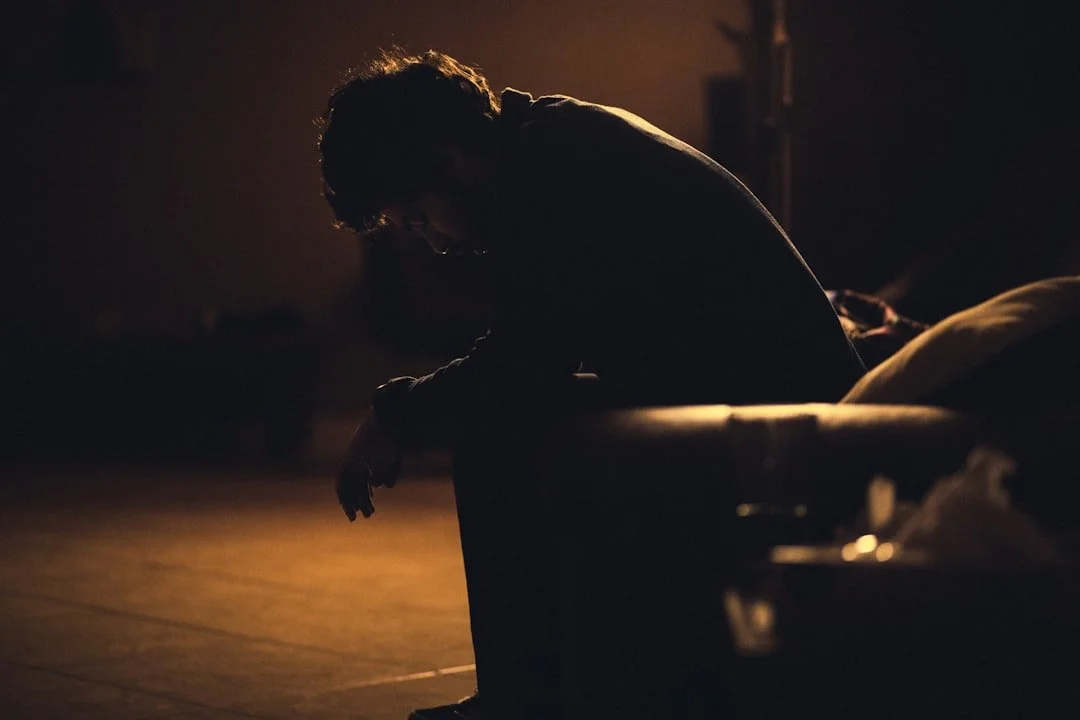
It starts with fun. A few spins here, a blackjack hand there. You win some, you lose some, and for a while, it feels manageable. But then you catch yourself checking the app during work. Sneaking in a few rounds when you're supposed to be relaxing. Lying about how much time or money you’ve spent. What started as harmless entertainment now feels like something else entirely—something stickier. Online casino dependence doesn’t always look dramatic, but it creeps in quietly, and recognizing the signs early can save you from a much harder crash later.
The Shift from Habit to Compulsion—What It Feels Like
Not all routines are red flags, but when a behavior goes from optional to automatic, you’re not the one calling the shots anymore. One of the first signs of dependence isn’t how much you gamble—it’s how hard it is to stop.
It’s Always on Your Mind
You find yourself planning your next session, even during non-gambling activities
You’re checking odds, thinking about bonuses, or mentally reliving wins
Normal tasks start to feel like distractions from your real focus: the next bet
You Feel Irritable or Restless When You Try to Stop
“Just one more spin” becomes a mantra—and stopping feels physically uncomfortable
Mood swings kick in when you can’t gamble, even if you weren’t planning to
Gambling starts feeling like a relief from boredom or stress—not a choice
Time Feels Distorted While You Play
You sit down for “five minutes” and look up hours later
Meals, sleep, or responsibilities get skipped or delayed without noticing
You feel dazed or mentally foggy after long sessions
When the Wins Don’t Feel Good—And Losses Don’t Teach You Anything
In healthy gambling, wins are exciting and losses sting—but both have clear emotional boundaries. When those feelings get dulled, or replaced by something darker, it’s a warning light your brain is ignoring the signals it’s supposed to respond to.
Wins Feel Empty
You hit a jackpot and feel… nothing. Or worse—just a need to keep playing
The high doesn’t land anymore, or it vanishes almost instantly
You start needing bigger wins or longer sessions just to feel engaged
Losses Trigger Shame, Not Reflection
After losing, you don’t pause—you double down, reload, or chase immediately
You avoid looking at your statements, balances, or session history
The idea of “tracking your spending” makes you anxious—so you don’t
The Game Feels Mandatory
You gamble out of habit, not desire
It becomes something you do in spite of the consequences, not because of the rewards
Even on days when you promise not to, you find yourself right back in front of the screen
Your Life Starts Shifting Around the Habit
The biggest clue? Your daily life bends to accommodate gambling. This doesn’t always mean missing rent or emptying your bank account. It can show up in smaller, quieter ways that add up to a major disruption.
You Lie or Hide Details About Your Gambling
You downplay how often you play or how much you’ve spent
You keep separate accounts, delete browser history, or switch between platforms to stay unnoticed
You get defensive when someone brings it up—even casually
Other Priorities Get Pushed Aside
You cancel plans or ignore work to gamble “just a bit longer”
Hobbies you used to enjoy feel boring or pointless compared to casino play
Bills, meals, even hygiene sometimes take a back seat
You Feel Out of Control—But Keep Going
You know your behavior isn’t healthy, but the urge wins anyway
You’ve tried to stop before, maybe even succeeded for a little while—but always went back
Gambling starts to feel like the only thing that makes the day feel “right,” even when everything else is off
Final Thought
Online casino dependence doesn’t always look like a rock-bottom crash. More often, it looks likea slow erosion—of time, peace of mind, and self-trust. Recognizing the signs early gives you power. It gives you space to change, reset, and rebuild without shame. If you’ve noticed yourself slipping, you’re not weak. You’re human. And it’s never too late to take back the wheel. Step one? Acknowledge the pattern. Step two? Break it—before it breaks you. Finally, if you are looking for one of the best platforms, then explore articles from Hudson Reporter on the topic!
HOW DO YOU FEEL ABOUT FASHION?
COMMENT OR TAKE OUR PAGE READER SURVEY
Featured





Nobody starts out as a cigar aficionado.