
Art Hearts Fashion Scales New York Fashion Week Into A Global Runway Platform
PAGE
By PAGE Editor
At a time when fashion week calendars feel increasingly fractured—split between legacy houses, independent showcases, and digital-first experiments—New York Fashion Week Powered by Art Hearts Fashion continues to carve out something distinct: a global runway ecosystem that collapses borders in real time.
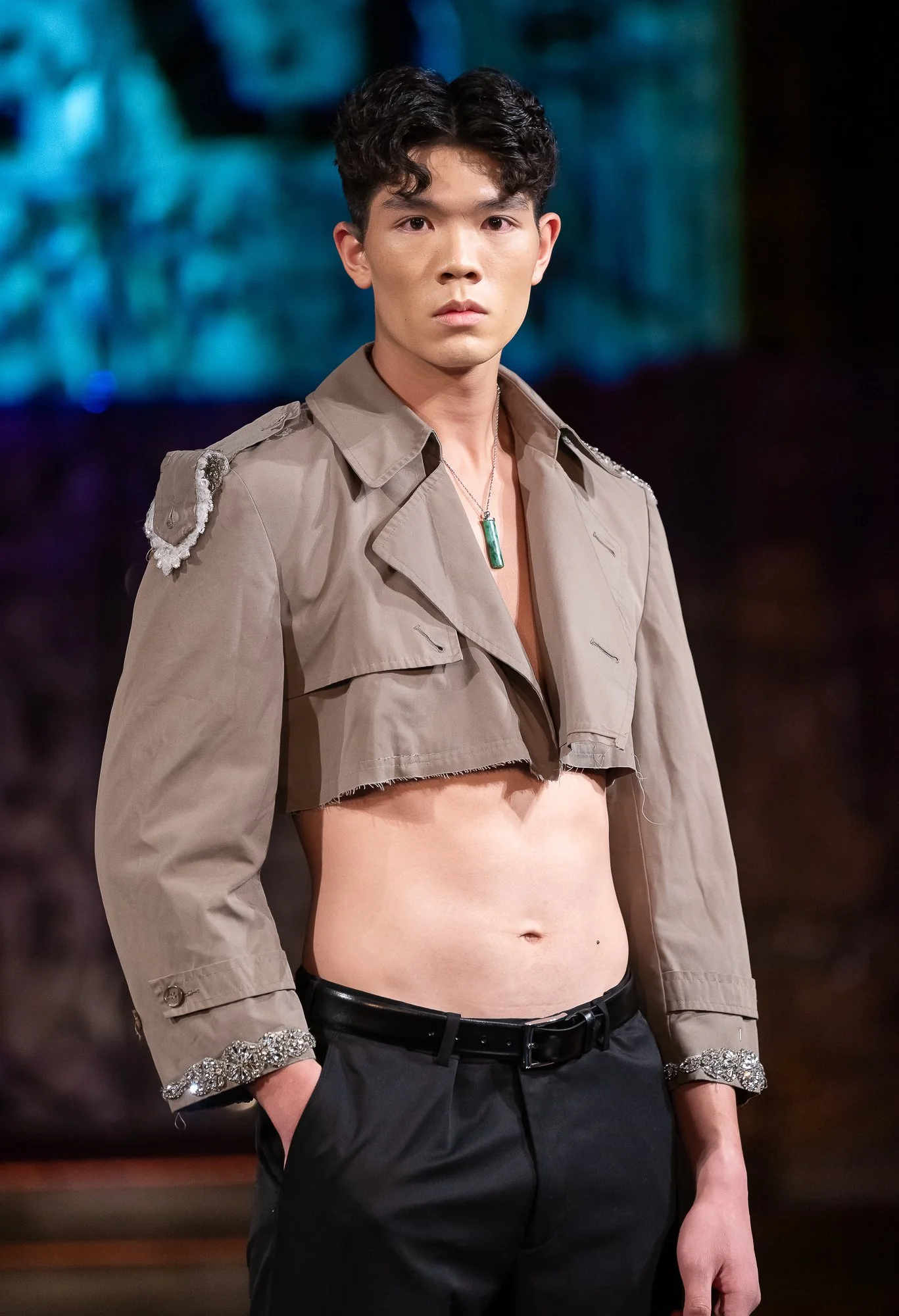
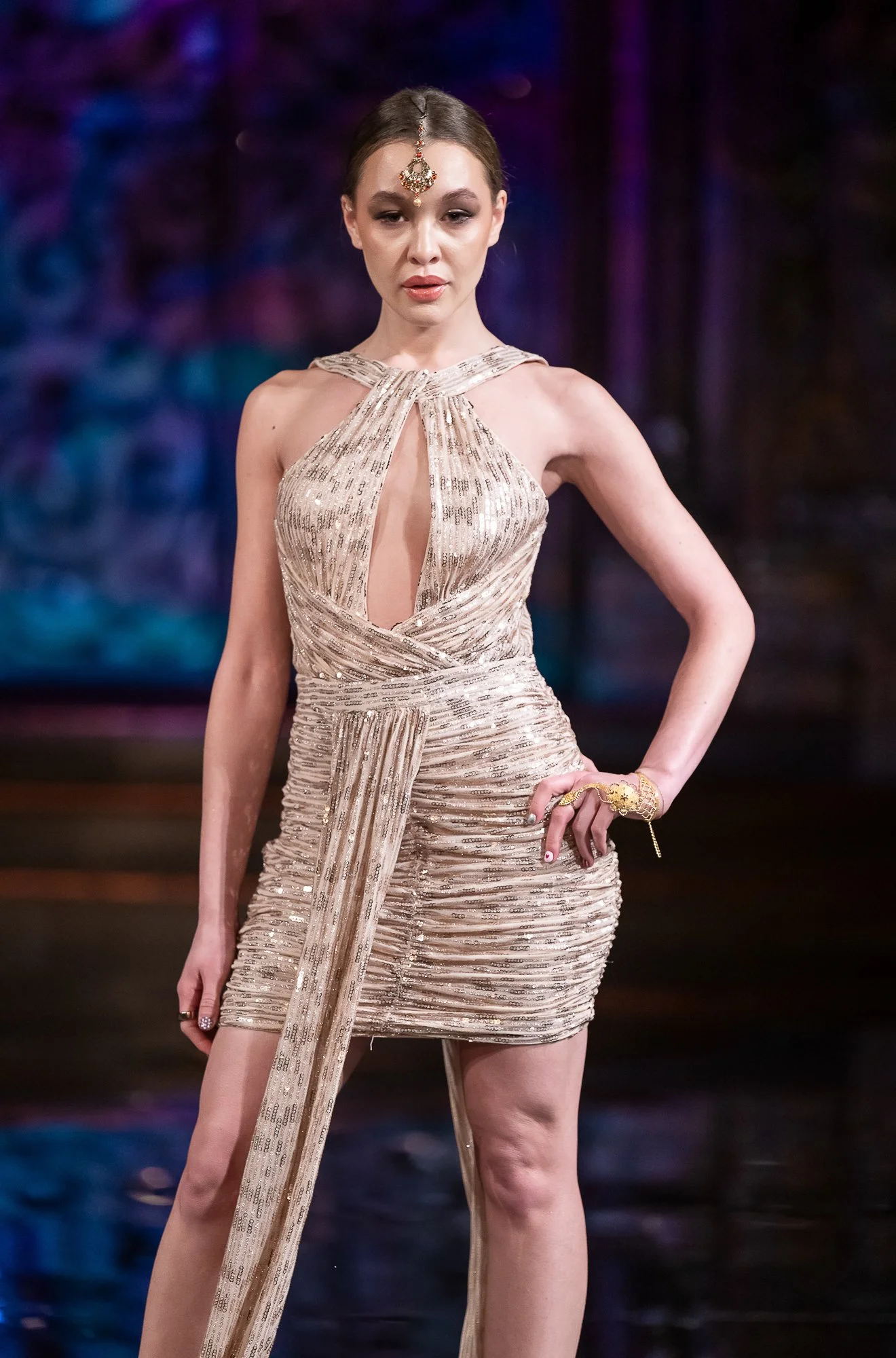
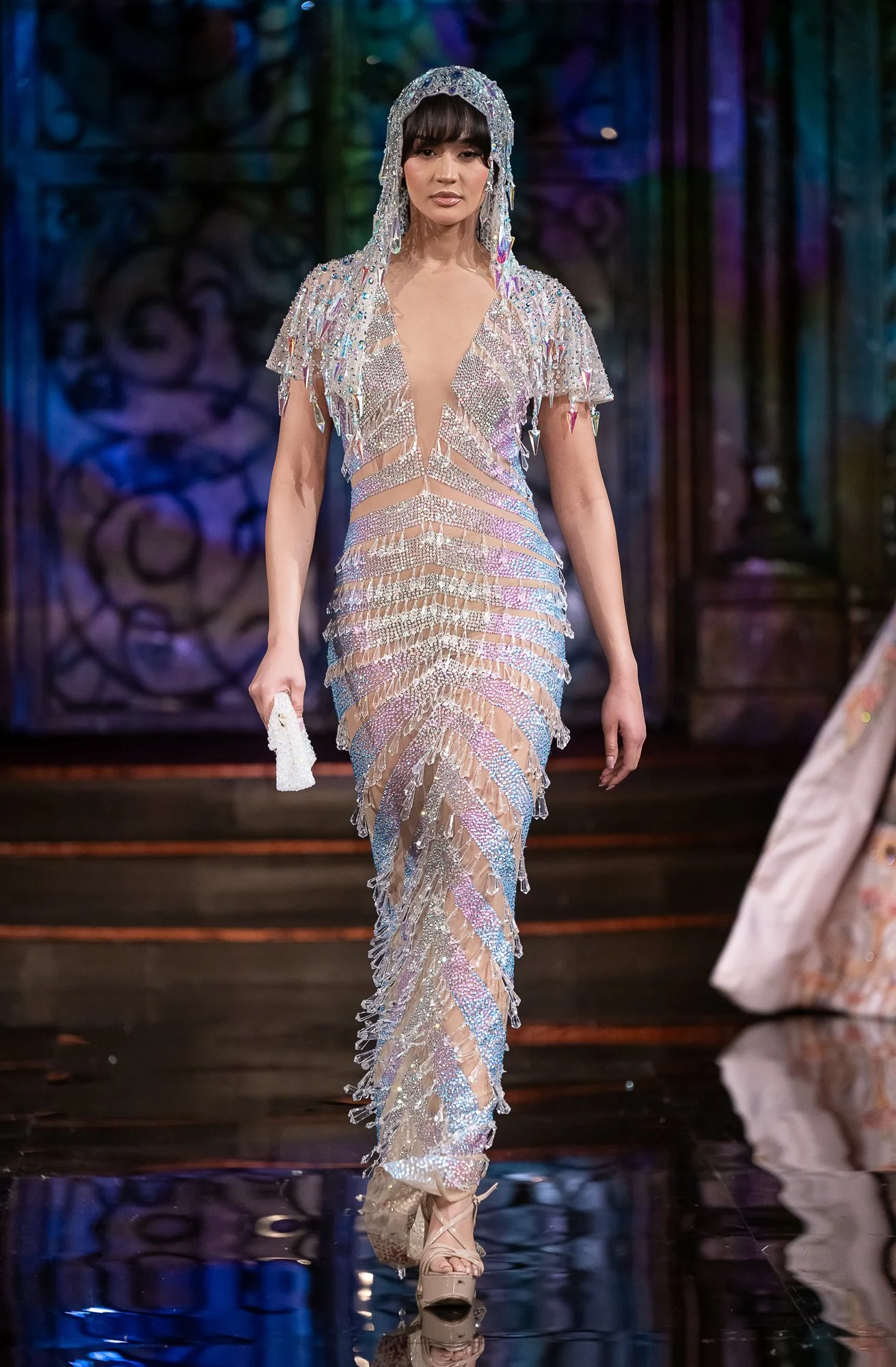
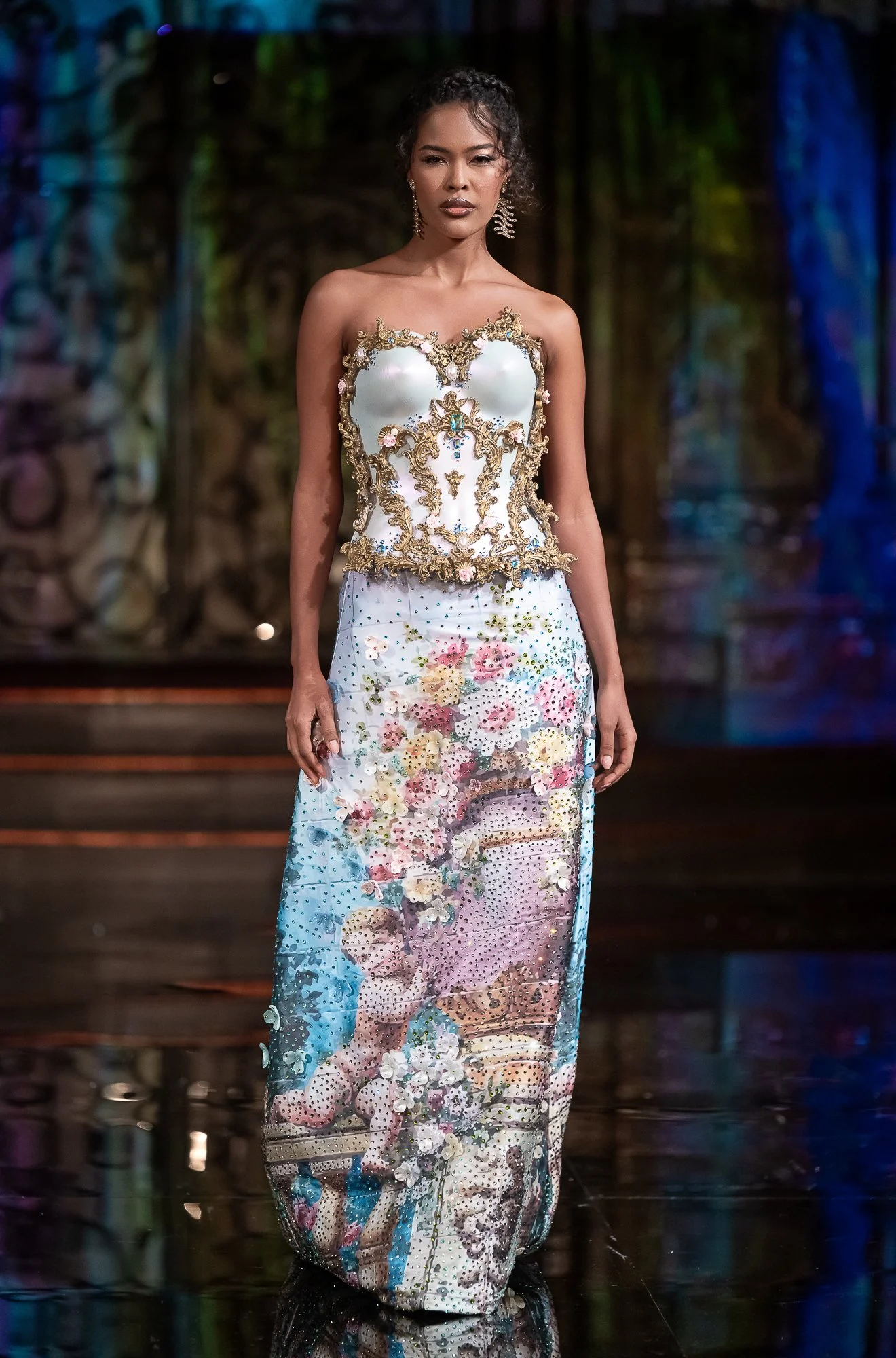
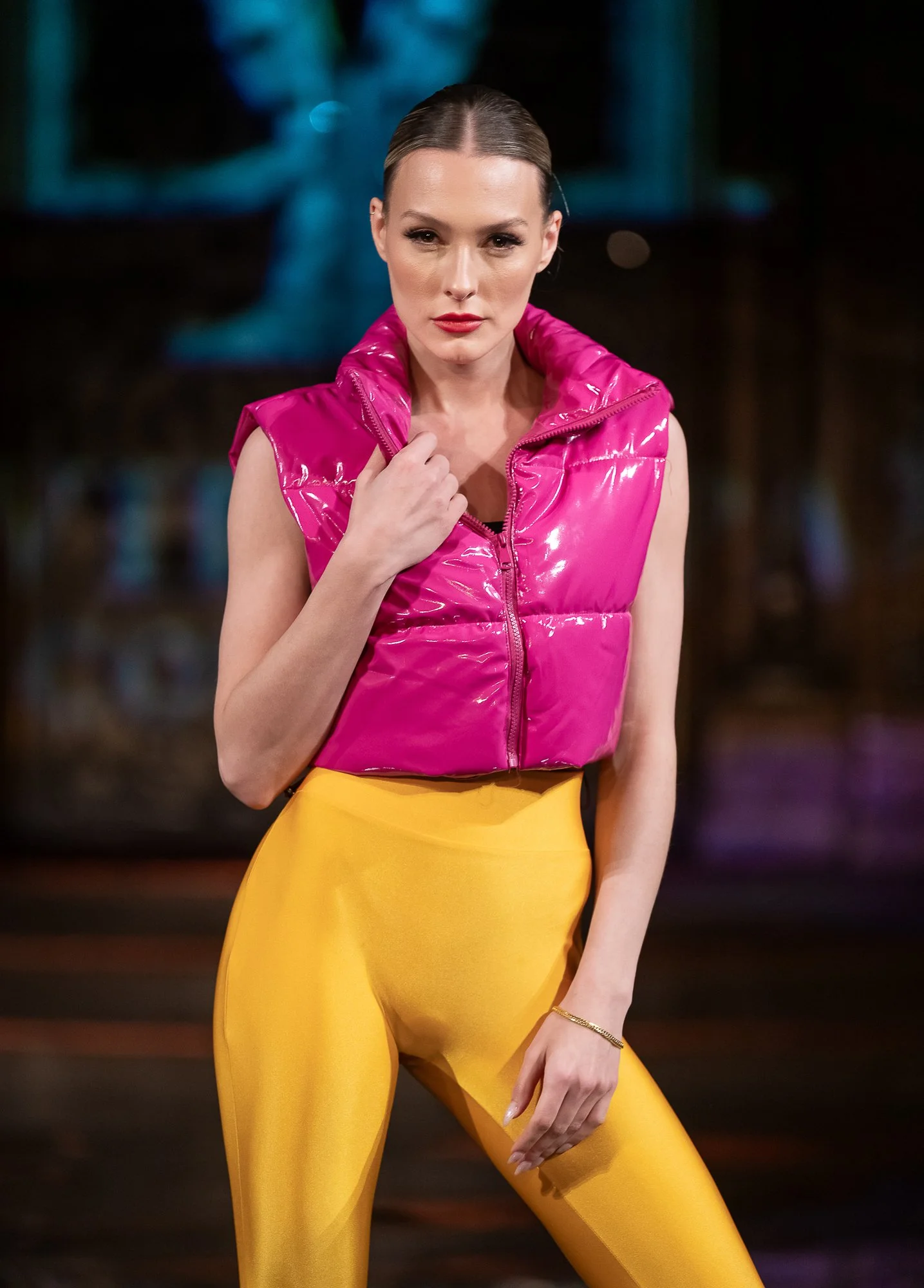
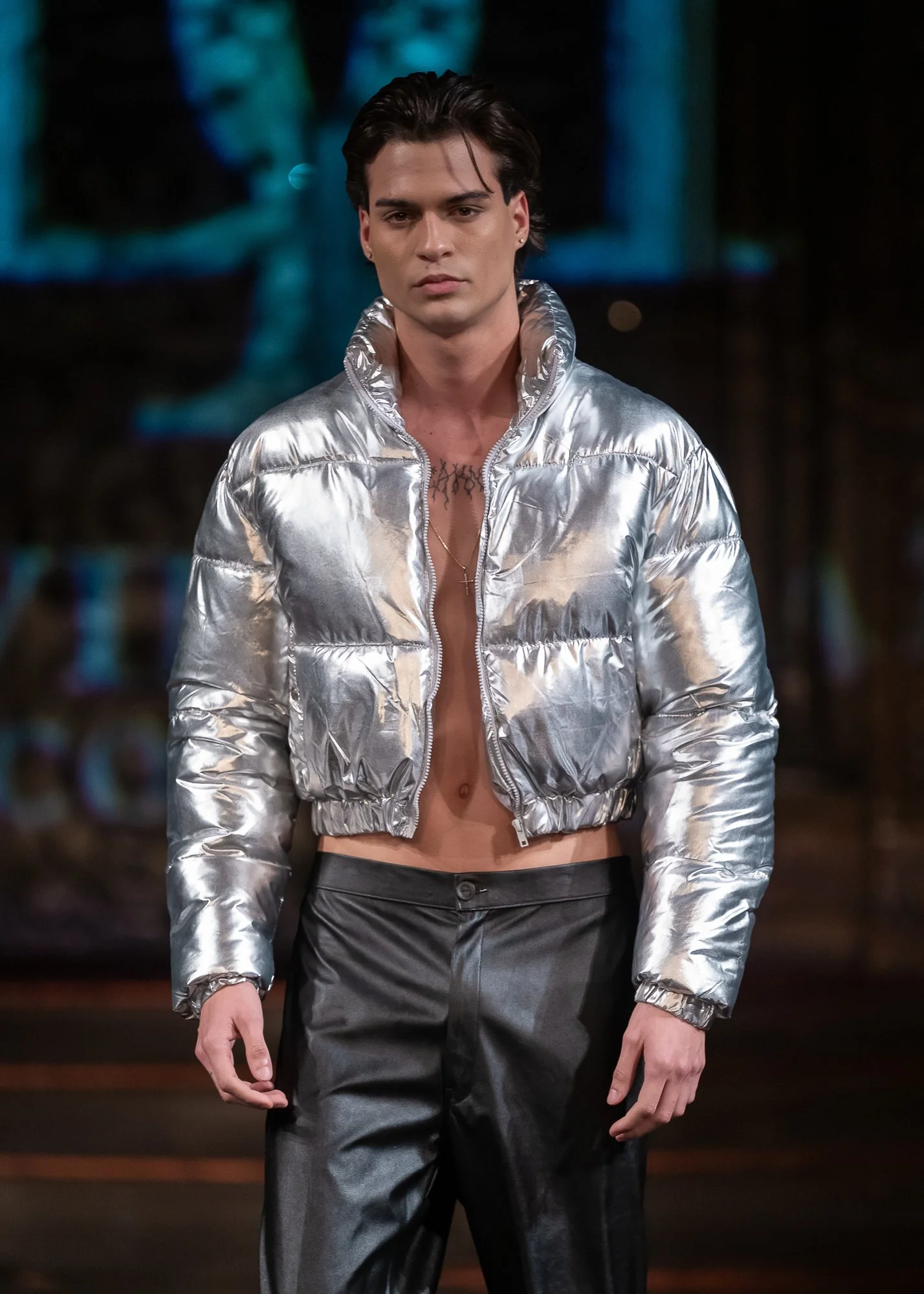
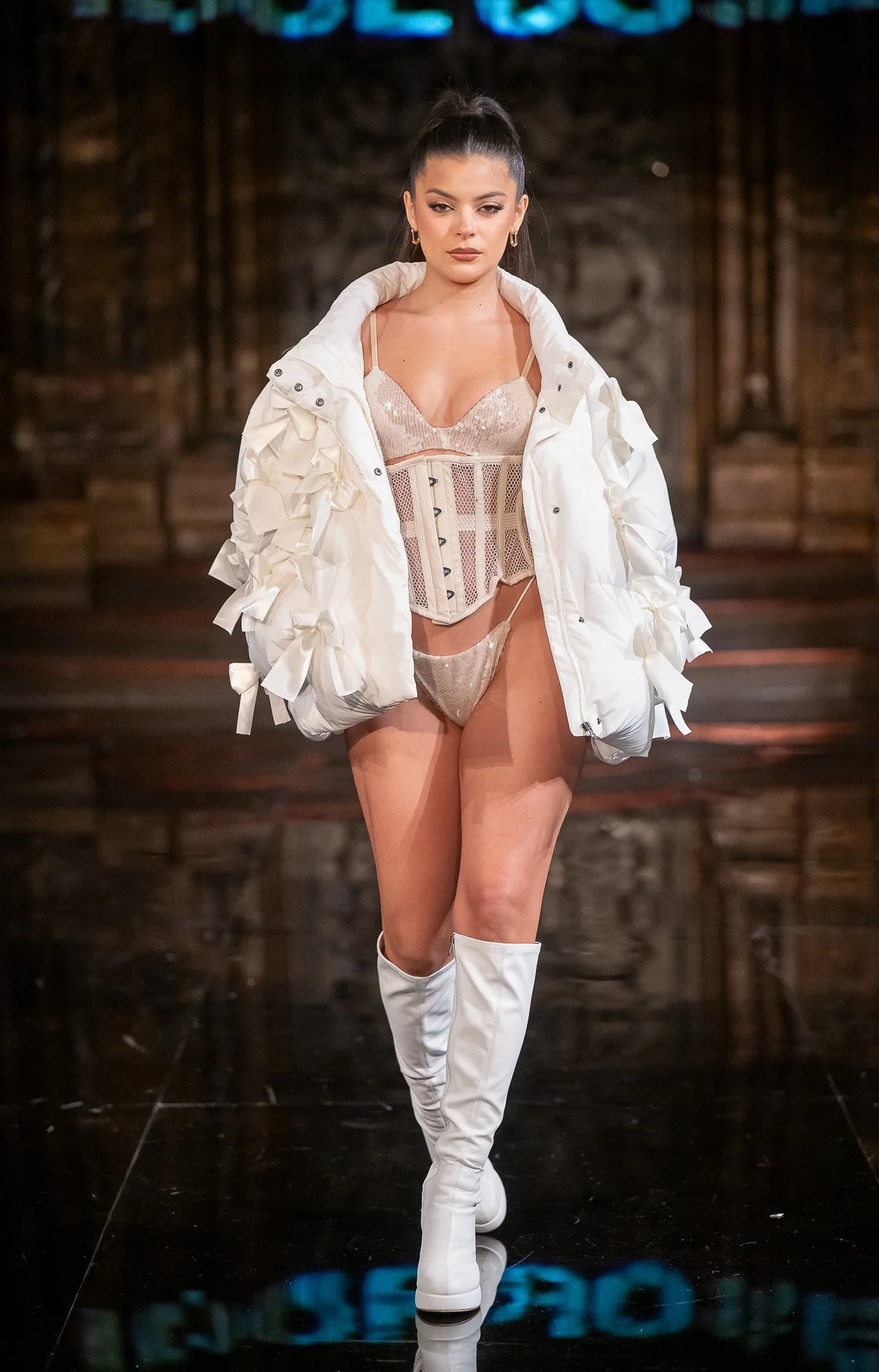
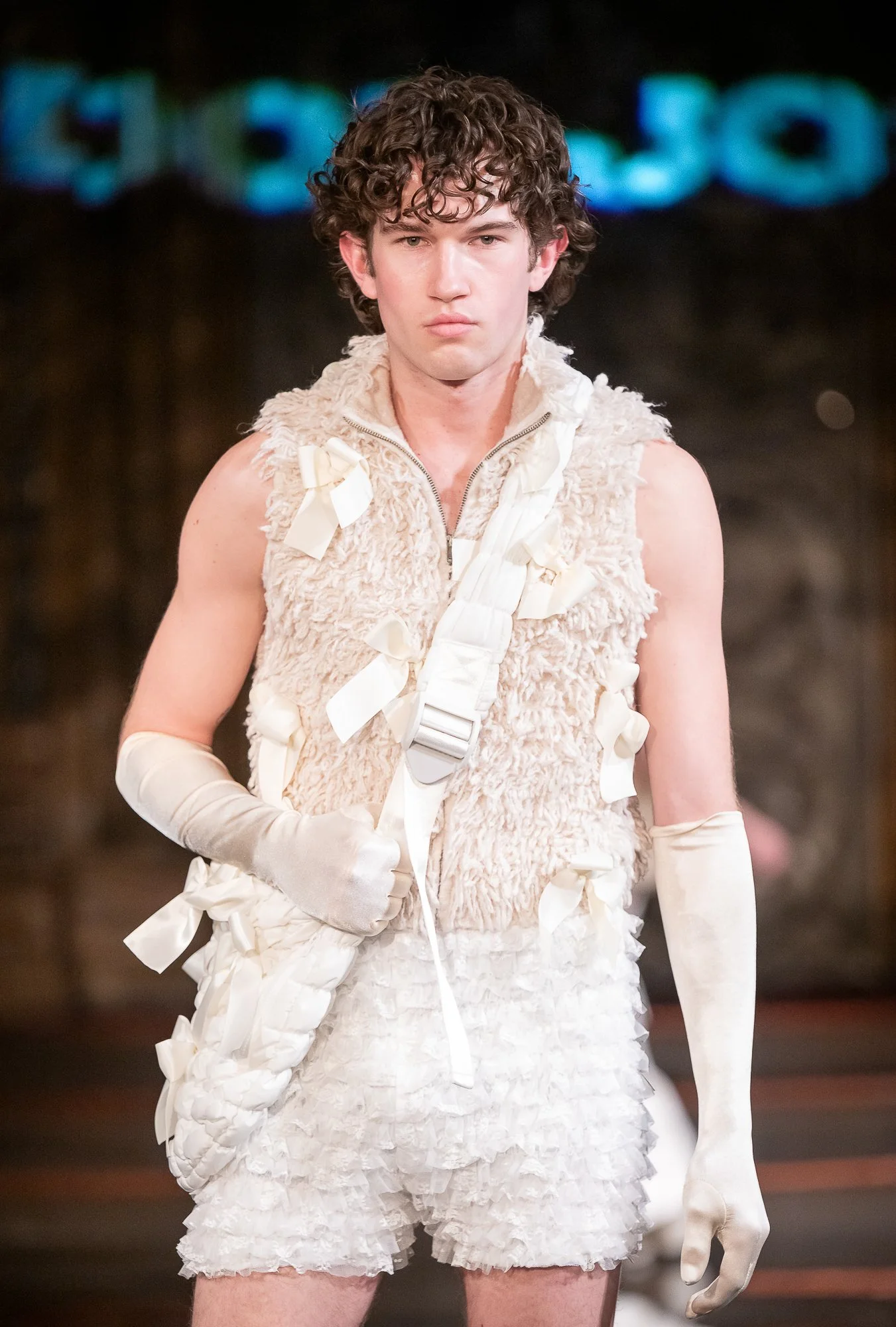
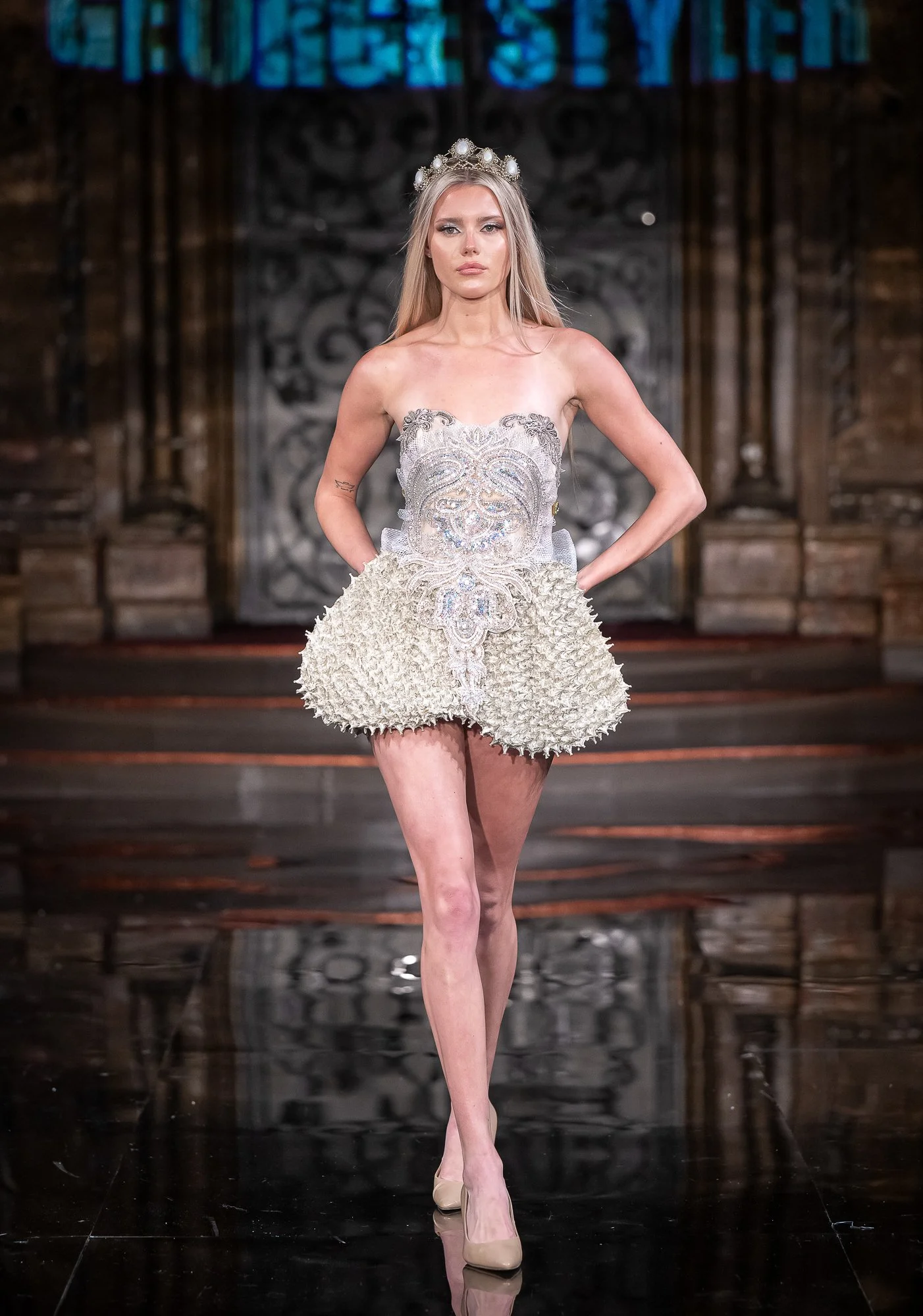
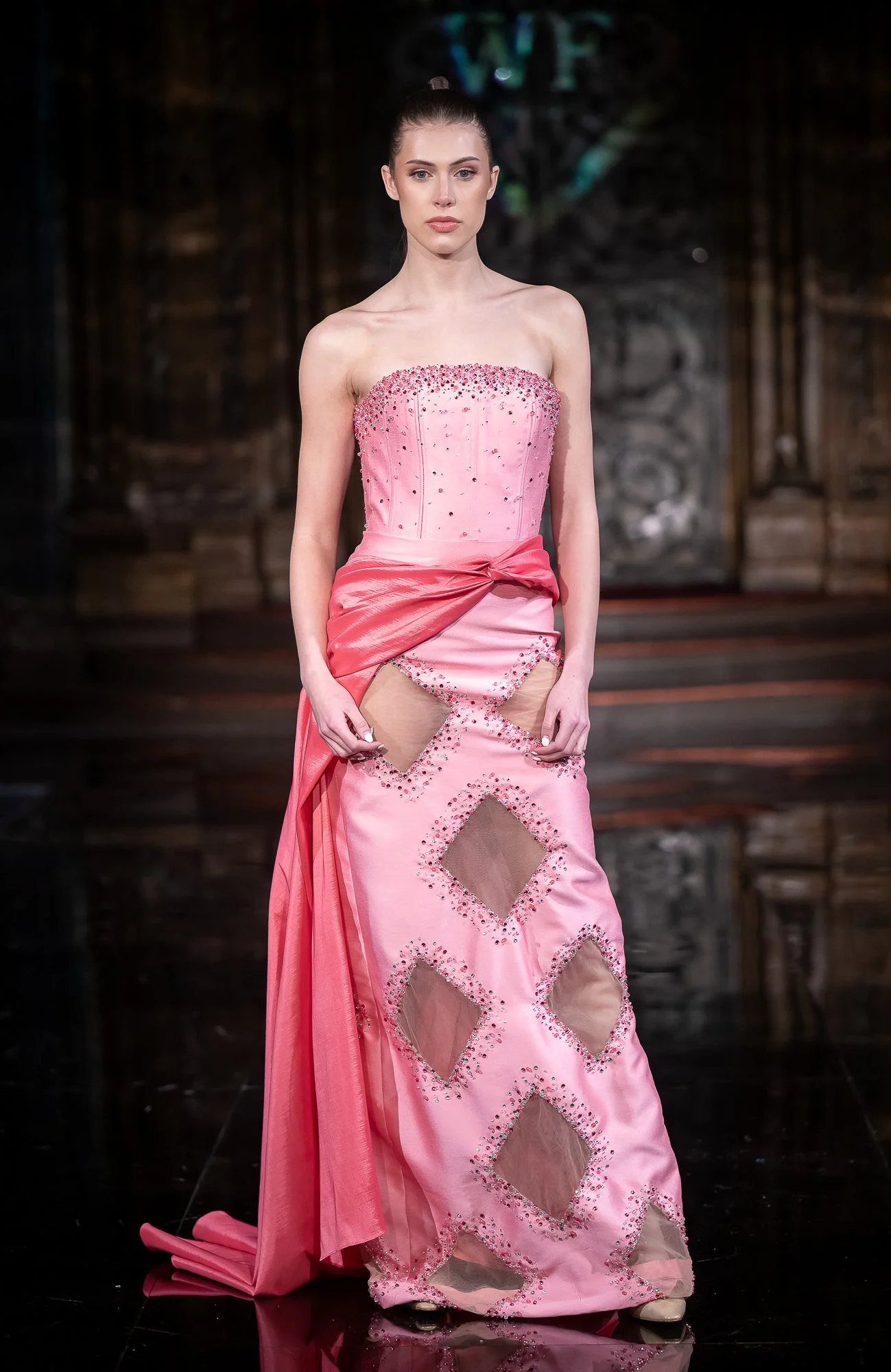
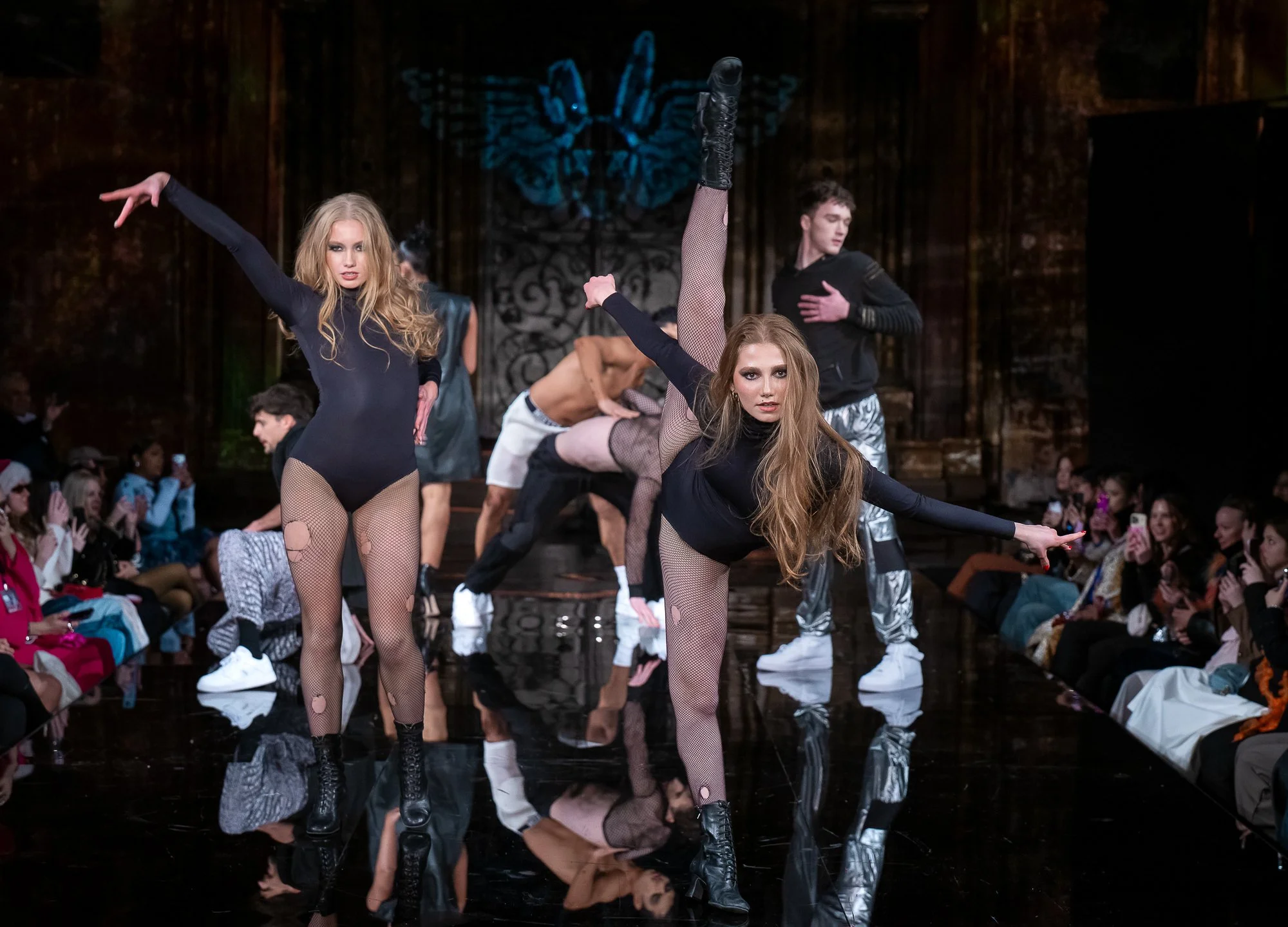
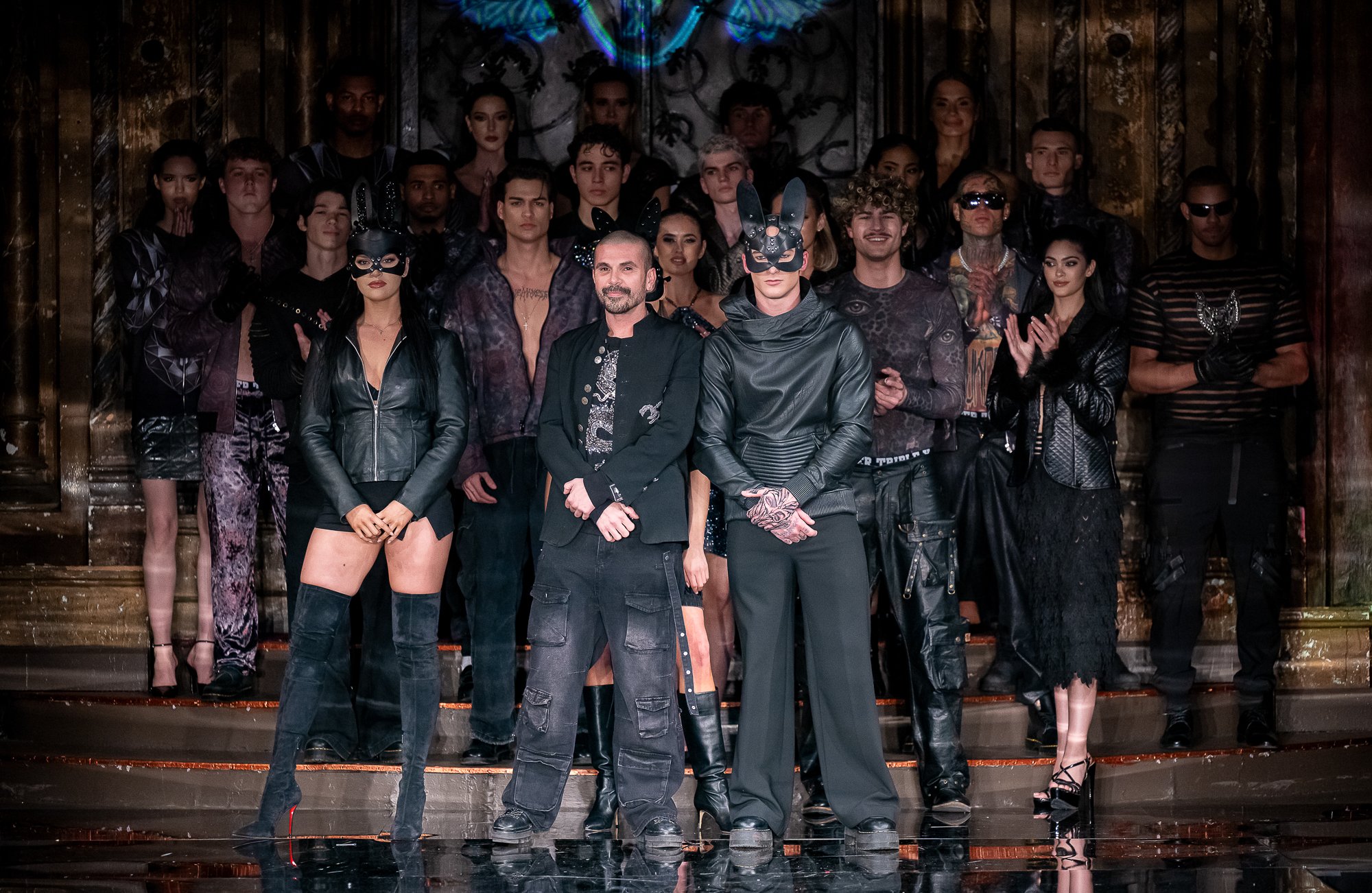
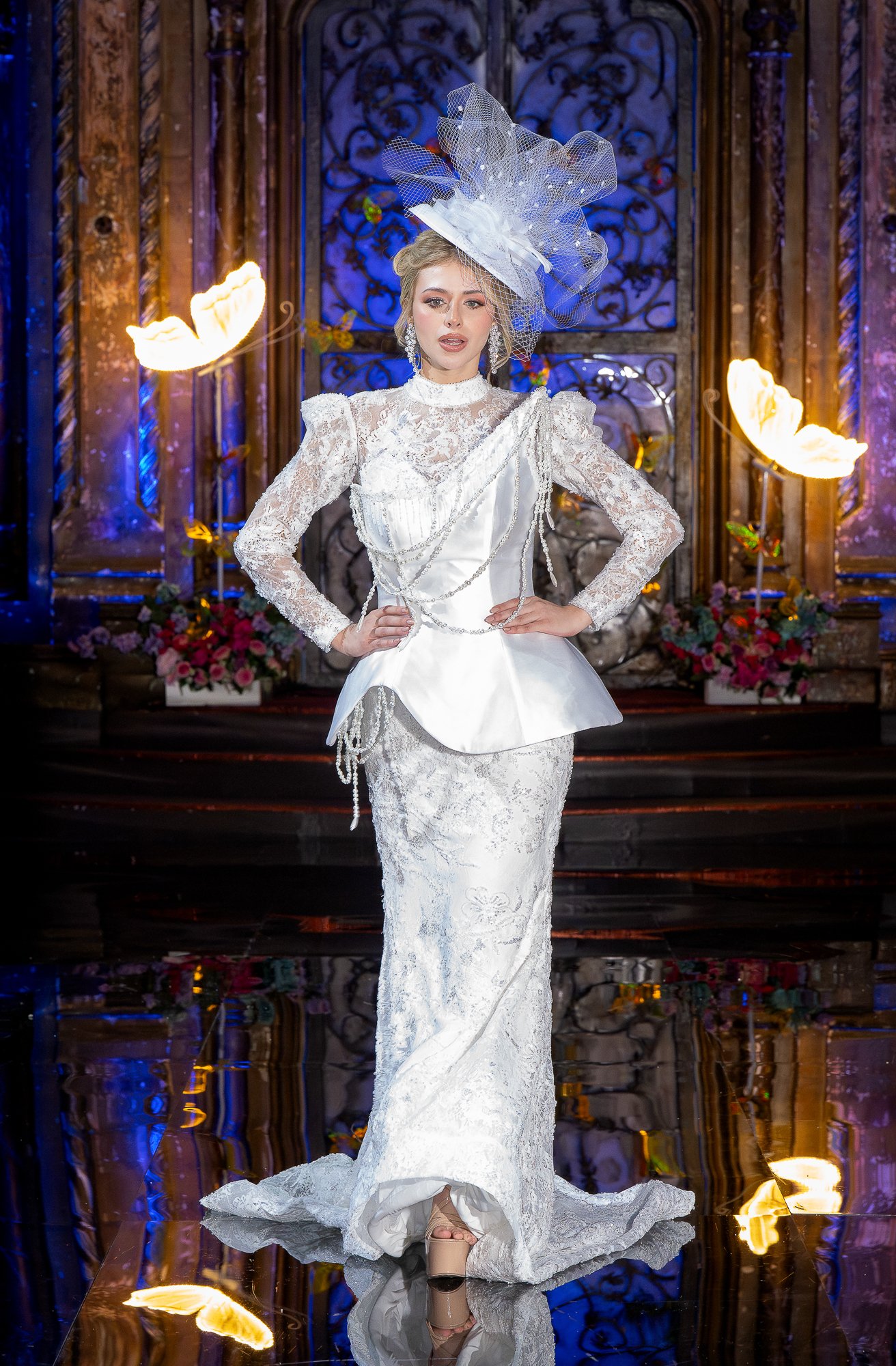
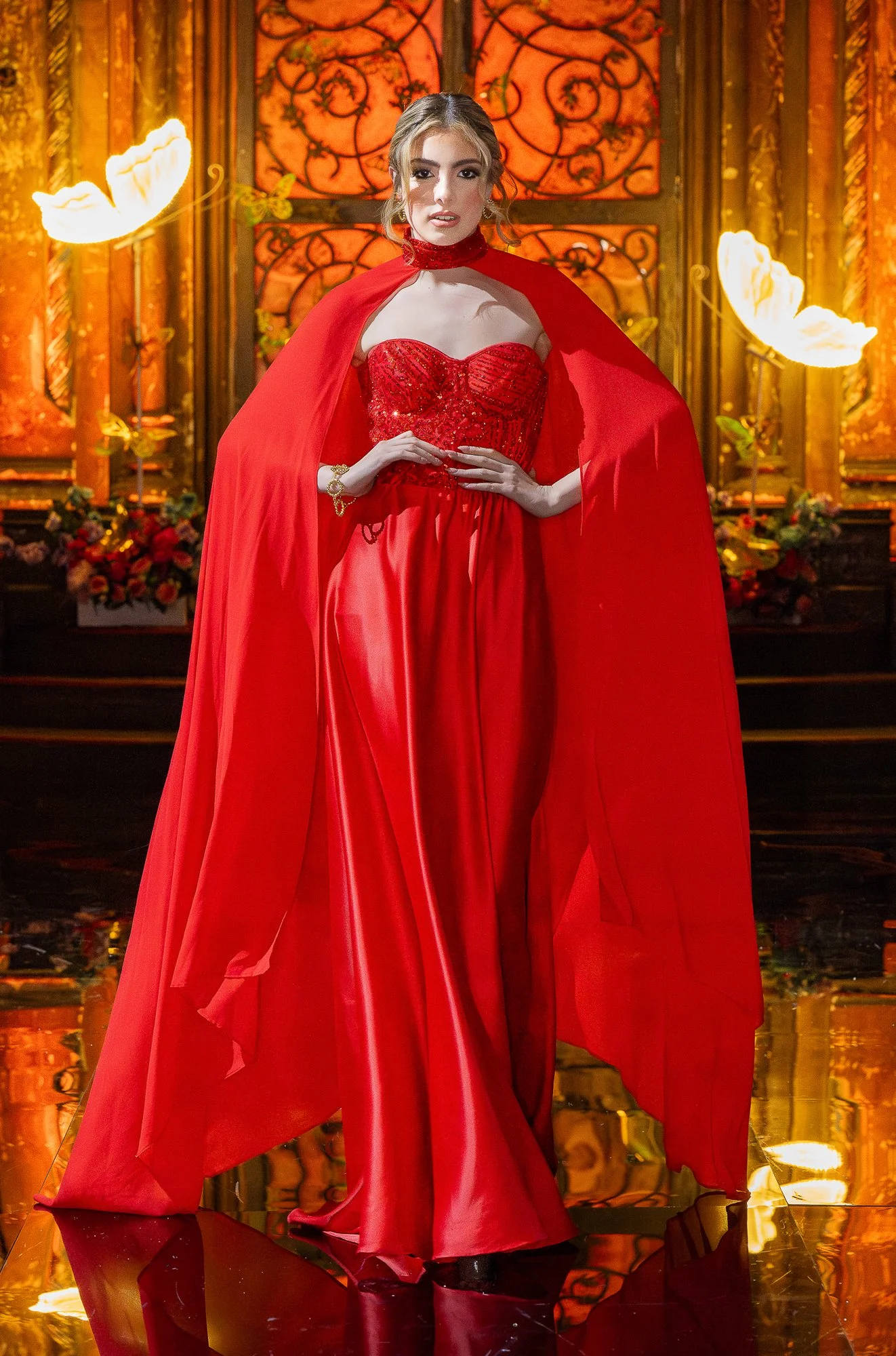
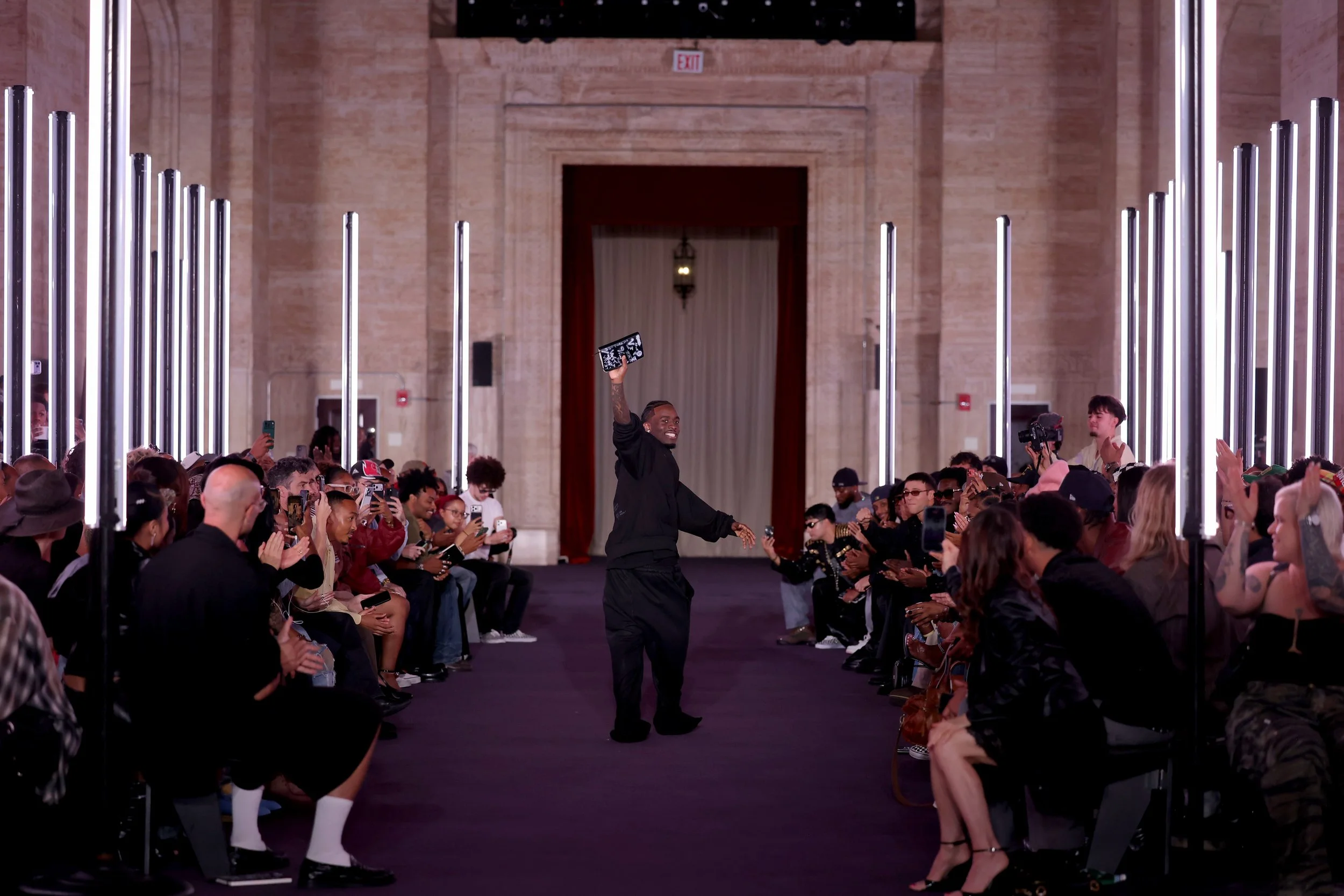
Hosted at the gothic revival landmark Angel Orensanz Foundation, this season’s February 2026 edition brought together more than 30 international designers across couture, bridal, streetwear, menswear, children’s collections, and culturally rooted showcases. The result was less a traditional fashion week presentation and more a study in how independent production platforms are reshaping the global fashion map.
“Each season, New York reminds us why fashion is such a powerful universal language,” said Erik Rosete, Founder and President of Art Hearts Fashion. “Our recent showcase at the Angel Orensanz Foundation during New York Fashion Week was a testament to the extraordinary global talent we champion, from established visionaries to rising stars, each bringing culture, craftsmanship, and bold creativity to the runway. As we build on this momentum and prepare for our upcoming shows in London, we remain committed to expanding our international footprint while continuing to celebrate diversity, innovation, and the fearless spirit that defines Art Hearts Fashion.”
Couture Without Borders
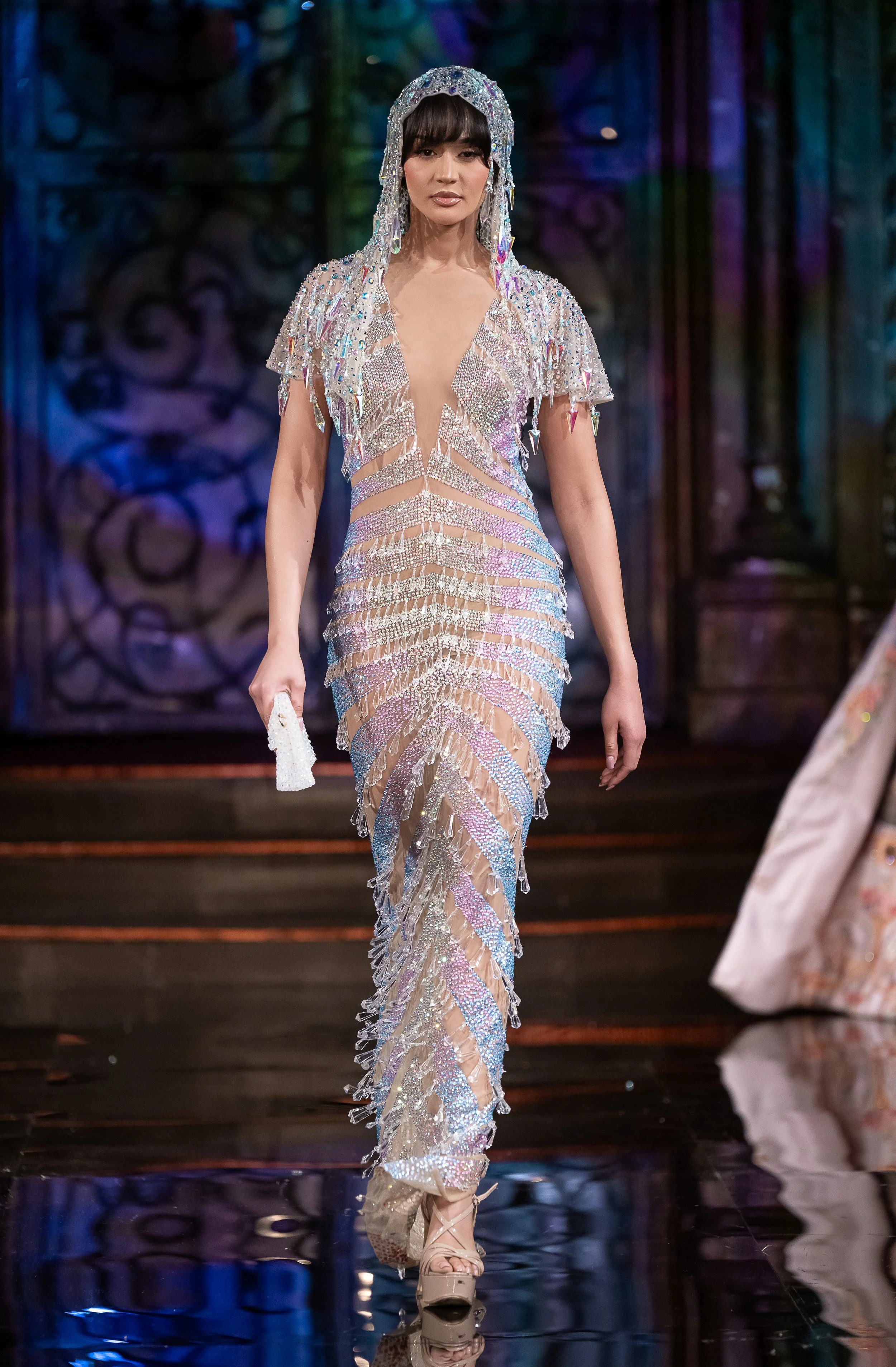
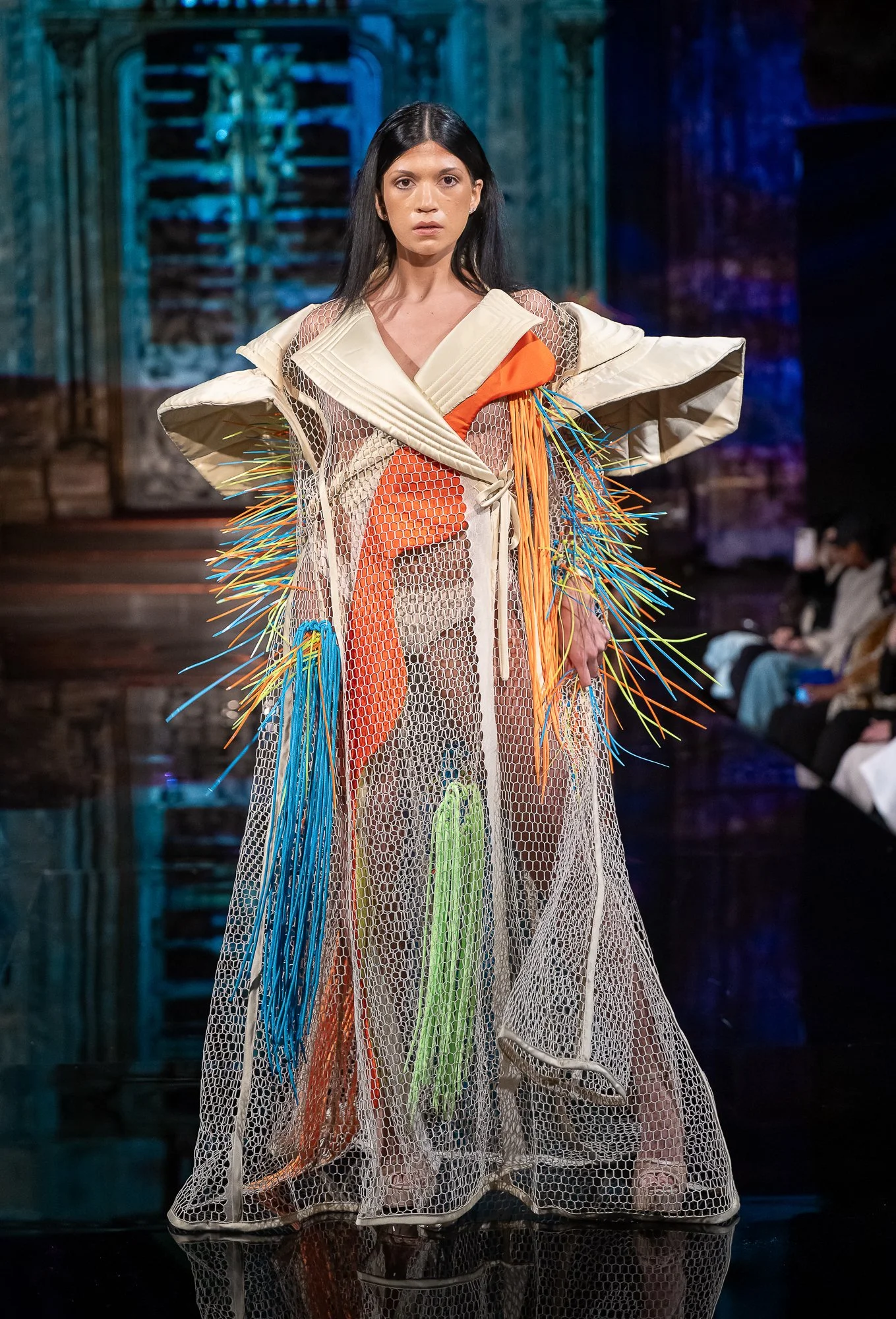
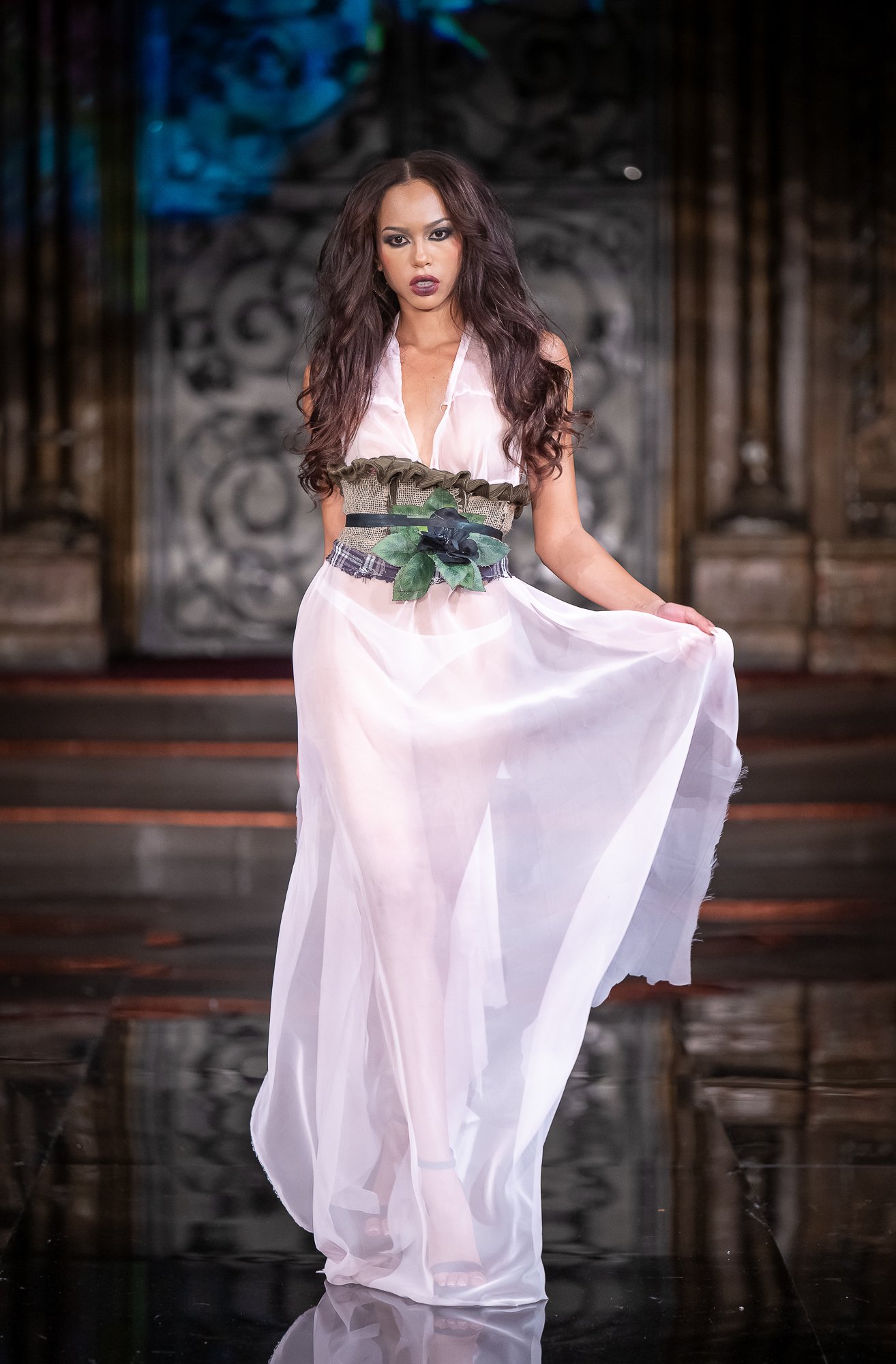
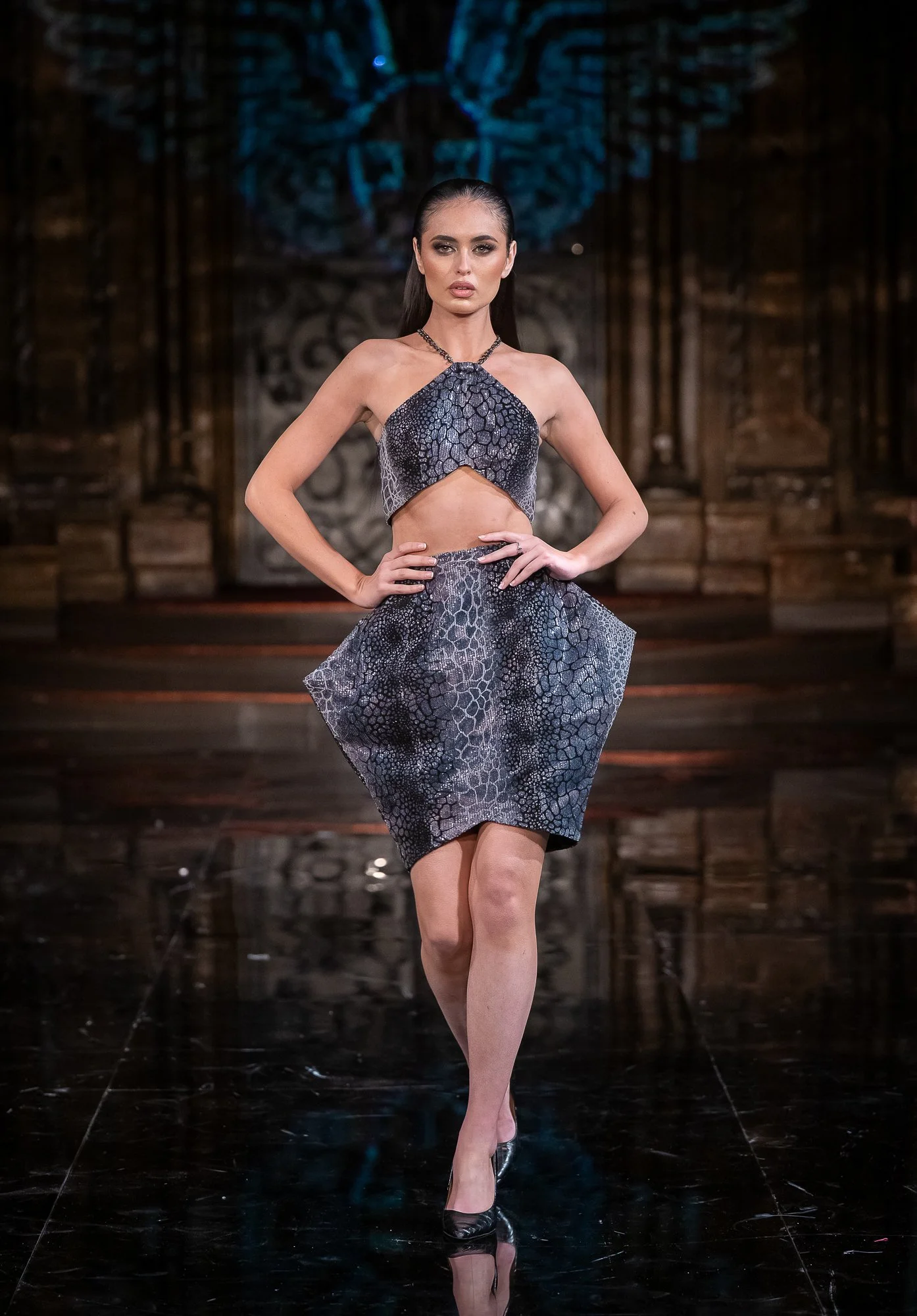
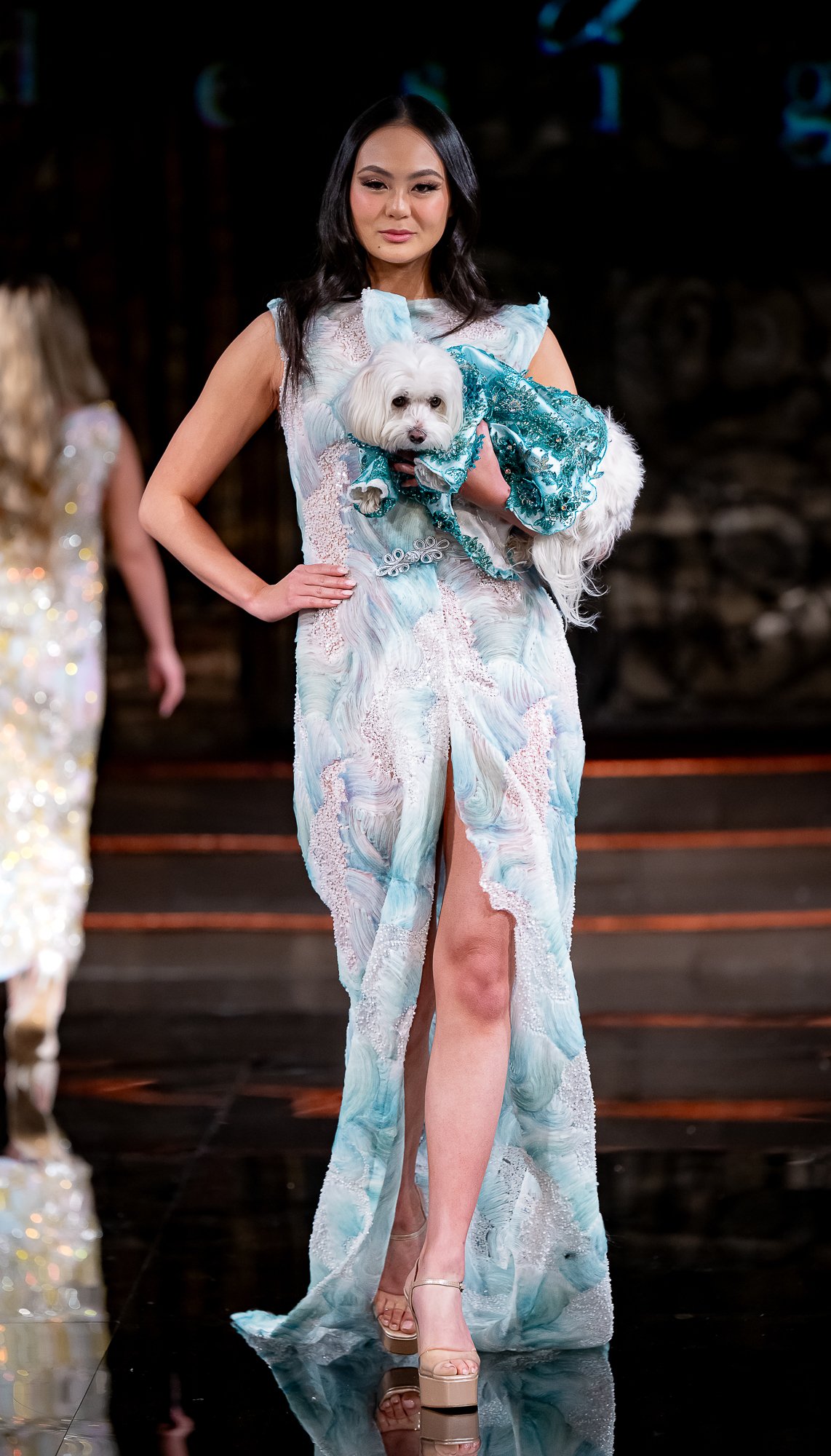
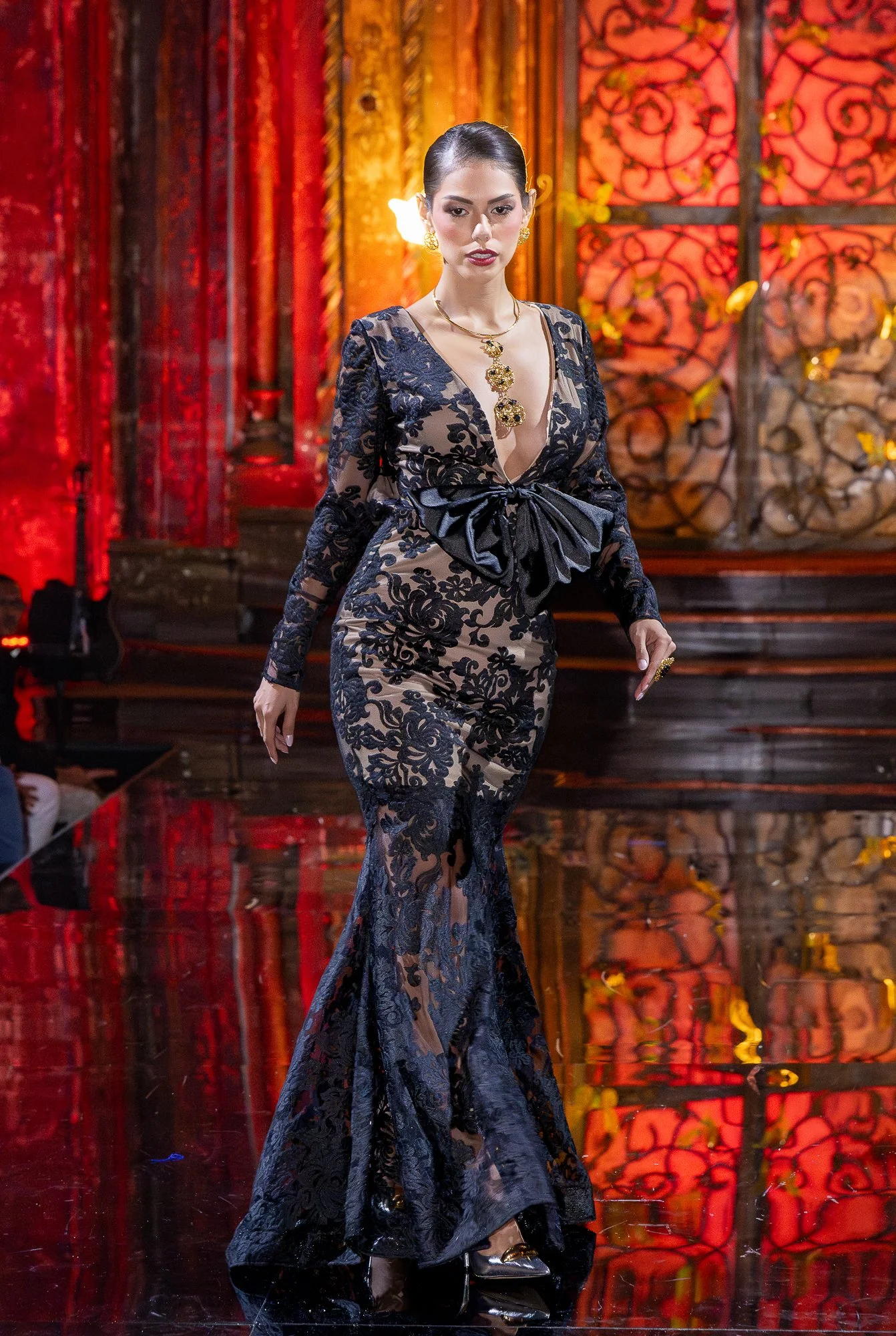
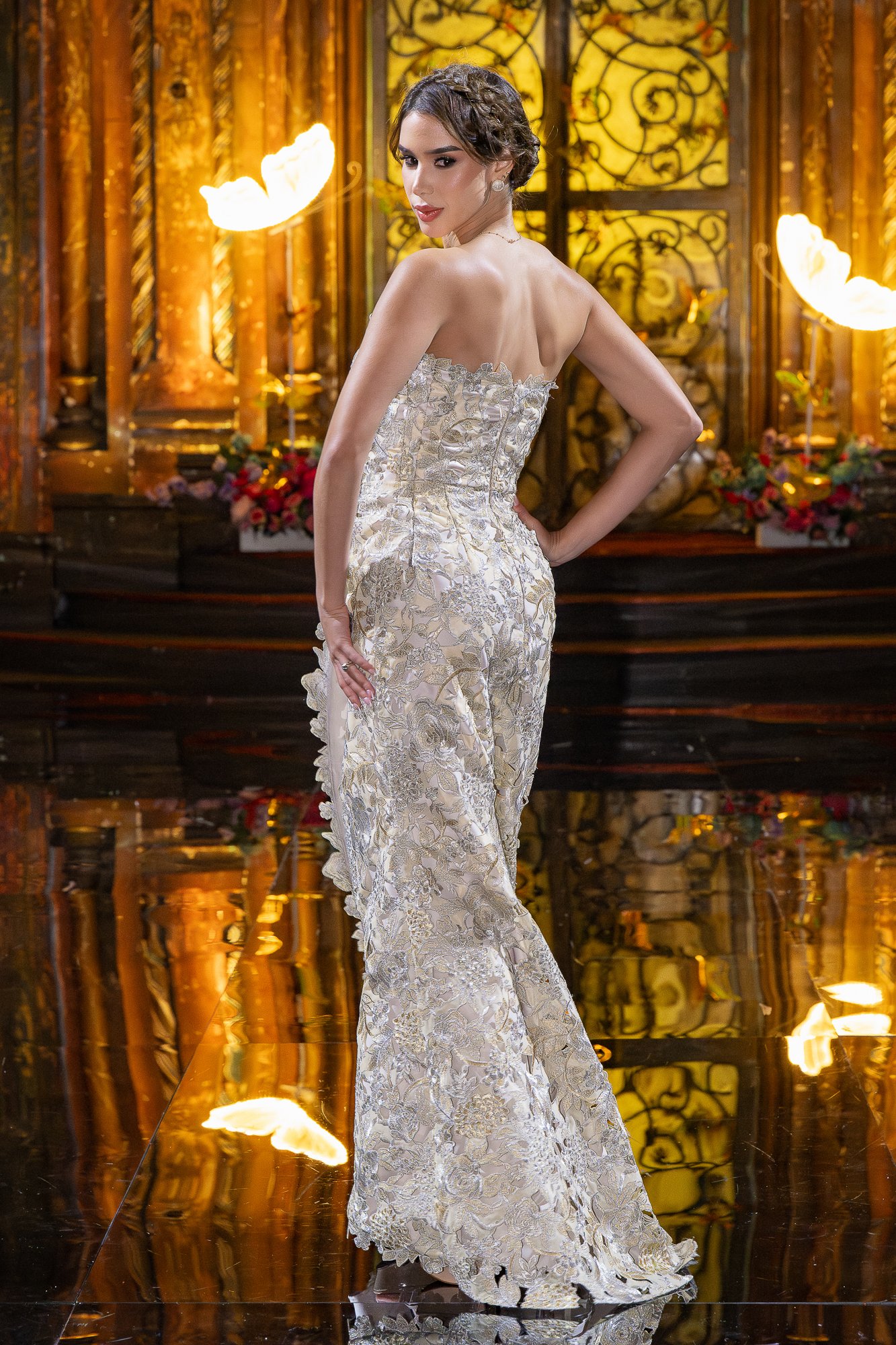
Couture anchored the week with a strong international pulse. Designers such as Giannina Azar (Dominican Republic), George Styler (Serbia), Will Franco (Mexico), and Merlin Castell (Honduras) delivered high-drama silhouettes rooted in national identity yet globally fluent in execution.
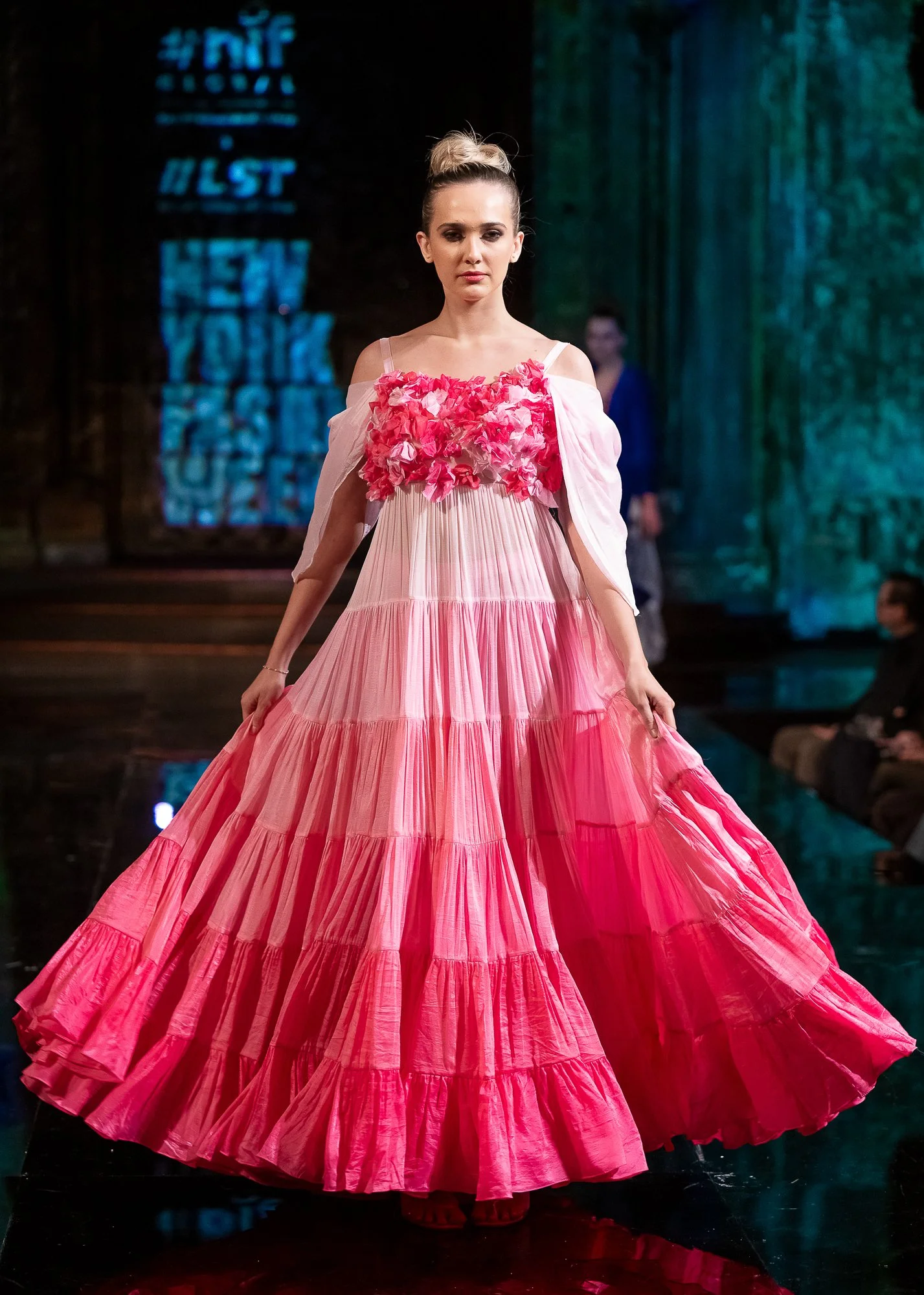
The collaboration between NIF Global and London School of Trends underscored Art Hearts Fashion’s educational bridge-building, while Haus of Harleen and New York’s own Anthony Rubio reinforced the platform’s commitment to American craftsmanship within an international dialogue.
In a market often dominated by European heritage houses, this segment reframed couture as a decentralized discipline—one no longer tethered exclusively to Paris.
Cultural Collections As Strategy
If couture was spectacle, the cultural collections were strategy.
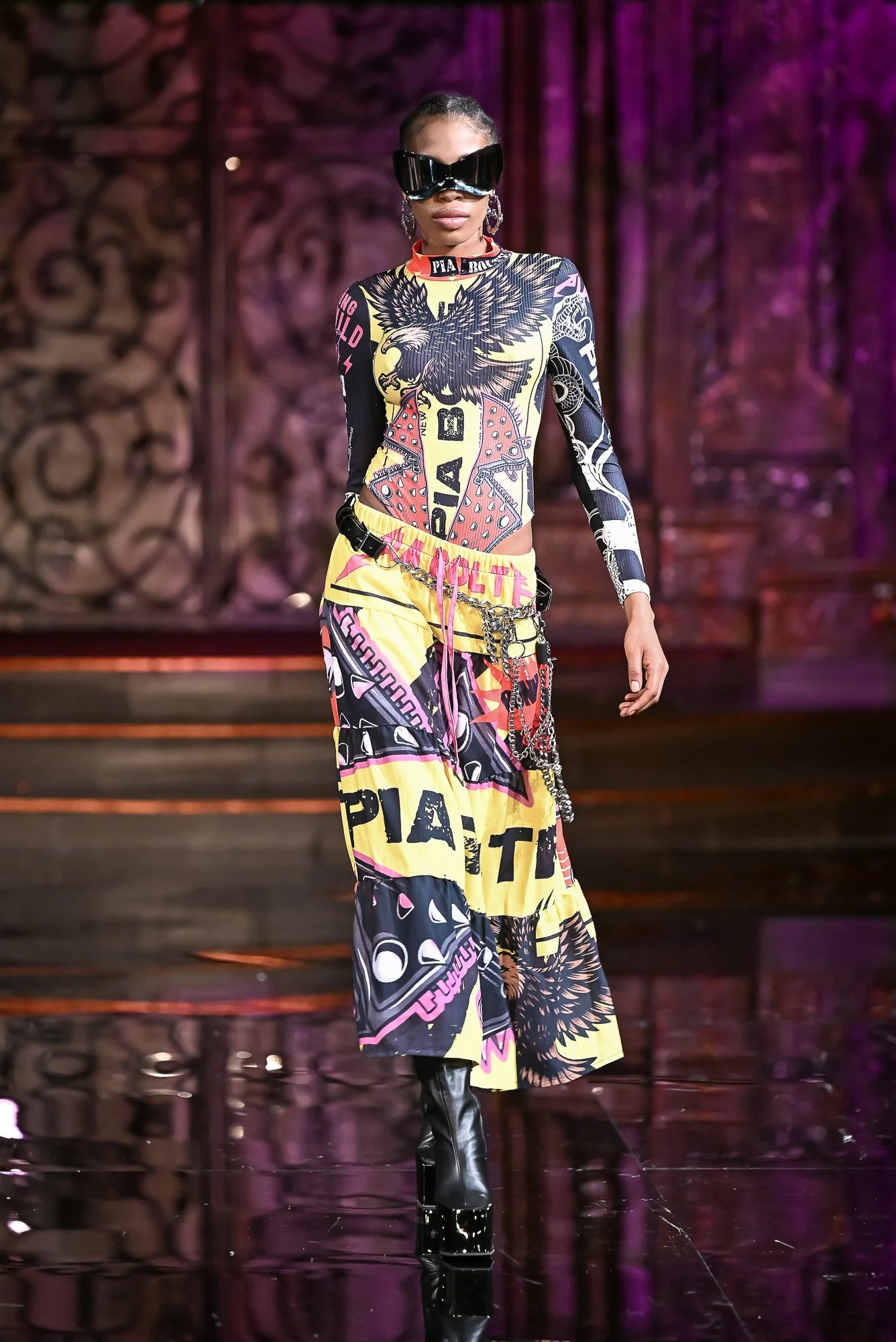
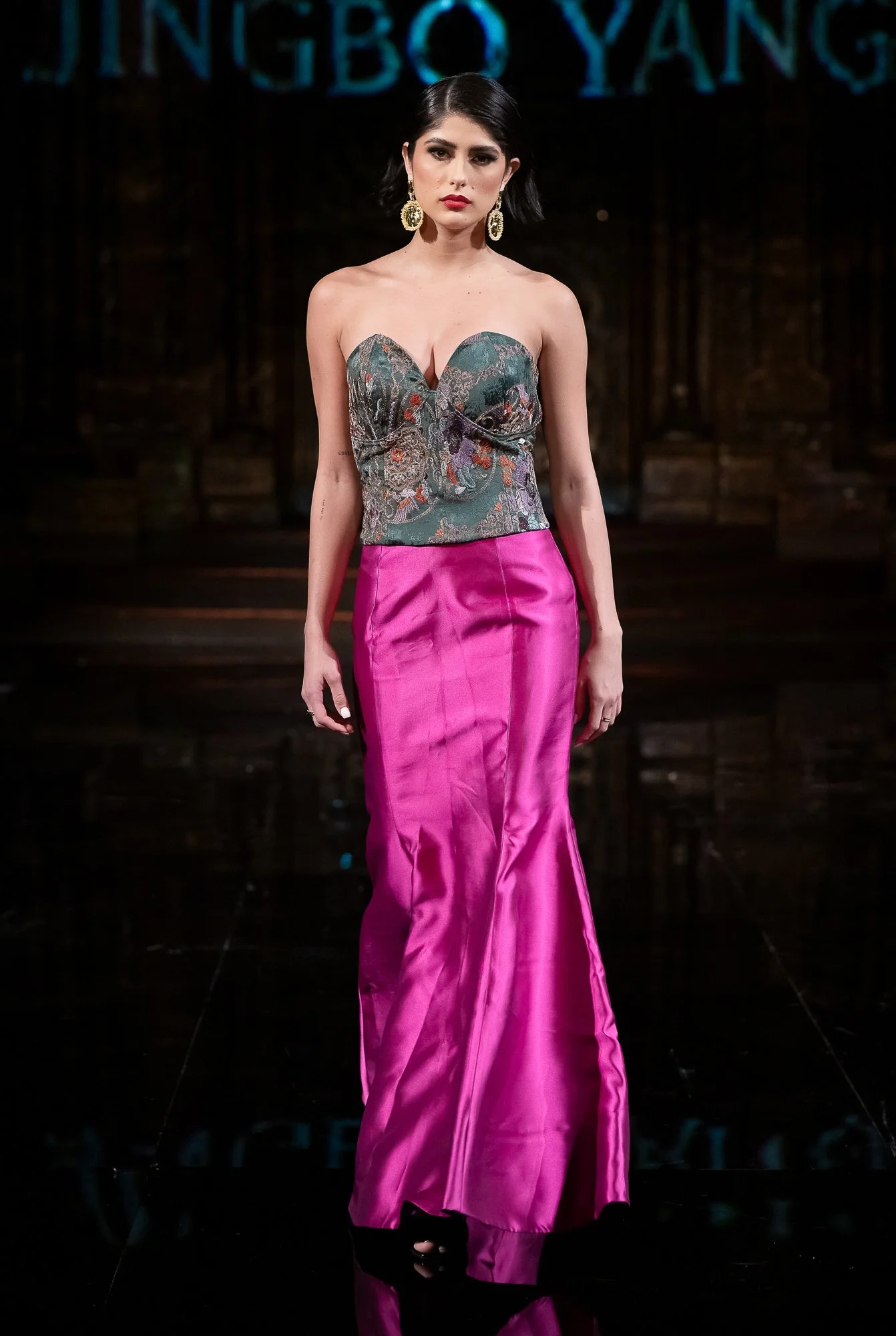
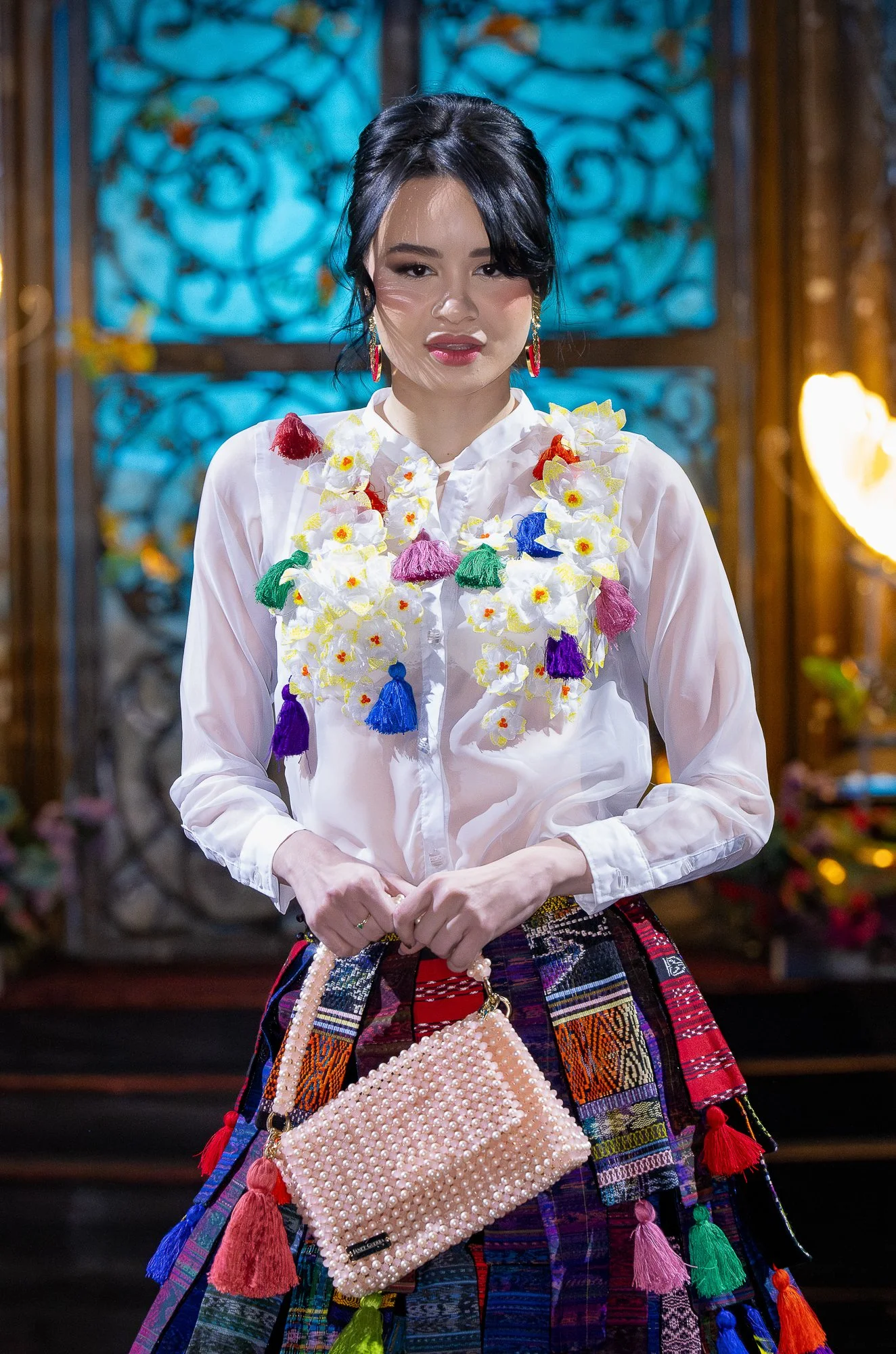
Designers like Jingbo Yang (China) and Heritage India Fashions (India) presented work that leaned unapologetically into textile history and regional craftsmanship. In an era where fashion’s supply chain is under scrutiny and authenticity is currency, these collections felt less like themed capsules and more like brand manifestos.
The NYFWAM Latin Designer Showcase further amplified that thesis, with Tete Rosado, Janet Zambrano, Janet Guerra, KALU by Karim Lameda, Cenia Paredes, and DecorArte offering a spectrum of Latin American design voices—each distinct in silhouette and storytelling.
Art Hearts Fashion’s curation signals a broader shift: cultural specificity is no longer niche; it is the competitive advantage.
Streetwear’s Global Language
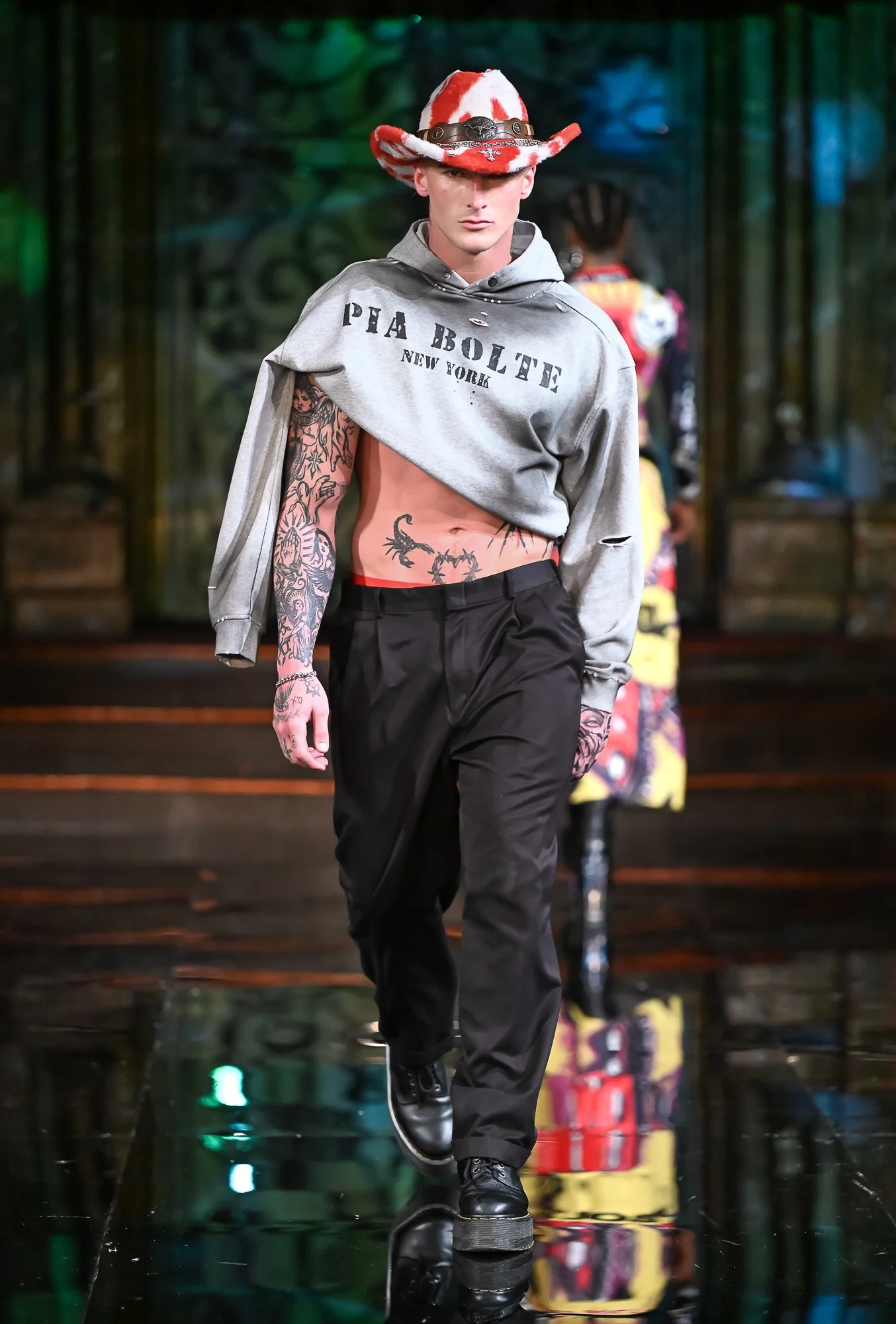
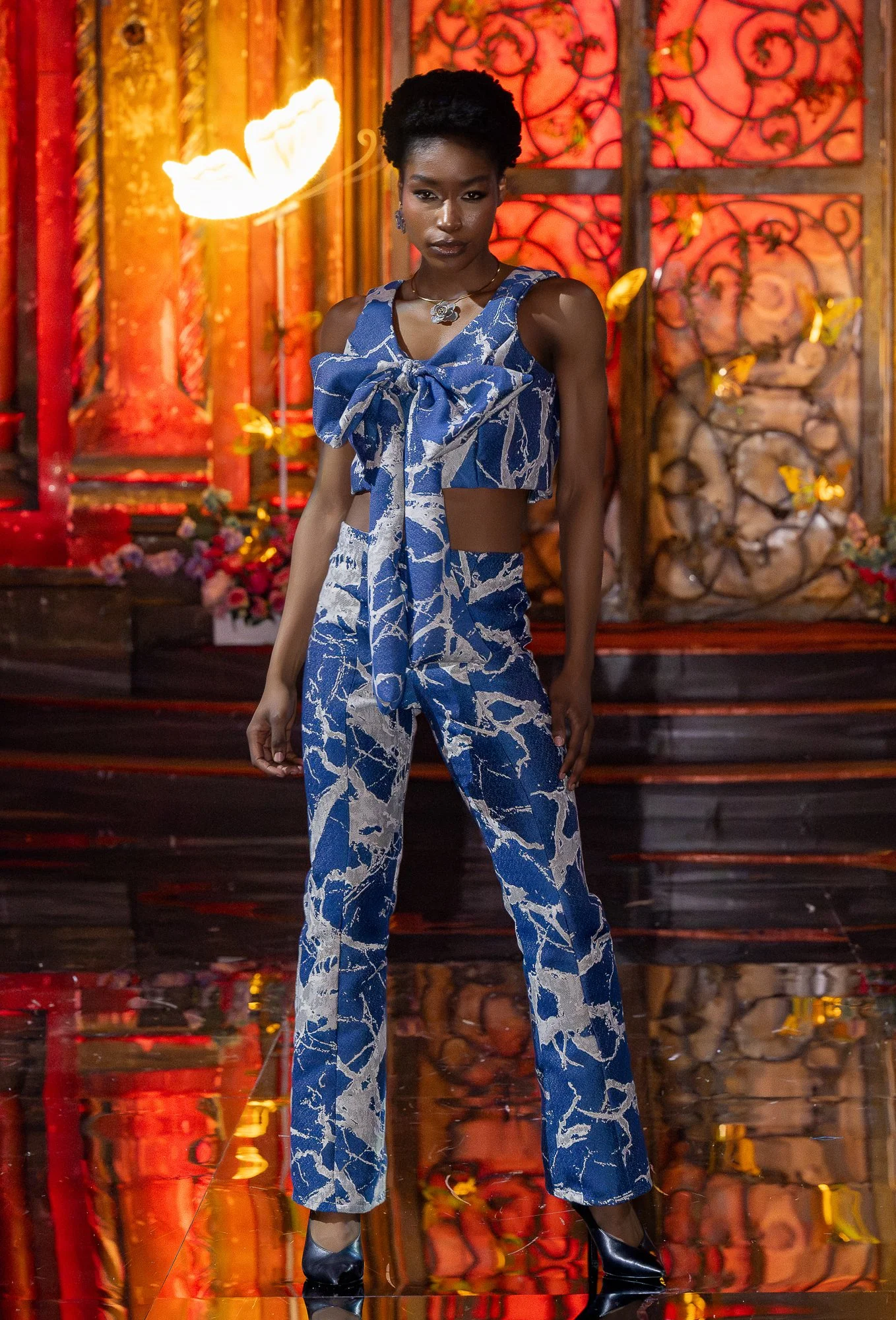
Street style—arguably fashion’s most influential export of the past two decades—remained a cornerstone of the week.
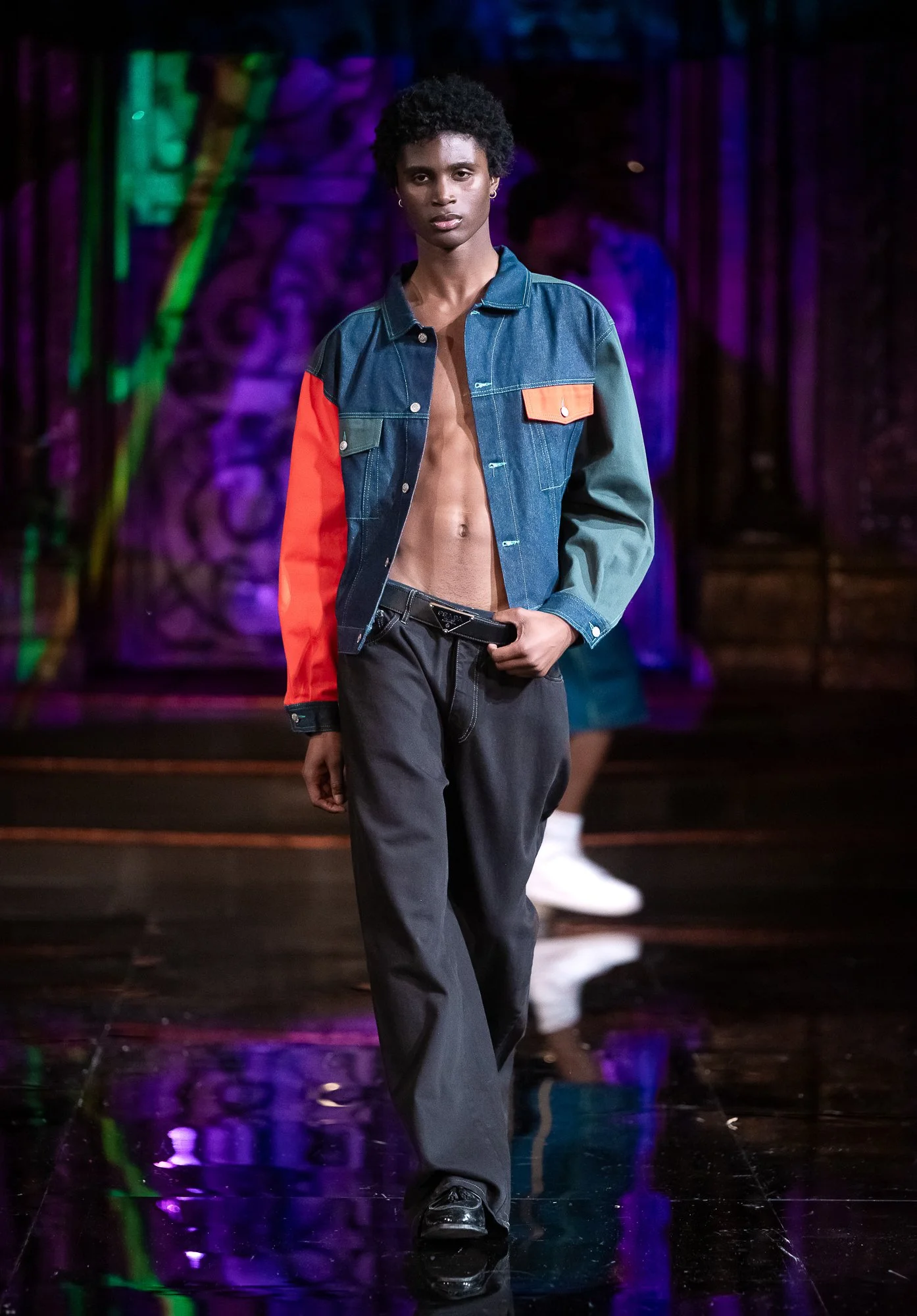
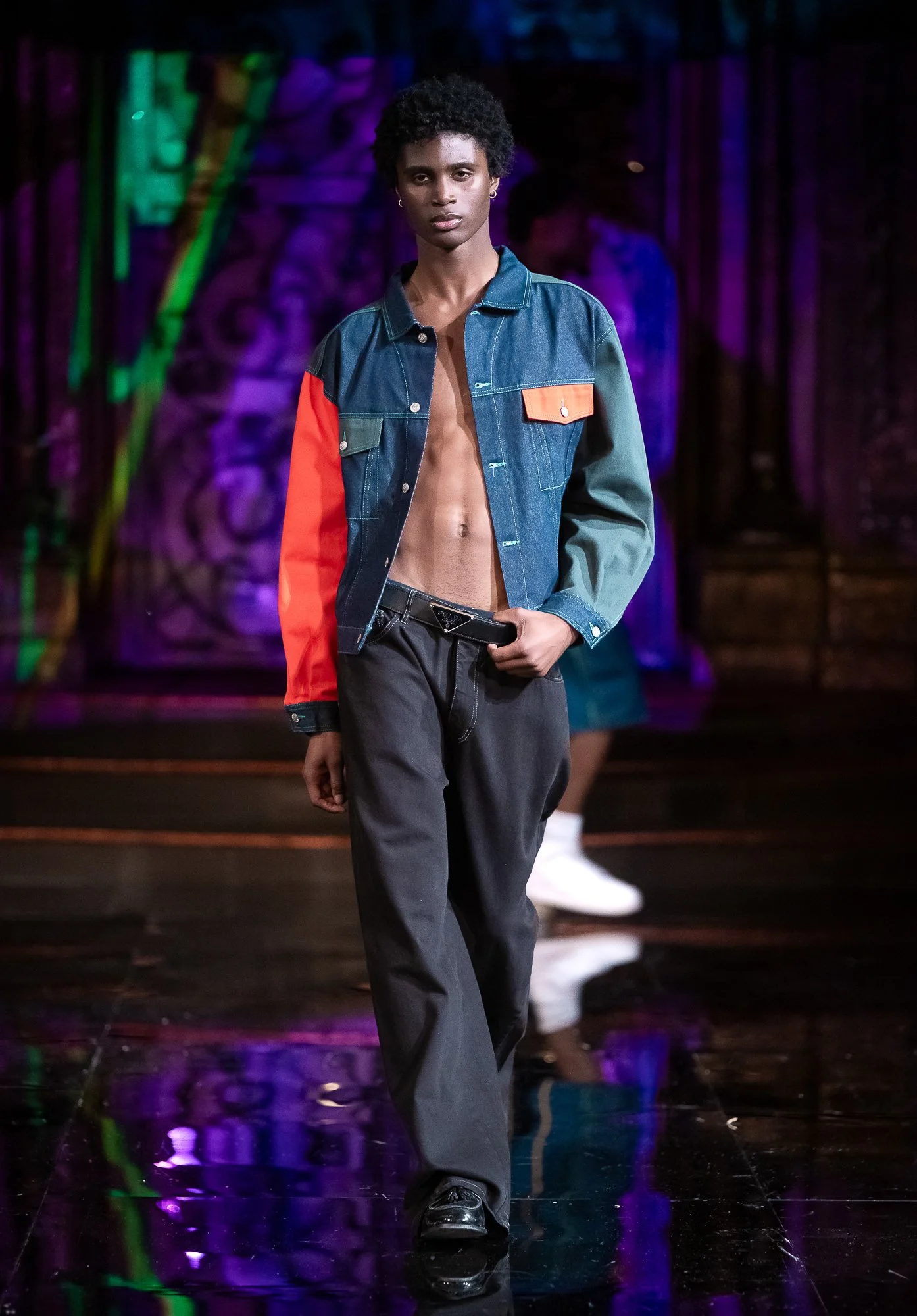
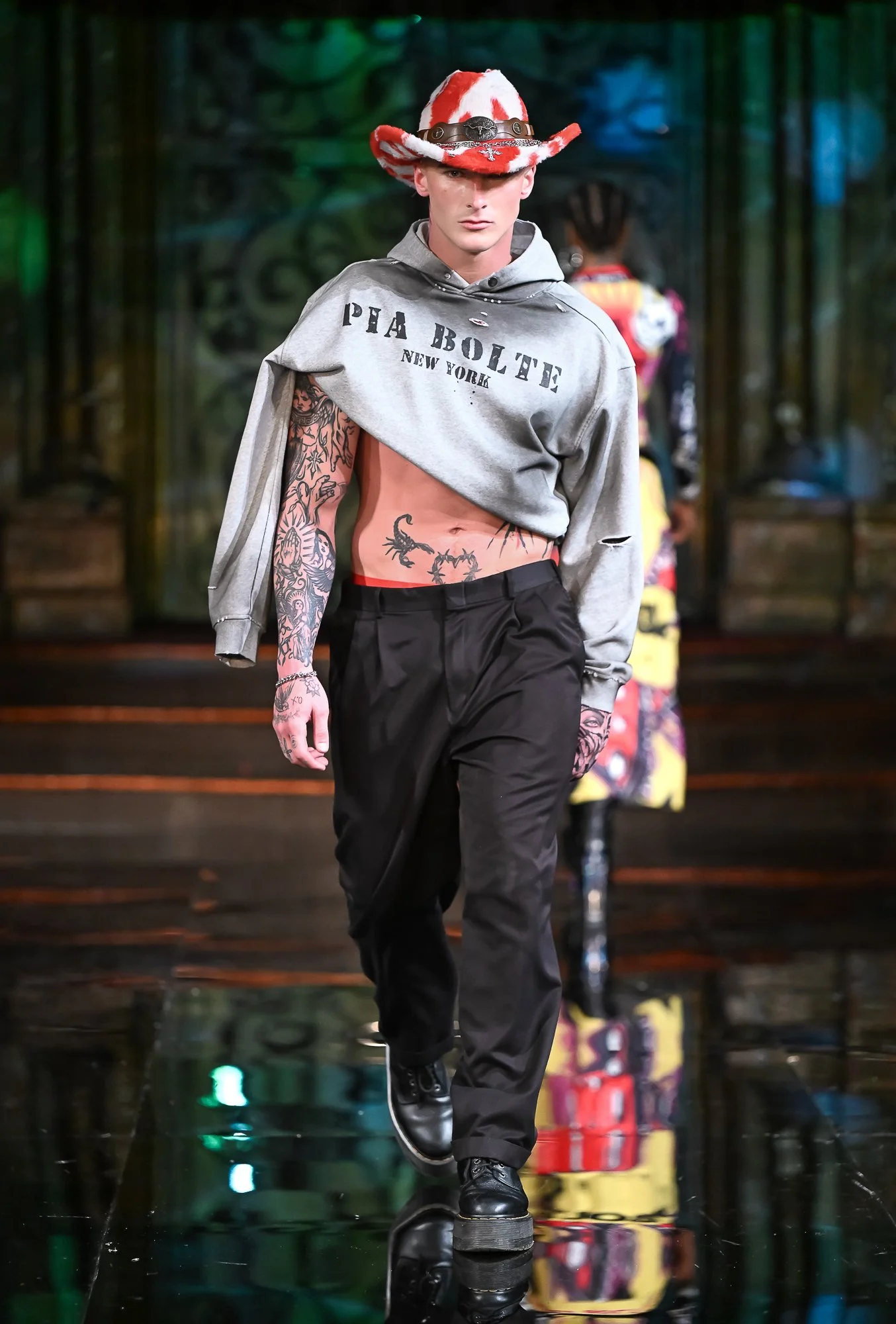
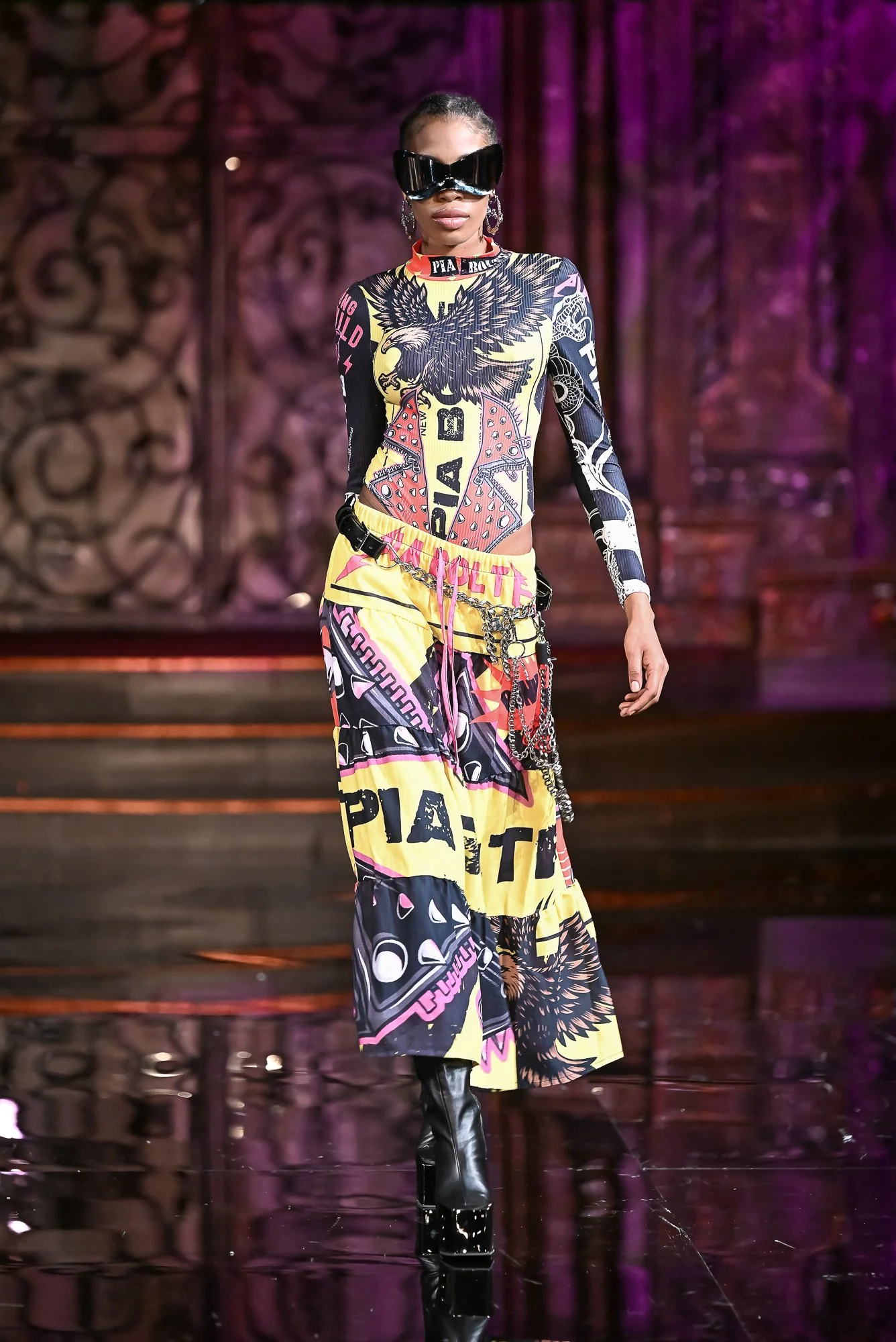
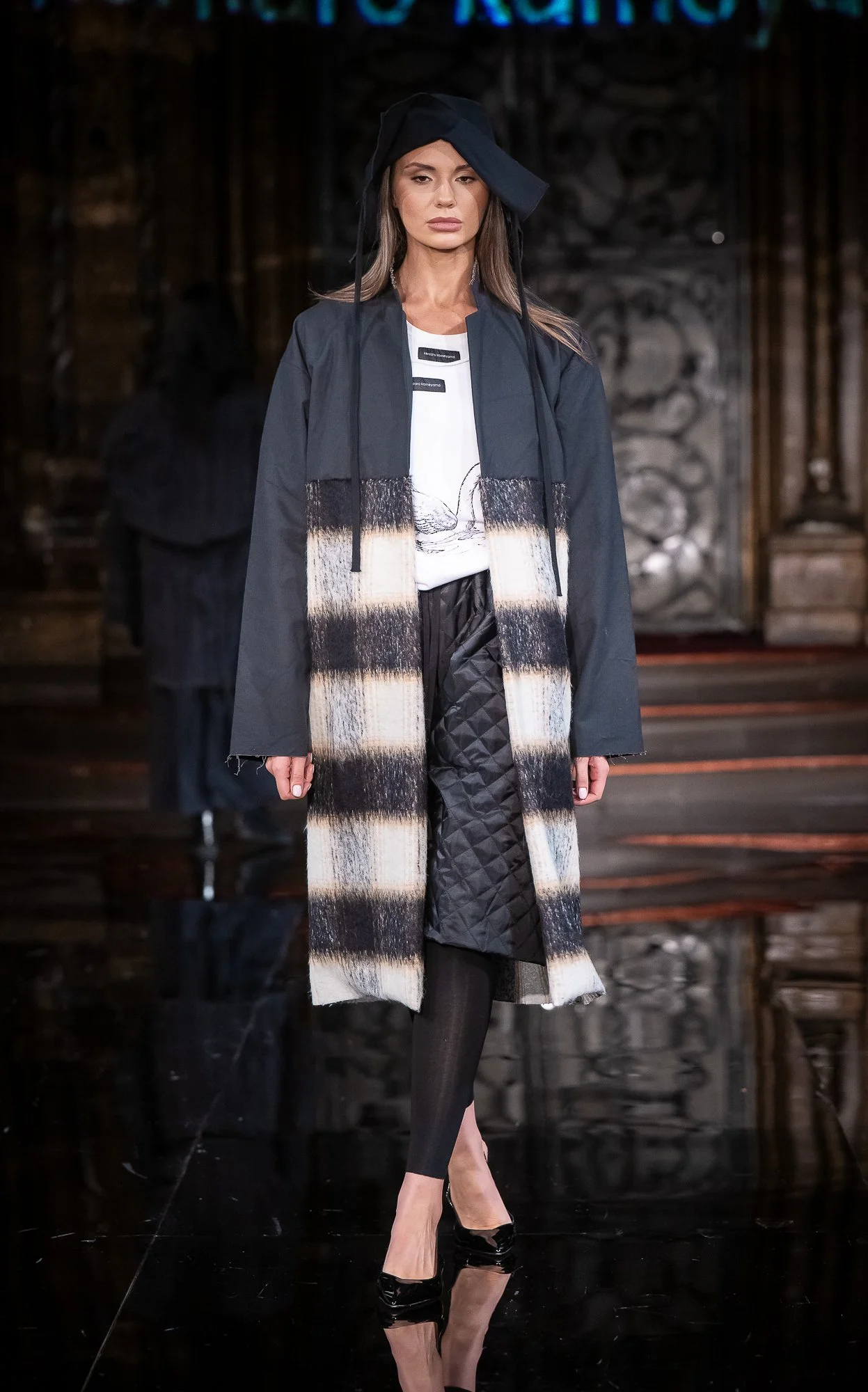
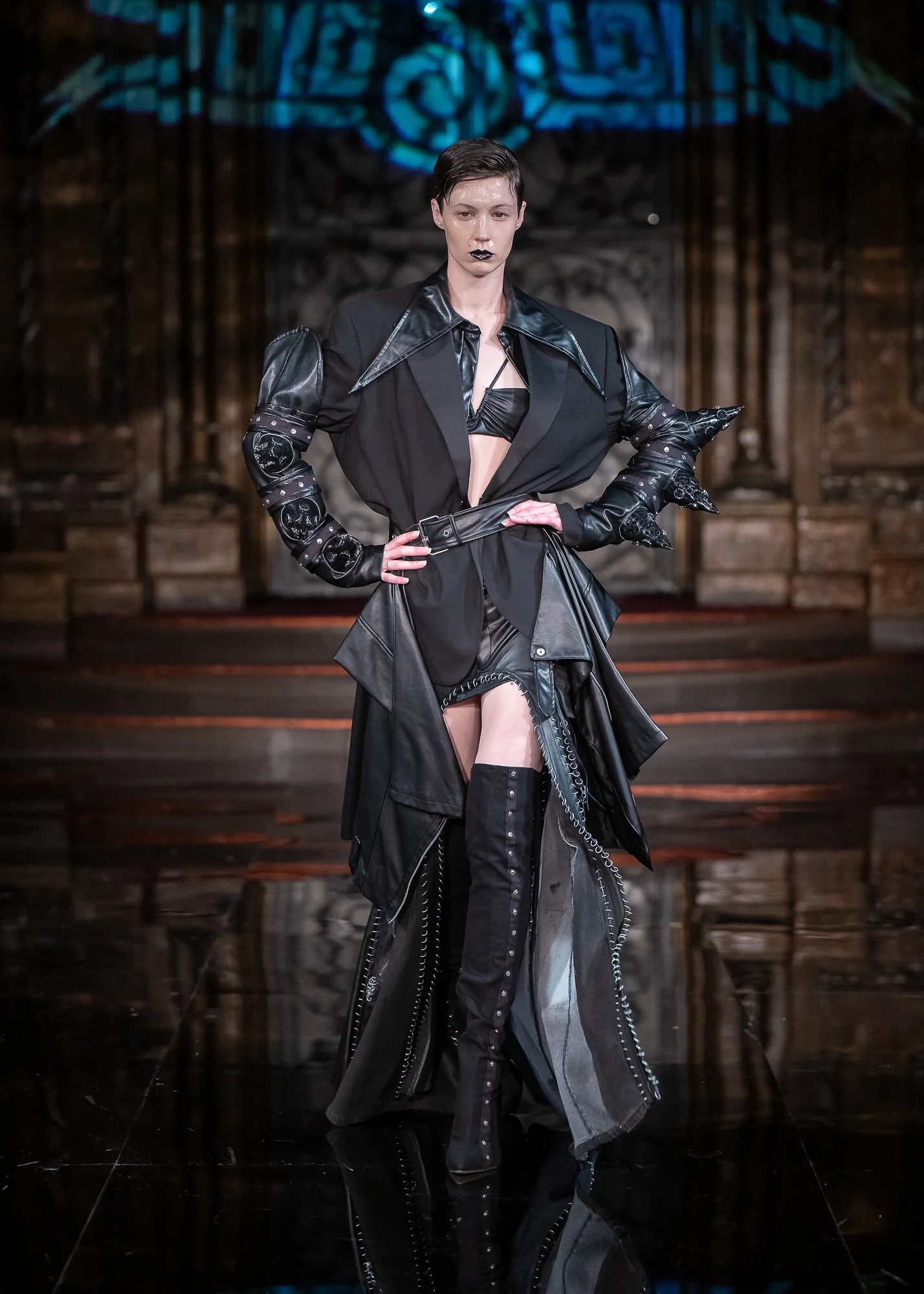
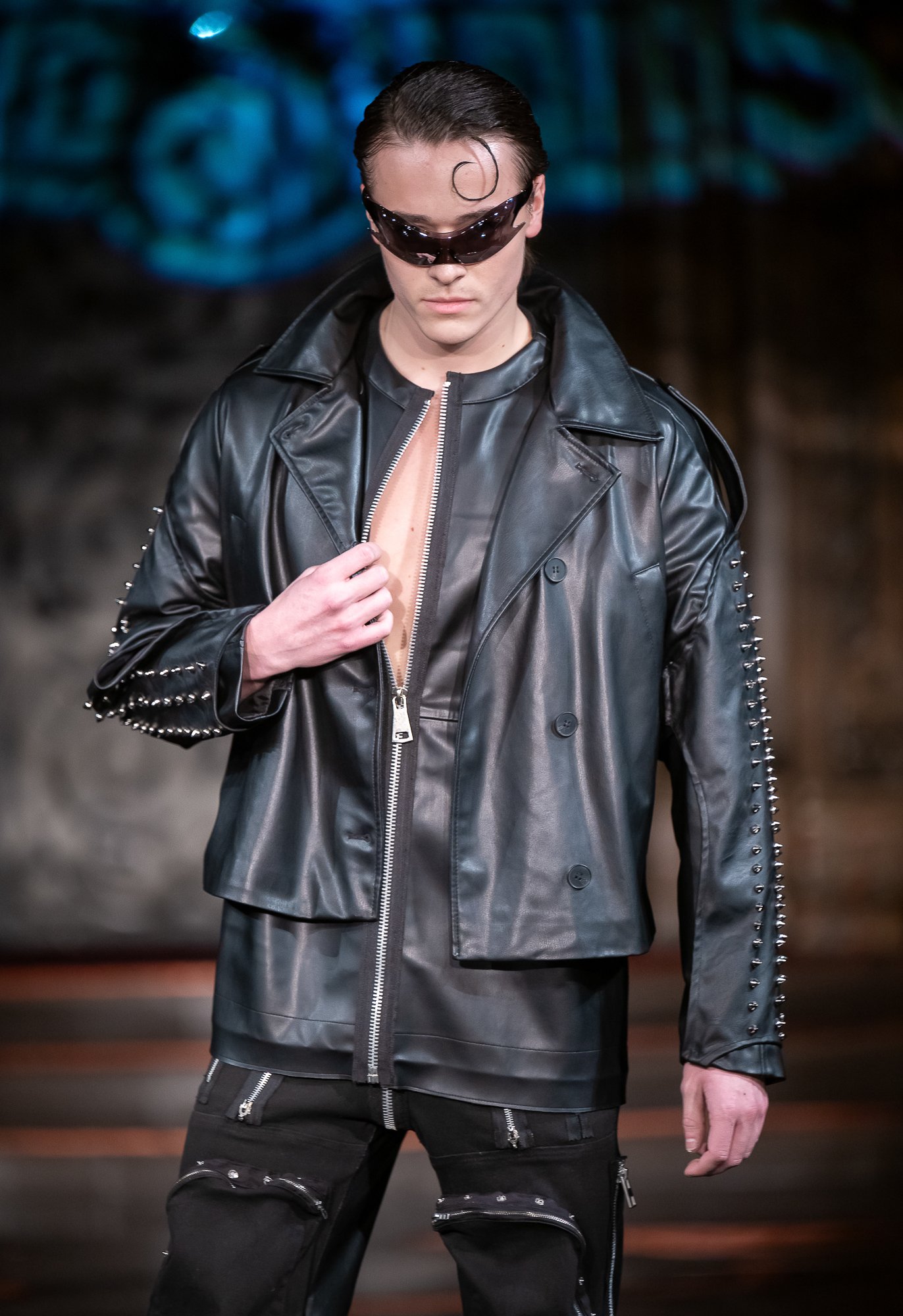
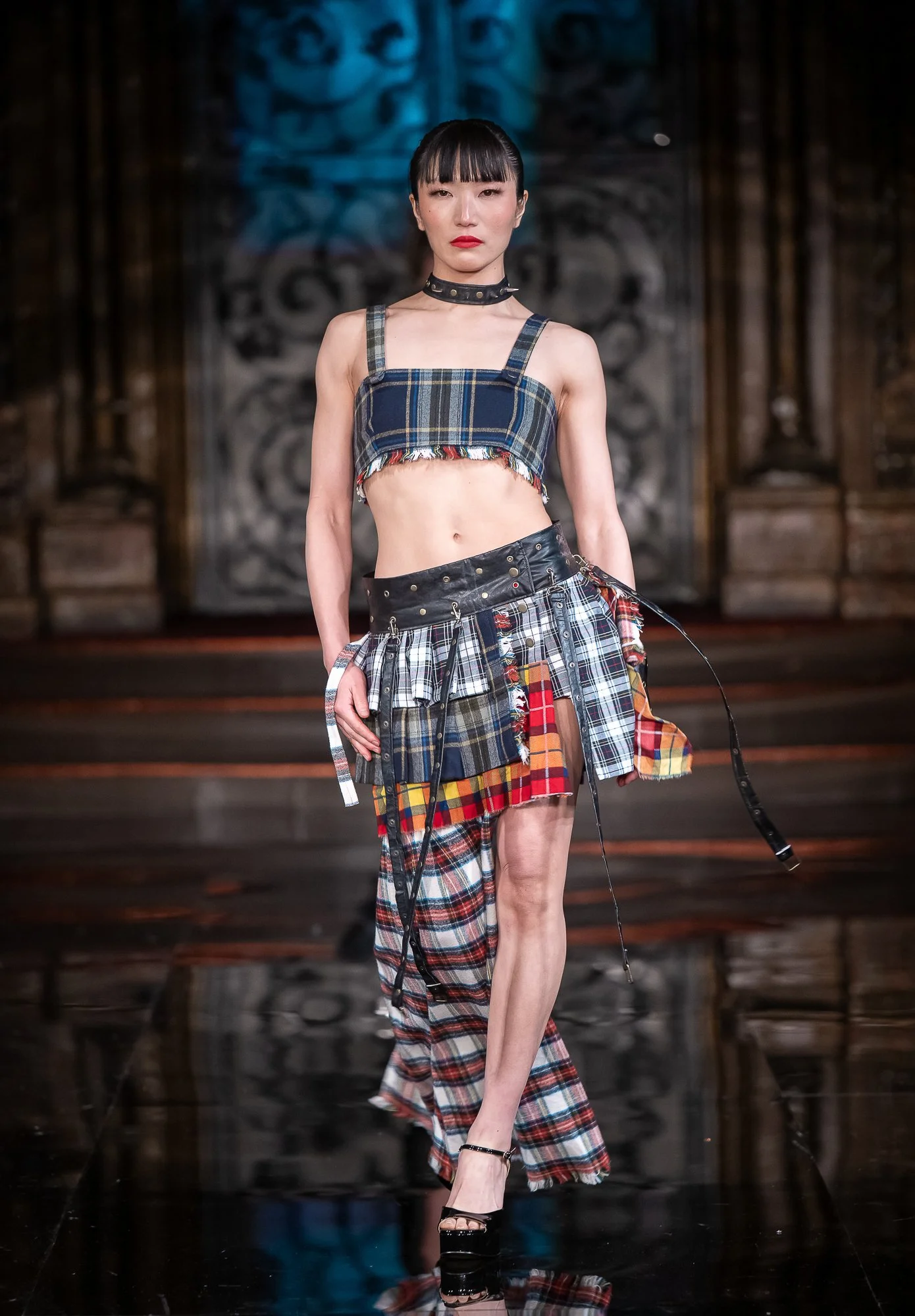
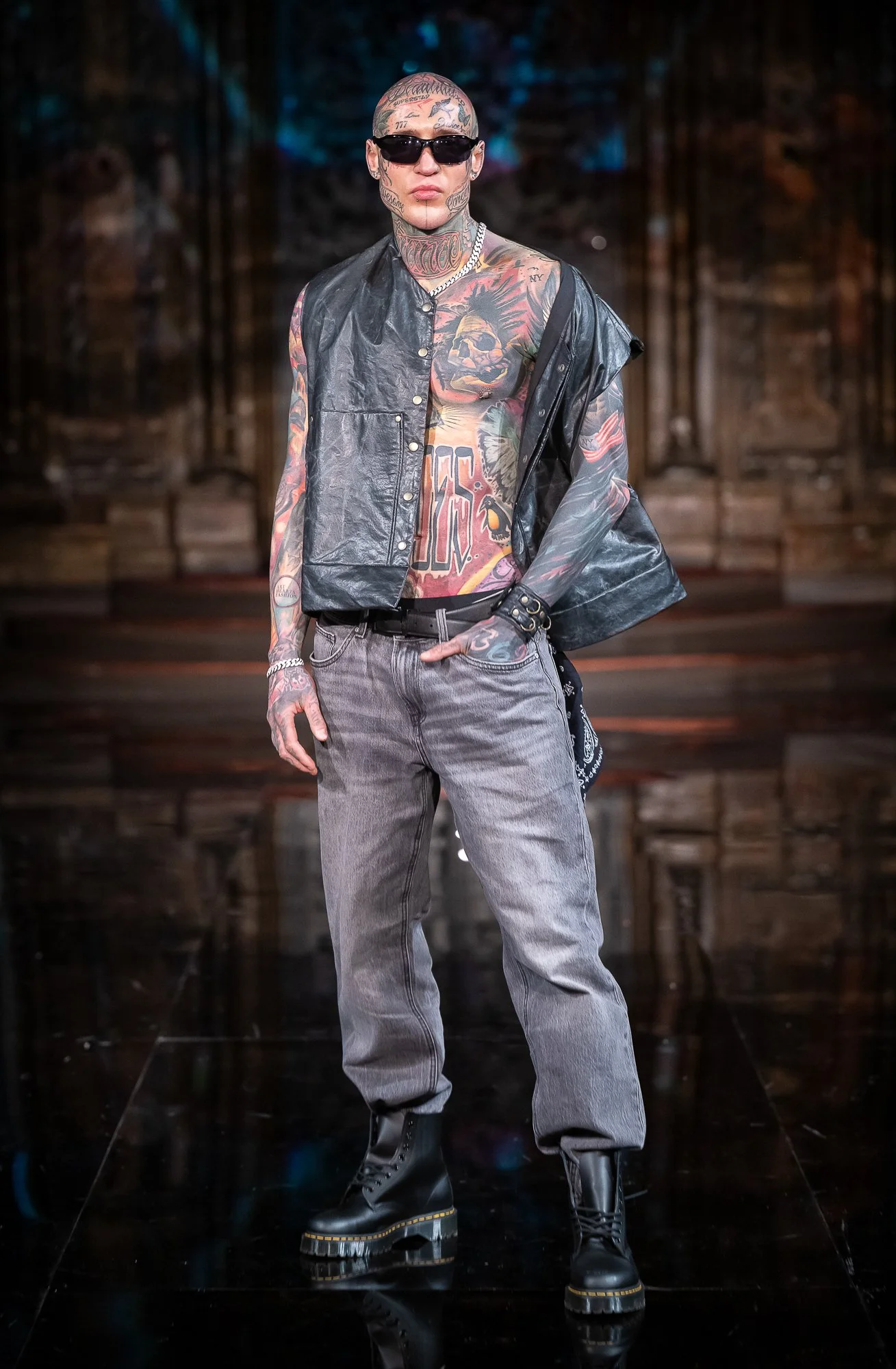
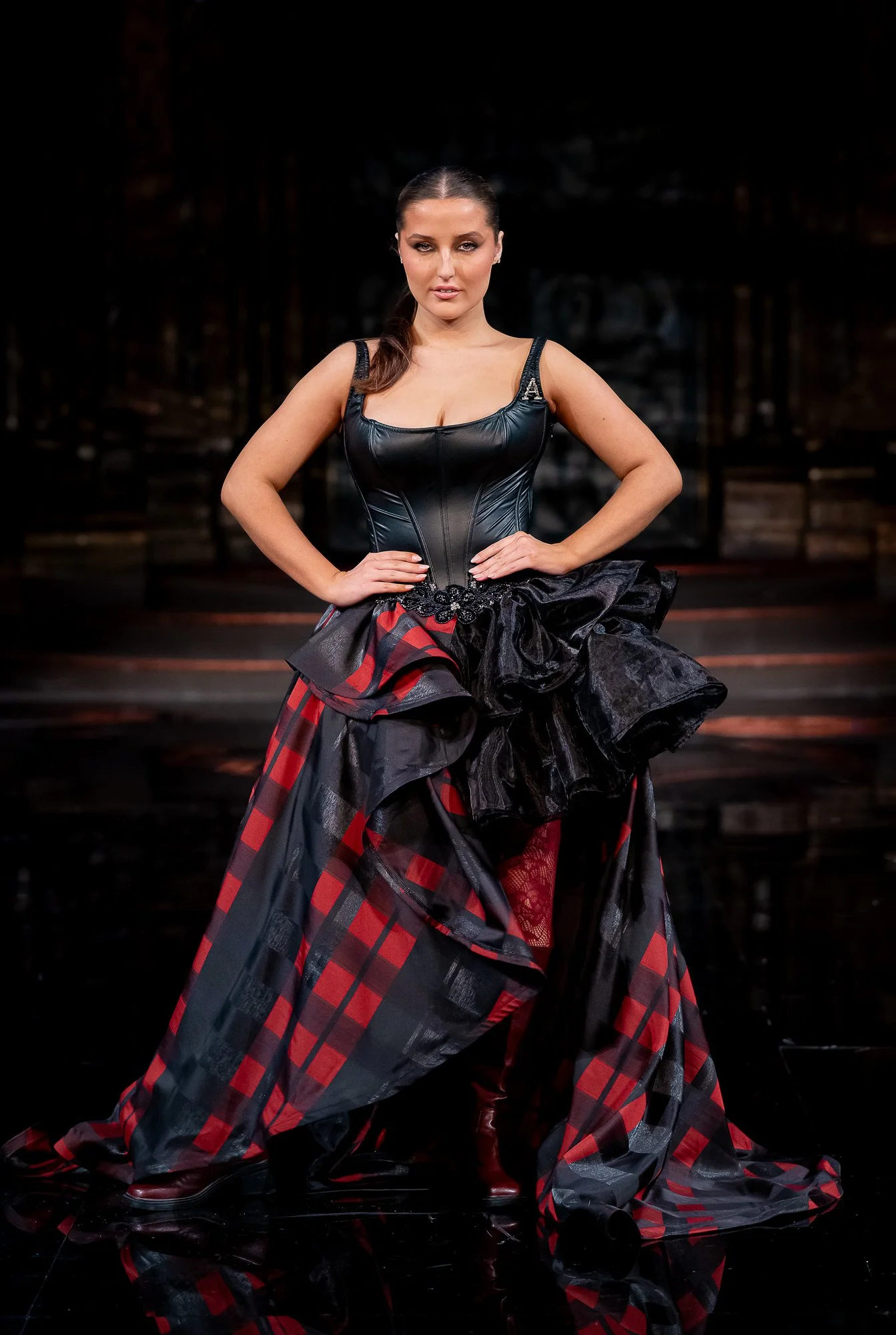
From Cross Colours’ enduring commentary on culture and identity to Soid Studios’ downtown New York codes, the runway became a space where generational and geographic narratives converged. Designers including Bad Pink (Chile), Idol Jose (Venezuela), David Tupaz (USA), and Kentaro Kameyama (Japan) leaned into streetwear as a global dialect—one spoken fluently from Santiago to Tokyo.
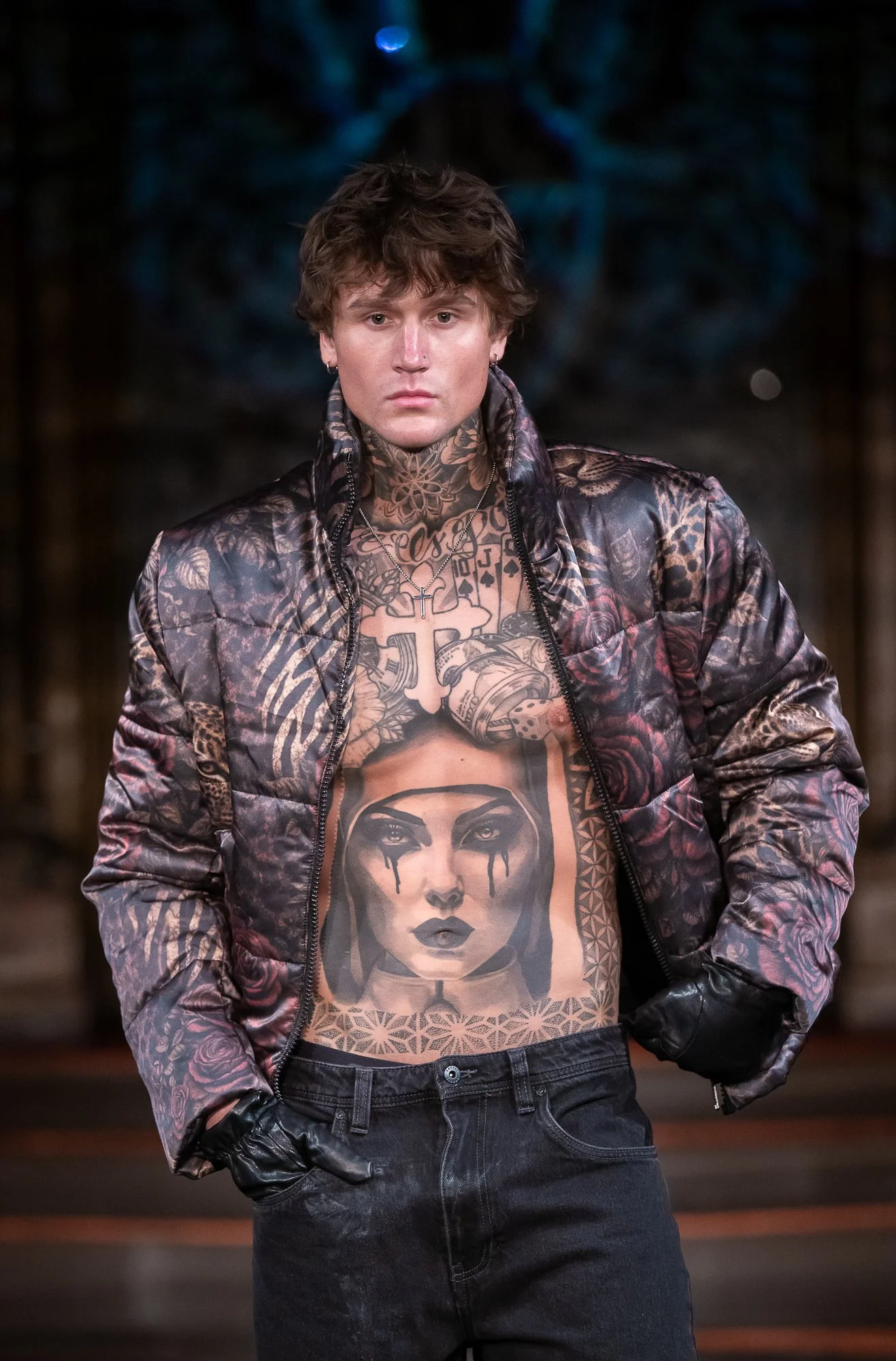
Erik Rosete’s own Mister Triple X continued to blur performance, branding, and runway theatrics, reinforcing how founder-led labels now function as extensions of cultural ecosystems rather than traditional fashion lines.
A Growing Menswear Presence
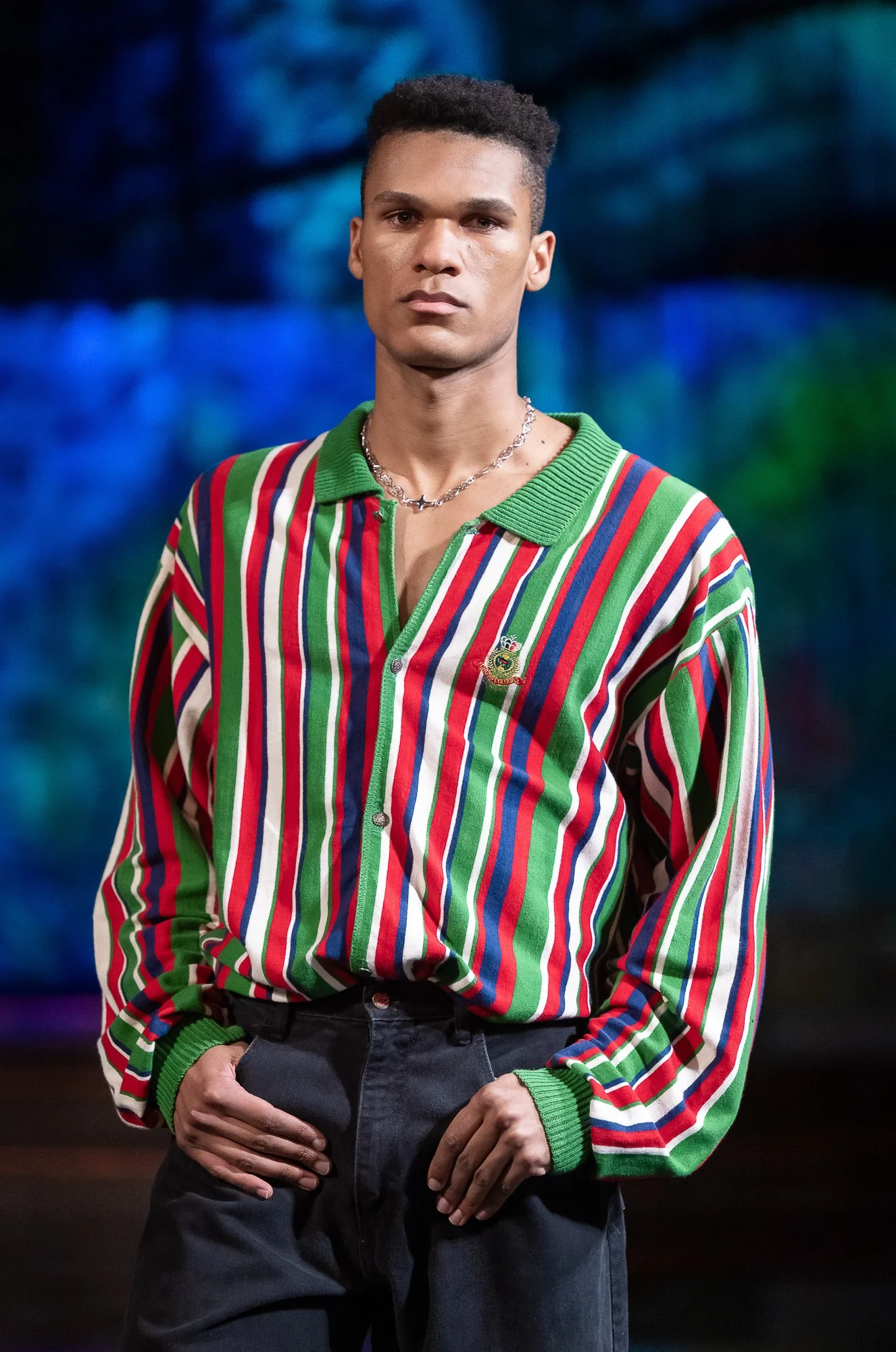
Notably, men’s fashion was not relegated to a side note. A strong lineup—including Franklin Rowe, George Styler, NIF Global x London School of Trends, and Mister Triple X—positioned menswear as a primary narrative driver rather than a supporting category.
In a season where luxury houses continue recalibrating their men’s strategies, Art Hearts Fashion’s emphasis on emerging and international menswear talent feels prescient.
Bridal, Kids, And The Expanding Consumer Lens
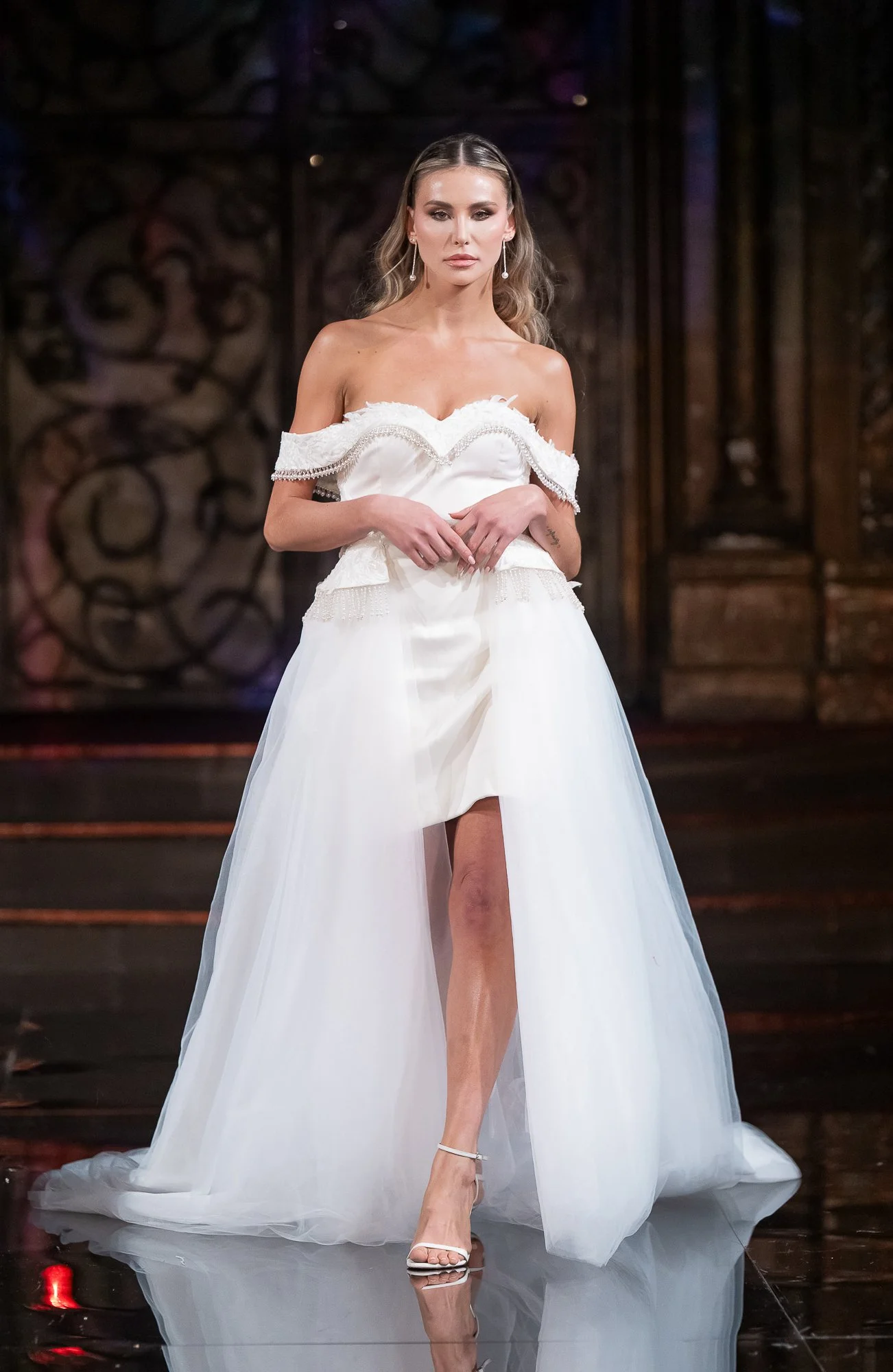
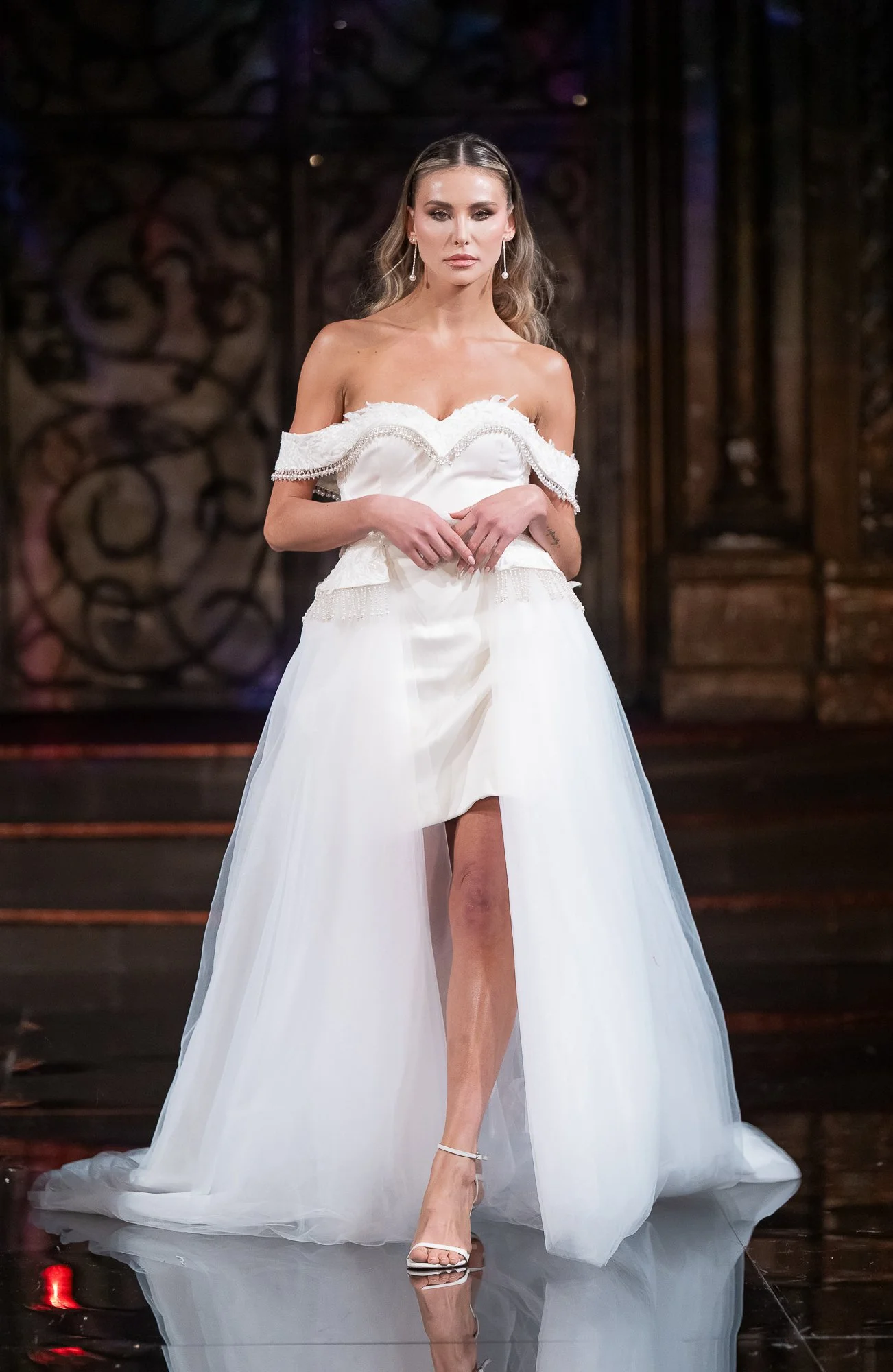
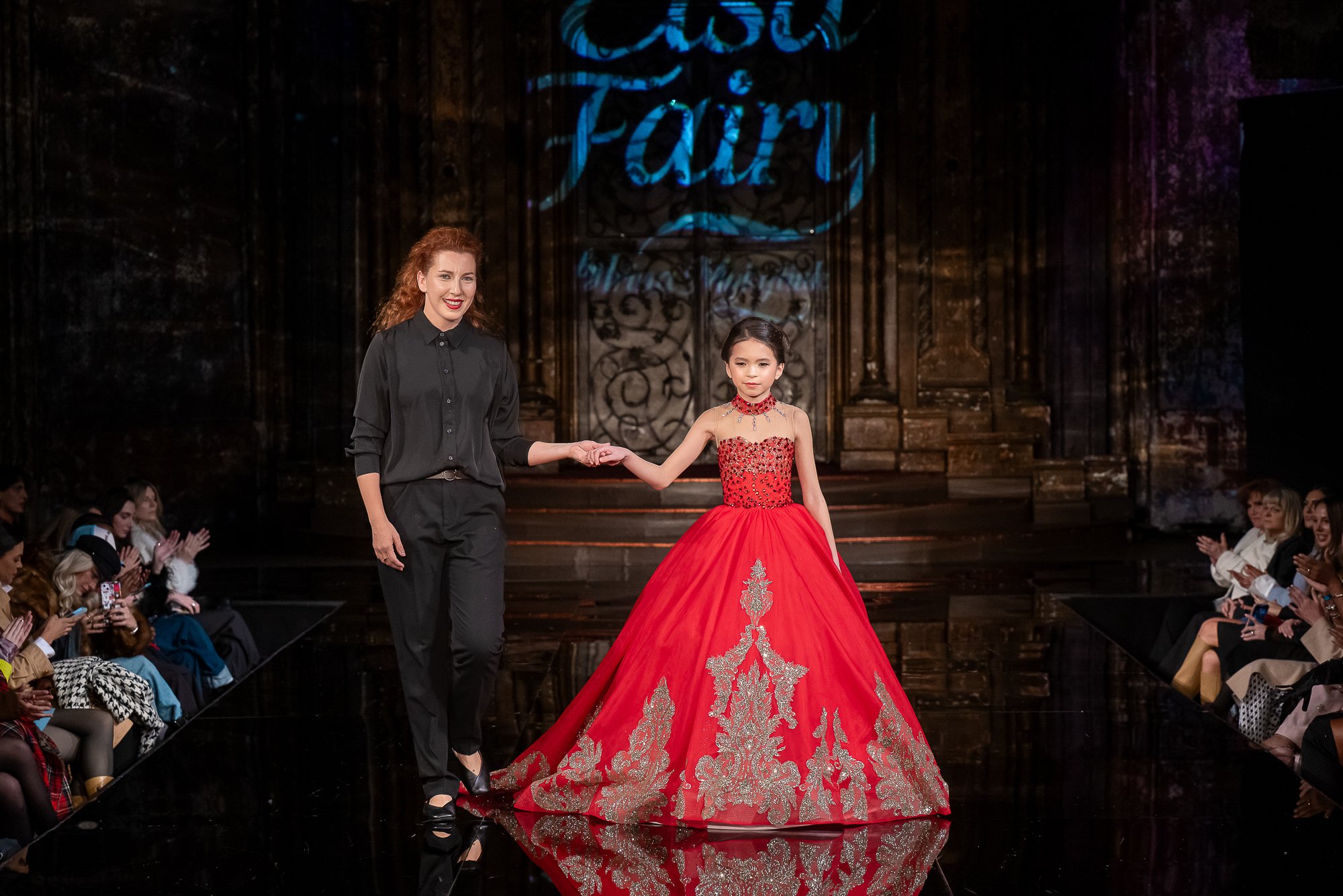
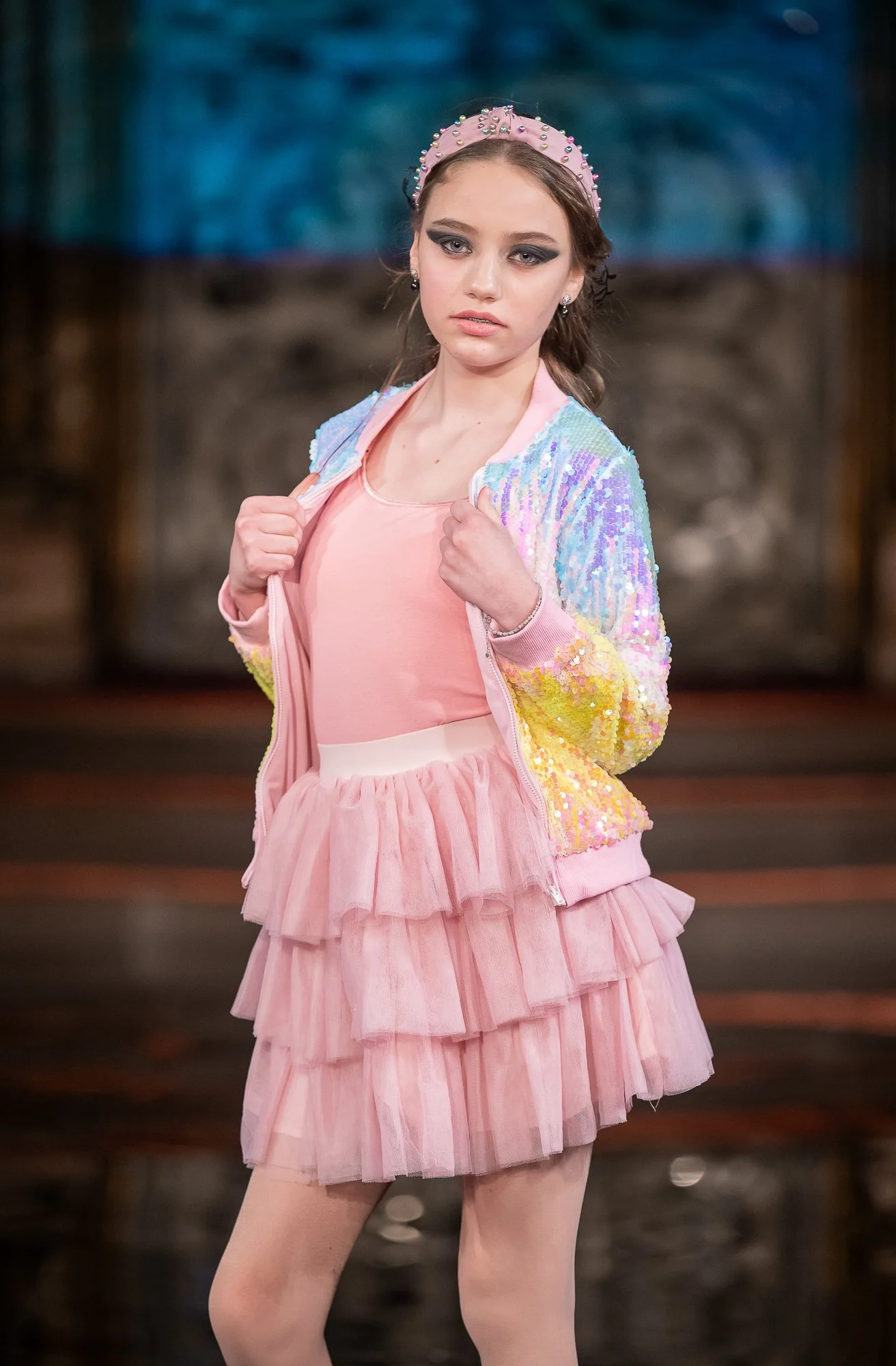
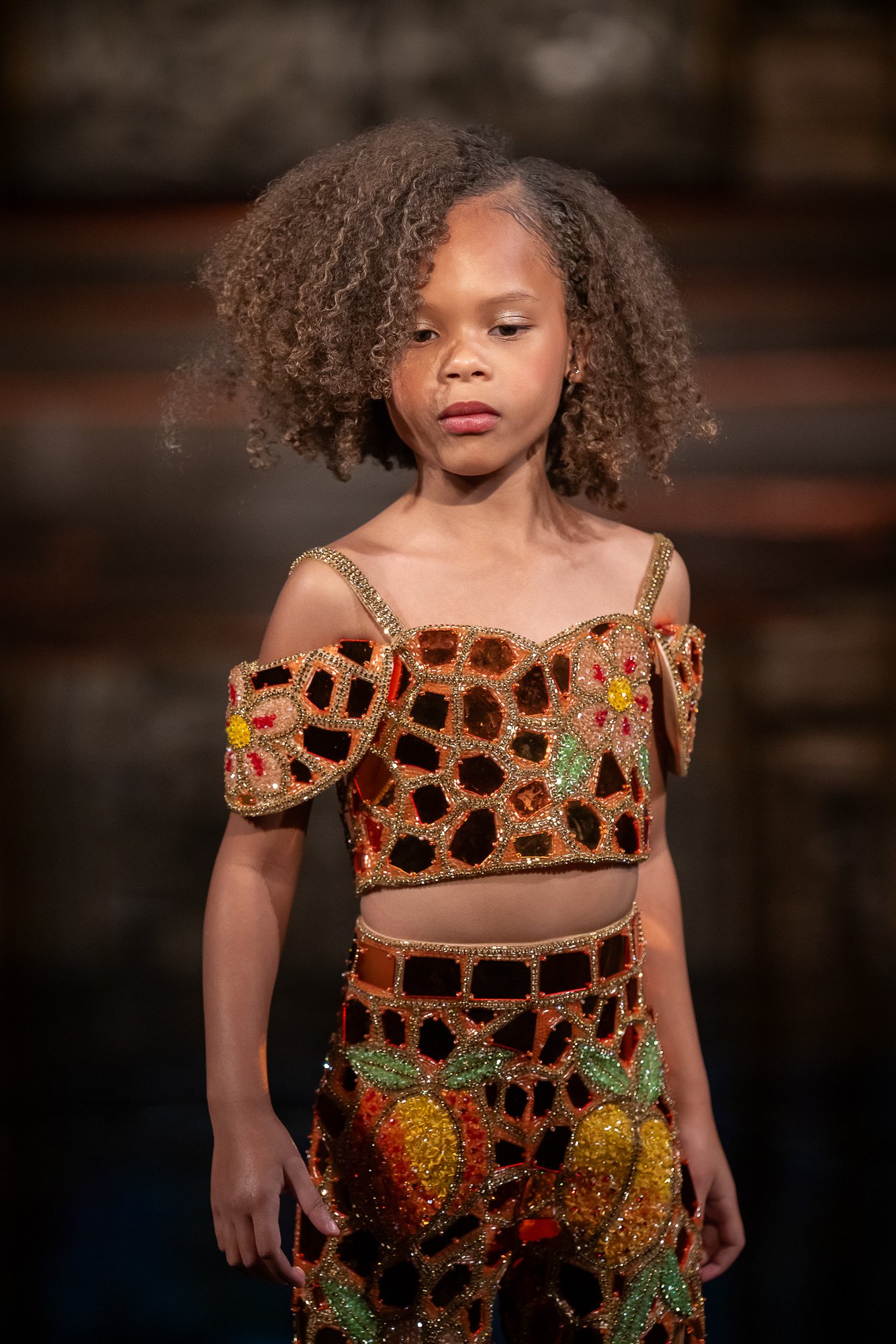
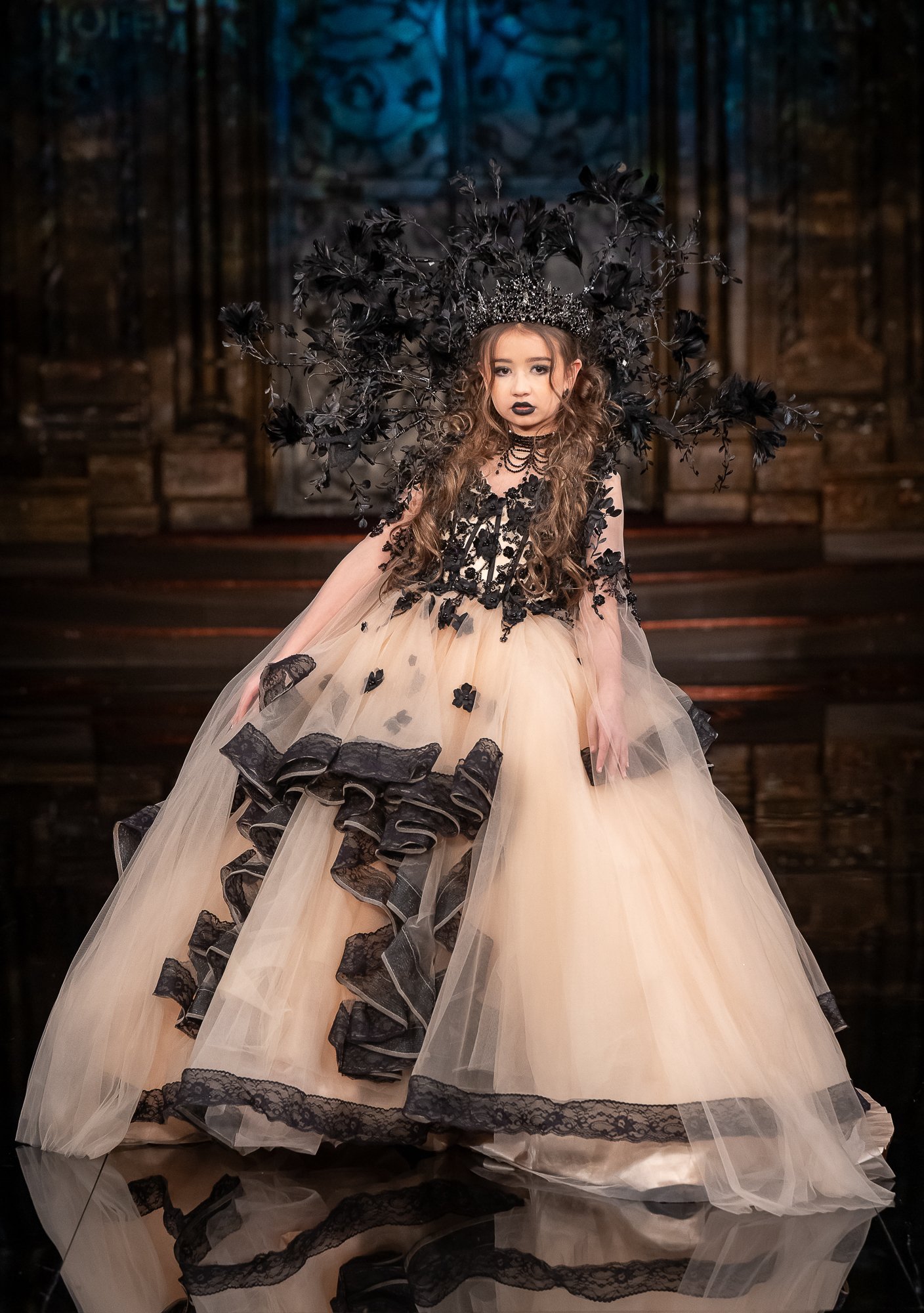
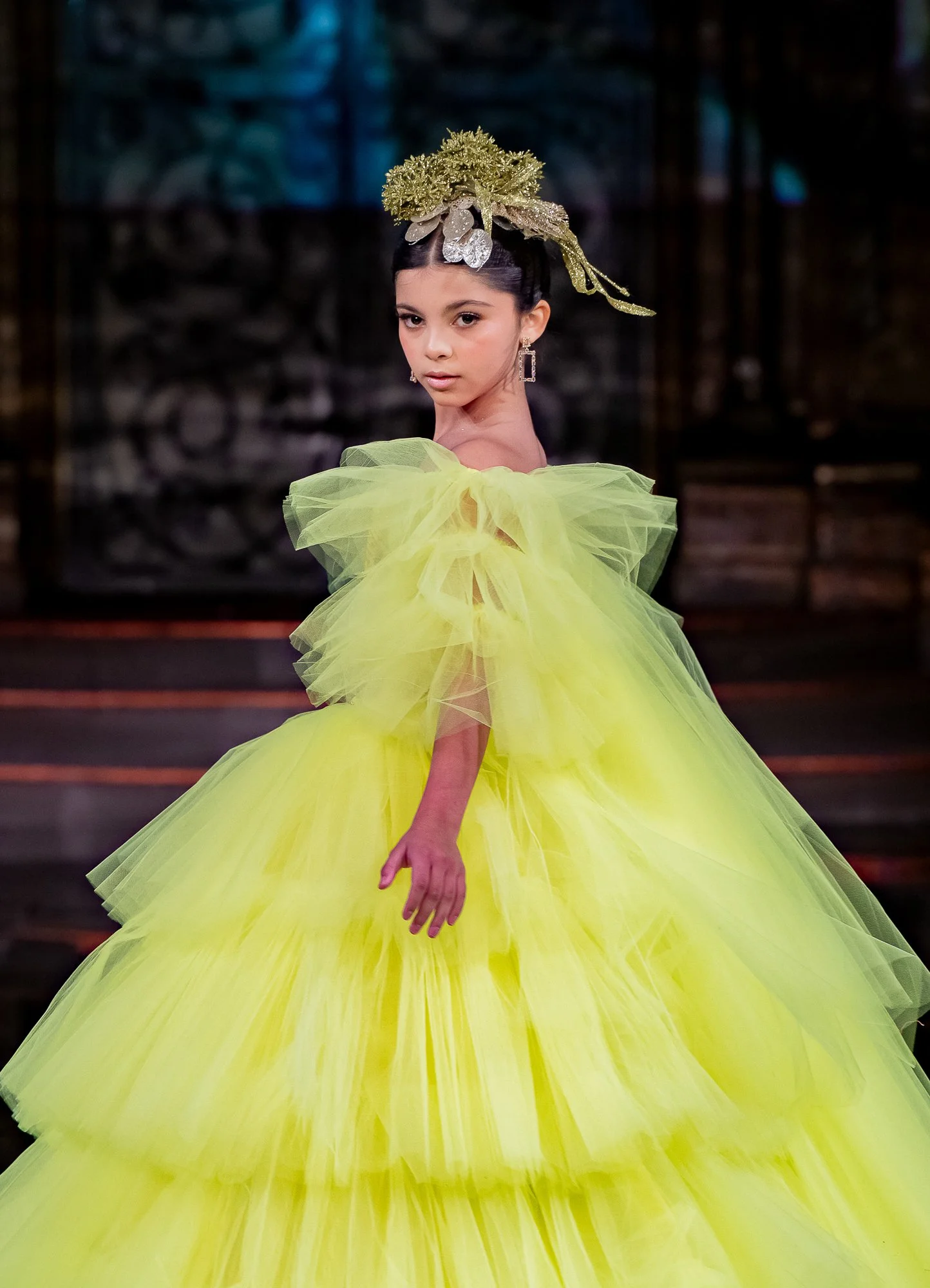
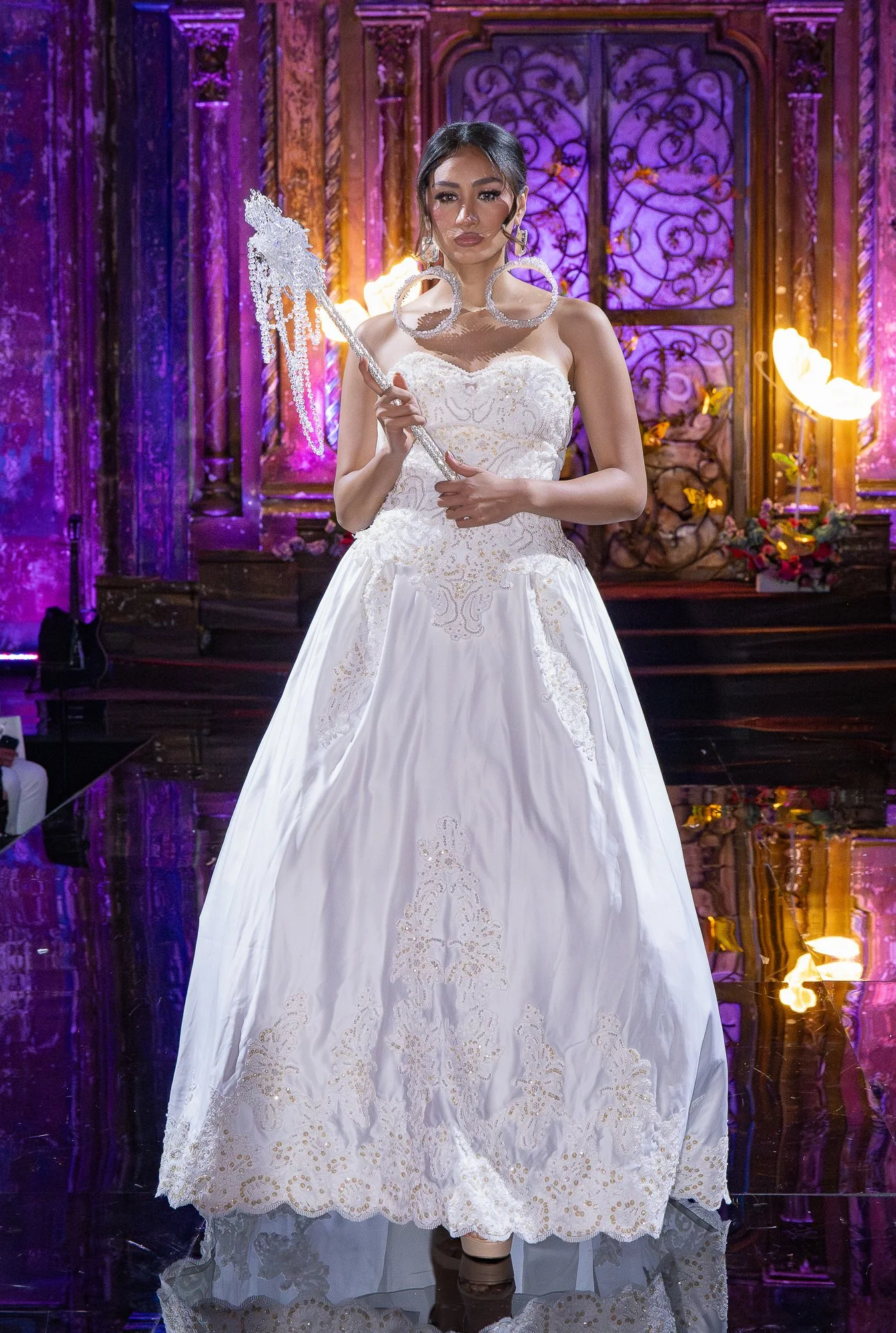
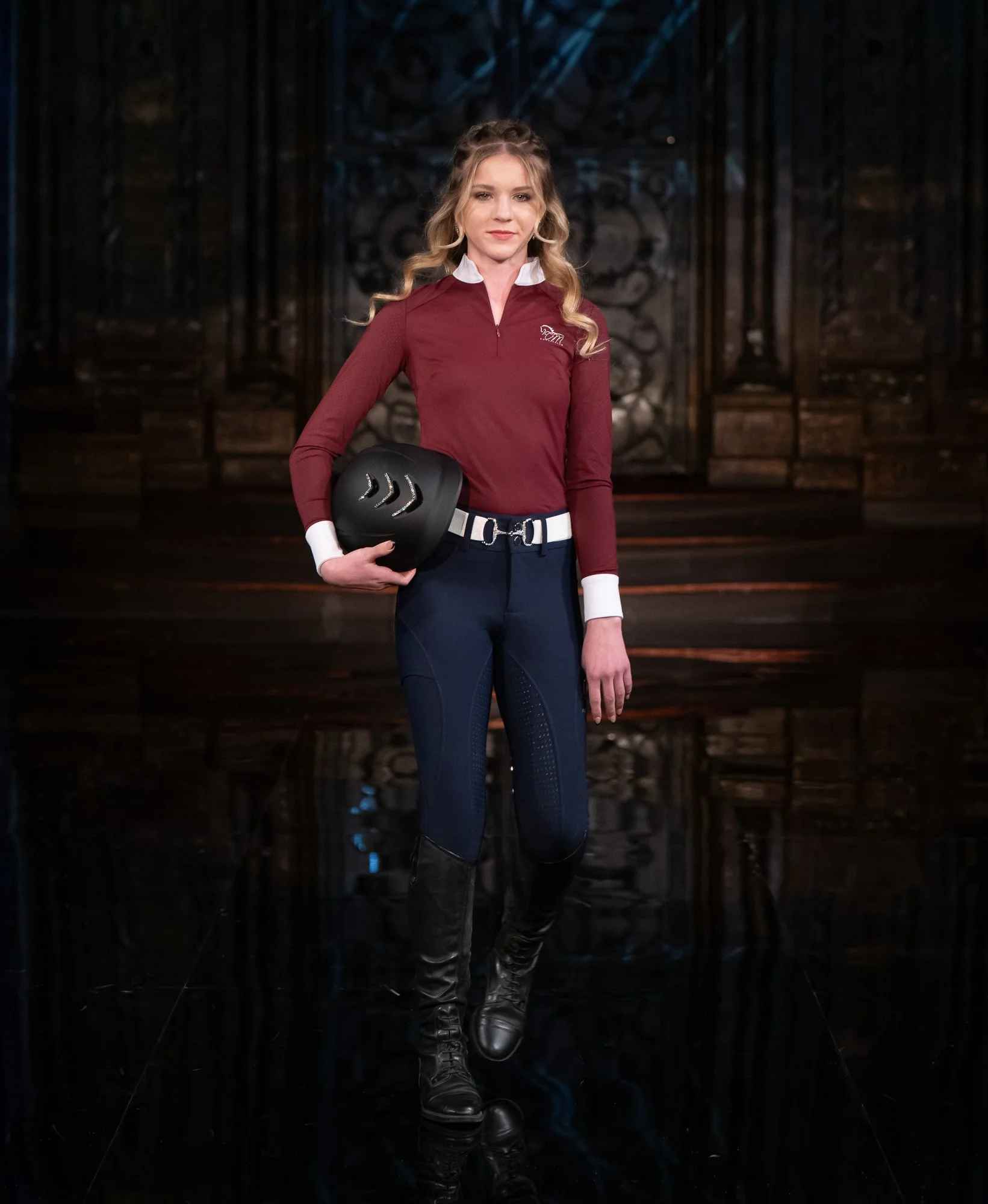
Bridal designer Glaudi delivered romance with architectural precision, while the Kids segment—featuring Wanda Beauchamp, Archie Brown, Alycesaundral, Elsa Fairy, Isabella Zimprich, Mila Hoffman, and CM Equestrian—highlighted fashion’s next generation of consumers and creators.
Children’s runway presentations are often viewed as novelty; here, they felt like market foresight.
Production As Platform
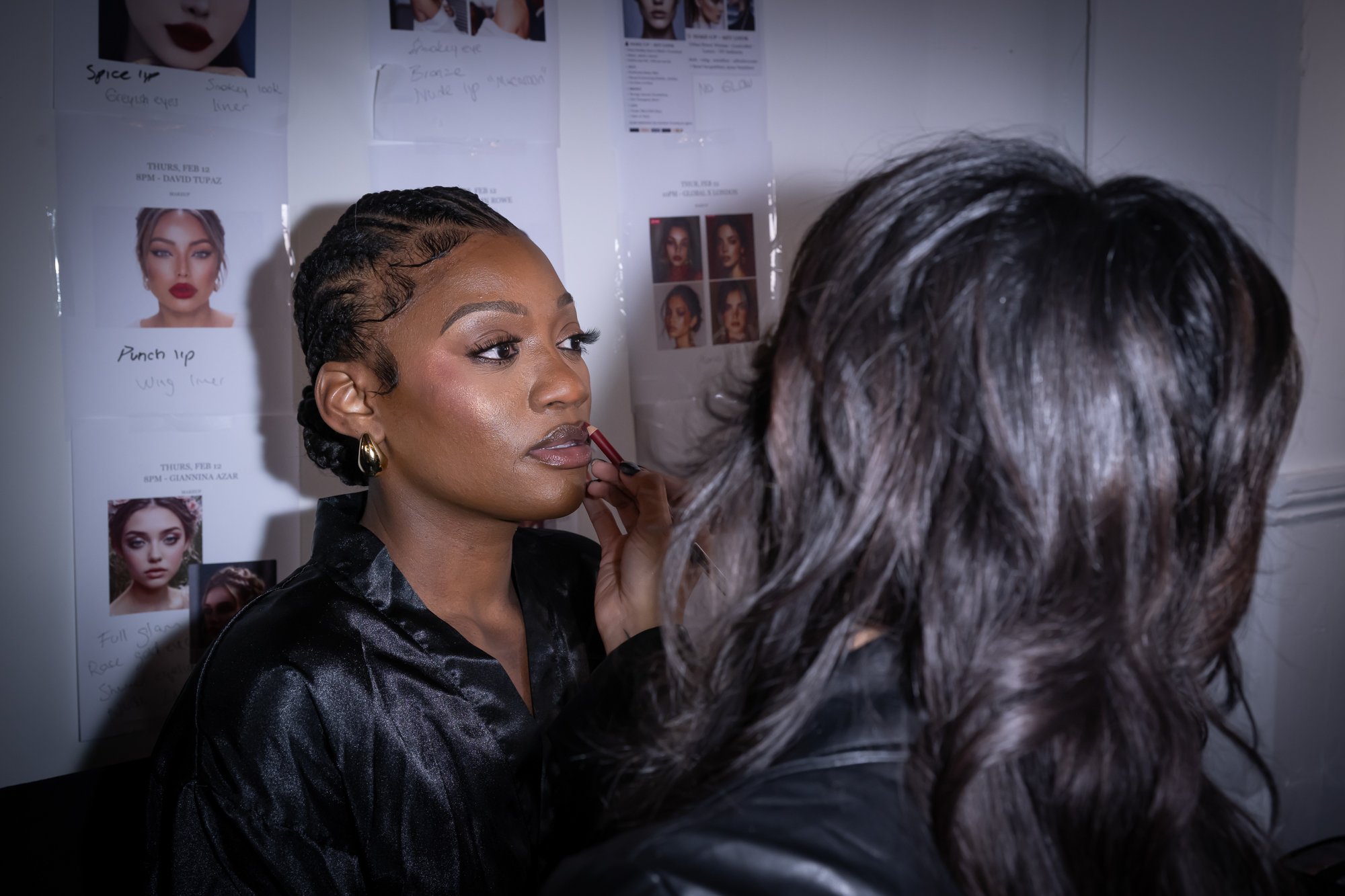
Behind the runway, the ecosystem mirrored the ambition. Beauty partners Billion Dollar Beauty, Japonesque, and Icon Hair worked backstage, while Maison Perrier anchored refreshments—small but telling indicators of the cross-industry partnerships that sustain independent fashion production.
Since its founding in 2010 by Erik Rosete, Art Hearts Fashion has operated at the intersection of fashion, art, and entertainment. With shows spanning New York, Los Angeles, Miami, Las Vegas, London, Ecuador, and Shanghai, the platform has steadily expanded beyond a domestic showcase into an international circuit.
This season’s announcement of upcoming London shows is less an expansion and more a formalization of what the platform has already become: a mobile global runway infrastructure.
In a fashion landscape increasingly defined by consolidation at the top, Art Hearts Fashion represents the opposite force—distributed creativity, scaled through production.

HOW DO YOU FEEL ABOUT FASHION?
COMMENT OR TAKE OUR PAGE READER SURVEY
Featured


Growing a Twitch channel from zero can be frustrating. You can spend hours preparing a stream, improve your overlays, choose a searchable title, and still find yourself competing for attention near the bottom of a crowded category.