
Chuks Collins’ ‘Ancestral Futures’ Positioned Heritage As A Living Technology
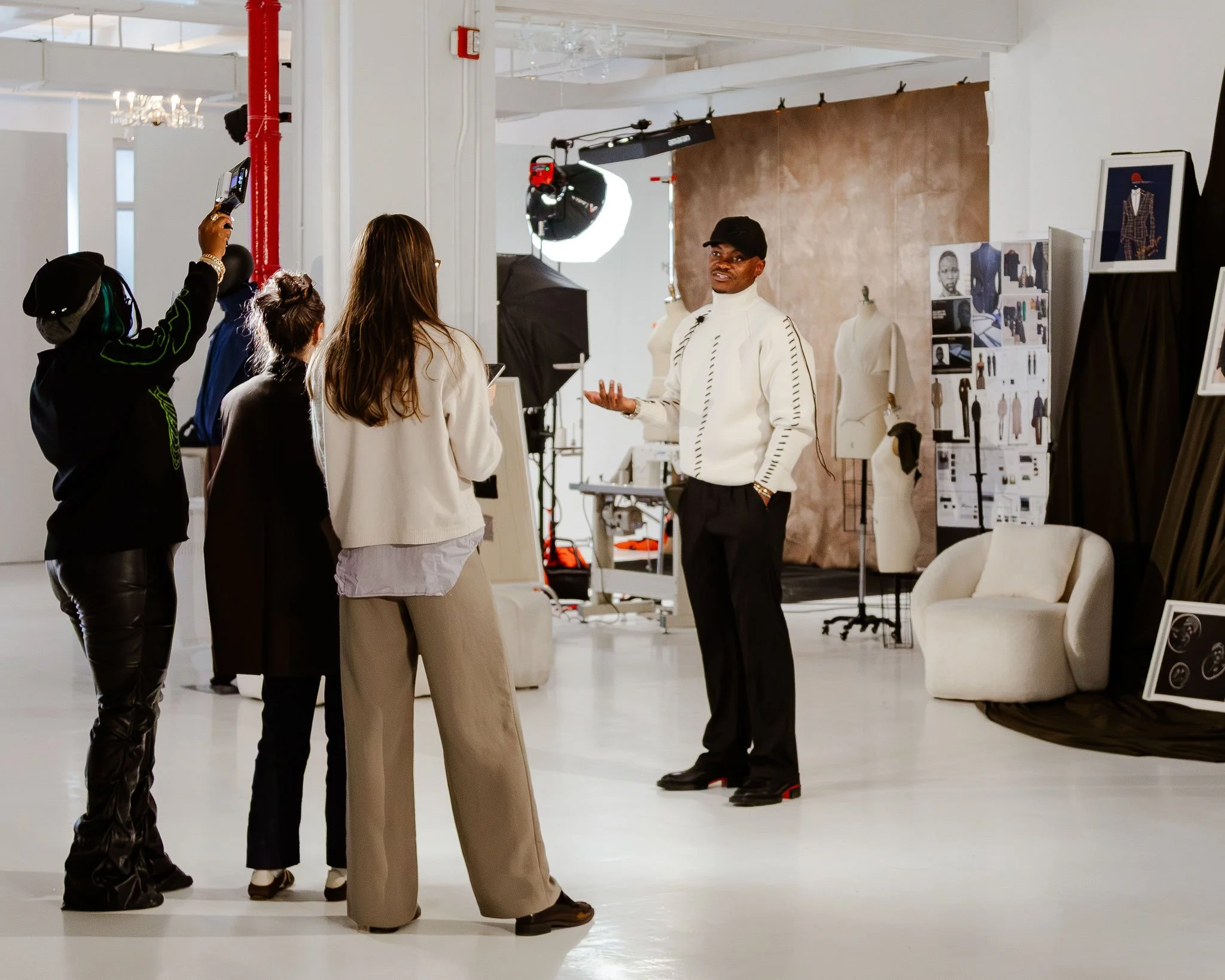
Chuks Collins [right]
As the fashion calendar accelerated toward spectacle, Chuks Collins moved deliberately in the opposite direction—toward meaning. Presented on February 16, his FW26/27 collection, Ancestral Futures, was less about seasonal trend cycles and more about lineage, responsibility, and the quiet power of continuity.
For Chuks Collins, heritage was never a static reference point. It was active, coded, and alive—shaping the present as much as it informed the future. That belief anchored the season’s narrative.
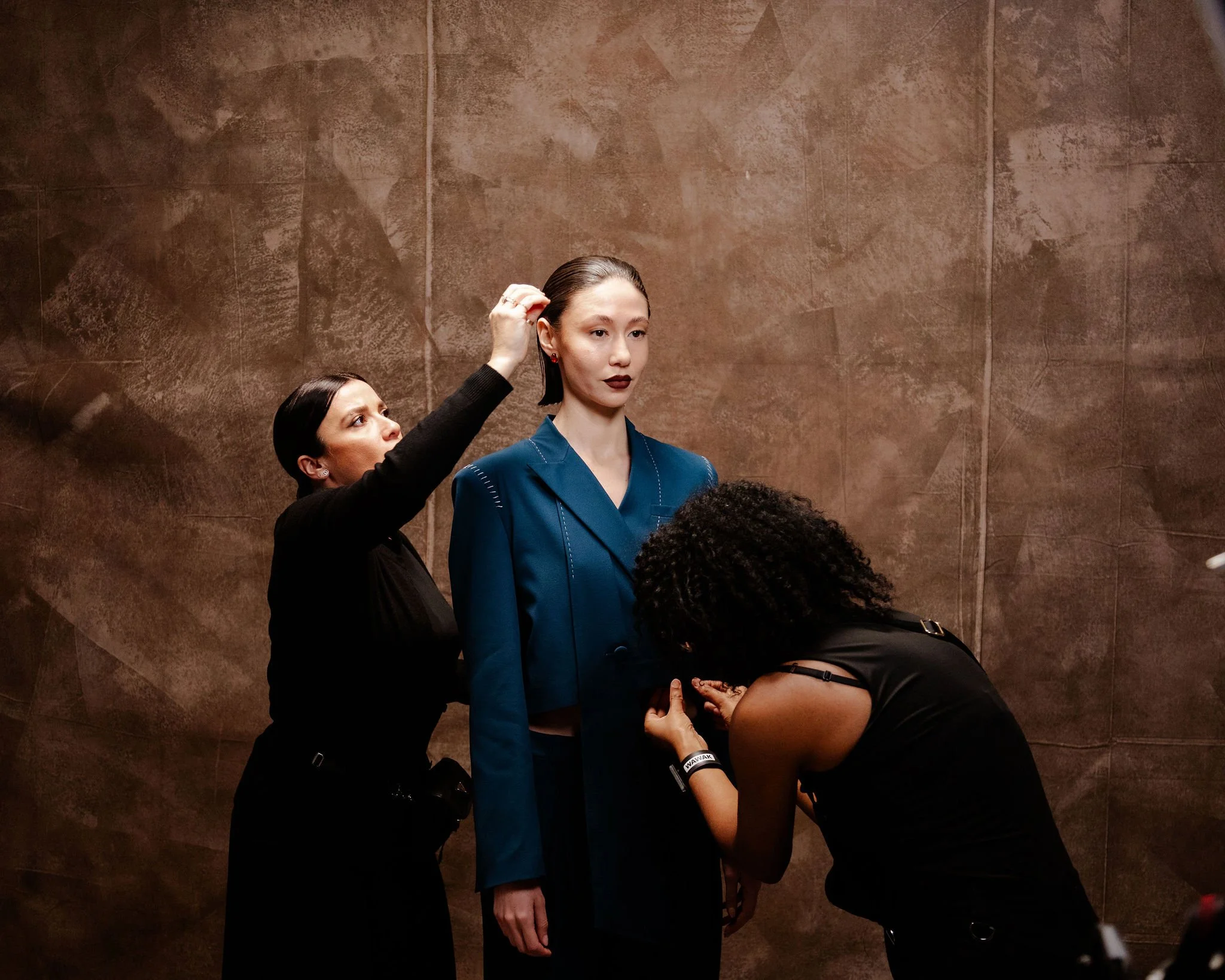
“With Ancestral Futures, I want the audience to understand that heritage is not static, it’s continuously active, living, and continuously shaping what comes next,” Collins said. “This collection is an invitation to see ancestry not as nostalgia, but as technology. The wisdom, rituals, and craftsmanship passed down through generations are codes we still carry, whether consciously or not. I want people to leave recognizing that modernity doesn’t have to erase origin. Instead, the future becomes richer when it is informed by memory. These garments are designed as living archives, pieces that carry the past in their construction while speaking fluently to the present and future.”
The philosophy did not remain conceptual. It was embedded directly into the garments. The FW26/27 collection introduced modular silhouettes and adaptive tailoring that reflected Collins’ belief in identity as fluid rather than fixed.
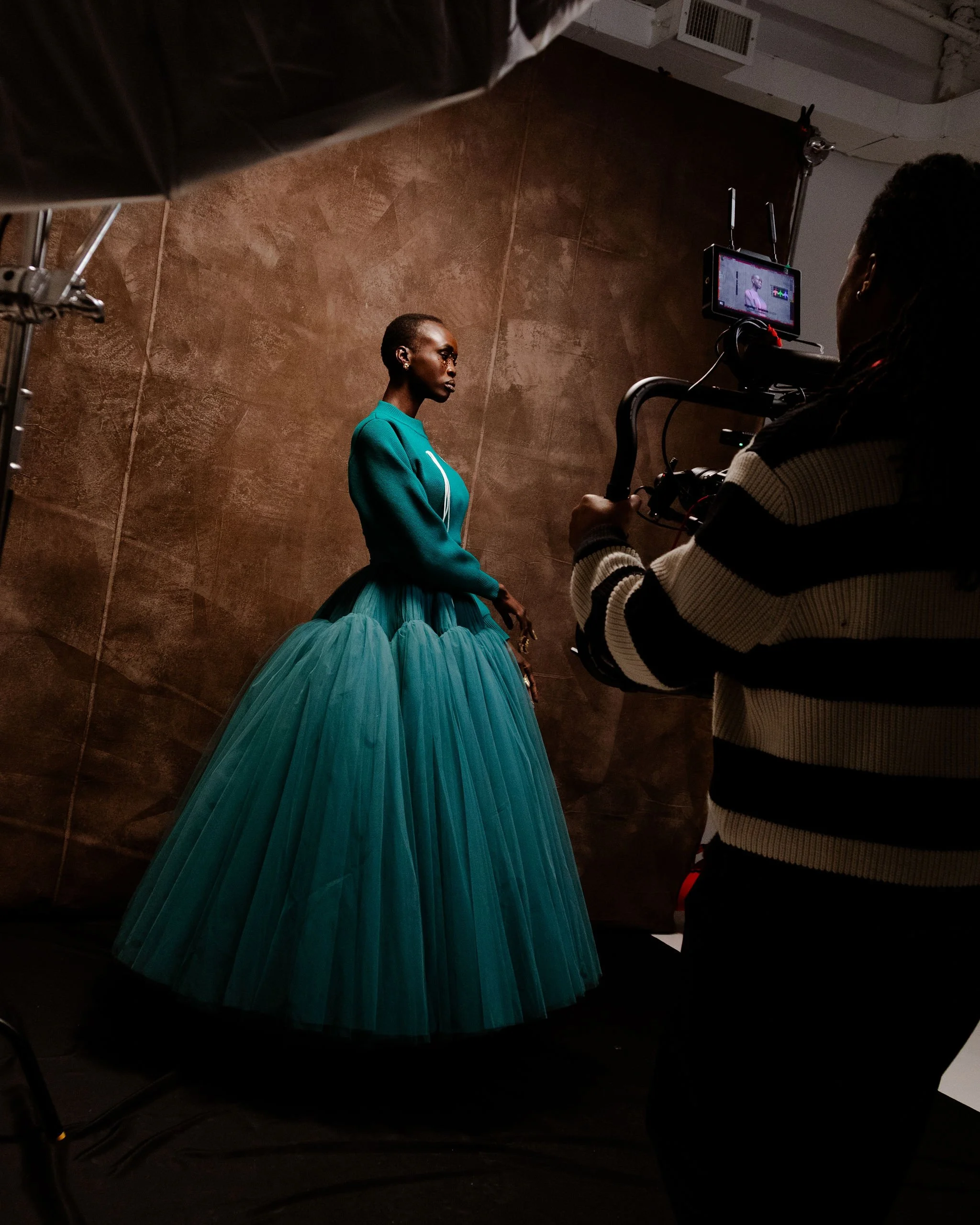
“What resonates most with me are the modular silhouettes and transformed tailoring, garments that shift, detach, mold and adapt,” he said. “There’s something deeply symbolic about that. Life isn’t fixed, identity isn’t fixed, and our clothes shouldn’t be either.”
Materiality became a site of dialogue rather than contrast for contrast’s sake. Hand-finished silks sat alongside coated, re-engineered wools. Organic cottons intersected with bio-leathers. Traditional tailoring structures were reimagined through stock and upcycled fabrics, reinforcing the brand’s commitment to sustainability and cultural continuity.
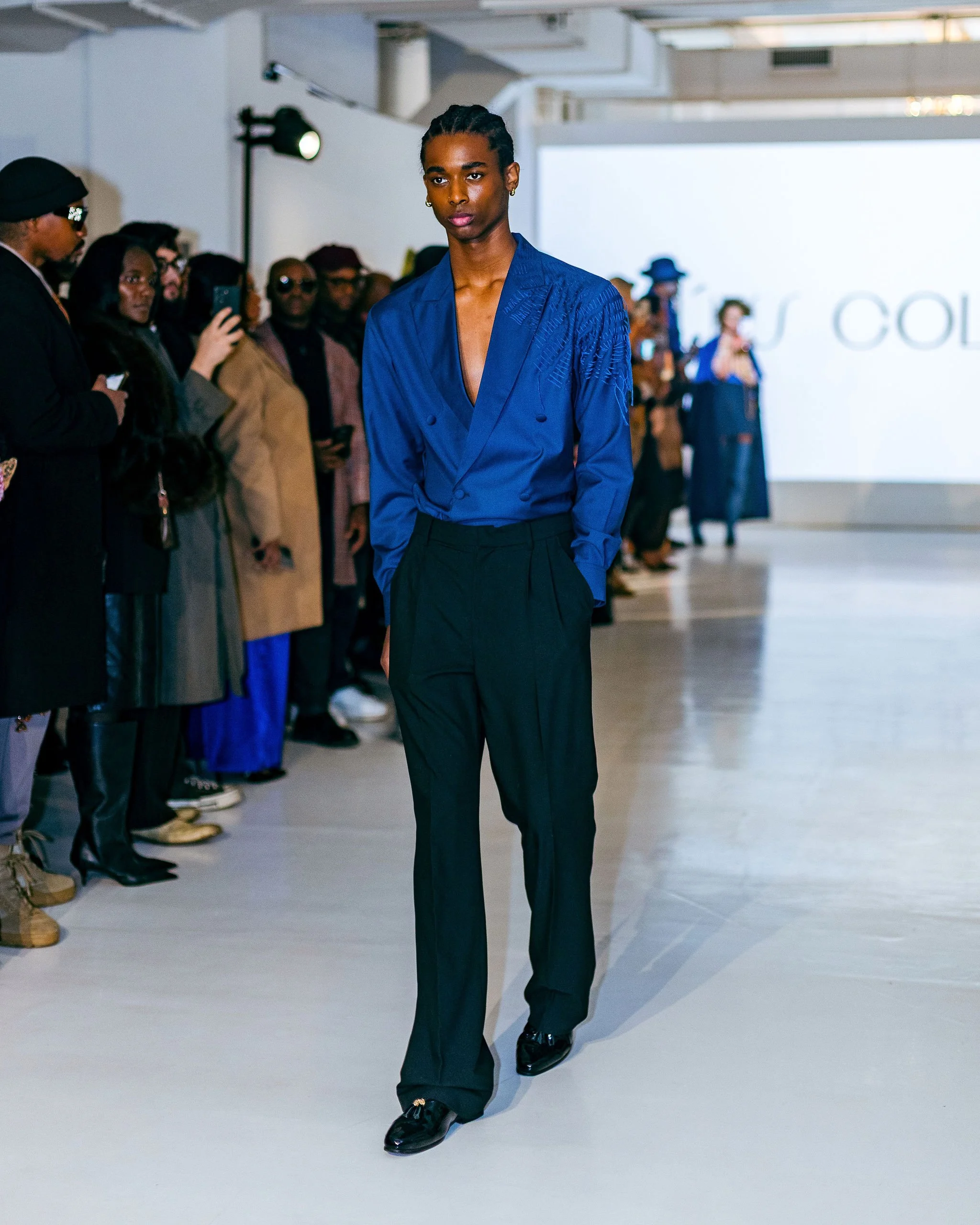
“Material-wise, the tension excites me,” Collins said. “Hand-finished silk, against coated re-engineered wools, organic cottons, bio-leathers alongside traditional tailoring structures all from stock and upcycled fabrics. Those contrasts mirror how I see the world, ancestral knowledge meeting innovation, the hand and the machine in conversation.”
Even the details carried intention. Stitch lines referenced tribal markings and ritual symbols—not as surface embellishment, but as integrated construction.
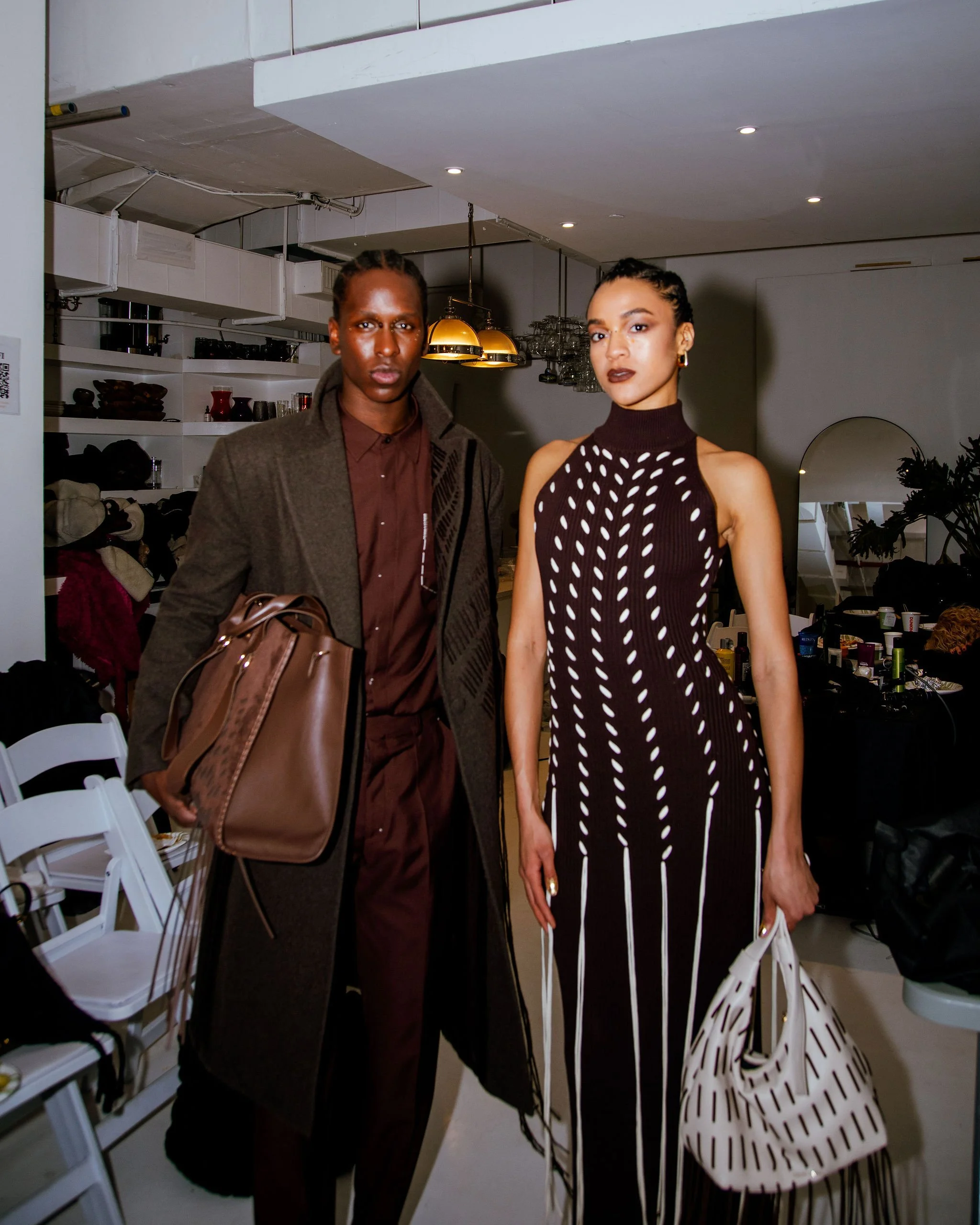
“The stitch lines, especially, feel personal,” he said. “They echo tribal markings and ritual symbols, but translated subtly into construction rather than surface decoration. That restraint is intentional.”
In an industry often caught between fetishizing tradition or chasing modernity for novelty alone, Collins rejected the premise that the two existed in opposition. Instead, he approached both with discernment.
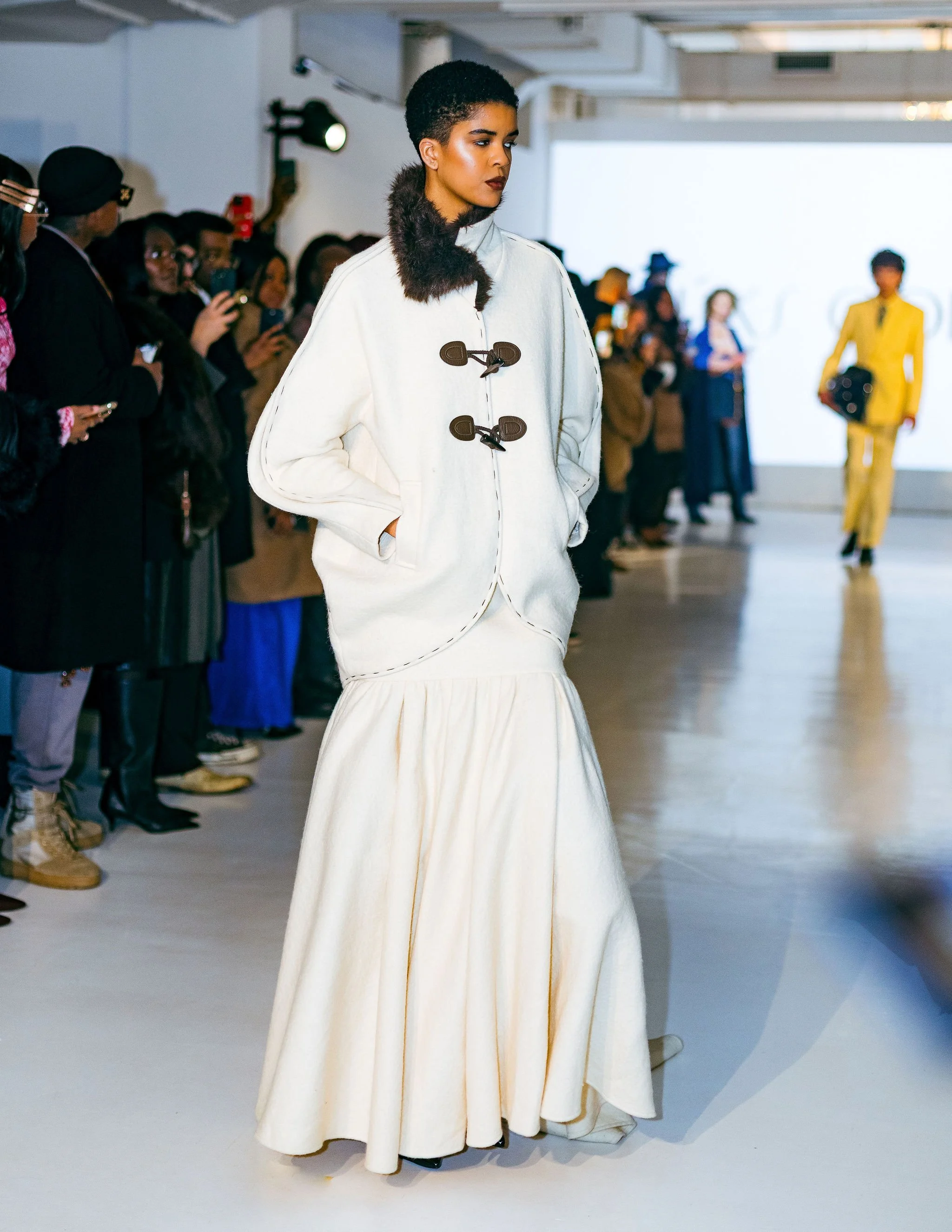
“I don’t see modernity and tradition as opposing forces, so I don’t reserve myself from either,” he said. “What I’m cautious about is aesthetic extraction without respect. Tradition isn’t something to borrow from casually, and modernity shouldn’t be pursued for novelty alone.”
For Collins, the work existed in tension—where intention, understanding, and storytelling converged.
“For me, the responsibility lies in intention,” he added. “When tradition shows up in my work, it’s because I understand where it comes from and why it matters. When modernity enters, it’s because it serves the story and the wearer, not because it’s trendy. Every collection I create sits in that tension, and I welcome it. That’s where honesty lives, and that’s where the work feels most alive.”
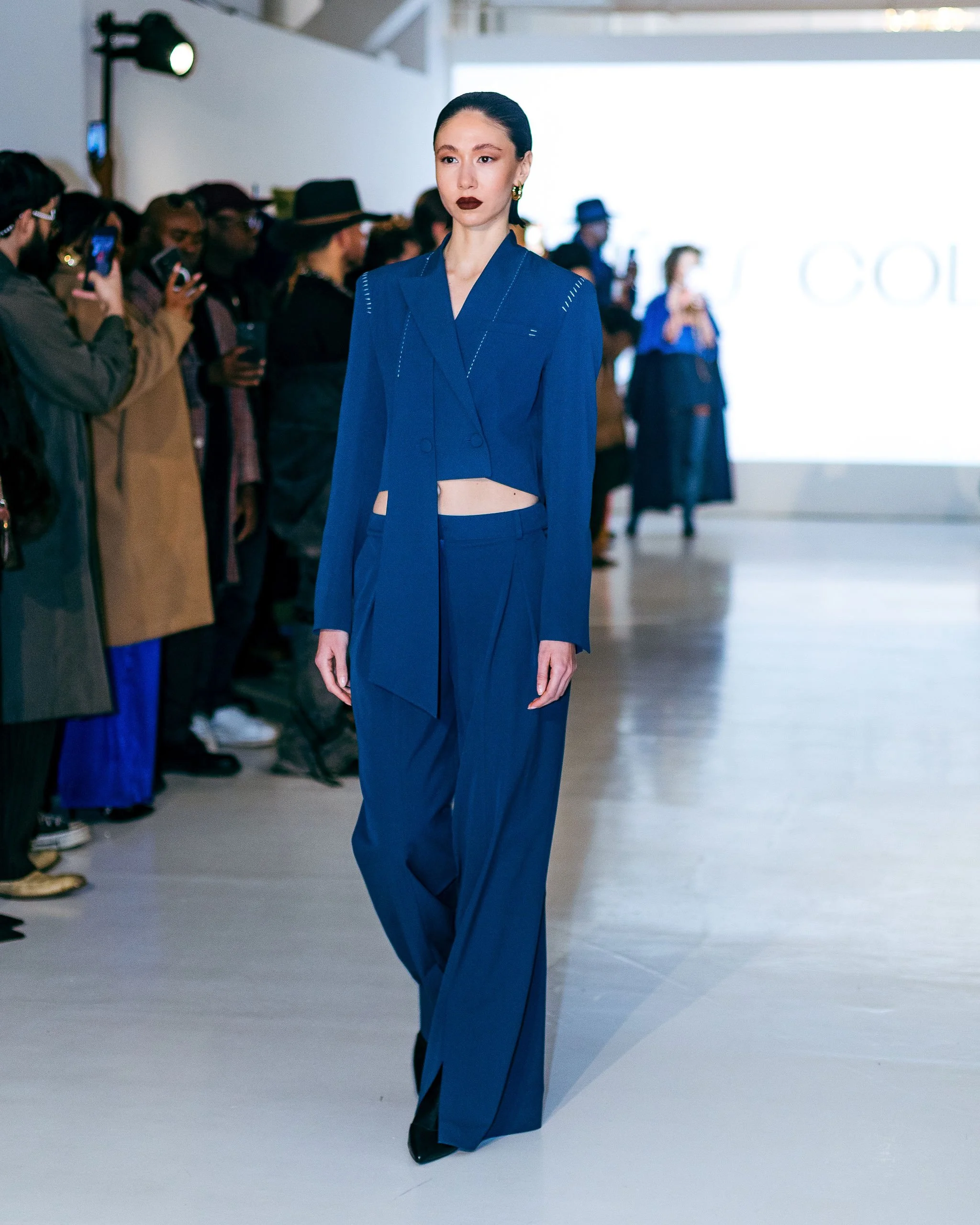
Rooted in intentional craftsmanship and contemporary innovation, the Chuks Collins brand continued to bridge atelier practice with ready-to-wear sensibility. With Ancestral Futures, the atelier became a time machine—where hand-finished jacquards echoed digital botanical forms, silhouettes transformed through concealed zippers and detachable layers, and regenerative materials reinforced the notion that preservation and progress could coexist.
The collection did not treat the past as nostalgia. It engineered it forward—proposing that memory, when handled with respect, could become the most powerful technology of all.
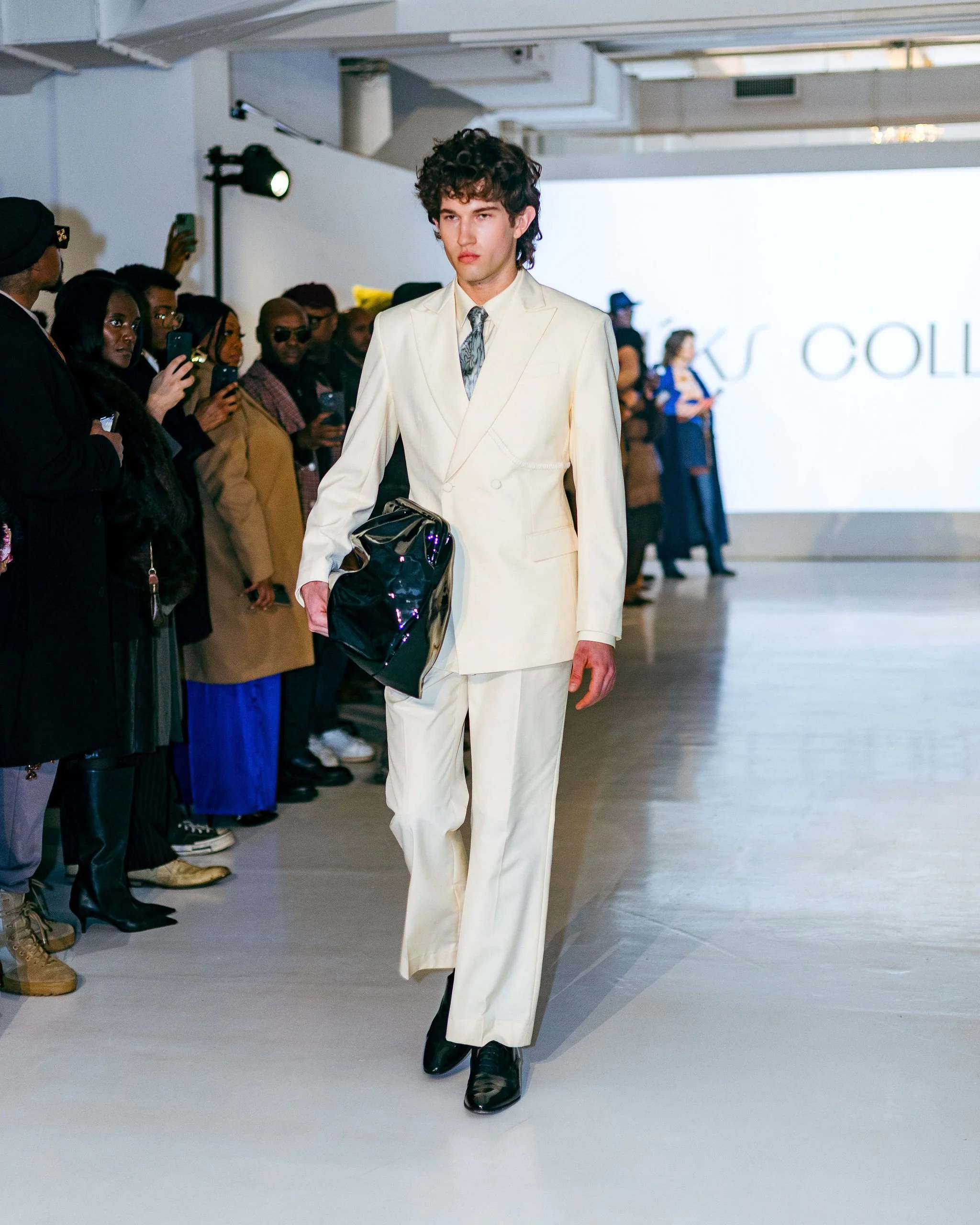
See more from runway and backstage:
HOW DO YOU FEEL ABOUT FASHION?
COMMENT OR TAKE OUR PAGE READER SURVEY
Featured




For decades, luxury in the automotive world was defined by materials, craftsmanship and engineering excellence.