
PRIVATE POLICY’s Fall/Winter 2026 Rewrites The Narrative Of Asian Labor At Webster Hall
PAGE
By PAGE Editor
At Webster Hall, beneath the vaulted ceilings of one of downtown Manhattan’s most storied venues, PRIVATE POLICY presented a Fall/Winter 2026 collection that reframed American fashion history through the lens of Asian labor—past, present, and still unfolding.
Released around Lunar New Year, a moment synonymous with renewal and generational continuity, the collection did more than mark a seasonal shift. It functioned as a meditation on lineage: on the bodies that built America’s infrastructure and the minds that now shape its institutions. In an industry increasingly fluent in the language of identity, PRIVATE POLICY offered something more rigorous—an examination of labor as both inheritance and evolution.
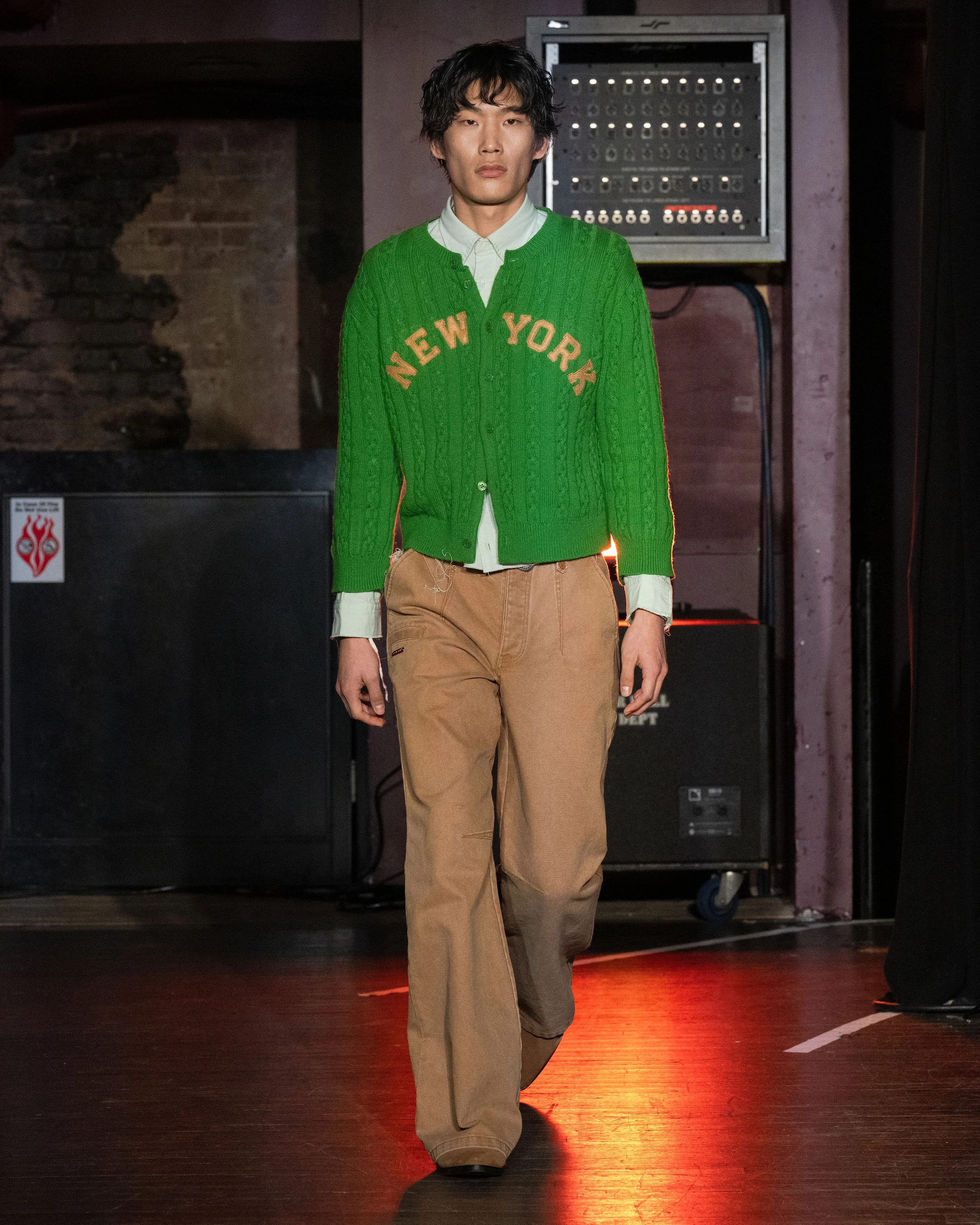
The conceptual starting point was the first generation of Chinese laborers who constructed the transcontinental railroads in the nineteenth century. Their physical endurance quite literally laid the tracks of the modern American West, yet their names remain largely absent from mainstream narratives. Rather than treating that erasure as a closed chapter, PRIVATE POLICY positioned it as an active through line—an unfinished sentence connecting early immigrant labor to contemporary Asian American experience.
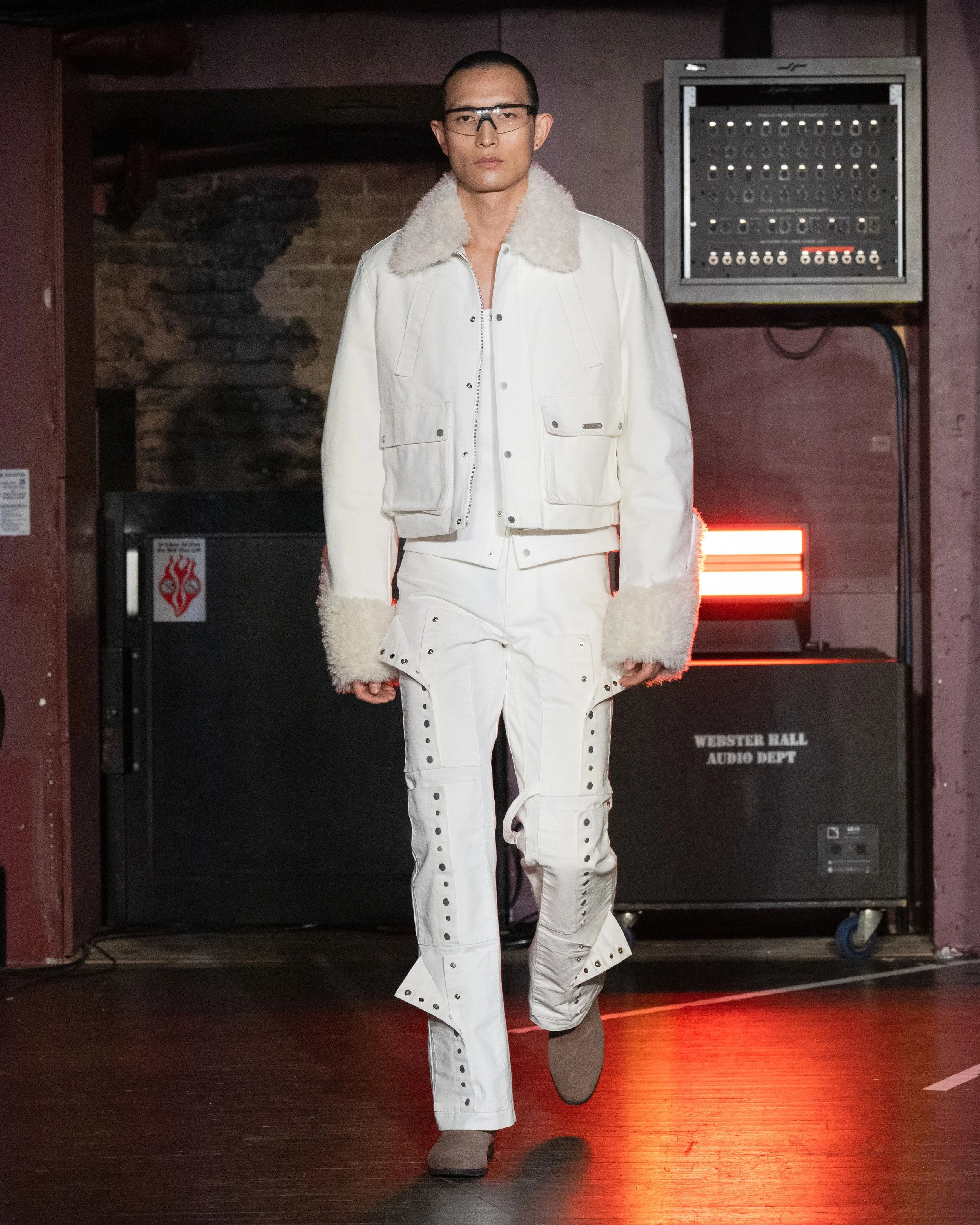
Workwear anchored the collection. Reinforced seams, structured shoulders, multi-pocket constructions, and utilitarian cuts referenced garments engineered for survival. But the designers resisted nostalgia. These silhouettes were not replicas; they were reframings. Functional tailoring became a vocabulary for multiple forms of labor—physical, emotional, psychological, institutional. The message was clear: while the site of work may have shifted from railroad tracks to boardrooms, laboratories, and creative studios, the labor itself persists.
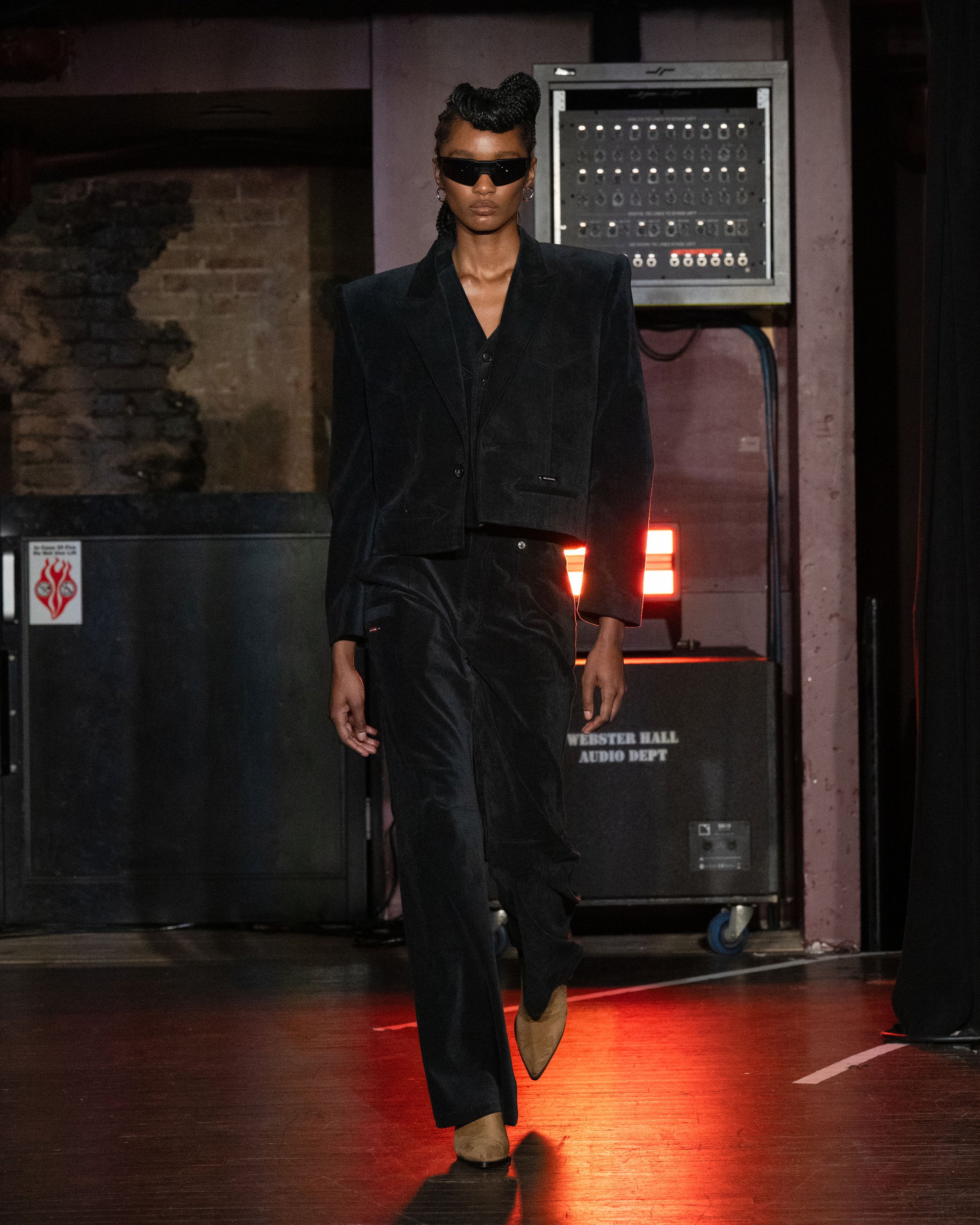
A second historical layer drew from the 1980s, when Asian Americans entered the mainstream workforce in greater numbers and Asian designers began to gain traction within Western fashion systems. Power shoulders, razor-sharp tailoring, and pencil skirts evoked an era defined by discipline and corporate assimilation. These were garments of ambition, but also of negotiation—uniforms for navigating offices, hospitals, and institutional spaces not originally designed with Asian bodies or identities in mind.
Materiality carried the emotional weight of the show. Traditional workwear structures were rendered in silk-finished fabrics and high-sheen surfaces, transforming garments associated with dust and physical strain into pieces that captured and reflected light. The gesture felt intentional: visibility where there was once invisibility. What had been absorbed by sweat and silence now shimmered under runway lights.
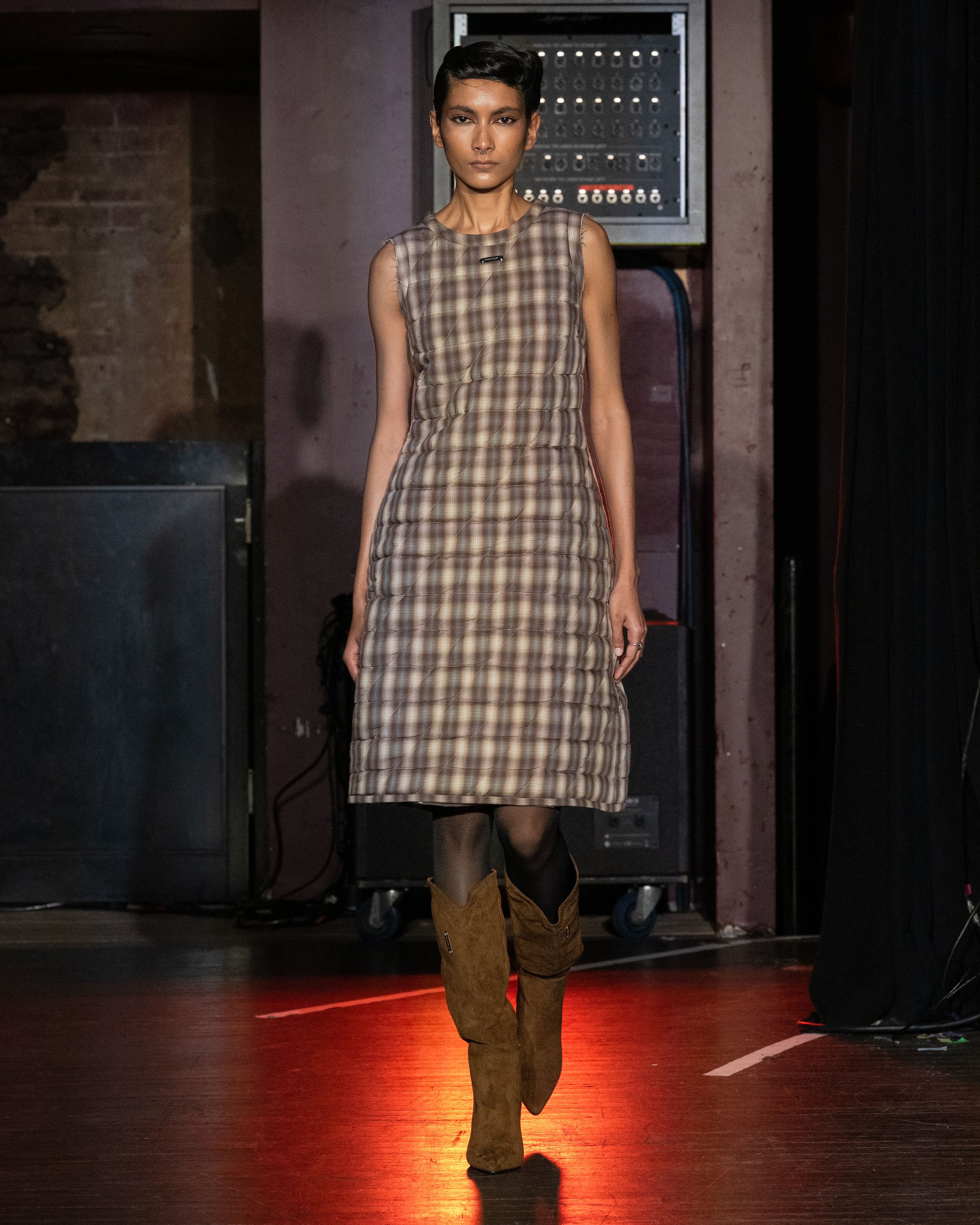
Color played its own narrative role. Earth tones and rusted reds nodded to the American West; office blues and charcoal grays referenced the bureaucratic interiors of late twentieth-century professional life. Distressed textures and worn finishes operated as visible records of time—clothing as archive. Rather than polishing away evidence of endurance, PRIVATE POLICY allowed it to remain inscribed on the body.
What made the collection resonate was its refusal to romanticize hardship. Instead, it traced transformation. By placing nineteenth-century railroad workwear in conversation with 1980s corporate dress codes, the designers mapped a broader arc of Asian labor—from infrastructure to intellect, from manual survival to cultural authorship. The through line was not disappearance but evolution.
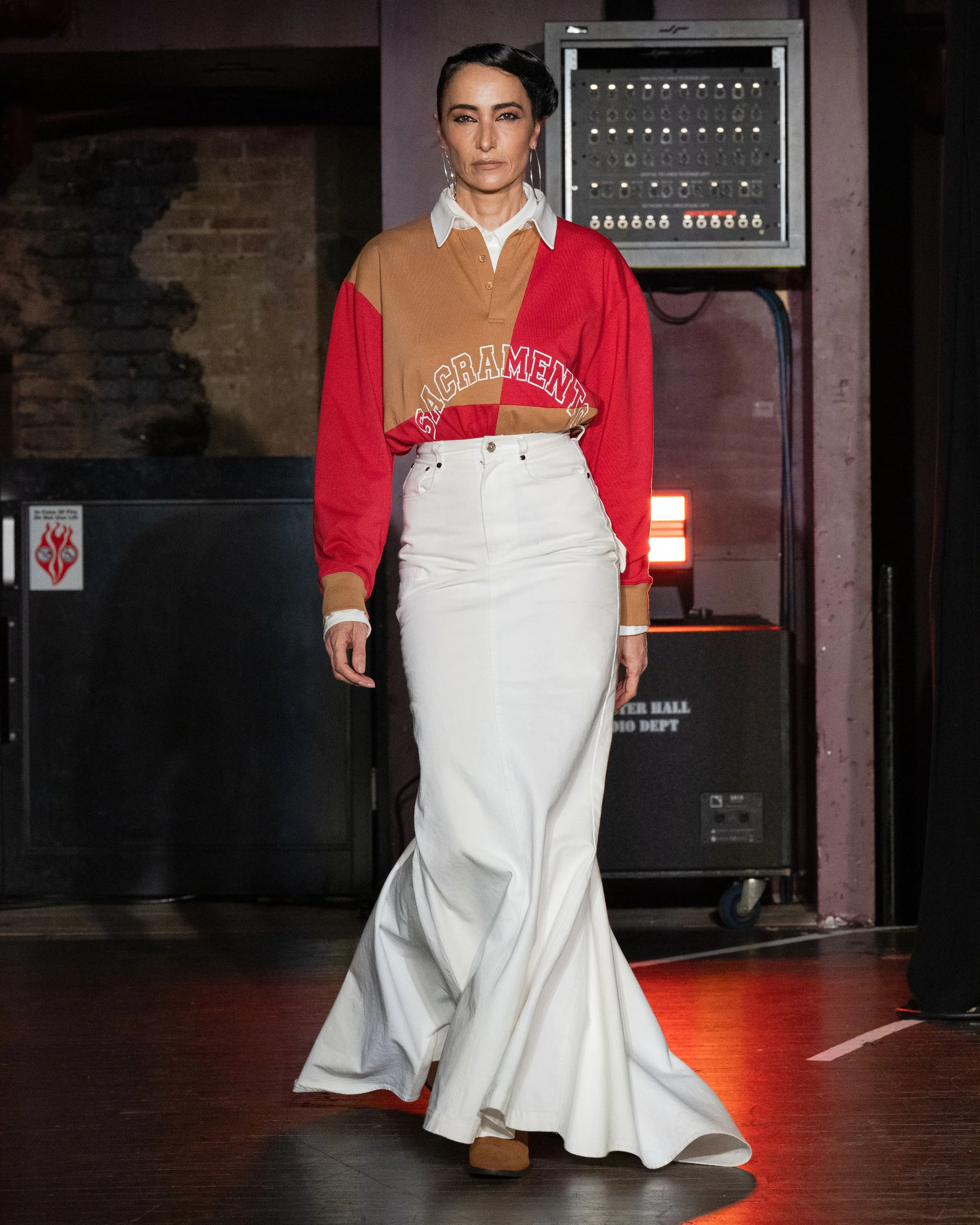
The runway itself underscored this narrative of collective effort. Production by 3V Creative Productions sharpened the staging; stylist Xander Ang emphasized structural clarity; Eli Romanova’s casting highlighted generational range. Hair by Narad Kutowaroo using UNITE Haircare and makeup by Marieke Thibaut for MAC Cosmetics balanced polish with restraint, while Maison Labtonic’s soundtrack underscored the show’s forward momentum. Visual documentation by Kohl Murdock at Moment Dept. ensured that the conversation extended beyond the room.
In a moment when fashion houses often mine history for aesthetic surface, PRIVATE POLICY approached it as structural inquiry. Fall/Winter 2026 reads as both letter and ledger: an acknowledgment of those who built without recognition and a declaration from the generations reshaping spaces that once excluded them.
See full runway:
HOW DO YOU FEEL ABOUT FASHION?
COMMENT OR TAKE OUR PAGE READER SURVEY
Featured
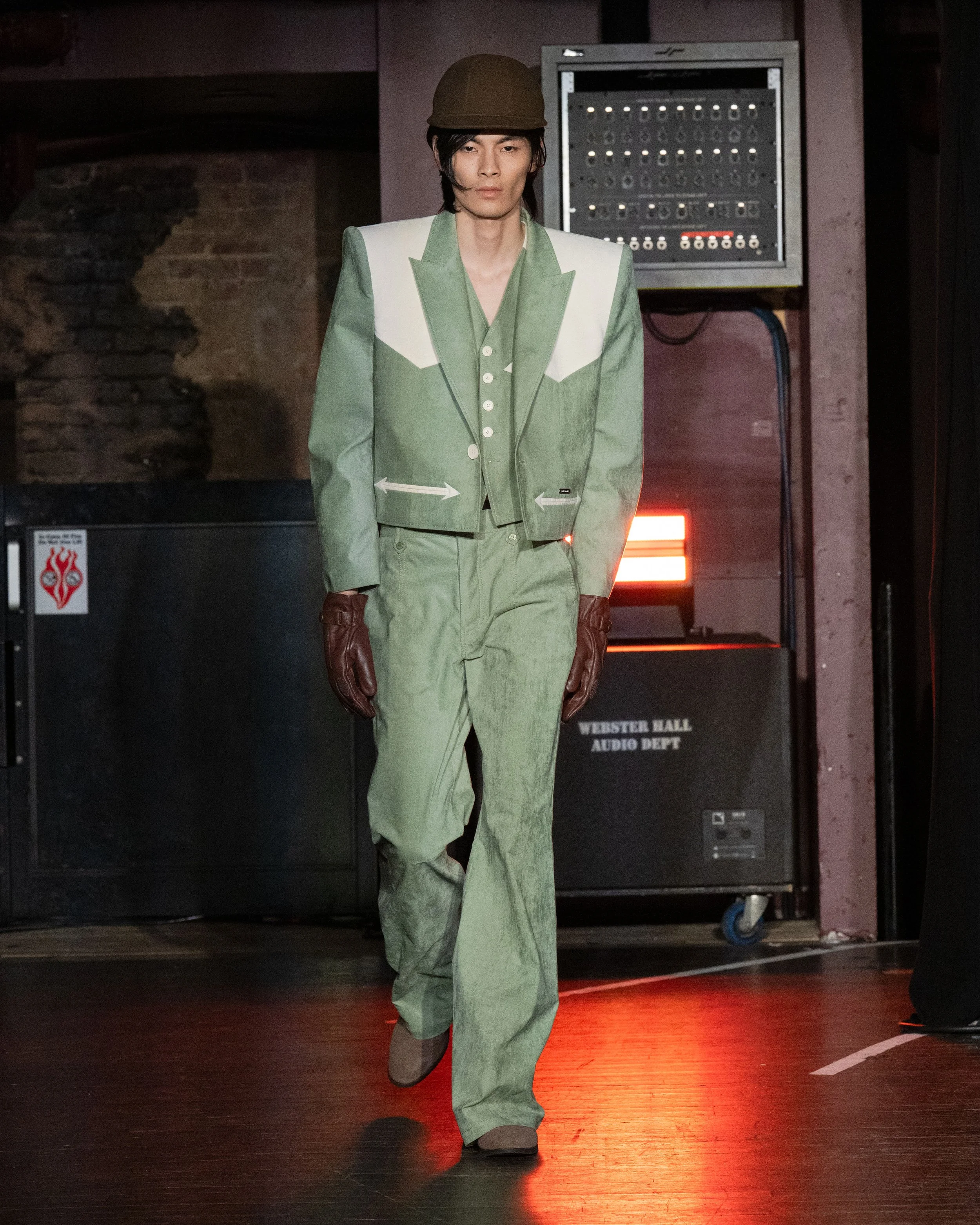




At Copenhagen Fashion Week, Paolina Russo’s Autumn/Winter 2026 collection “Wayfound” transformed the historic Thott Palace into an intimate meditation on girlhood, discovery, and belonging—blending craft, technology, and sport into a uniform for life’s defining firsts.