
RIO’s “A Poem & A Protest II” Turns the Runway Into a Rallying Cry at Jean’s
PAGE
By PAGE Editor
At Jean’s on the Lower East Side, Rio Uribe did not stage a runway show so much as he staged a reckoning.
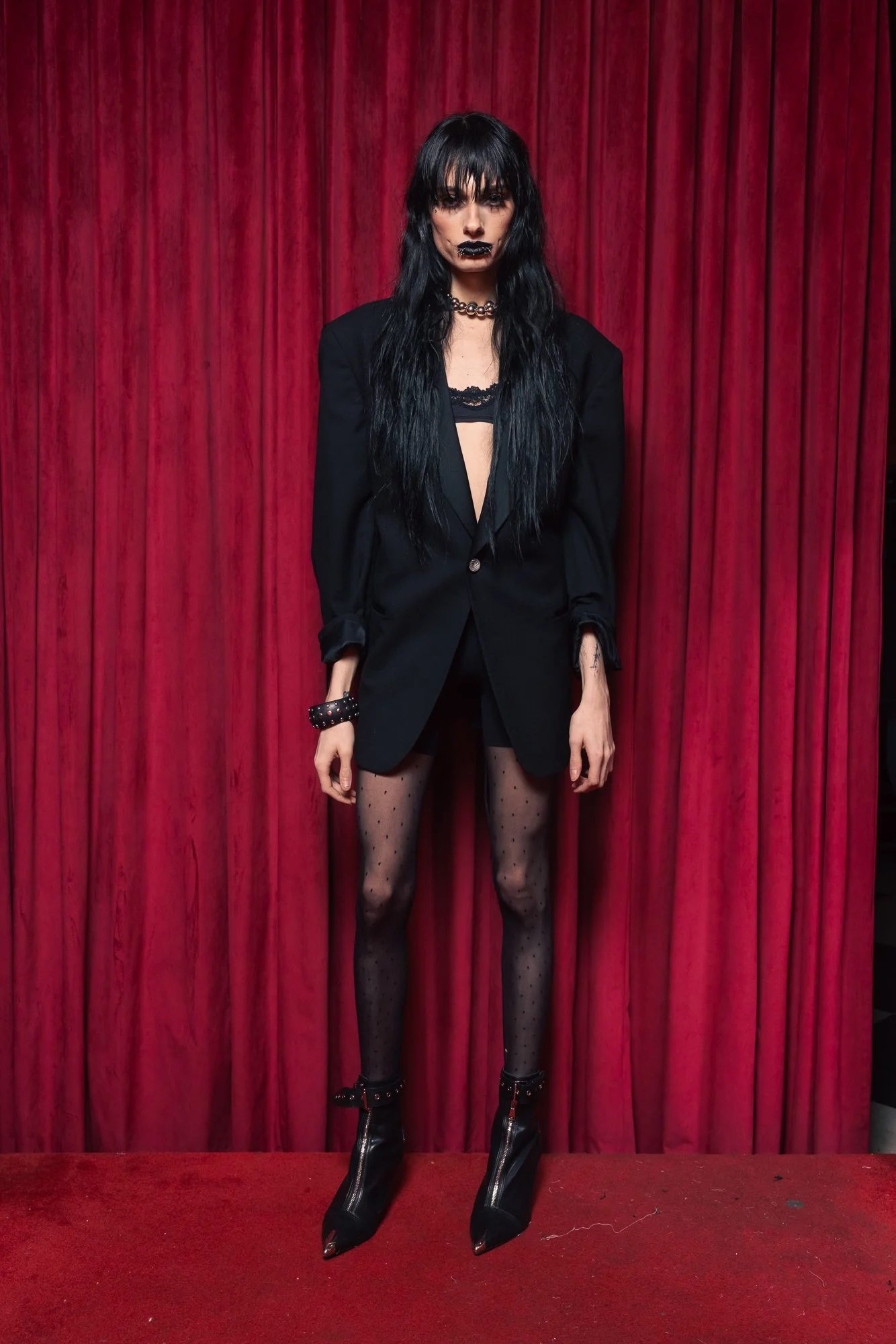
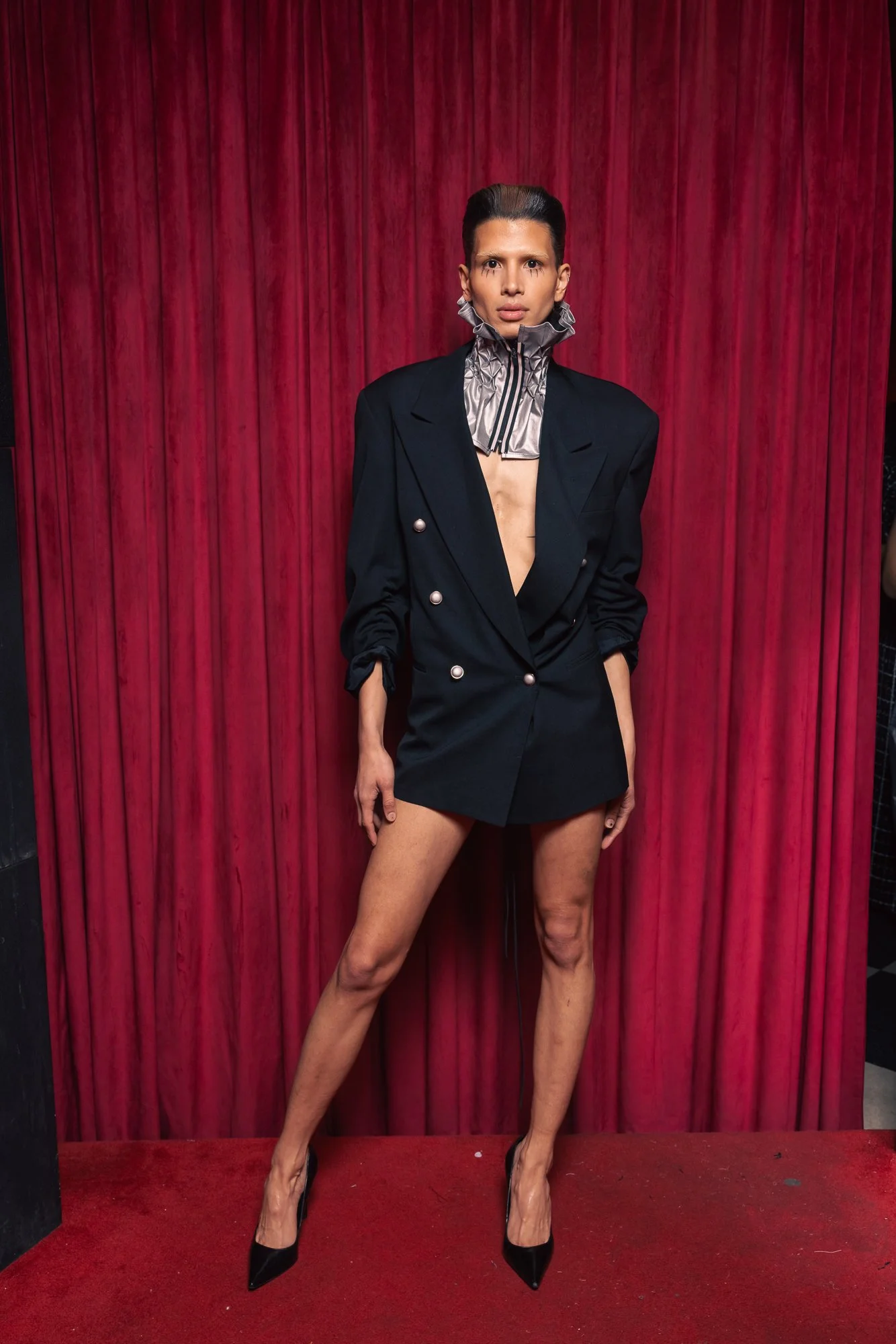
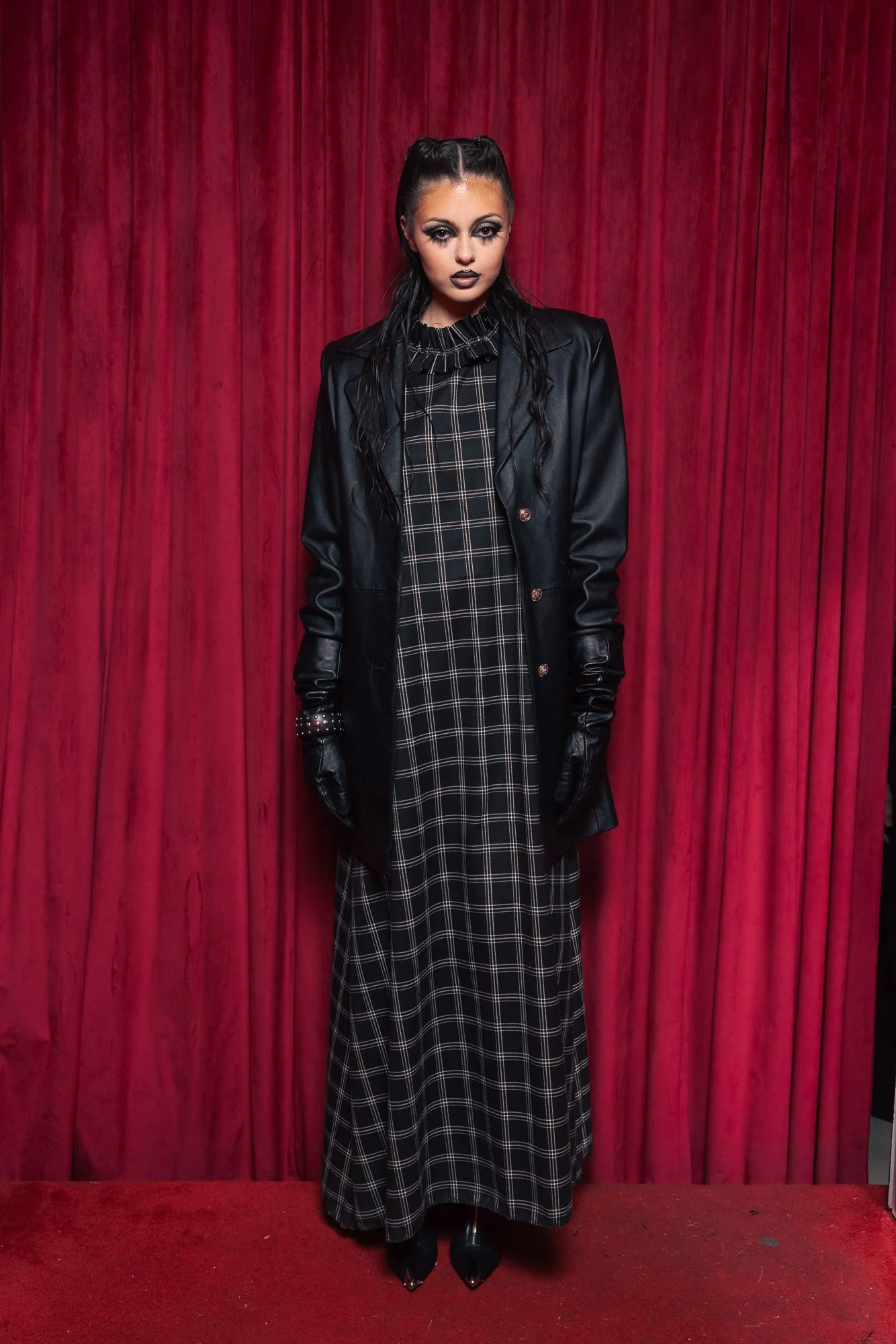
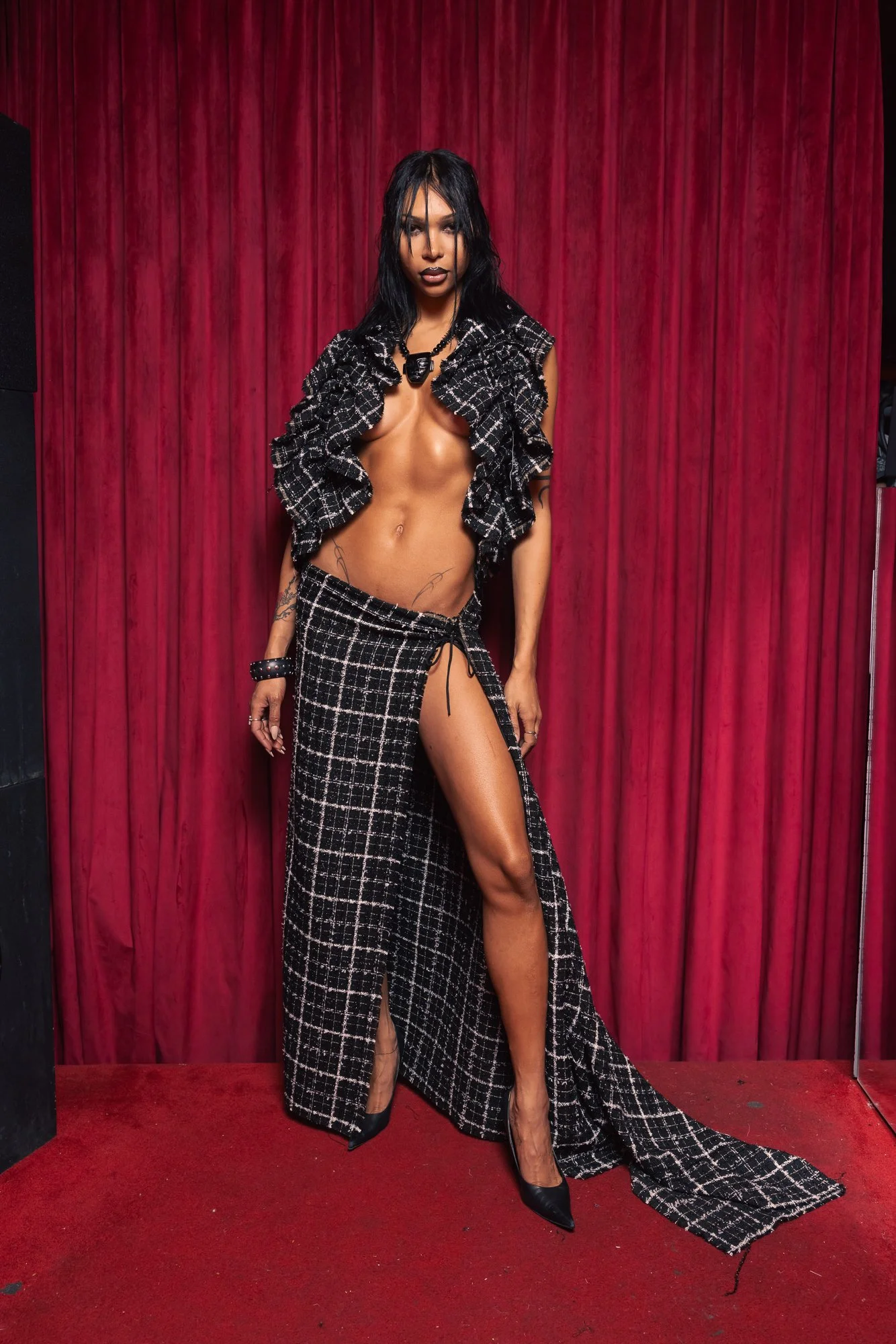
For Fall/Winter 2026, RIO unveiled A Poem & A Protest II, the second chapter of a narrative introduced just one season ago—yet the evolution feels less like a continuation and more like a sharpening. Where Spring/Summer offered meditation, Fall/Winter delivers momentum. The collection intensifies Uribe’s study of duality: softness and resistance, glamour and grit, vulnerability and armor.
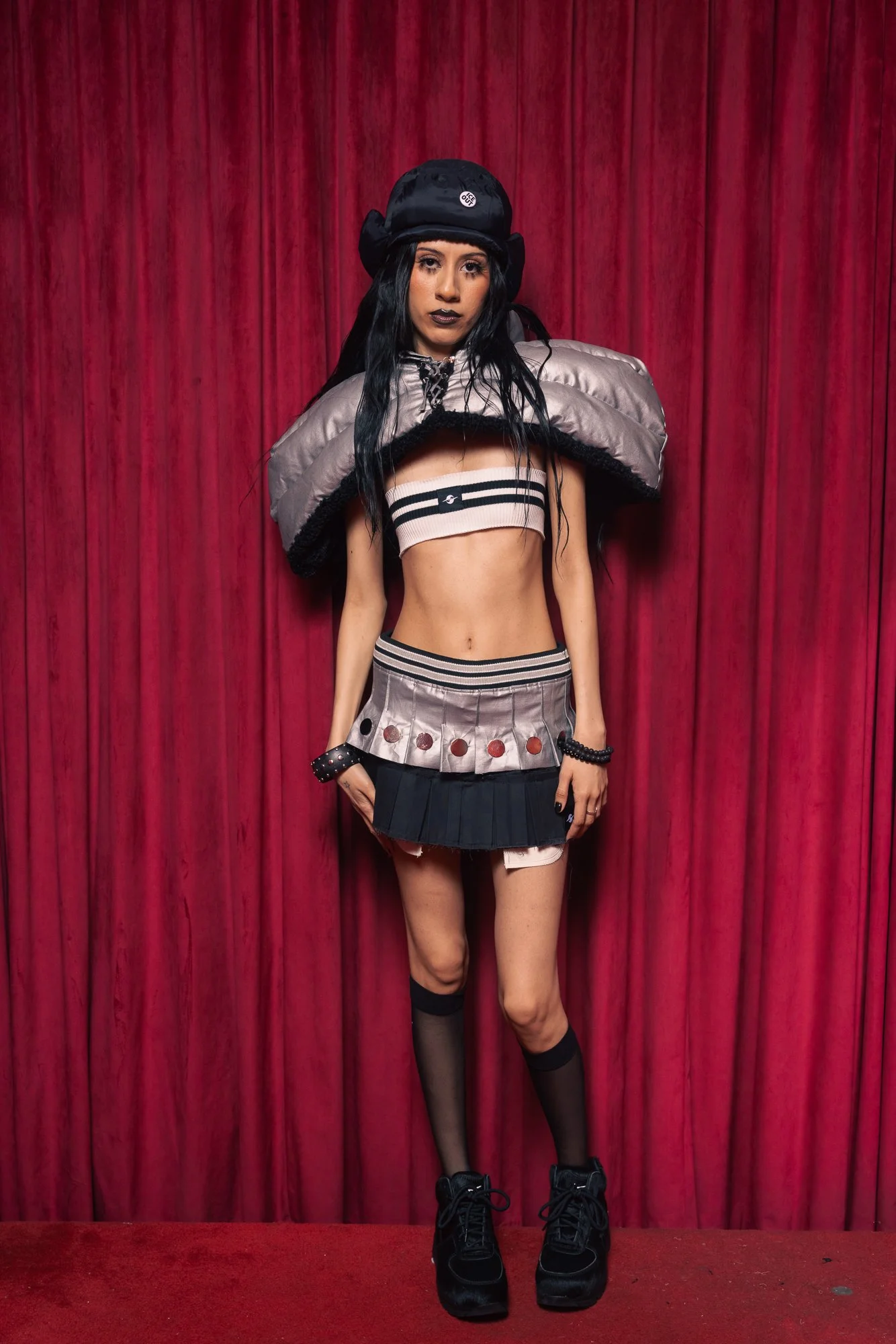
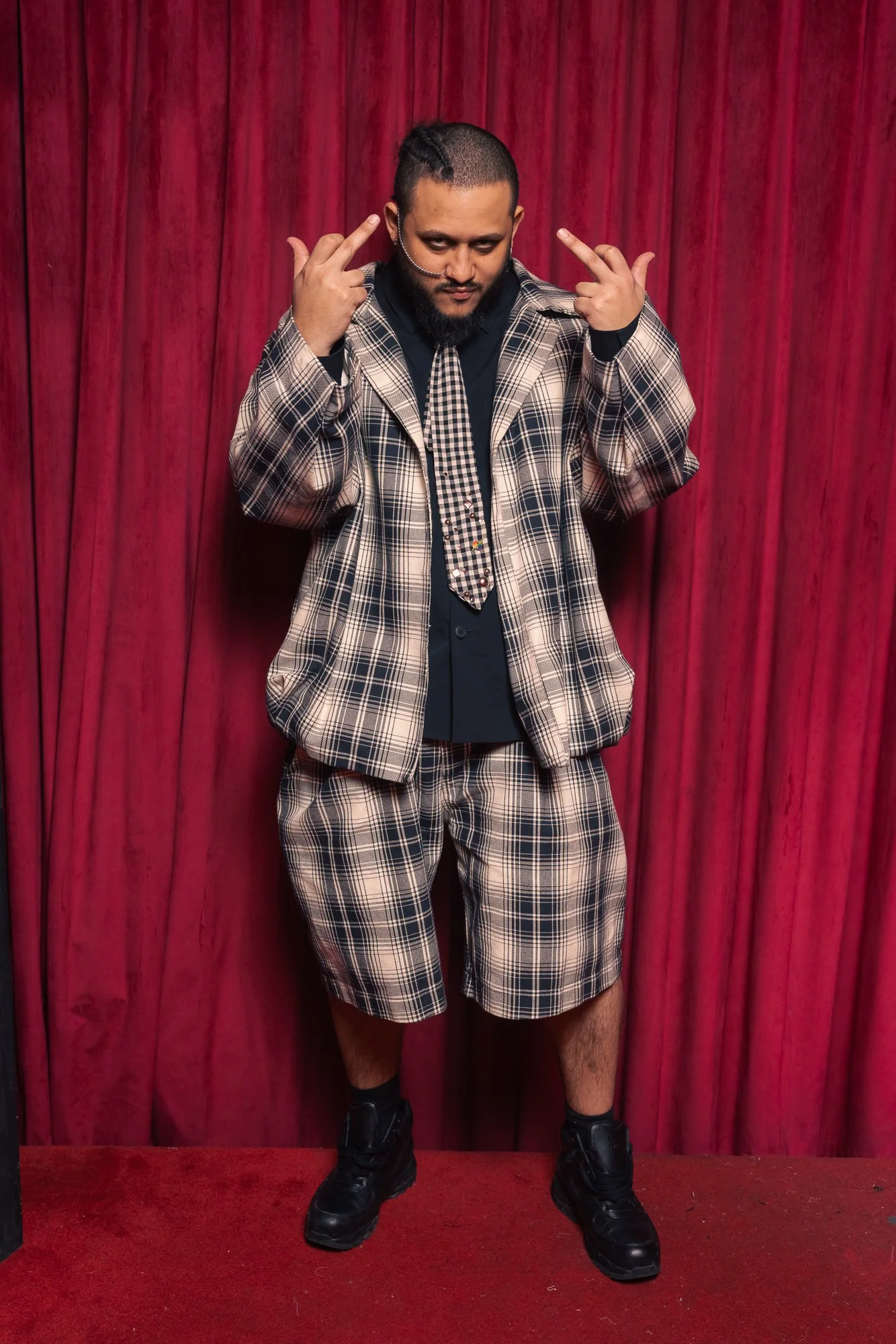
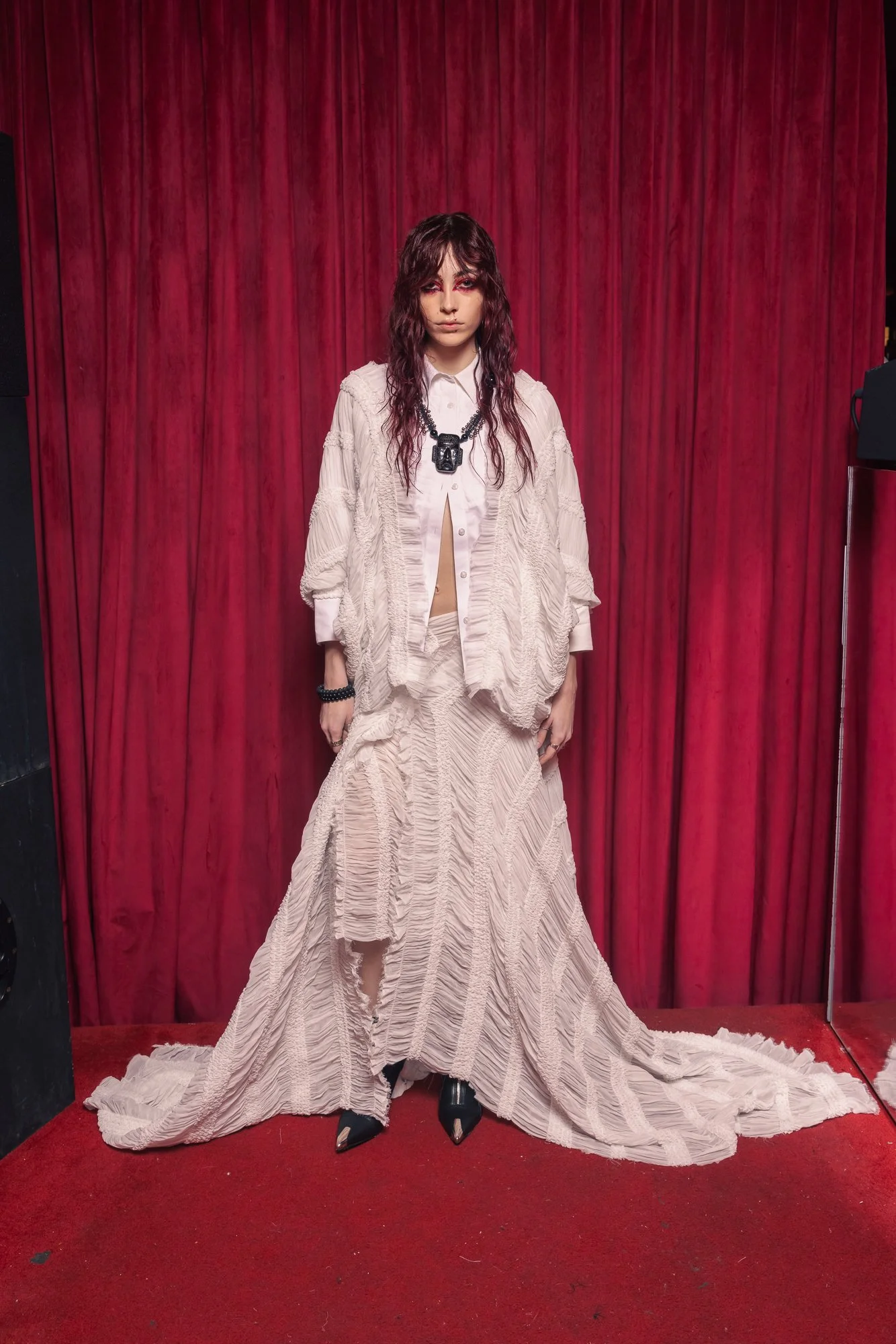
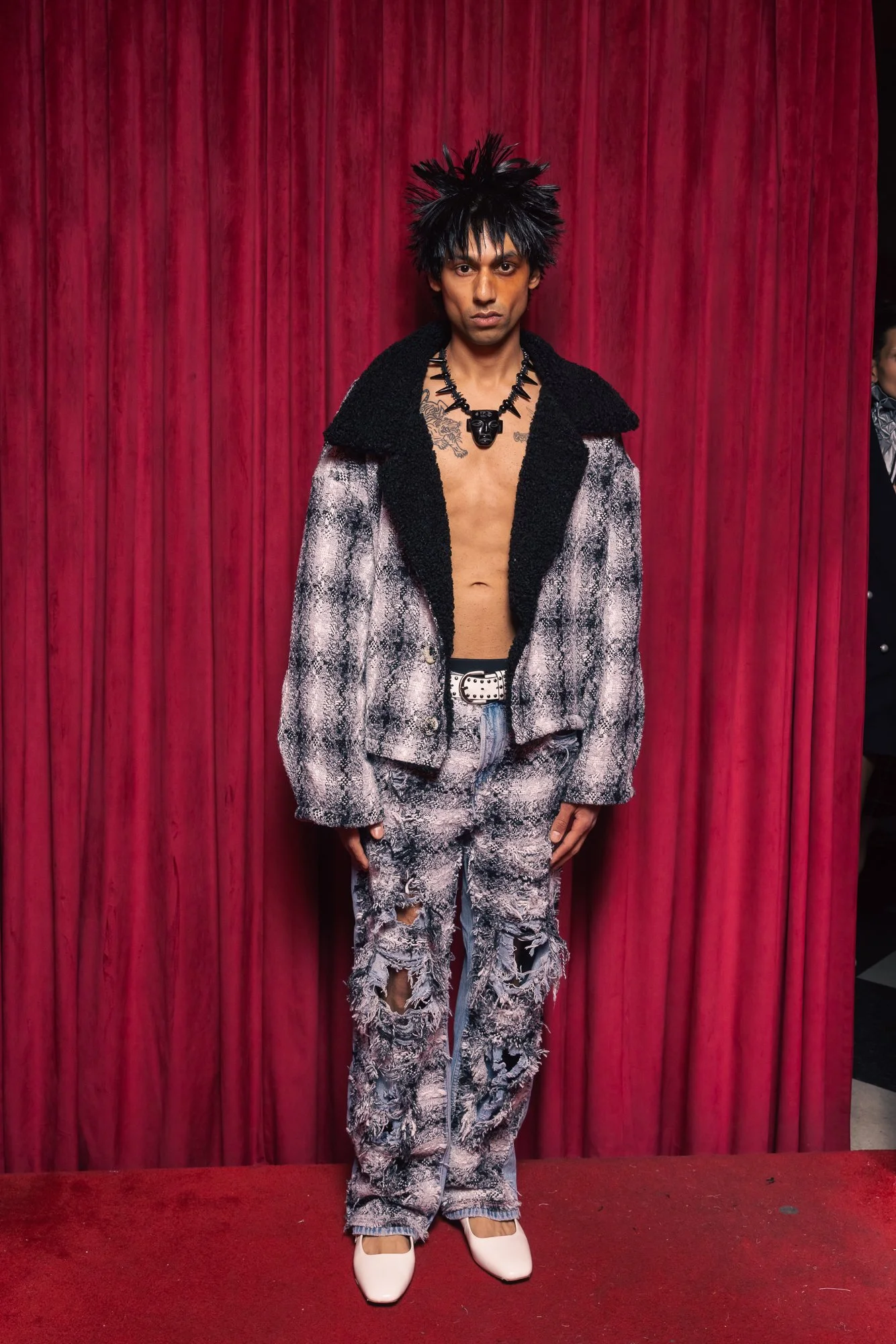
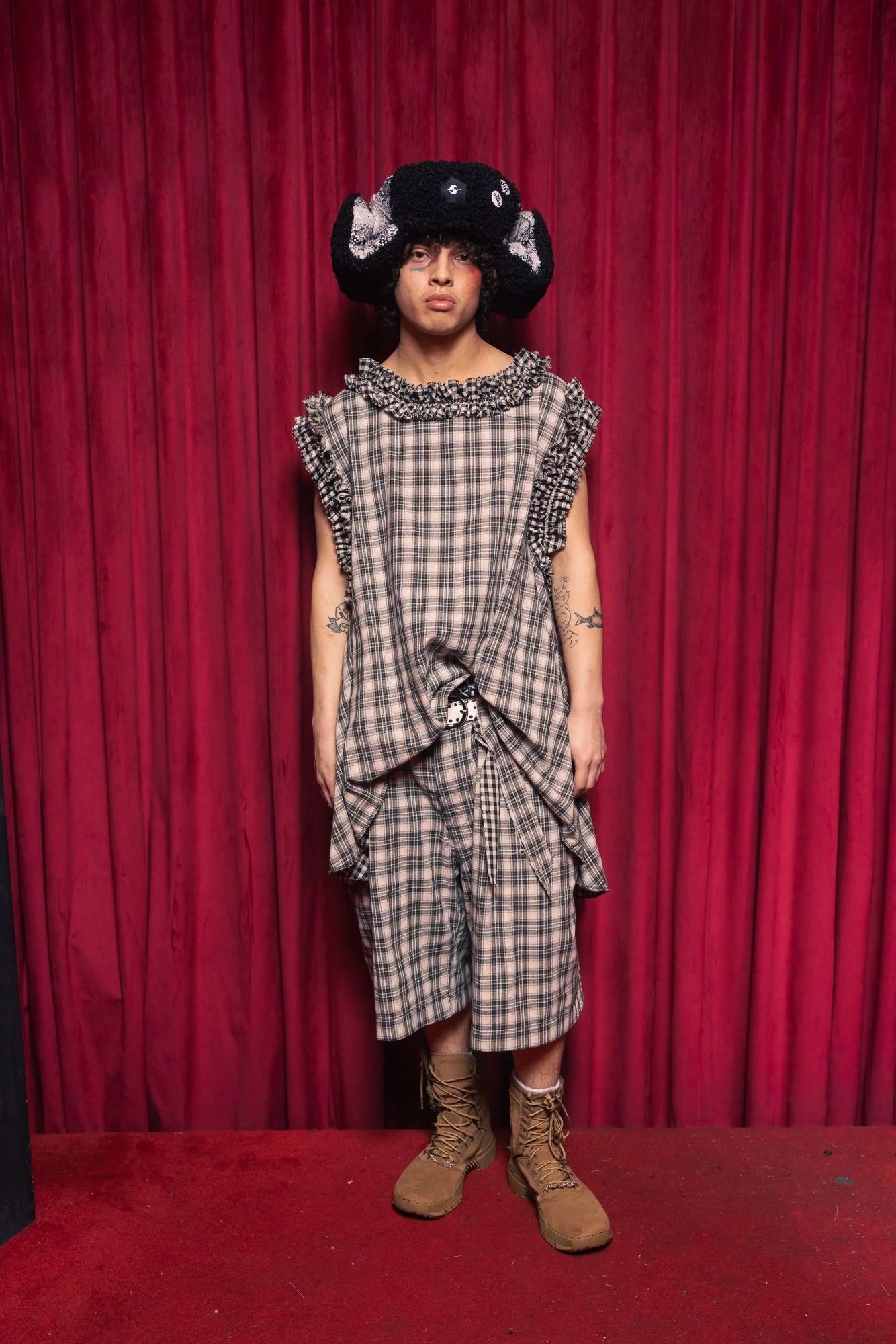
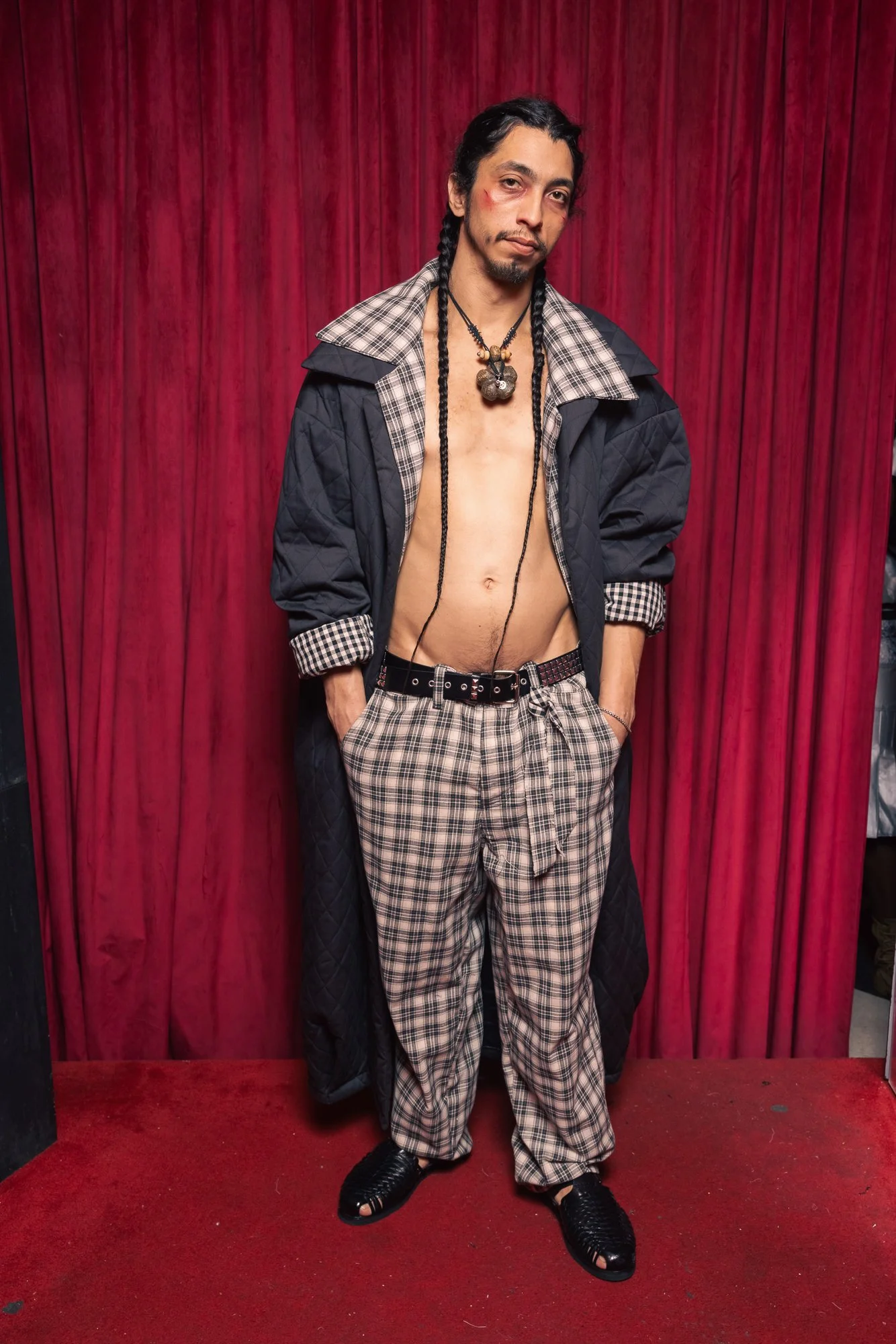
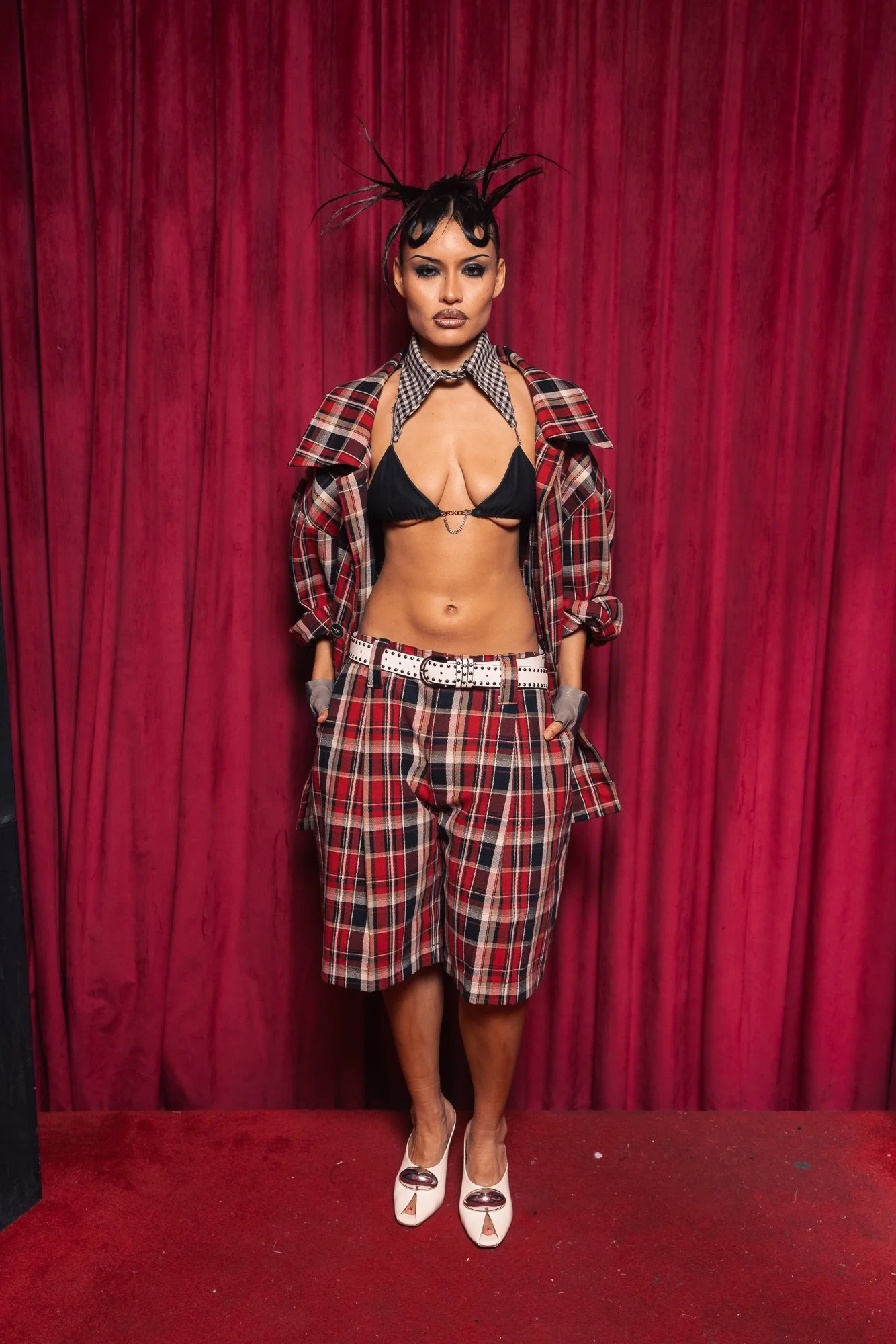
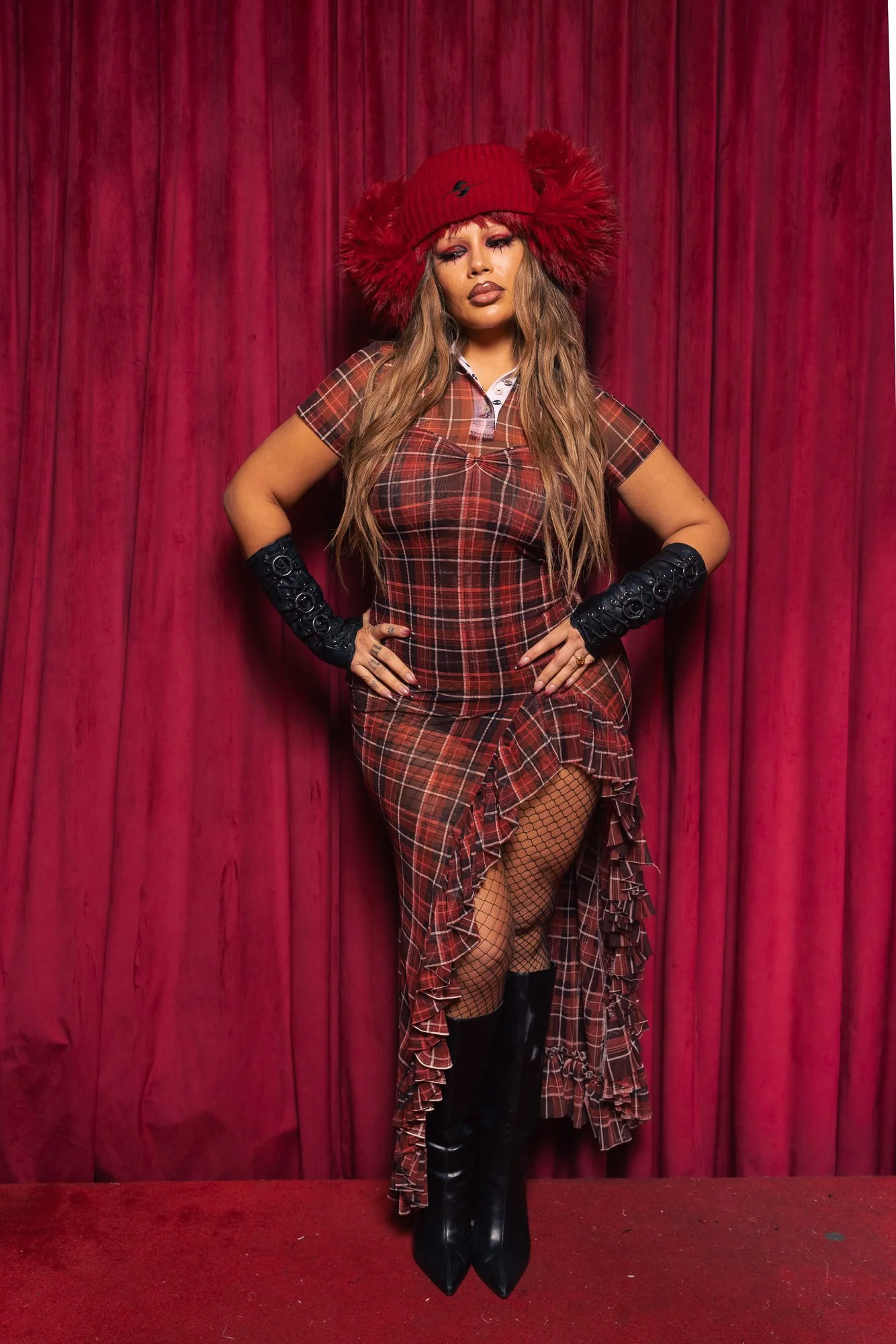
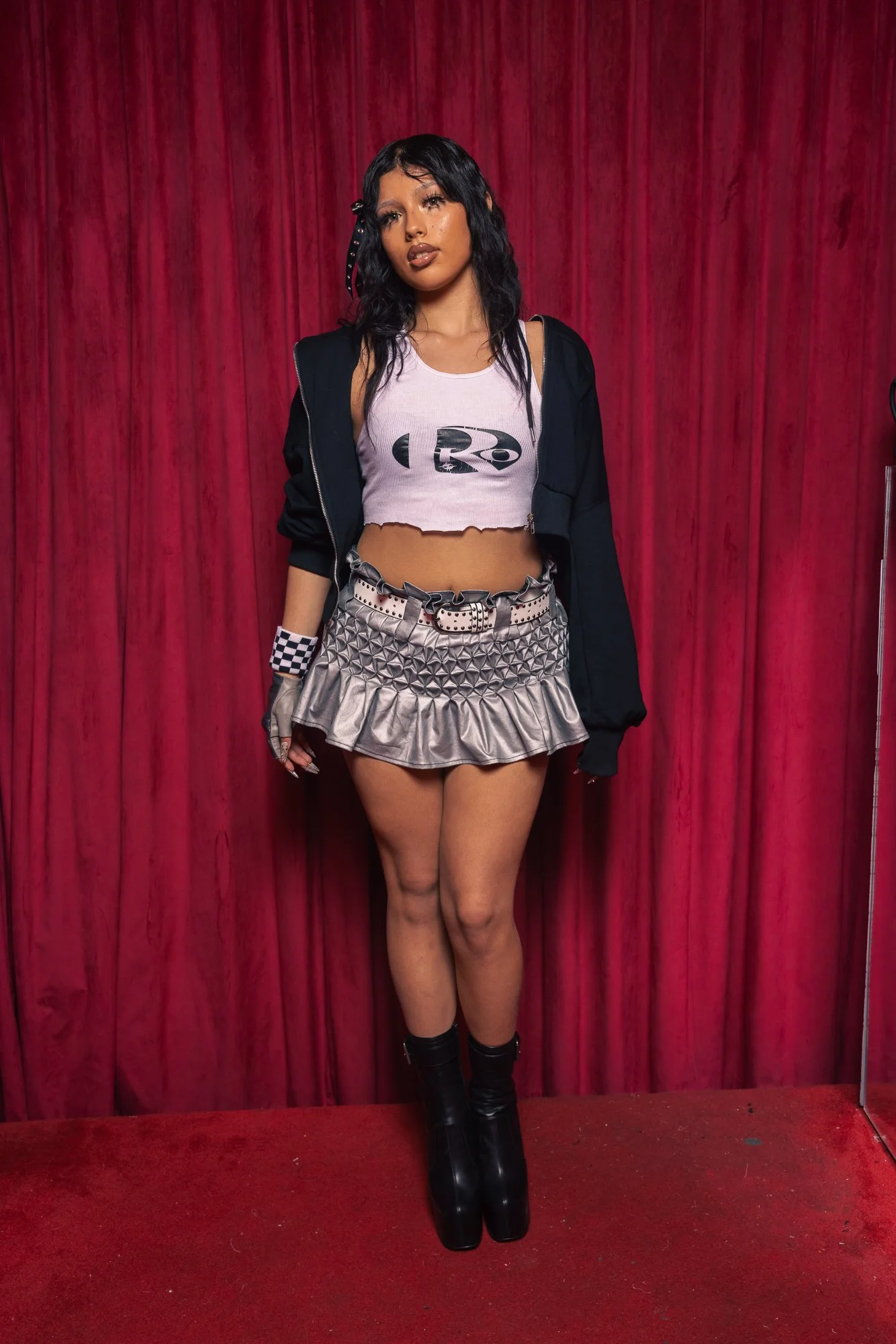
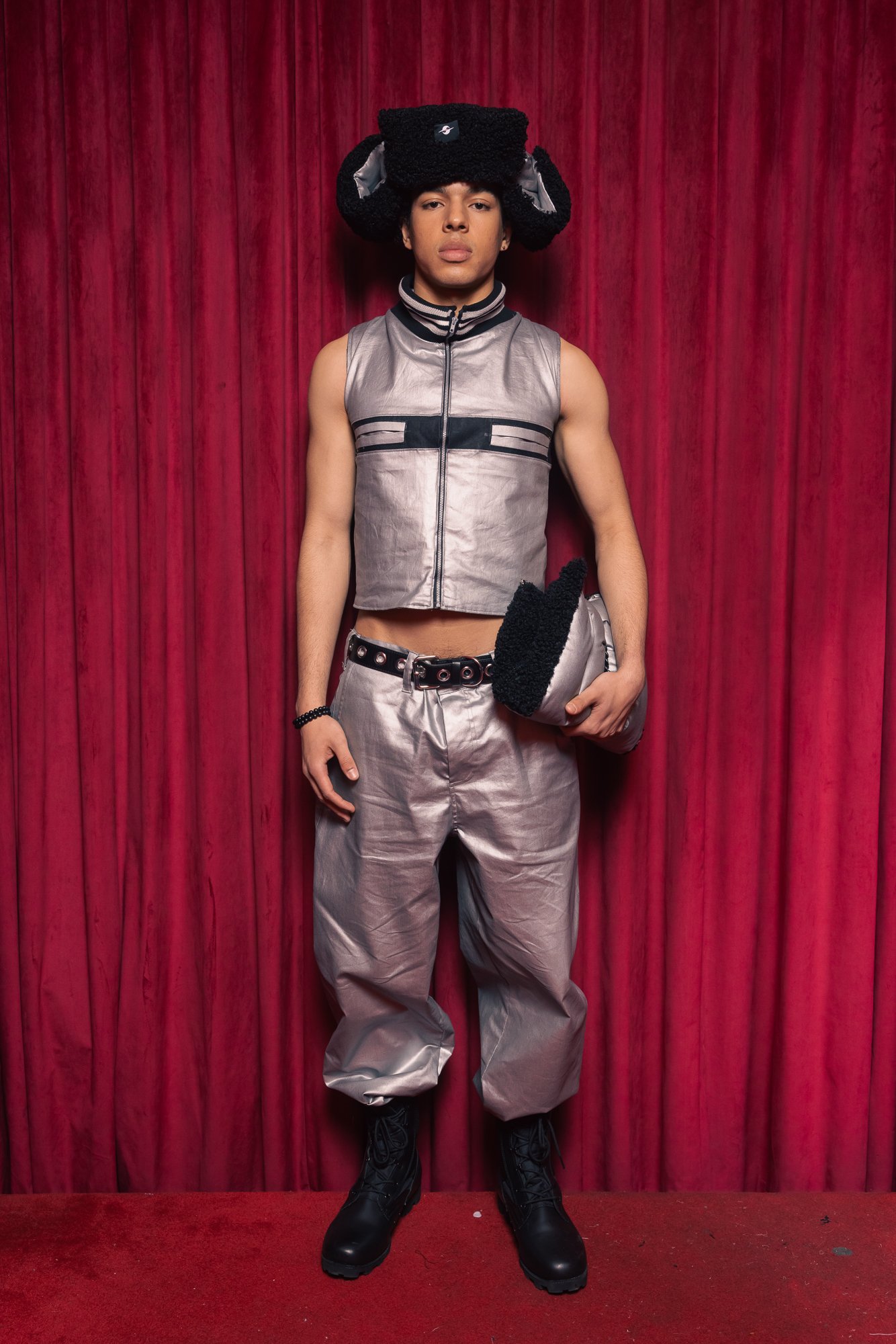
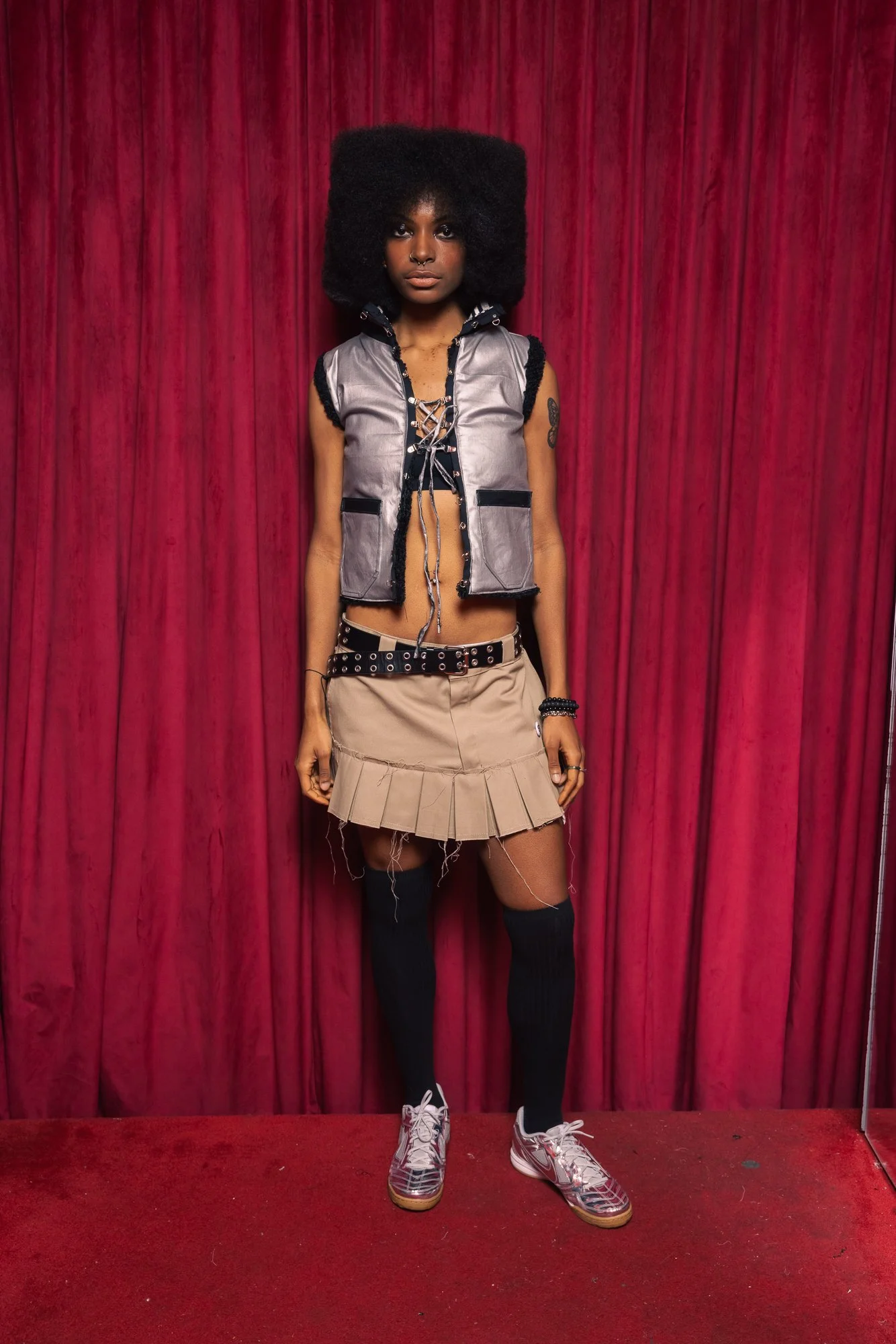
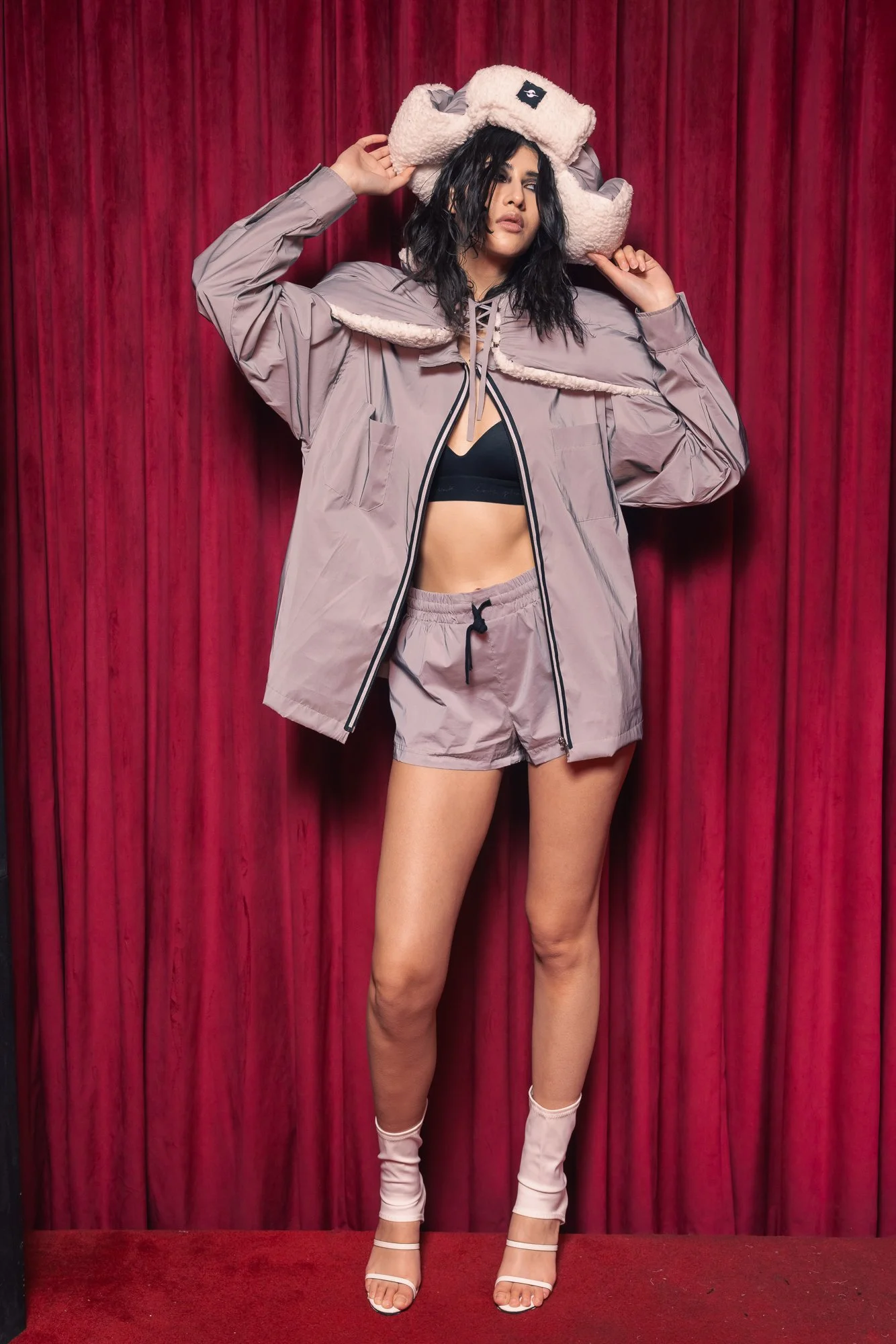
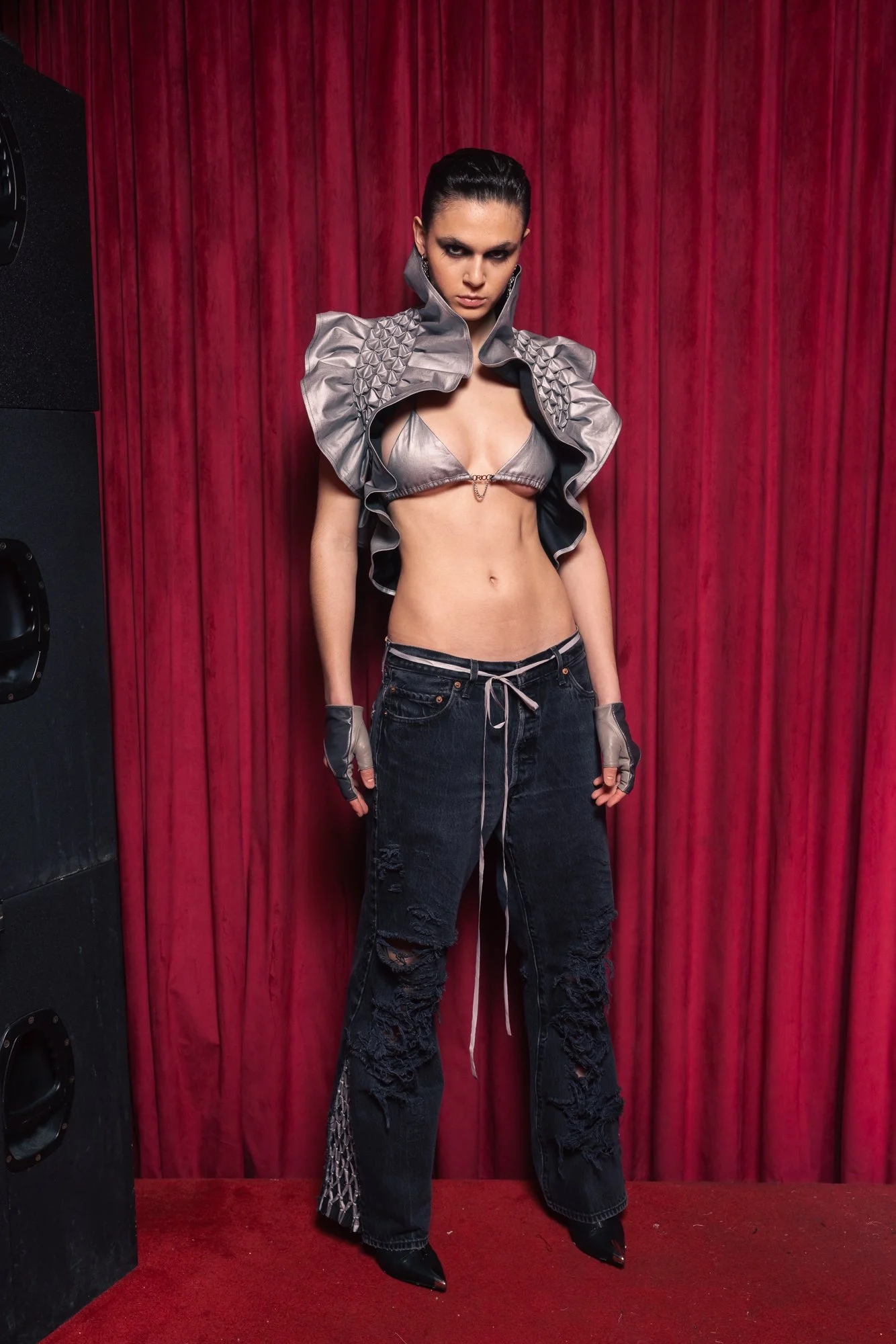
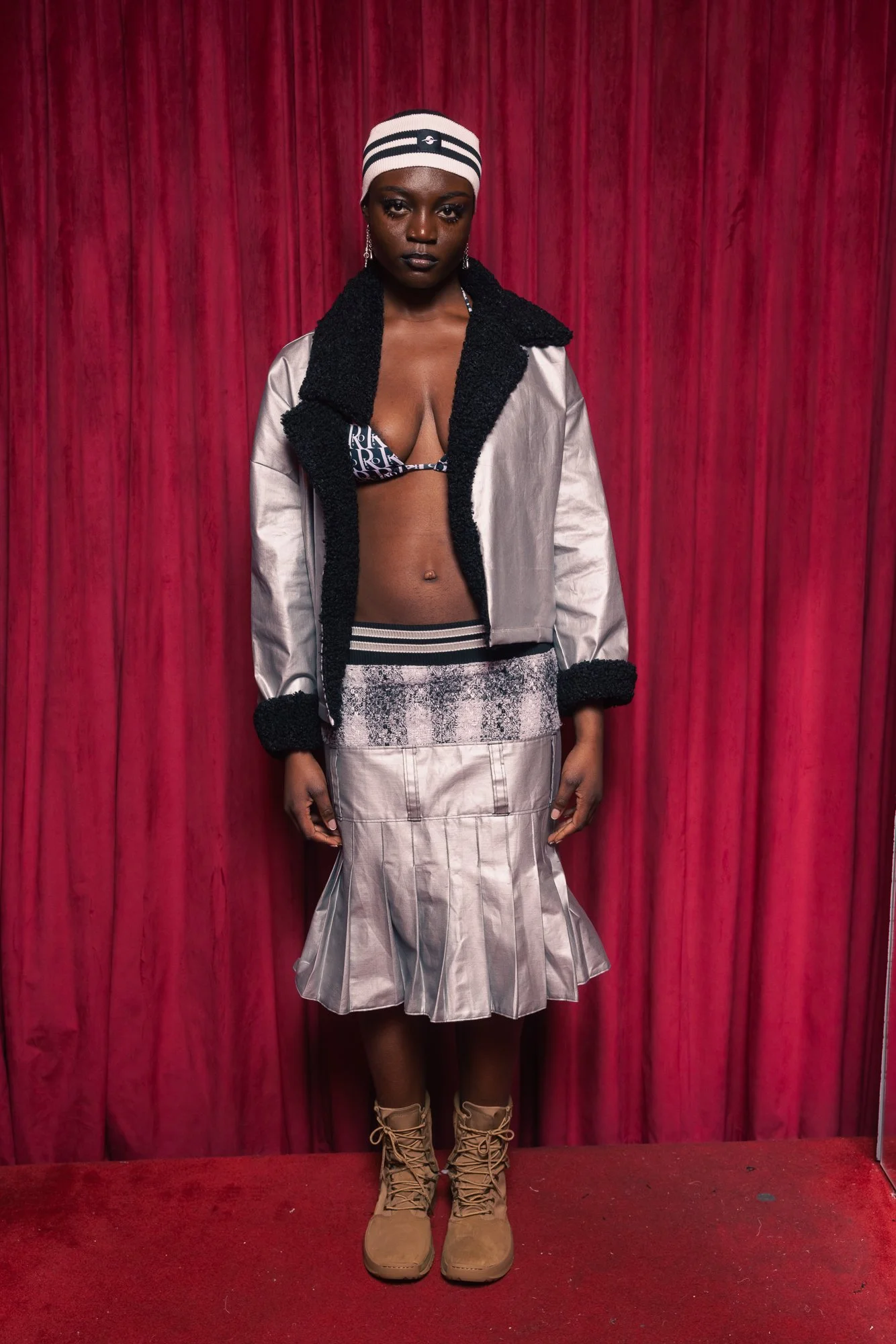
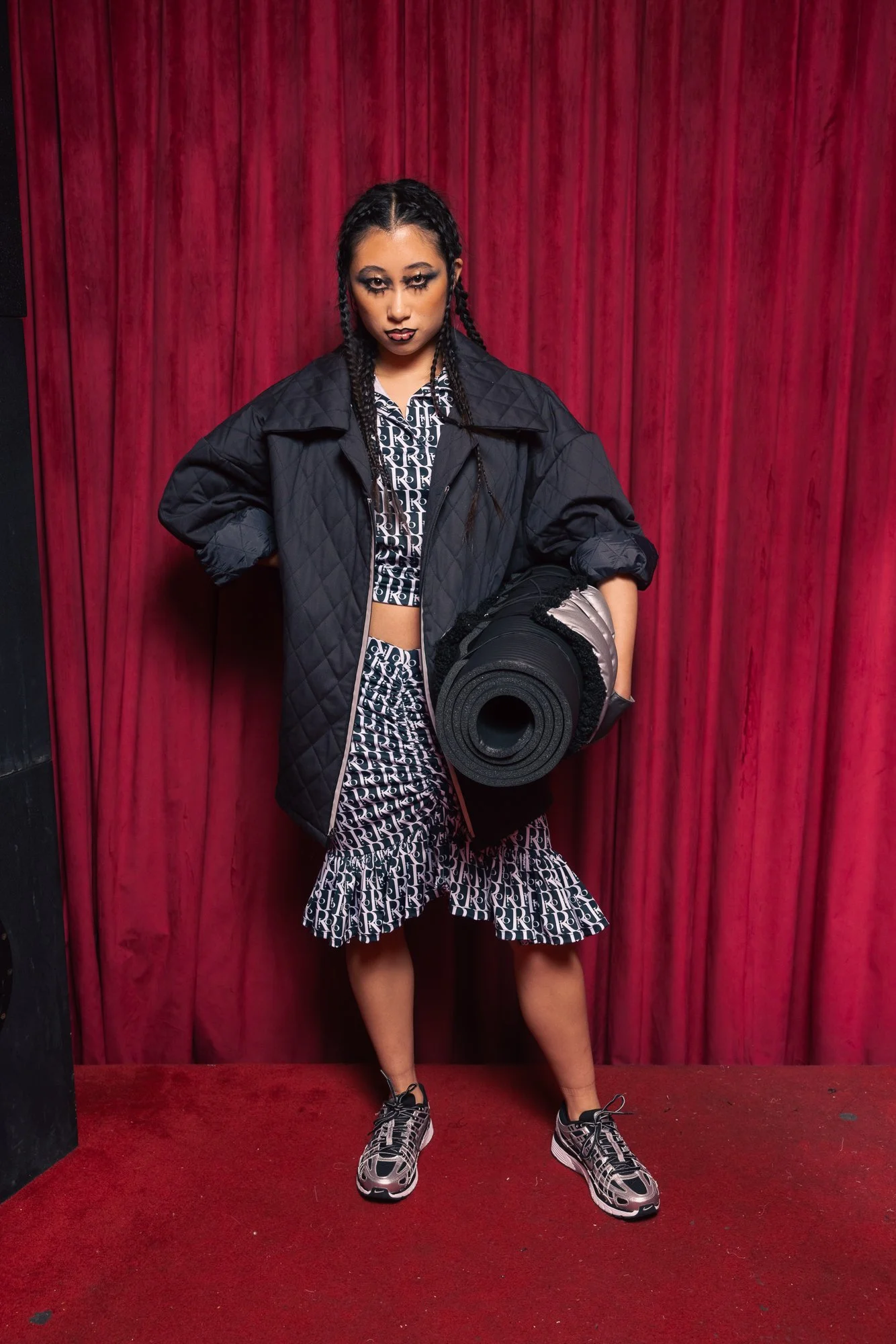
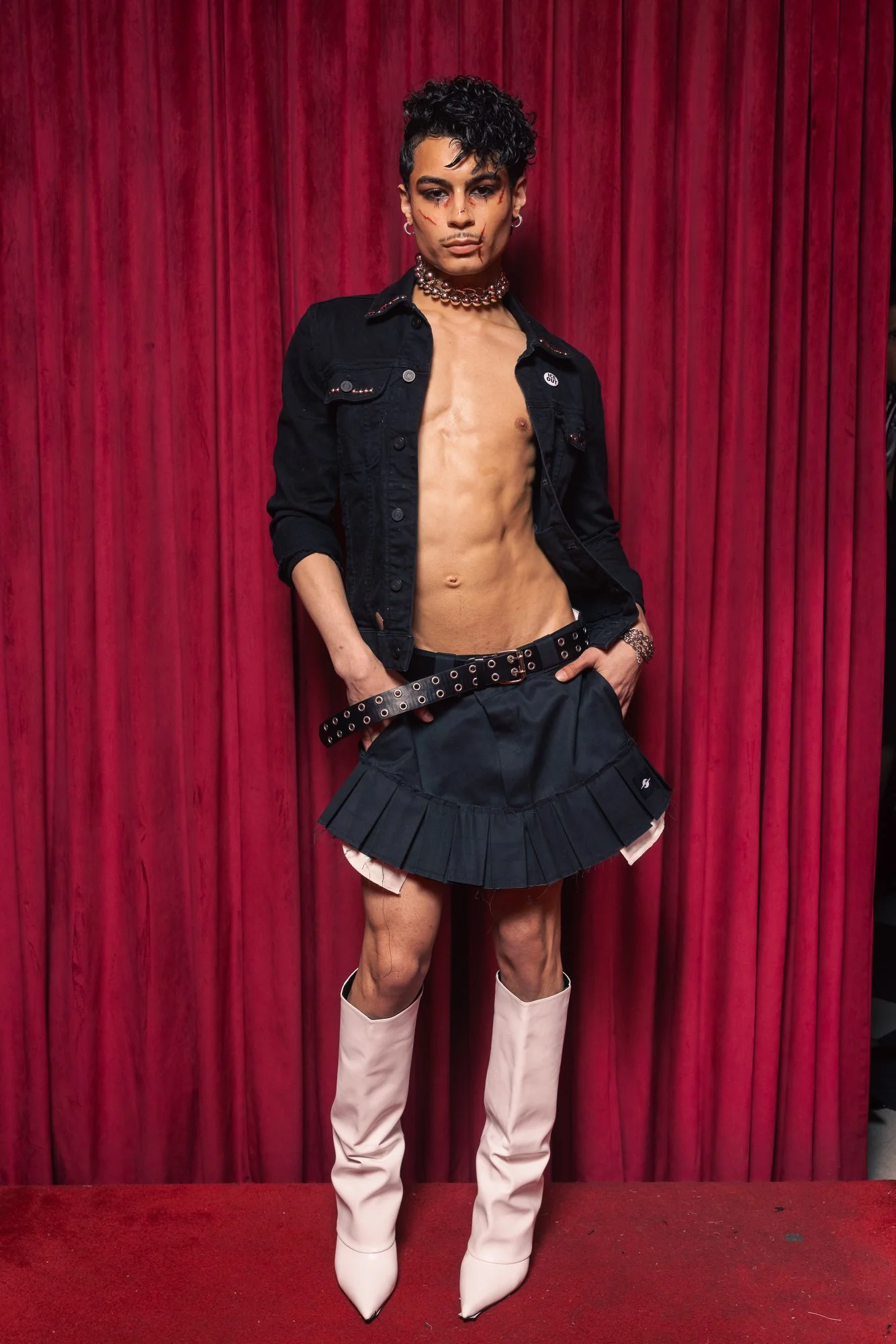
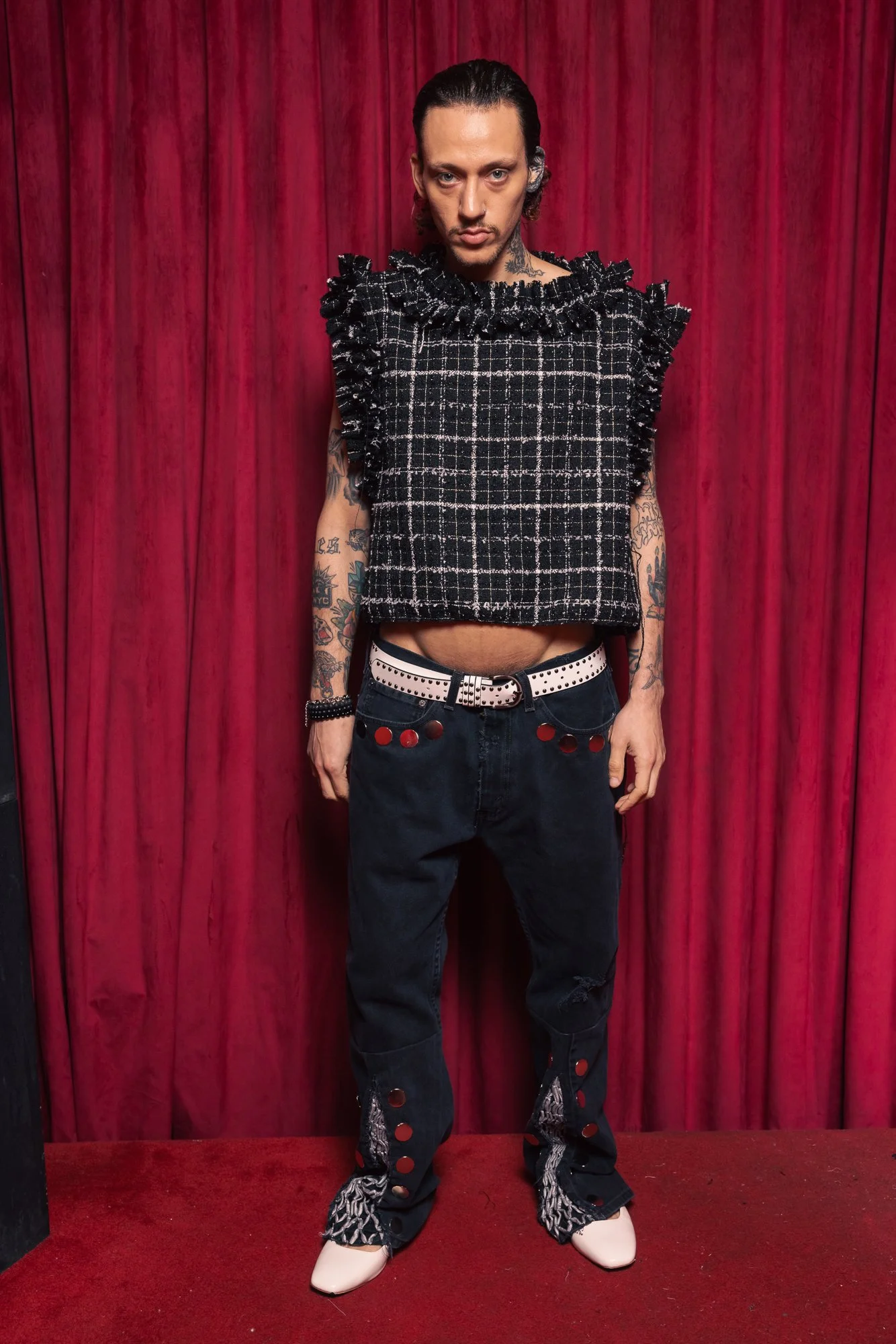
Signature plaids return, but blown out in proportion and recalibrated for winter’s severity. Pleated minis clash deliberately with metallic bikini tops, draped separates anchor the body in motion, and reflective textiles are engineered to capture flash photography like a flare in the night. The garments don’t just shimmer—they signal. In a city that runs on visibility, RIO understands that shine can be both adornment and alarm.
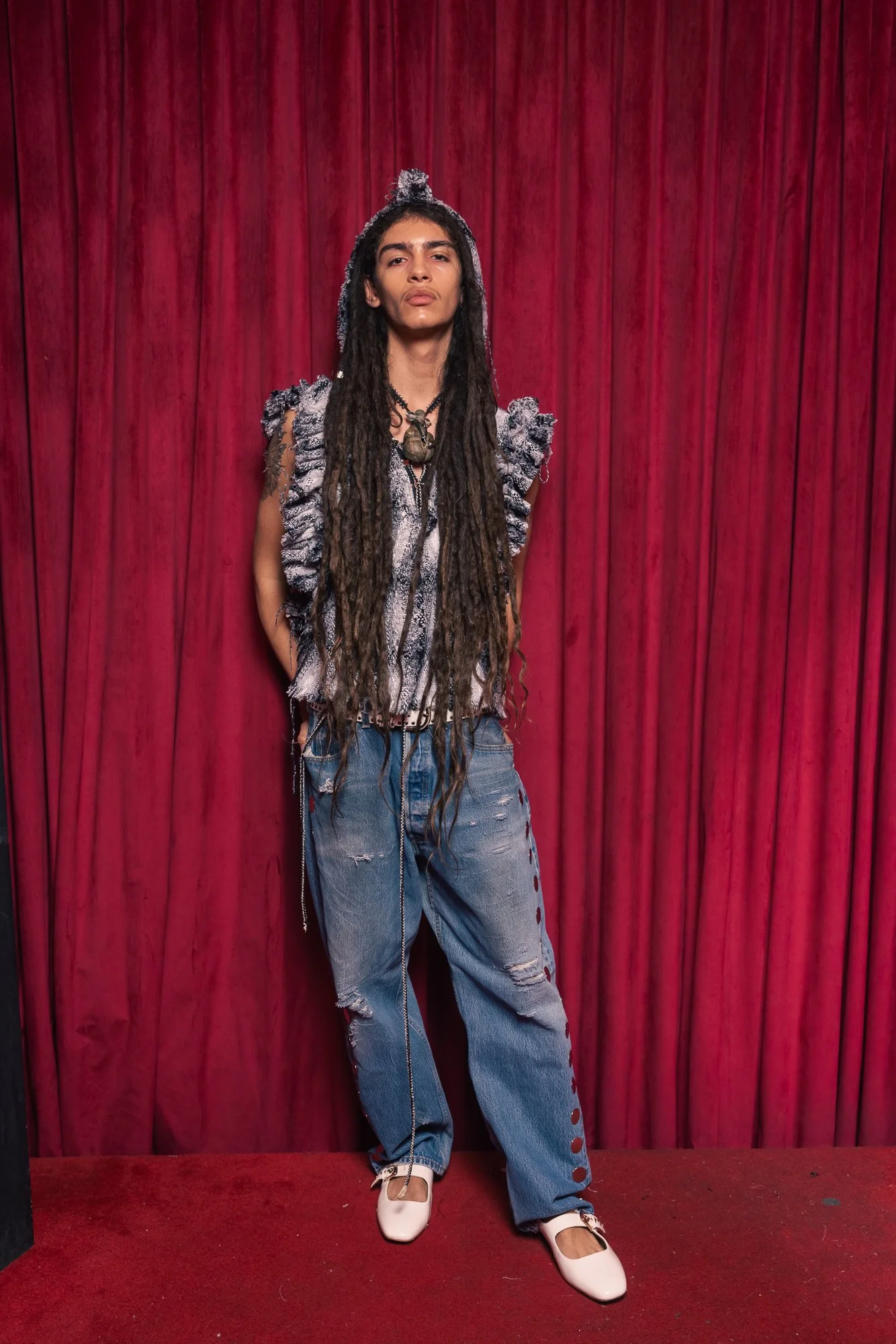
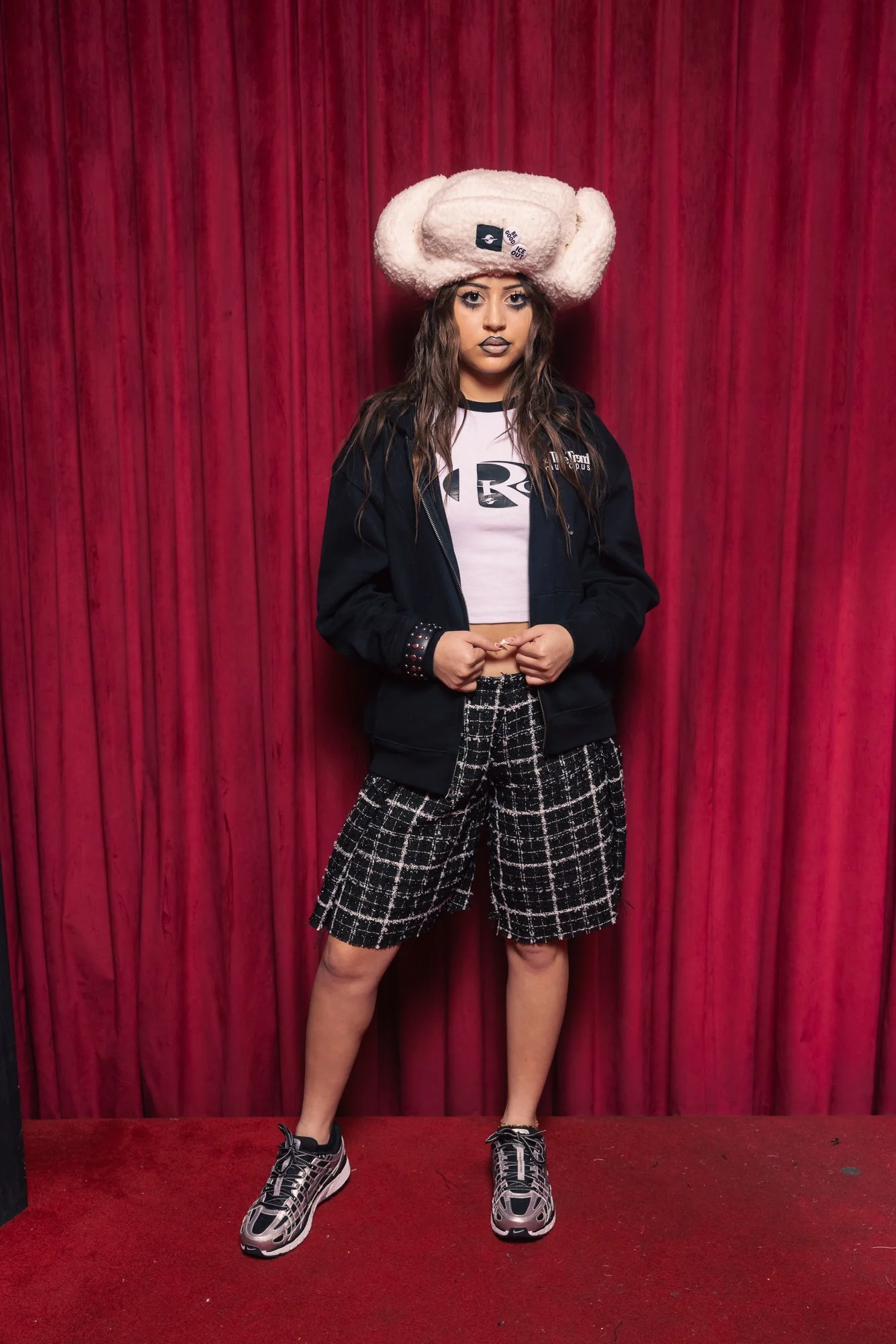
Protection is a recurring motif. Quilted constructions evolve into sculptural puffer shoulders, trapper hats frame the face with utilitarian defiance, and structured outerwear feels engineered for the friction of urban life. Backpacks and sport-driven finishes underscore a functional ethos that has long defined the brand’s DNA. These pieces operate as wearable armor—resilient enough for protest, expressive enough for celebration.
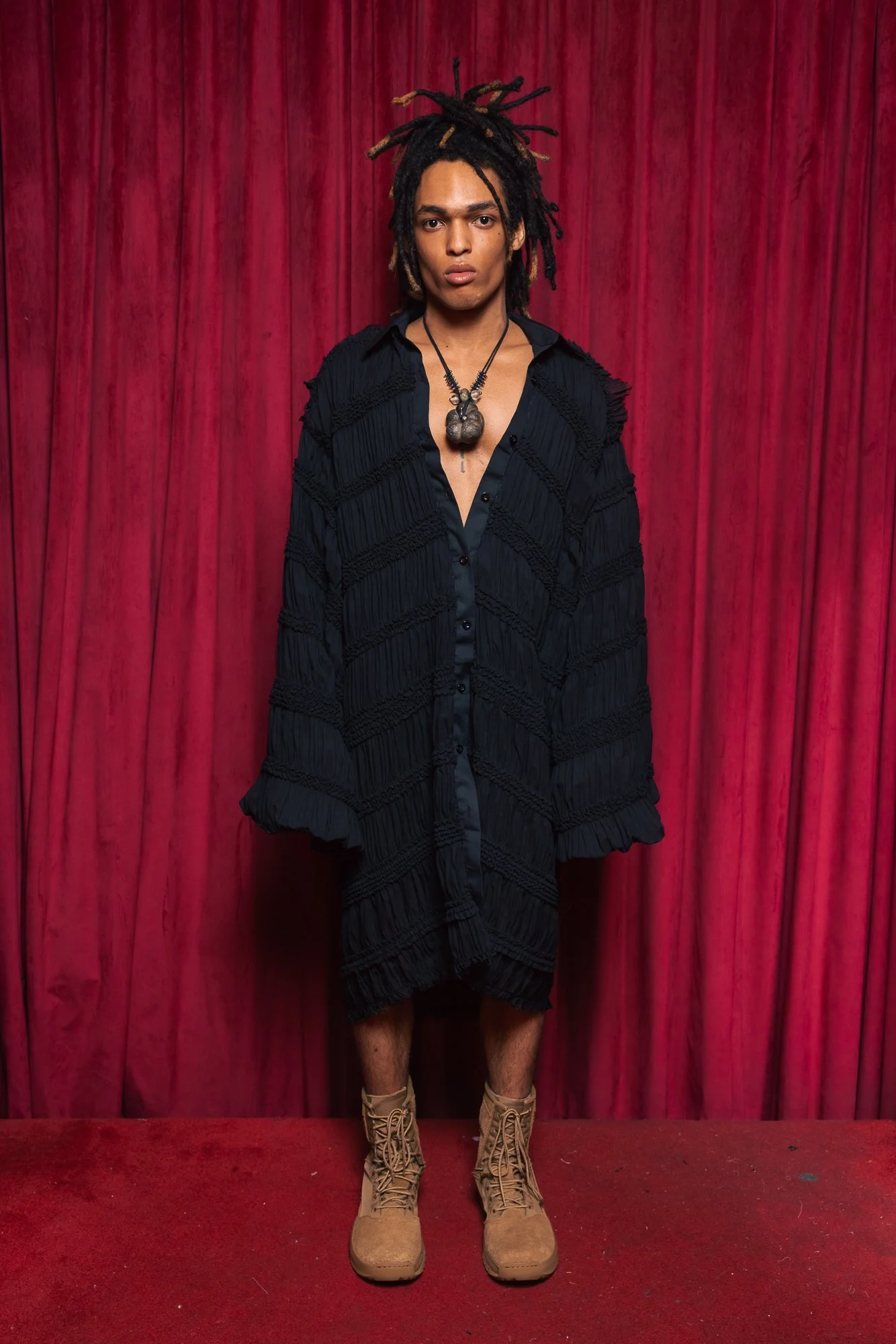
That tension extended into the styling. Select looks were punctuated with ACLU “ICE OUT” pins—small but unmistakable markers of civic presence. Traditional stone and obsidian necklaces, rooted in Mexican culture, were layered against razor-sharp tailoring and refined two-piece sets. The message was clear: heritage is not costume; it is foundation.
Presented as a live runway performance featuring Dominican musical artists Planta Industrial, the show dissolved the line between concert and catwalk. Models and moshers moved as one, bodies colliding in choreography that felt organic rather than orchestrated. The effect was communal. The audience wasn’t merely observing identity—they were immersed in it.
Uribe, who founded the Los Angeles–based house in 2013, has built RIO on the premise that luxury can be artisanal, gender-fluid, and politically aware without sacrificing sensuality. That through-line remains intact. But this season feels more urgent. In a fashion landscape increasingly cautious about commentary, RIO leans in.
With A Poem & A Protest II, the brand asserts that identity is never singular. It is poetic and powerful, tender and confrontational. The collection invites its community to step forward boldly—dressed not only for who they are, but for what they refuse to silence.
In an industry often preoccupied with trends, RIO reminds us that clothing can still function as language. And in the right hands, it can speak volumes.
HOW DO YOU FEEL ABOUT FASHION?
COMMENT OR TAKE OUR PAGE READER SURVEY
Featured

A February 2026 study by Arka ranks Papatui by Dwayne Johnson as the most sustainable celebrity business, revealing that seven of the ten cleanest brands are cruelty-free certified and that operational efficiency — not just scale — now defines responsible growth.