
How Professional Roofing Planning Protects Homes From Long-Term Structural Damage
PAGE
By PAGE Editor
A residential roof is more than a visible exterior feature. It plays a critical role in protecting the structure beneath it from moisture, temperature changes, and environmental stress. When roofing decisions are made without long-term planning, small oversights can lead to gradual deterioration that affects the entire home. Thoughtful roofing planning helps homeowners avoid these issues by focusing on durability, performance, and structural protection from the beginning.
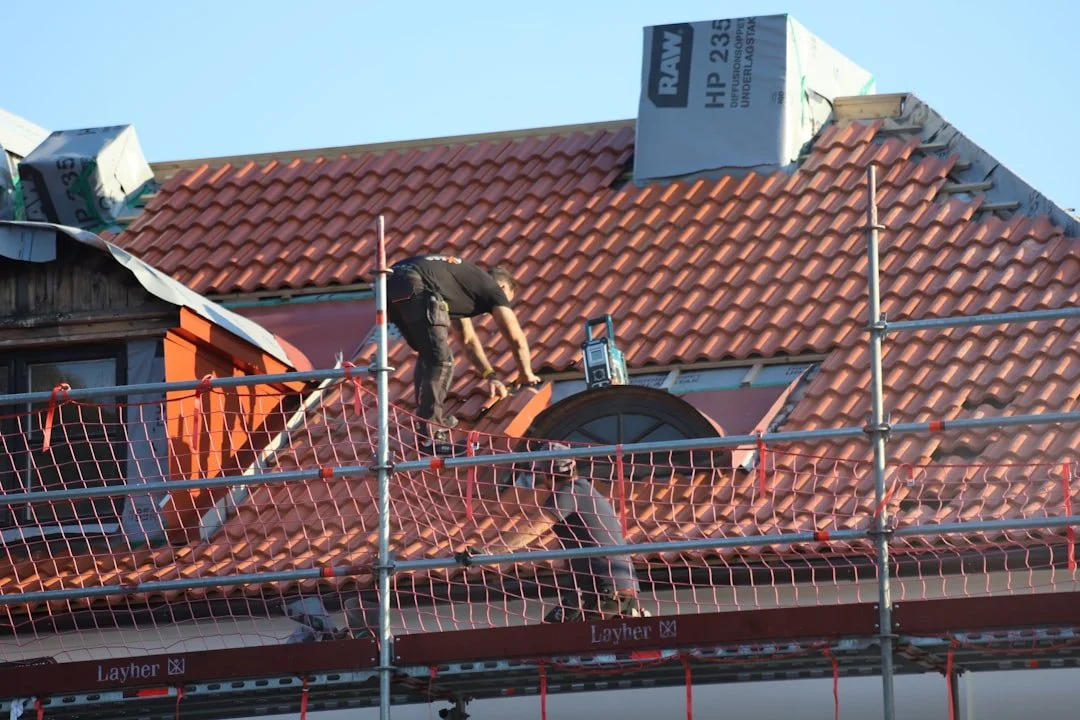
Long-term roofing performance depends on how well materials, design, and installation align with the home’s specific needs. Climate conditions, roof slope, ventilation, and drainage all influence how a roof ages over time. Homeowners who approach roofing as a planned system rather than a short-term fix often experience fewer problems and more predictable performance. Many turn to experienced guidance from Kutsch Roofing to better understand how early planning decisions influence long-term outcomes.
Professional planning helps homeowners shift from reactive maintenance to proactive protection. Instead of addressing damage after it appears, a planned approach anticipates stress points and minimizes future risk. This mindset supports structural stability, protects interior spaces, and preserves the home’s value over many years.
Why Roofing Planning Matters for Structural Integrity
Structural damage often begins at the roofline. When water penetrates roofing materials, it can travel into decking, framing, insulation, and interior walls. These issues rarely appear overnight. Instead, they develop slowly as moisture exposure weakens materials over time.
Roofing planning focuses on preventing these pathways before they form. Proper material selection, correct slope design, and effective drainage all work together to limit moisture intrusion. When these elements are addressed early, the roof becomes a reliable barrier rather than a vulnerability.
A knowledgeable Roofing company understands how each component contributes to structural protection. Planning ensures these components function together rather than independently.
Understanding Environmental Stress Factors
Every roof faces environmental pressure. Sun exposure causes expansion and contraction, while wind tests material adhesion and fastening strength. Rain, snow, and ice introduce moisture and weight that challenge structural balance.
Planning accounts for these forces by selecting materials rated for local conditions. Roof design also influences how stress is distributed across the structure. When stress is managed evenly, the roof protects rather than strains the home.
Ignoring environmental factors often leads to premature wear. Thoughtful planning reduces this risk and supports long-term stability.
Climate-Responsive Material Choices
Materials perform differently depending on temperature ranges and weather patterns. Planning ensures materials resist cracking, curling, and moisture absorption in their intended environment.
Preventing Water Intrusion Through Design
Water intrusion remains the leading cause of structural roofing damage. Poor drainage, inadequate flashing, and improper transitions create opportunities for leaks that spread unseen.
Planning emphasizes controlled water movement. Valleys, edges, and penetrations receive special attention because they are common failure points. Proper design reduces water retention and promotes efficient runoff.
A professional Roofing company evaluates these areas during planning to ensure water never reaches vulnerable structures.
Ventilation and Structural Health
Roof ventilation plays a major role in protecting framing and decking. Without proper airflow, heat and moisture build up beneath the roof surface. Over time, this buildup weakens wood and compromises fasteners.
Planning includes ventilation placement and airflow balance. This helps regulate attic temperature and prevents condensation that leads to rot or mold.
Balanced ventilation also supports consistent roof performance across seasons.
Load Management and Weight Distribution
Roof structures must support both permanent and temporary loads. Materials, snow accumulation, and maintenance activity all contribute to weight stress.
Planning ensures the roof structure can handle expected loads without sagging or shifting. This includes evaluating framing capacity and selecting materials that do not exceed structural limits.
Even weight distribution reduces stress points that often become sources of damage.
Long-Term Cost Control Through Planning
Structural damage is expensive to correct once it spreads beyond the roof surface. Planning reduces these costs by preventing damage before it occurs.
Homeowners who invest in planning typically face fewer emergency repairs and less interior restoration. Predictable maintenance replaces sudden expense.
Over time, planning proves more cost-effective than repeated reactive fixes.
Protecting Interior Systems and Finishes
Roof-related structural issues often impact ceilings, walls, and insulation. Moisture infiltration stains surfaces, weakens drywall, and reduces insulation performance.
Planning helps preserve these interior systems by keeping moisture outside where it belongs. A dry structure maintains comfort and energy efficiency.
Interior protection is a direct result of exterior foresight.
Extending the Overall Lifespan of the Home
A roof that protects structure supports the longevity of the entire home. Framing remains strong, finishes last longer, and systems operate more efficiently.
Planning treats the roof as part of a larger system rather than an isolated element. This integrated approach benefits the home as a whole.
Experienced providers like Kutsch Roofing help homeowners align roofing plans with long-term property goals.
Reducing Maintenance Uncertainty
Unplanned roofs often require unpredictable attention. Small issues appear without warning and escalate quickly.
Planning creates clarity. Homeowners know what to monitor, when to inspect, and how the roof should perform over time.
A reliable Roofing company provides guidance that reduces uncertainty and supports confident ownership.
Preserving Property Value Over Time
Structural integrity directly influences property value. Buyers recognize when a roof has been thoughtfully planned and properly maintained.
A roof that protects structure signals responsible ownership and reduces buyer hesitation. Planning becomes an investment in future value.
Homes with stable roofing systems maintain stronger market appeal.
Conclusion
Professional roofing planning plays a vital role in protecting homes from long-term structural damage. By addressing environmental stress, moisture control, ventilation, and load management early, homeowners prevent gradual deterioration that weakens the entire structure. A planned approach reduces costs, preserves interior systems, and supports long-term stability. With informed guidance from Kutsch Roofing and the expertise of a qualified Roofing company, homeowners can ensure their roof remains a strong, reliable foundation for the home’s future.
HOW DO YOU FEEL ABOUT FASHION?
COMMENT OR TAKE OUR PAGE READER SURVEY
Featured




OpéraSPORT’s Fall/Winter 2026 Venice by Night captures the city’s nocturnal elegance through sculpted tailoring, shimmering satins, and poetic textures, blending nostalgia, modernity, and sustainable craftsmanship in an immersive, cinematic fashion experience.