
Manaslu Circuit Trek vs Everest Base Camp Trek: A Clear Comparison for the Himalayan Explorer
PAGE
By PAGE Editor
Manaslu Circuit Trek vs Everest Base Camp Trek
When you set foot into the Himalayas, two of the most celebrated high‑altitude treks stand out: the Manaslu Circuit Trek and the Everest Base Camp Trek. These routes deliver jaw‑dropping scenery, rich cultural encounters, and the sense of stepping into another world. On one hand you have the lesser‑trodden path circling.
Mount Manaslu; on the other, the iconic route beneath Mount Everest and through the heart of the Khumbu region. Though both are incredible, they are very different experiences.
Your selection will depend less on “which is better” and more on what kind of adventure you’re after: solitude and raw landscape, or a classic Himalayan trail with strong infrastructure. Let’s examine how each stacks up.
Is Manaslu Circuit Harder than Everest Base Camp?
Yes, by several measures, the Manaslu route tends to be more demanding. The Manaslu Circuit Trek ascends through more remote valleys, involves longer walking days, and crosses the lofty Larkya La Pass (at approx. 5,100 m) which introduces serious elevation gain and alpine conditions.
In contrast, the Everest Base Camp trek, though still a major high‑altitude undertaking, follows trails that are better developed, with more frequent lodges, acclimatisation stops, and popular route segments. The real challenge there lies in altitude and terrain rather than isolation.
If you thrive when the trail gets quiet, logistics are simpler (“do‑it”) and you welcome the little discomforts that come with remote trekking, then Manaslu might appeal. If you prefer a high‑altitude trek with clear support and more consistent amenities, Everest Base Camp might be the fit.
How to Prepare for the Annapurna Circuit Trek
Planning for the Manaslu Circuit means prioritising endurance, awareness, and flexibility. Expect long uphill sections, varied terrain from lush subtropics to high glacial landscapes and fewer “luxury” stops. Practice with uphill walks carrying a pack, work on leg and core strength, and schedule longer loose days so you’re ready for the big pass day. The trail in the Manaslu region is still considered a “restricted area,” meaning you’ll need specific permits and a registered guide to proceed.
Acclimatisation is key. Build in rest days, monitor for altitude sickness, stay hydrated, and walk slowly on higher days. Equipment plays a bigger role: durable boots with strong ankle support, layers for changing weather, and a good down jacket for nights above 4,000 m.
Mentally, prepare for the remoteness. Lodges are solid but simpler, shops are sparse, and connectivity is limited. The quieter the trail, the more you’ll rely on your own readiness. The reward? Few other trekkers, a raw mountain landscape, and a strong sense of being “off the beaten track”.

How to Prepare for the Everest Base Camp Trek
Preparing for Everest Base Camp Trek is less about rugged remoteness and more about high altitude and consistent load. You’ll walk long days across the Khumbu Valley, passing through villages like Namche Bazaar and Dingboche, where acclimatisation is simply part of the trail.
Fitness training should emphasise stamina: incline/step training, backpacking with weight, and long hikes of 5‑7 hours. Given the altitude, learning the symptoms of altitude sickness and knowing when to slow down or rest is critical.
Gear‑wise, you’ll benefit from more support on this route (better lodges, optional extras like WiFi or bakeries). But don’t assume comfort. Nights at altitude are cold, and the terrain above 4,000 m is still alpine. Good boots, a warm sleeping bag, and a layering system remain vital.
Also familiarise yourself with the region’s environment: the path runs through the Sagarmatha National Park, home to distinct flora, fauna and Sherpa heritage. Knowing a bit of culture adds depth to the trek.
Trek Difficulty Comparison: Manaslu vs Everest
Both treks are firmly in the high‑altitude trekking category; neither is “casual” hiking. If we compare:
Manaslu Circuit: Longer in days, more remote, fewer trekkers. The high pass adds a technical component (steep altitude gain), and logistics are more demanding.
Everest Base Camp: Shorter (for many), more trafficked, area with better-developed services. Altitude still punishes, but help and infrastructure are stronger.
Given that, one might rate Manaslu as “more challenging” simply because you’ll carry more, walk further, spend more consecutive days in the high terrain without many shortcut options. Everest Base Camp still requires serious fitness and preparation but the support ecosystem makes a difference.
Landscape and Mountain Views on Both Treks
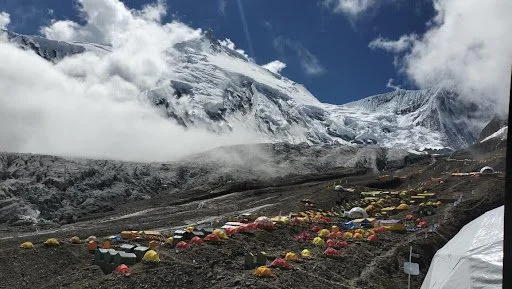
On the Everest route, you’ll walk among some of the world’s most famous mountains: Mount Everest, Lhotse, Nuptse, and the imposing glacial terrain of the Khumbu Glacier. Part forested walks, part moraine trails, part high alpine ridges. Sherpa villages, prayer flags, and Buddhist monasteries enliven the journey.
The Manaslu Circuit offers a contrasting landscape: you begin in verdant hills, follow the Budhi Gandaki river, bridge by bridge, up into the high Himalayan corridor that circles Mount Manaslu, and cross the Larkya La Pass for panoramic ridges and glacier‑fed valleys. It feels more raw, less commercialised, and the mountain vistas are profound yet quieter.
If scenery is your metric, both deliver spectacular landscapes but the “trail feel” differs: Everest is iconic and social; Manaslu is remote and introspective.
Altitude, Route, and Duration of Each Trek
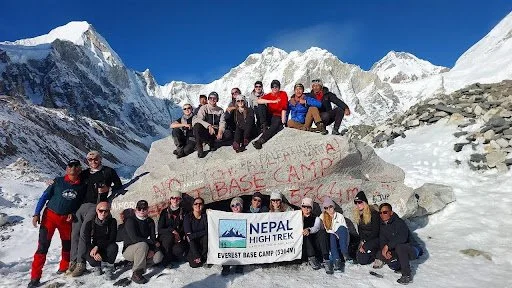
Everest Base Camp Trek: Typically 12‑14 days (including arrival, acclimatisation, return). Starts at Lukla (2,860 m), climbs to around 5,364 m at Base Camp, with optional summit ridge visits and descent.
Manaslu Circuit Trek: Usually 14‑18 days (sometimes more). You’ll start from a lower altitude (drives or trek to the valley start), ascend through villages to the high pass (5,100 m), then descend into another valley. Distances vary (170‑180 km, depending on start/finish).
Scheduling enough rest days is critical for both, especially above 3,000‑4,000 m. The extra days in Manaslu may be the trade‑off for more solitude and remote terrain.
Food and Accommodation Options Along the Trails
Both treks rely on the familiar “tea house” style lodges, local guest‑houses offering meals and a bed. On Everest, you’ll find more variety: from basic rooms to lodges with bakeries, WiFi or satellite connectivity in some places. On the hike, you’ll eat hearty meals. Dal Bhat is standard, often served with vegetables, lentils, rice, and the local bread.
In the Manaslu region, the lodges may be simpler. You’ll still get good food and warm hospitality, but expect more basic amenities: fewer services, more rustic rooms, fewer travellers. The reward: fewer crowds, quieter nights, more immersion.
Walking into either trail, pack a few luxury items if you carry your favorite snack bars, a small warm drink for cold nights, wet wipes, and good socks. These little comforts pay big dividends when you’re tired or cold.
Cost Comparison: Manaslu vs Everest Base Camp
Cost always depends on duration, season, group size, and service level. Some general points:
Manaslu has “restricted area” permits, which add cost and also require you to trek with a guide or in a group.
Everest Base Camp may have a higher cost early (flights into the trailhead such as Lukla) and more popular lodges may charge more in services.
Roughly speaking, you might find Manaslu packages starting around USD 1,000‑1,400 for good service in some seasons, and Everest slightly more, depending on features. But if you compare like for like (same number of days, guide, lodges), the difference may not be large. The key is to compare what’s included: permits, guide, porters, gear rental, and emergency plan.
Cultural Experiences and Local Life on Both Treks
The Everest region is deeply shaped by Sherpa culture, mountaineering legacy, Buddhist traditions, and high‑altitude villages buzzing with stories of expeditions. Monasteries, prayer wheels, yak caravans and mountaineering museums: you’re in a zone where mountain culture is full‑on.
In the Manaslu region, you’ll encounter local ethnic groups (Gurung, Tamang, etc.), Tibetan‑influenced Buddhist culture and more rural villages. Because the trail is less crowded, cultural exchanges often feel more genuine, less “tourist‑tailored”. The feeling of walking in a living Himalayan village remains strong.
If you’re drawn to culture as much as the mountains, either trek offers rich encounters but Manaslu may feel more untouched, more “walk‑among‑locals” than “walk‑among‑trekkers”.
Conclusion and Why Nepal High Trek is a Famous Travel Company Based in Nepal
In the end, choosing between the Manaslu Circuit Trek and the Everest Base Camp Trek comes down to your personal preferences:
Want solitude, a slightly tougher challenge, fewer crowds and deep immersion? Choose Manaslu.
Prefer a legendary trail, more services, the chance to walk beneath the world’s highest peak? Choose Everest Base Camp.
Either way, working with a trusted local operator makes all the difference. That’s why Nepal High Trek is recognised as one of the top‑tier trekking companies in the region. With expert guides, small group sizes, strong safety standards, cultural respect and personalised itineraries, they ensure your adventure in the Himalayas is more than just a list of days it becomes a journey. We’re Nepal High Trek And Expedition Pvt. Ltd., based in Kathmandu, specializing in treks, climbs, and more for solo travelers and private groups. Contact us at info@nepalhightrek.com or WhatsApp +977 9851142116.
HOW DO YOU FEEL ABOUT FASHION?
COMMENT OR TAKE OUR PAGE READER SURVEY
Featured



Nobody starts out as a cigar aficionado.