
Professional ways to showcase jewelry effectively
PAGE
By PAGE Editor
Do your jewelry displays struggle to catch customer attention or boost sales? Many store owners face this problem, since small display mistakes can reduce the value of your pieces and hurt your business.
Did you know over 60% of buying decisions come down to how a product is shown? This guide shares practical visual merchandising tips with real-life examples, simple color psychology tricks, and ideas for interactive jewelry display stands that truly work.
Discover easy ways to upgrade retail jewelry displays using improved lighting and smart arrangements, so you create a stronger experience for every shopper. Explore these tips if you want people to remember your brand—and feel excited to buy more.
Key Takeaways
Good lighting makes jewelry look better. Use LED lights and spotlights to show off the details and colors of each piece.
Group jewelry by theme, style, or price to help customers find what they want easily. Also, use props like velvet pads or mirrors to make displays more interesting.
Keep displays simple and clean. This means not putting too many items together and using different heights to show off each piece well.
Optimize Lighting for Maximum Impact
Good lighting brings out the brilliance of every jewelry piece—it helps customers see details, colors, and sparkles. I use LED spotlights and light panels on my retail jewelry display cases to boost customer engagement and support impulse purchases right at checkout.
Use focused lighting to highlight key pieces
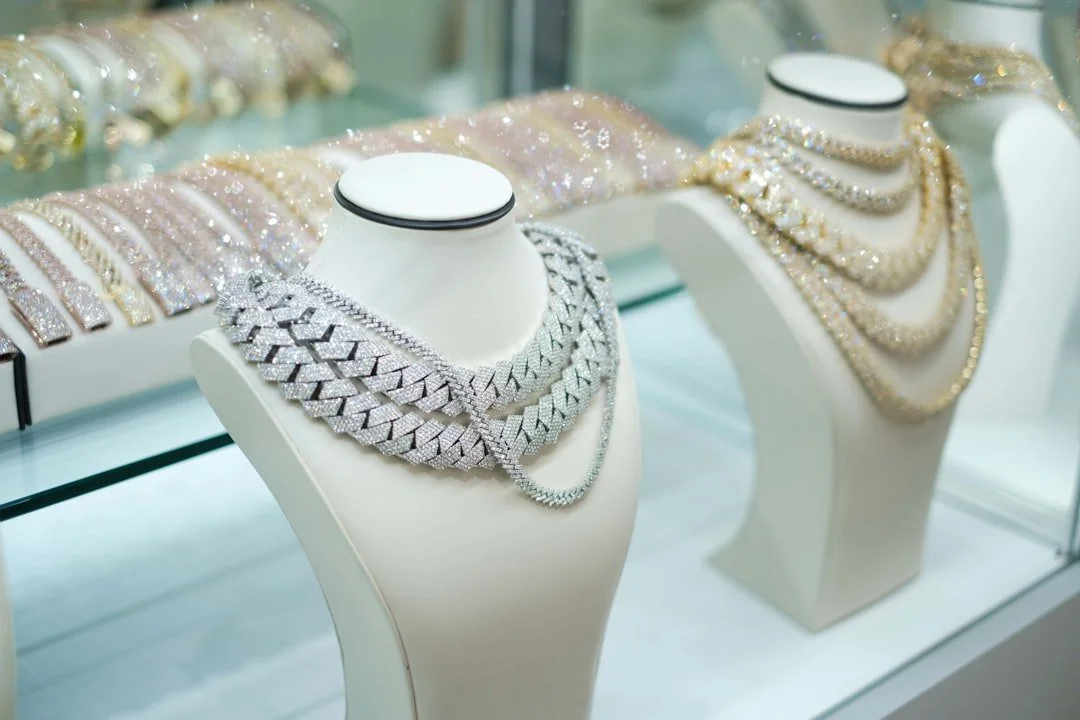
Spotlights draw attention to luxury jewelry and statement pieces. A simple glass case with soft white light can make a high-end necklace look more expensive. Placing best-sellers or new arrivals under accent lights increases sales by guiding customer flow.
Focused lighting helps customers notice details like gemstone clarity, diamond cuts, and craftsmanship. I use display stands to lift important items into the beam of the light so they shine brighter than other pieces.
Accent lighting adds drama to seasonal displays or holiday-themed setups. Collections for special occasions such as weddings or anniversaries stand out better with spotlights highlighting their features.
Retailers like Tiffany & Co set key rings and dangle earrings apart with direct lighting, making impulse purchases much more likely at checkout zones. Using focused beams in retail jewelry displays boosts both desire and perceived value right at first glance—customers see brilliance; emotions drive quick decision-making.
Avoid harsh lighting that dulls the jewelry's appearance
Focused lighting works best with soft, ambient sources. Overhead bulbs or strong spotlights create glare and cast harsh shadows. These problems hide the details that make jewelry special.
Bright fluorescent tubes can make gemstones look flat and dull. Even expensive pieces lose their shine under uneven light.
I always avoid direct beams from above on retail jewelry displays. Instead, I use LED lights with a color temperature near 4000K to keep metals bright and stones sparkling. Harsh lighting may cause customers to overlook high-value items—even those in luxury jewelry displays or seasonal displays—leading to lost sales opportunities.
Using diffused lamps helps prevent unwanted reflections on glass cases or mirrors, protecting the customer experience while supporting brand identity for my store’s visual merchandising strategy.
Create Visually Appealing Displays
I group similar jewelry pieces using display stands and trays to create a clean look. Statement necklaces or bold rings can draw the eye, making the layout pop for anyone browsing retail jewelry displays or looking for new jewelry display ideas.
Group jewelry by theme, style, or occasion
Bridal, holiday-themed, or nature-inspired zones help customers find jewelry that fits their needs or mood. I use themed retail jewelry displays for Valentine’s Day with reds and hearts, spring collections with pastels, and winter displays using white silver to keep things fresh.
Grouping by price points works well too; clear signage or color-coded tags build trust and make shopping simple. Trending pieces get signs that highlight bestsellers, which encourages cross-selling.
Seasonal zone updates at least 4 times a year ensure the display stays relevant and boosts customer engagement in visual merchandising.
Use statement pieces as focal points
I place statement jewelry at eye level on dedicated jewelry display stands or pedestals. One bold necklace or a new arrival ring sits in its own well-lit box, never crowded by small items.
This single focus creates allure and increases perceived exclusivity, which brings more attention than a full tray.
Bestsellers get priority spots on retail jewelry displays, making them easy to see for my target audience. By using focused lighting and props like velvet pads, I make each focal point stand out during seasonal displays or holiday-themed displays.
These visual merchandising tricks boost customer engagement and help shoppers recall signature pieces long after they leave the store.
Incorporate Props and Textures
I like to switch up the display using soft fabrics and shiny surfaces—these simple touches make jewelry pop. Mirrors spark quick customer reactions, since people enjoy seeing pieces against different backgrounds.
Add velvet pads, silk fabrics, or natural elements for contrast
Velvet pads, suede, and satin fabrics in bold colors add luxury to any jewelry display. These materials create contrast that makes rings or necklaces pop on stands or trays. Using cream or black backgrounds helps the brilliance of each piece stand out.
Mixing textures like a classic velvet bust with an acrylic necklace holder gives retail jewelry displays more depth and keeps things interesting.
Wooden display blocks, burlap rolls, and natural elements work well for brands with a bohemian style. They bring an organic look and support visual merchandising by helping customers see how pieces fit seasonal displays or holiday-themed displays.
Premium fabrics suggest quality; they also match high-end customer experiences found in luxury jewelry displays. Next comes the use of mirrors to boost interactive displays and increase customer engagement.
Use mirrors to enhance customer interaction
I place small mirrors near jewelry display stands and at checkout areas. Shoppers try on rings, necklaces, or earrings using these mirrors. This setup boosts customer engagement by 100 percent since people see how the pieces look on themselves.
Rotating displays with attached mirrors draw more attention to luxury jewelry displays and interactive displays.
Clean and smudge-free glass makes a retail jewelry display area look more inviting. Mirrors double the space visually so everything feels bright and open. Customers spend up to 3 minutes longer if they can use accessible stands with mirrors.
Displays grouped by style—like holiday-themed displays or seasonal displays—look larger and shine brighter next to reflective surfaces, which also boost impulse buys and referrals.
Arrange Displays Strategically
I place visual merchandising tools like jewelry display stands and trays at different heights to draw attention. I keep retail jewelry displays clean, using negative space to give each piece room to shine—less is more, always.
Use vertical and horizontal space effectively
Wall-mounted jewelry display stands like floating shelves, grids, and pegboards save floor space. I use these setups to create themed zones for rings, earrings, or bracelets. Tiered displays and risers help me show pieces at different heights.
This highlights each item from many angles so nothing gets lost in the crowd.
Trays and busts keep my countertop organized while lifting special items for emphasis. Rotating interactive displays near entrances or checkouts boost customer engagement by making everything easy to see and touch.
Using both vertical displays on walls and horizontal ones on tables lets me feature seasonal displays, luxury jewelry collections, or holiday-themed clusters without cluttering up the store.
Maintain a minimalist approach to avoid clutter
Using vertical and horizontal space well keeps the jewelry display balanced. I place only key pieces on each jewelry display stand. This gives every ring, necklace, or bracelet enough negative space.
Retail jewelry displays look sleek and clean with this method.
I remove extra items to prevent clutter. I rotate stock often, keeping 8 to 12 main products per shelf for better customer engagement. Minimalist displays help my store seem more luxurious too—customers see that I care about quality and detail in visual merchandising.
I wipe glass cases twice a day and polish stands so everything feels fresh at all times. Simple props like velvet pads highlight seasonal displays without crowding them; mirrors boost interaction but don’t make things busy.
Keeping it simple shapes a strong brand identity every season.
Conclusion
Great jewelry displays do more than show products. I use focused lighting and striking stands to highlight each piece. By grouping items, adding velvet or silk, and using mirrors, I spark shopper interest fast.
Studies prove over 60% of people buy based on how jewelry looks in the store. Smart display choices help me raise sales and keep customers coming back for more.
HOW DO YOU FEEL ABOUT FASHION?
COMMENT OR TAKE OUR PAGE READER SURVEY
Featured



Following its New York Fashion Week debut, Billionaire Boys Club brought Mantra Market to Miami, transforming its flagship into a cultural hub where emerging designers, artists, and creatives gathered to redefine retail through collaboration and community.