
The Road to Recovery: Finding the Right Support for Your Addiction

PAGE
By PAGE Editor
Breaking addiction of any kind is a lengthy journey. It takes time to break your dependencies and rewire your habits. That’s before you get into rebuilding your life and repairing relationships that were damaged by your addiction, which is an even longer process.
A crucial factor in the road to recovery is support. Studies found that people who had support were far less likely to use substances again and far more likely to continue in their journey to recovery. These studies also found that the ideal support looked different depending on the individual.
If you’re looking into treatment options for your addiction, here are a few choices that can help you figure out what is right for your recovery.
Residential Treatment Centers

One option for addiction recovery is to find a residential substance abuse treatment center. These centers, also known as inpatient rehab, treat addicts the same as people who are patients in a hospital for any other illness. You are a resident until you get better.
For some people, residential treatment centers are the best option for addiction treatment. Residential centers work best for particularly severe forms of addiction, where someone may need medical care to manage the physical effects of their addiction in addition to structured supervision. Others prefer the structure and disruption of a residential center.
Residential treatment centers offer highly structured and supervised routines, eliminating the guesswork from recovery. Residents have support from professional staff as well as their peers in treatment at all times.
However, residential treatment centers are not for everyone. Not everyone can completely abandon their responsibilities for a few weeks away in treatment, which can take a long time. Others report feeling more surveillance than support and would have liked more privacy during recovery, which is a very personal process.
Outpatient Treatment Programs
Intensive outpatient programs are a compromise between residential treatment programs. With an IOP, you get regular support without having to compromise on your daily routine or responsibilities. Many people find that attending an IOP through a Durham treatment center gives them the structure they need while still allowing them to maintain work, school, and family commitments.
One of the biggest benefits of an IOP is that you can maintain your daily life. With an IOP in Orange County, you can still commute to work and show up for yourself and your family while in treatment. Not everyone has responsibilities or careers that allow them to take significant time off while getting on the road to recovery.
Even though you are not living in the program, outpatient treatment programs still provide significant support to you while you are in treatment. You still have the structure of regular meetings with a therapist, check-ins with an addiction counselor, and peer support from others in group therapy. The program will be tailored to your obligations and support needs.
IOP addiction recovery is a kind of happy medium when it comes to addiction treatment. Patients have access to regular treatment and support from trained professionals and peers. They also have support from family and friends and have the privacy and comfort of their daily routines.
Peer Support Groups
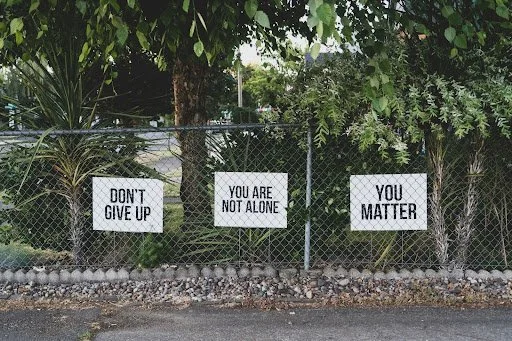
Peer support groups provide a less structured yet still meaningful way of finding help for people in recovery from addiction. Peer support groups can be organized through faith groups, mental health clinics, or organizations such as Alcoholics Anonymous.
Peer support groups are available to people at any stage of recovery, because most people are aware that recovery from addiction is a lifelong process. There are people who have been in recovery for decades, yet still attend peer support groups to help others and to find support when they feel themselves craving a relapse.
Peer support groups are helpful because they show people that they are not alone in struggling. They also provide a place for people to talk about feelings and experiences that sober loved ones may not understand or that may be painful for them to hear.
Peer support groups are not the best option for everyone. Some specify that they are only for people at a certain stage of addiction because they don’t want to trigger anyone into a relapse.
For people who are just beginning their road to recovery, peer support groups may not provide enough structure to be meaningful. In the early stages, a more regimented support program is better.
Finding Support in Your Journey to Recovery
With the right support, you can break the cycle of addiction and begin your journey to recovery. What type of support you need depends on where you are in your journey to recovery and on your own preferences. Some people benefit from a rigorous inpatient program, while others prefer the looser structure of peer support groups. Intensive Outpatient Treatment Programs offer a mix of privacy and support.
HOW DO YOU FEEL ABOUT FASHION?
COMMENT OR TAKE OUR PAGE READER SURVEY
Featured





Nobody starts out as a cigar aficionado.