
Tips and precautions before your first ink session
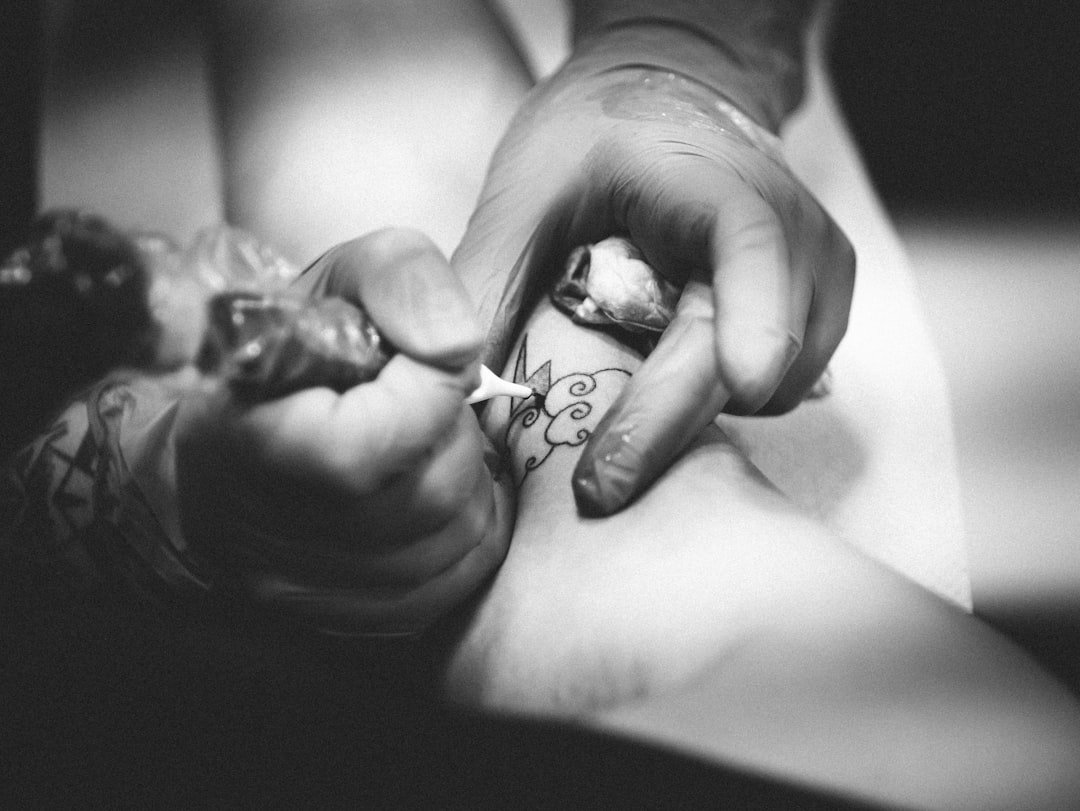
PAGE
By PAGE Editor
Are you worried about what to do before getting your first tattoo? That makes sense—many people feel the same way. In fact, 80% of new clients wish they had prepared more before their session.
Here, you’ll find clear tips on hydration, skin care, clothing choices, pain management, and everything else you need for a smooth inking experience. Taking a few simple steps can help make this process less stressful and much safer.
Keep reading to learn how to get ready for your appointment with confidence.
Key Takeaways
Stay hydrated and prepare your skin by moisturizing. This helps the tattoo needle work better.
Eat a healthy meal before your session to avoid feeling faint. Dress in loose clothing for easy access to the tattoo area.
Avoid alcohol and blood thinners, they can make bleeding worse during the tattooing.
Bring a photo ID, snacks, and water for long sessions. Follow all aftercare instructions from your artist to heal properly.
Confirm your tattoo design and placement with the artist before starting to avoid any surprises.
Stay Hydrated
Staying hydrated is key to tattoo preparation. I drink at least 8 glasses of water in the 24 hours before my ink session. My skin looks smoother and handles the needle better with enough hydration.
Dry skin can crack or get irritated faster. Drinking water helps cells repair, so pain management becomes easier during tattooing. I skip soda and energy drinks; they do not hydrate like plain water does.
My artist even noticed fewer complaints from clients who keep fluids up before their appointment.
Prepare Your Skin
Taking care of your skin before getting a tattoo helps the ink settle better, and makes healing easier. Healthy, soft skin is key—ask your artist for their favorite lotion or cream to use beforehand.
Moisturize regularly
Healthy skin helps get the best results from a tattoo. I use lotion on the area every day, at least 2 times daily, for 7 days before my ink session. This keeps my skin soft and smooth.
Dry or cracked patches may slow healing.
I pick fragrance-free creams like CeraVe or Aquaphor to reduce risk of irritation. My artist always says hydrated, cared-for skin holds color better and heals faster after inking. Dermatologists also agree that regular moisturizing improves skin care before tattoos.
Avoid sunburn or tanning
Moisturizing helps, but I must also protect my skin from sunburn or tanning. Sun damage can cause major issues during tattoo preparation. Even mild burns or darkened areas will make my skin too sensitive for the tattoo needle.
Tattoo artists may refuse to work if skin is red or peeling.
I stay inside or use strong sunscreen like SPF 50 at least 7 days before my session. Covering up with long sleeves and hats works well too, especially between 10 AM and 4 PM when UV rays are strongest.
This keeps my skin healthy for inking and lowers risks of pain, infection, and poor color results—no exceptions.
Get Plenty of Rest
A good night’s sleep matters before a tattoo appointment. I always shoot for at least 7 to 8 hours. Rest helps my skin recover and lowers stress so I feel calm in the chair. Studies show people with enough sleep handle pain better during medical procedures, like getting a tattoo needle.
I avoid late nights or heavy screens before bed, since tiredness makes skin more sensitive and can slow healing later. Fresh rest also lets me focus on the artist’s aftercare instructions—no chance of missing key details from lack of sleep.
Up next: fueling up with a healthy meal is just as important as solid rest.
Eat a Healthy Meal Beforehand
I eat a full meal with protein, fiber, and healthy carbs at least 2 hours before my tattoo session. Foods like eggs, whole-grain bread, chicken breast, or oatmeal keep my blood sugar steady.
This prevents dizziness or feeling faint in the chair.
Skipping food leads to low energy and increases pain sensitivity during inking. I add snacks like fruit or nuts for longer sessions lasting over 3 hours. Staying sharp makes it easier to follow aftercare steps that the artist explains.
Food helps me feel calm and ready for skin care and tattoo preparation.
Dress Comfortably
Wear loose clothes, so your artist can reach the tattoo spot without trouble. Pick soft fabrics—they help prevent irritation during inking.
Wear clothing that allows easy access to the tattoo area
Loose shirts, tank tops, or shorts work best. I pick pieces that give the artist a clear view of my skin. Tight jeans or long sleeves can cover the spot and slow down tattoo preparation.
For example, if getting ink on an arm, I wear a short-sleeved tee. If it’s my leg, gym shorts make sense.
Avoid white clothes; some ink might stain them for good. Sweatpants or zip-up hoodies help with comfort during long sessions as well. These choices reduce stress and help me relax while focusing on pain management during inking.
Next, I always bring essentials like a photo ID and snacks to stay ready throughout the day.
Bring Essentials
I always pack my photo ID, some snacks, and a bottle of water for long tattoo sessions—stick around for more simple ways to get ready.
Photo ID
A valid photo ID is a must at the tattoo shop. Most artists use it to verify age and identity. States like California, Texas, and New York require clients to show legal proof they are over 18 before any inking begins. Accepted options include driver’s licenses, passports, or military IDs.
I keep my government-issued identification ready for check-in at the front desk. Stores may refuse service without it; there is no exception—even if I look old enough. Rules protect both the artist and client under tattoo preparation laws.
Snacks and water for longer sessions
I grab two bottles of water and bring snacks like nuts, protein bars, or string cheese for long tattoo appointments. Hydration keeps skin healthy and makes the process smoother. Most artists recommend at least 16 ounces of water per hour in the chair to avoid dehydration.
Blood sugar can drop after a few hours, so I eat easy foods that do not make a mess—no greasy chips or crumbly crackers.
The body uses energy fast during tattooing due to nerves and pain management responses. Eating every two hours helps keep my energy steady. I pack clean napkins, choose snacks with paper wrappers, and never skip bringing a full reusable bottle—it is key for comfort during any three-hour session or longer.
Avoid Alcohol and Blood-Thinning Medications
Alcohol makes blood thinner; it increases bleeding. I do not drink alcohol for at least 24 hours before my tattoo appointment. Drugs like aspirin, ibuprofen, and naproxen also make blood thinner.
They can cause more swelling and bruising in the tattoo area.
I check all my medications with a doctor or pharmacist if unsure. Blood thinners affect healing after getting inked. Tylenol is usually safer since it does not thin the blood like some pain relievers.
This step helps avoid issues during both inking and recovery stages.
Manage Pain Expectations
Tattoo needles can sting, but most people handle it well—each person feels pain in their own way. I talk with my artist about any worries and stay open to advice on easing discomfort.
Consider numbing creams if recommended by your artist
I use numbing creams only if my artist suggests them. Some products like lidocaine gels help lessen pain for up to 2 hours. Most shops carry brands approved by skin care experts, which ensures safety during inking.
I always check the ingredients in advance. Labs test popular choices such as Dr. Numb and Zensa for sensitivity reactions or allergies. Clean, dry skin increases how well these creams work before starting the tattoo preparation process.
Pain management matters, but I follow what my artist says about using these tools for comfort and proper hygiene during sessions longer than 60 minutes.
Confirm Your Design and Placement
I check my tattoo design on paper and on the screen before I sit down. Artists often use stencils, showing me how it will look directly on my skin. I stand up and move my arms or legs if needed to see placement from all angles.
I confirm size, font, and spacing match what I showed in pictures or design references. Design reference examples include names, symbols, animals, flowers, or dates. If I have doubts about color or line thickness, I ask the artist for 2-3 sample sketches before moving forward.
This step prevents surprises; clear agreement with your artist matters more than anything else during this part of tattoo preparation.
Follow Artist Instructions for Aftercare Preparation
I follow every aftercare instruction from my tattoo artist. Some shops give printed guides, while others explain steps in person. I use fragrance-free soap and avoid heavy lotions as directed.
My artist might suggest antibacterial ointments, special bandages, or unscented moisturizers.
I buy these supplies before my ink session starts. This way, I am ready to care for the new tattoo right away. Clean hands are key; I wash them each time before touching the area. Proper skin care supports healing and prevents infection.
Following all directions keeps colors bright and helps my skin heal faster than if I skip any step.
Conclusion
A little prep makes your first tattoo session smooth. I grab my photo ID, drink plenty of water, and get good sleep the night before. Healthy snacks help during long hours in the chair.
I always check my design choice and follow every artist instruction for aftercare—no skipping steps here. Each part matters, from clothing to skin care; I take it all seriously so healing is quick and results look sharp.
HOW DO YOU FEEL ABOUT FASHION?
COMMENT OR TAKE OUR PAGE READER SURVEY
Featured




Mix-and-match bridesmaids dresses have moved far beyond a passing trend and into the mainstream of modern wedding design.