
What Makes Runners a Functional Choice for High-Traffic Areas
PAGE
By PAGE Editor
Think about the busiest spots in your home, that hectic hallway, the bustling mudroom, the well-trodden entryway. Here, your floor covering needs to be tough. That’s where runners shine. More than just a decorative strip, they’re a practical, hardworking choice designed to handle the chaos of daily life while protecting your floors and your sanity.
The Unsung Heroes of Wear and Tear
High-traffic areas are ground zero for dirt, abrasion, and daily degradation. A bare floor, whether hardwood, tile, or laminate, can quickly show the scuffs and scratches of busy life.
Shields Your Floors: A runner acts as a sacrificial layer, absorbing the impact of shoes, pet claws, and dropped items. It protects your more expensive and permanent flooring underneath from premature aging and damage.
Distributes Footfall: By channeling people down a specific path, a runner prevents wear from being spread evenly (and visibly) across the entire width of a hallway. The wear concentrates on the runner itself, which is far easier and cheaper to replace than refinishing hardwood or retiling.
Hides Imperfections: As a runner itself ages, subtle fading or matting in the central track can look like a natural, lived-in patina, whereas the same wear on a broadloom carpet or bare floor can appear as a glaring flaw.
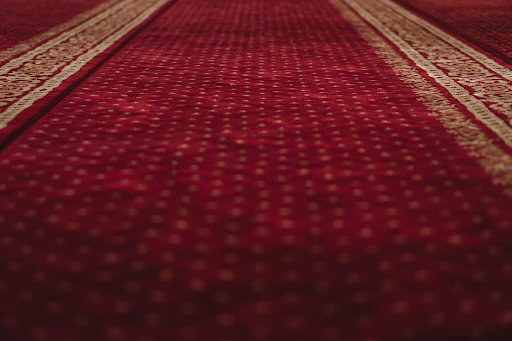
The Anatomy of a Durable Runner Carpet
Not all rugs are created equal for this tough job. The specific construction of a runner carpet is what gives it the muscle to withstand the pounding. It's built like a workhorse, with key features that prioritize longevity.
Material Matters: Look for dense, hard-wearing natural fibers like wool (naturally stain-resistant and resilient) or tough synthetics like nylon and polypropylene, prized for their incredible stain resistance and ease of cleaning.
The Density Test: A good runner should feel firm and dense to the touch. You shouldn’t easily be able to see the backing through the pile. A high pile count per square inch means less crushing and a longer lifespan.
Low Profile Advantage: In transition areas, a low-pile or flat-weave style (like a Berber or a sturdy sisal) is ideal. It lies flat, presents minimal tripping hazards, and allows doors to swing over it easily.
The Safety and Comfort Factor
Functionality isn’t just about protecting the floor; it’s about enhancing the experience of the people walking on it. A runner transforms a hard, noisy thoroughfare into a more pleasant and safer space.
Traction and Stability: Runners provide essential grip on otherwise slick surfaces like polished wood, tile, or laminate, reducing the risk of slips and falls, a critical feature in homes with children or elderly family members.
Sound Dampening: They absorb the clatter of footsteps and muffle echoes, turning a loud, cavernous hallway into a quieter, more serene passageway. This acoustic benefit is a game-changer in open-plan homes or spaces with hard-surface floors.
A Magnet for Dirt (And That’s a Good Thing)
It might sound counterintuitive, but one of a runner’s primary jobs is to get dirty. It functions as a primary dirt trap, intercepting debris before it can be ground into your main living areas.
Easier Maintenance: It’s much simpler to regularly vacuum a contained runner or take it outside for a shake than to constantly mop an entire tiled foyer or sweep a long wooden hallway. Many performance-style runners can even be hosed down.
Defined Cleaning Zone: It visually cues people to wipe their feet, creating a psychological and physical barrier between the outside world and the cleanliness of your home.
Styling the Pathway
Never underestimate the power of a runner to define a space and pull a look together. Its functionality is perfectly married with its decorative potential.
Visual Guidance: A runner acts like an arrow, drawing the eye and physically guiding people through your home. It can make a long, narrow hallway feel more intentional and less like a tunnel.
Inject Personality: In often-neutral transition spaces, a runner is your chance to add a pop of color, a bold pattern, or a textural element. It can be the accessory that ties the palette of adjoining rooms together.
Zoning Tool: In an open-plan area, a runner can define a walkway without the need for walls, subtly separating a circulation path from a seating area.
Practical Considerations for Placement
To maximize their function, a bit of strategic planning goes a long way.
Adequate Padding: Always use a high-quality, non-slip rug pad. It extends the life of the runner by providing extra cushion, preventing bunching and sliding, and adds an additional layer of protection for your floor.
Proper Sizing: Allow for a border of bare floor on either side (typically 4-6 inches in a hallway). This frames the runner beautifully and ensures furniture like console tables can sit stable on the floor, not on the rug’s edge.
In the end, choosing a runner for a high-traffic area is a smart, almost diplomatic solution. It negotiates a truce between the beauty of your home and the reality of daily life. It takes the beating so your floors don’t have to, all while adding comfort, safety, and style to the paths we wear thin every day.
HOW DO YOU FEEL ABOUT FASHION?
COMMENT OR TAKE OUR PAGE READER SURVEY
Featured





You spend two hundred, three hundred, sometimes five hundred dollars on a perfume from a famous luxury brand.