
When the Sky Falls: How Rain Reveals What Your Exterior Is Hiding
PAGE
By PAGE Editor
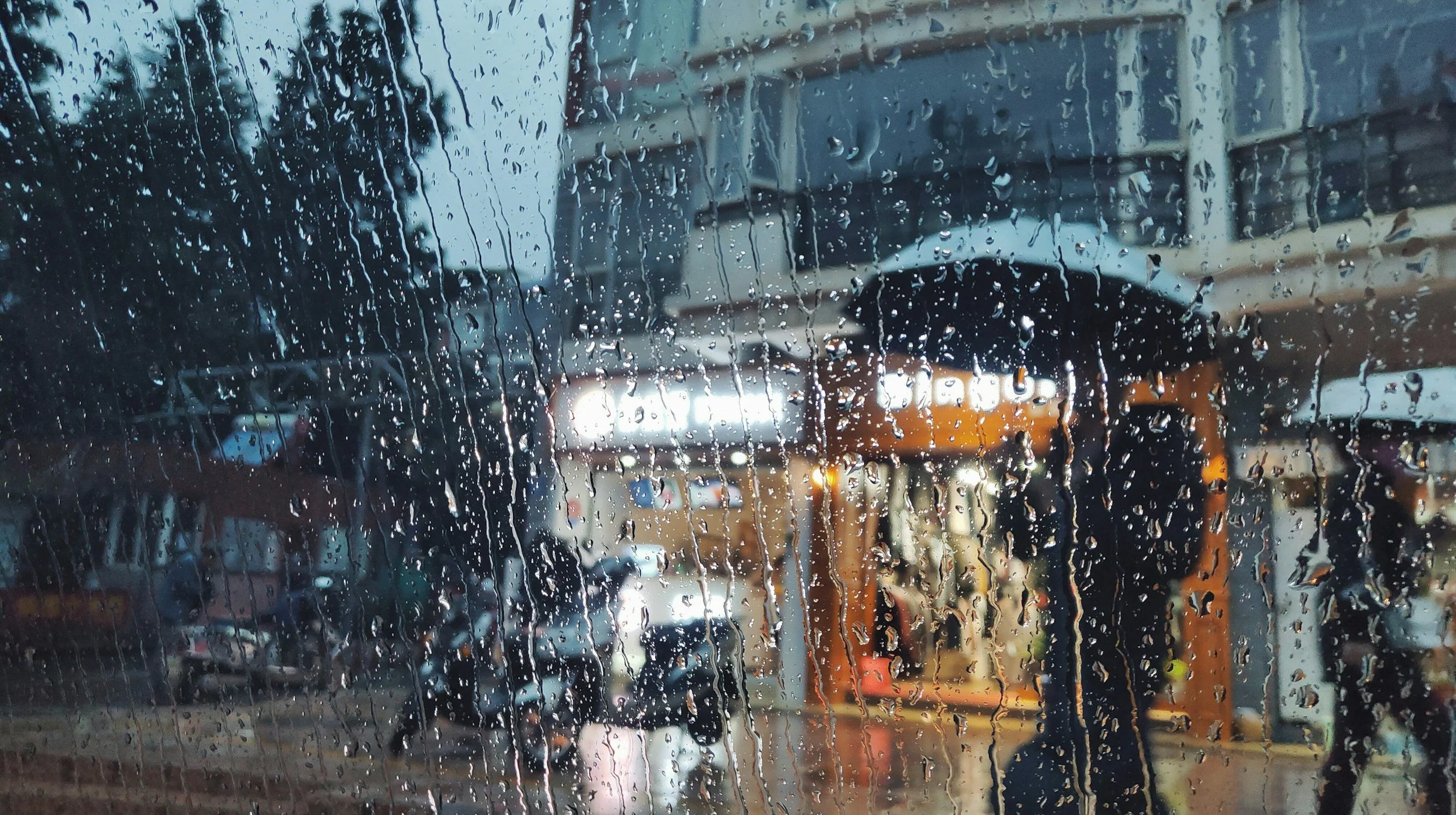
Rain is rarely subtle. It shows up in sheets, in streaks, in splatters. It taps on windows and drips from gutters. And while it may feel routine—just weather doing what weather does—it’s often the one force that uncovers everything you forgot to check.
When the sky opens up, your home’s exterior responds. Water runs off rooftops, glides down siding, flows through gutters, pools on driveways, and hits solar panels like a daily performance test. And in this downpour, hidden flaws become visible.
For homeowners, rain isn’t just a seasonal inconvenience—it’s a diagnostic tool. It tells the truth about maintenance, and it doesn’t whisper.
Gutter Clues from the Roofline
If you’ve ever stepped outside during a heavy rain and noticed water spilling over the edge of your gutters, it’s more than just a visual annoyance. It’s a clear signal: your gutters aren’t functioning properly.
Blocked channels and clogged downspouts often go unnoticed until the rain returns. Overflowing water doesn’t just stain siding—it runs down walls, seeps into foundations, and softens soil around the perimeter of your home. Left unresolved, that innocent little spill can turn into basement leaks or structural cracking.
Scheduling regular gutter cleaning—especially after heavy leaf fall or before the spring thaw—isn’t just a routine task. It’s the first line of defense against long-term damage. A quick online search for gutter cleaning near me will usually point you toward local experts who understand how seasonal debris behaves in your area.
Stains That Tell a Story
Rain doesn’t just roll off surfaces—it clings to them, spreads contaminants, and drags dirt into every crevice it can find. If your siding is discolored or streaked after a storm, it’s telling you something: algae, mildew, or airborne pollutants have settled in.
These stains aren't just cosmetic. Organic growth can slowly break down finishes, trap moisture, and affect air quality around vents and windows. Over time, the damage becomes harder to reverse.
This is where pressure washing services in Silicon Valley make their case. Professional cleaning restores siding without damaging underlying materials, and helps prevent re-growth of algae and mold. The key is catching it early—before stains become symptoms of deeper deterioration.
Solar Panels and Silent Loss
Rain is supposed to help clean solar panels, right? The idea that rainfall washes away dirt is a common assumption—but unfortunately, it’s incomplete.
While water may remove surface dust, it rarely rinses off the sticky combination of pollen, bird droppings, and air pollution that builds up over time. During a storm, water might actually spread grime across the panel, causing uneven coverage that reduces energy output. And when drying conditions follow, hard water spots often form.
If your panels haven’t been cleaned in months, chances are they’re working below their true potential. Searching solar cleaning near me can connect you with trained specialists who use purified water and gentle tools to remove residue without damaging the system.
A regular cleaning routine keeps solar output consistent, reduces wear on equipment, and upholds the eco-value of your investment.
Driveway Drama and Drainage Realities
Rain reveals the story written across your driveway and walkways. Stains darken, algae becomes slick, and pooling water makes uneven grading painfully obvious.
Water that doesn’t drain properly can lead to soil erosion near the foundation or create freeze hazards in winter. Cracks that looked minor in dry weather expand under the pressure of trapped moisture. And mold growth on shaded concrete areas becomes an active slip risk.
Pressure washing services can reset the visual baseline of these surfaces, but they also serve a preventative role—clearing away buildup that holds moisture and accelerates deterioration.
Regular cleaning and inspection go hand-in-hand. It’s not just about presentation—it’s about preserving safety and structure.
Windows Don’t Lie
One of the most overlooked places where rain reveals neglect is the window. Streaks, drips, and fogging aren’t just annoying—they’re clues.
Dirty window glass traps water against the surface, creating mineral deposits that etch over time. Clogged weep holes or failing seals become apparent only when rainfall overwhelms them. If you see water pooling along the sill or seeping between panes, it’s likely been happening quietly for months.
A comprehensive exterior maintenance routine—one that includes window washing, gutter cleaning, and surface treatment—ensures that rainfall is met with resilience, not weakness.
The Subtle Cues You Might Miss
Some of the most important signs of exterior stress aren’t loud or dramatic. They’re the quiet changes you only notice during or after a storm:
A single downspout dripping at the joint
The smell of damp mulch too close to the house
Solar panel output that seems “a little off” on sunny days
A patch of moss that grows back faster than expected
A water trail on siding that wasn’t there yesterday
These small observations are part of your home speaking to you. All rain does is amplify the volume.
Why Rain Shouldn’t Be the Inspector
Waiting for a downpour to tell you what needs fixing is reactive maintenance. It’s hoping for the best while preparing for the worst.
Instead, let rainfall be a motivator—a reminder to act before problems surface. Search for gutter cleaning near me before the fall season ends. Schedule pressure washing services before algae takes hold. Look into solar cleaning near me before your energy bills rise unexpectedly.
Companies like Slon Exterior Care understand the timing and technique behind proactive exterior upkeep. They know that a well-maintained home performs better, lasts longer, and stands stronger against the weather it faces year after year.
The Forecast Isn’t the Problem
Rain doesn’t cause the damage—it reveals it. And once you’ve seen what a storm exposes, it’s hard to ignore.
The streaks on siding, the overflow at the roofline, the dimming solar return, the grime-darkened driveway—these are not just signs of dirt. They are signals of opportunity. Opportunities to protect, preserve, and improve.
So when the next storm rolls in, take a look around. Not in panic—but with purpose.
Then make the decision not to wait until the sky falls again.
HOW DO YOU FEEL ABOUT FASHION?
COMMENT OR TAKE OUR PAGE READER SURVEY
Featured





Nobody starts out as a cigar aficionado.