
Why Do Toothaches Happen? Understanding the Root Causes

PAGE
By PAGE Editor
A toothache can stop you in your tracks. Whether it’s a dull throb, a sharp sting, or a constant pounding that spreads through your jaw, tooth pain is one of the most uncomfortable sensations you can experience. Many people try to tough it out at first, hoping the pain will fade on its own. But toothaches rarely appear without a reason. They are often your body’s way of telling you something is wrong—sometimes minor, sometimes serious. Understanding why toothaches happen is the first step toward preventing them, treating them effectively, and avoiding bigger dental issues down the road.
Tooth pain can arise from the tooth, its nerve, the surrounding gum tissue, or even areas that seem unrelated, like the sinuses. People often turn to home remedies, including castor oil for Toothache, but to truly fix the problem, you need to know the cause behind the pain. Below, we explore the most common reasons toothaches happen and how they affect your oral health.
1. Tooth Decay — The Most Common Culprit
Tooth decay, also known as dental caries or cavities, is the leading cause of toothaches worldwide. When bacteria in the mouth feed on sugars from food, they produce acids that slowly destroy tooth enamel. At first, you may not feel anything—but as the decay spreads deeper into the dentin and reaches the inner nerve (pulp), pain begins.
Signs of decay-related toothache include:
Sensitivity to sweet, hot, or cold foods
Pain when chewing
Visible pits, holes, or dark spots
If untreated, the cavity can grow deeper, eventually causing infection and severe pain.
2. Gum Disease (Gingivitis and Periodontitis)
A toothache doesn’t always come from the tooth itself. Gingivitis, the earliest stage of gum disease, causes swollen, red, and bleeding gums. While gingivitis is often painless, if it progresses into periodontitis, the infection can reach the supporting bone and cause tooth sensitivity or even pain.
As the gums pull away from the teeth, deep pockets form where bacteria accumulate. This infection can irritate the tooth roots, leading to discomfort or dull aching pain.
Common symptoms include:
Bleeding when brushing
Receding gums
Persistent bad breath
Tender or swollen gum tissue
3. Tooth Fractures or Cracks
A cracked tooth can cause intermittent pain—sometimes sharp, sometimes mild, depending on how the tooth moves or what temperature it’s exposed to. Fractures may be caused by biting something hard, grinding teeth at night, or previous dental work.
Cracks expose the inner layers of the tooth, making the nerve extremely sensitive.
You may have a cracked tooth if:
Pain occurs only when biting down
You feel a sudden sharp sensation
Sensitivity increases over time
Without treatment, the crack can deepen and lead to infection.
4. Dental Abscess — A Serious Infection
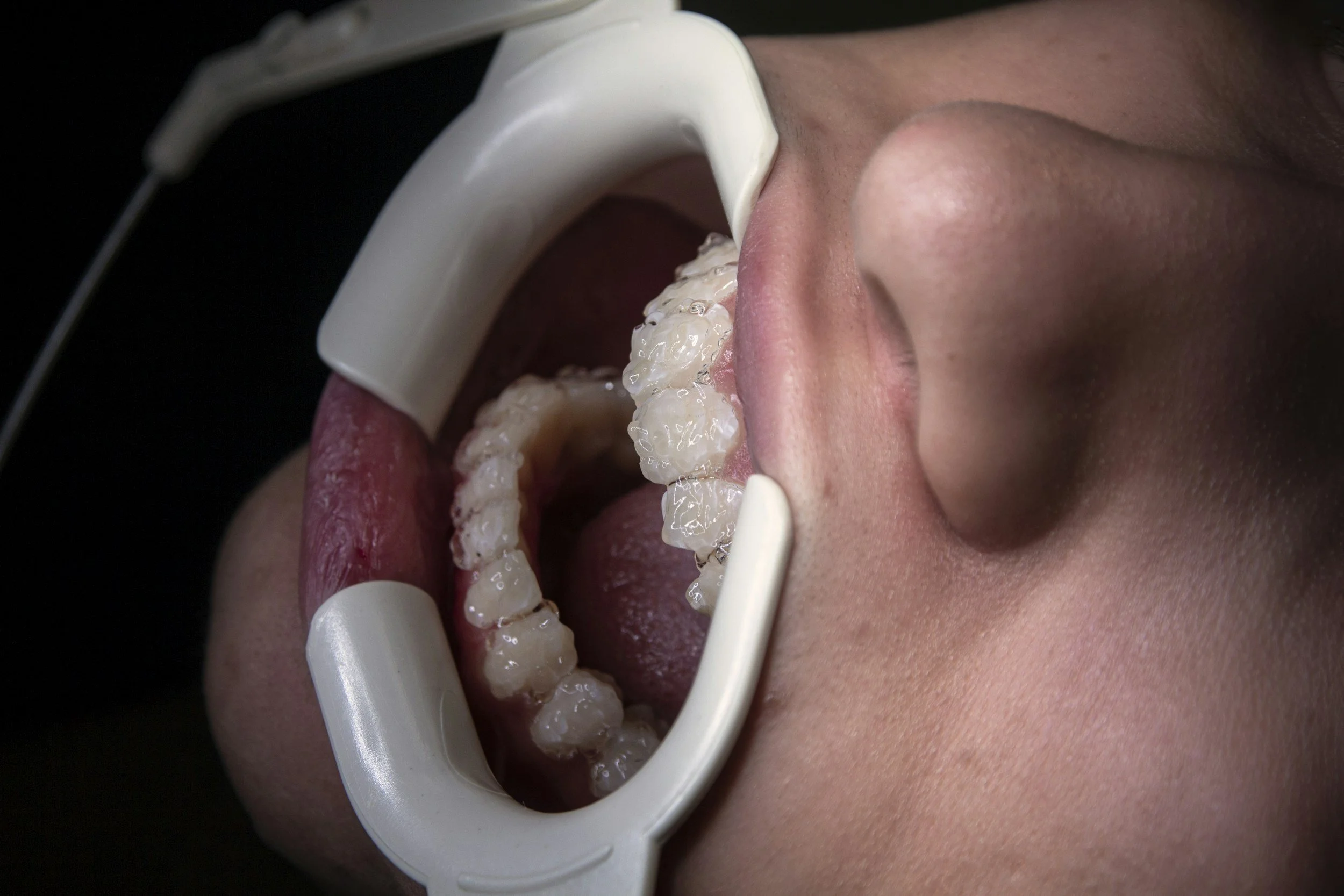
A dental abscess occurs when bacteria infect the pulp inside the tooth or the gum tissue near it. The body responds by forming a painful pocket of pus. Abscesses cause some of the worst toothaches because the infection puts pressure on the nerve and surrounding tissues.
Symptoms include:
Severe, throbbing pain
Swelling in the face or gums
Fever
Bad taste due to pus drainage
This condition requires urgent dental care. Ignoring an abscess can lead to widespread infection, affecting other parts of the body.
5. Worn Enamel or Exposed Dentin
Enamel erosion can happen due to:
Acidic foods and drinks
Acid reflux
Overbrushing
Teeth grinding
When enamel thins, the underlying dentin becomes exposed. Dentin contains tiny tubules that lead directly to the nerve, making the tooth extremely sensitive.
You may feel:
Sharp pain when drinking cold water
Sensitivity to sour or sweet foods
A sudden zing-like sensation
6. Impacted Wisdom Teeth
Wisdom teeth often grow in at awkward angles or become trapped under the gums, causing pressure and pain in the back of the mouth. When they push against surrounding teeth, it can result in swelling, inflammation, and even infection.
Typical symptoms include:
Jaw pain
Difficulty opening the mouth
Swollen gums
Popping or stiffness near the jaw joint
7. Sinus Infections
Sometimes, a toothache isn’t dental at all. A sinus infection can create pressure in the upper jaw, making it feel like your molars are aching. The roots of upper teeth lie very close to the sinuses, so inflammation there can easily mimic tooth pain.
If you notice tooth pain along with congestion, headaches, or facial pressure, sinus issues may be the cause.
When Should You See a Dentist?
While a toothache may come and go, persistent or severe pain should never be ignored. Visit a dentist if:
Pain lasts more than 24–48 hours
You notice swelling
You have a fever
There is pus or a bad taste in your mouth
You experience difficulty chewing
Early treatment can prevent serious complications and save your tooth.
Final Thoughts
Toothaches happen for a variety of reasons—some simple, some serious. From cavities and gum disease to fractures and infections, each cause requires a different type of treatment. While home remedies may bring temporary relief, the only long-term solution is identifying and addressing the root cause. Understanding why toothaches happen empowers you to take better care of your oral health and seek professional help before problems worsen.
HOW DO YOU FEEL ABOUT FASHION?
COMMENT OR TAKE OUR PAGE READER SURVEY
Featured





Mix-and-match bridesmaids dresses have moved far beyond a passing trend and into the mainstream of modern wedding design.