
10 Common Jewelry Symbols and Their Meaning
PAGE
By PAGE Editor
Jewelry has long been more than a mere adornment; it reflects personal beliefs, cultural heritage, and individual stories. From ancient civilizations to modern designers, symbolic motifs have been woven into rings, pendants, bracelets, and more, serving as personal talismans, spiritual emblems, and heritage expressions. Whether you're wearing a symbol of protection, love, or eternal life, understanding the deeper meaning behind a piece can transform it from an accessory into a story you carry with you.
1. Claddagh Ring
Originating in the 17th century from the Irish village of Claddagh, this iconic ring design features two hands holding a crowned heart. It was traditionally used as a symbol of engagement or marriage and was often passed down through generations. The Claddagh’s hands signify friendship, the heart represents love, and the crown stands for loyalty, making it a powerful emblem of lasting relationships. Worn differently depending on relationship status, the Claddagh is as rich in meaning as heritage.
2. Celtic Knot
The Celtic knot, also known as the endless knot, is found in ancient Irish manuscripts, stone carvings, and metalwork dating back to the 8th century. Its unbroken, looping lines symbolize eternity, whether in love, faith, or life itself. For the Celts, the knot’s infinite path represented both the physical and spiritual journey, and it remains a favorite in jewelry for those seeking a lasting connection and timeless design.
Commonly found on Celtic knot rings, necklace pendants, or earrings, this symbol can be especially powerful when given to a significant other, a close friend, or a family member as a gesture of deep emotional connection. Whether marking an anniversary, a meaningful milestone, or simply expressing appreciation, it is a lasting reminder of love, loyalty, and the unspoken bond shared between giver and receiver.
3. Tree of Life
The Tree of Life is a sacred symbol across many ancient cultures, but it holds particular significance in Celtic lore. It represents strength, rebirth, and connection to the natural world. Druids believed trees were ancestors and gateways to other realms. The roots symbolize grounding, the trunk stability, and the branches aspiration, making it a beautiful metaphor for growth and interconnectedness in one’s life journey.
4. Trinity Knot (Triquetra)
The Trinity Knot, dating back to pre-Christian times, was adopted by early Celtic Christians as a symbol of the Holy Trinity. However, even before this, it symbolized triads in nature and life: earth, sea, sky, and birth, death, and rebirth. Its elegant design and deep-rooted significance make it a meaningful symbol for those seeking spiritual connection, unity, or balance.
5. Ankh
The ankh, one of the oldest known symbols, comes from ancient Egypt and is often seen in the hands of pharaohs and deities in tomb paintings and carvings. Known as the “key of life,” it represents eternal life and divine protection. It is still worn as a talisman for vitality, spiritual strength, and connection to the ancient wisdom of humanity’s oldest civilizations.
The ankh’s looped top symbolizes the sun rising on the horizon, an emblem of renewal and the endless cycle of life. Some scholars also interpret it as combining masculine and feminine principles, representing balance and creation. Over the centuries, the ankh has been adopted across cultures and belief systems as a symbol of physical immortality and a representation of spiritual awakening and inner harmony. When worn in jewelry, it serves as a reminder to honor life, embrace its sacredness, and seek deeper truths beyond the material world.
6. Hamsa Hand
The Hamsa hand, recognizable by its five fingers and central eye, dates back to ancient Mesopotamia. It is believed to protect the wearer from the “evil eye”—a malevolent glare that can cause harm. Popular across Jewish, Christian, and Islamic traditions, the Hamsa symbolizes divine protection, blessings, and strength. In jewelry, it’s a powerful charm for those seeking peace, security, and spiritual guidance.
7. Evil Eye
The Evil Eye motif, often seen as a vivid blue eye, symbolizes spiritual defense across Mediterranean and Middle Eastern cultures. It’s believed to reflect or absorb ill will cast by others. Traditionally worn to protect against envy, harm, or misfortune, the Evil Eye has become a beloved symbol of awareness, spiritual clarity, and energy shielding—perfect for those seeking serenity in a chaotic world.
8. Infinity Symbol
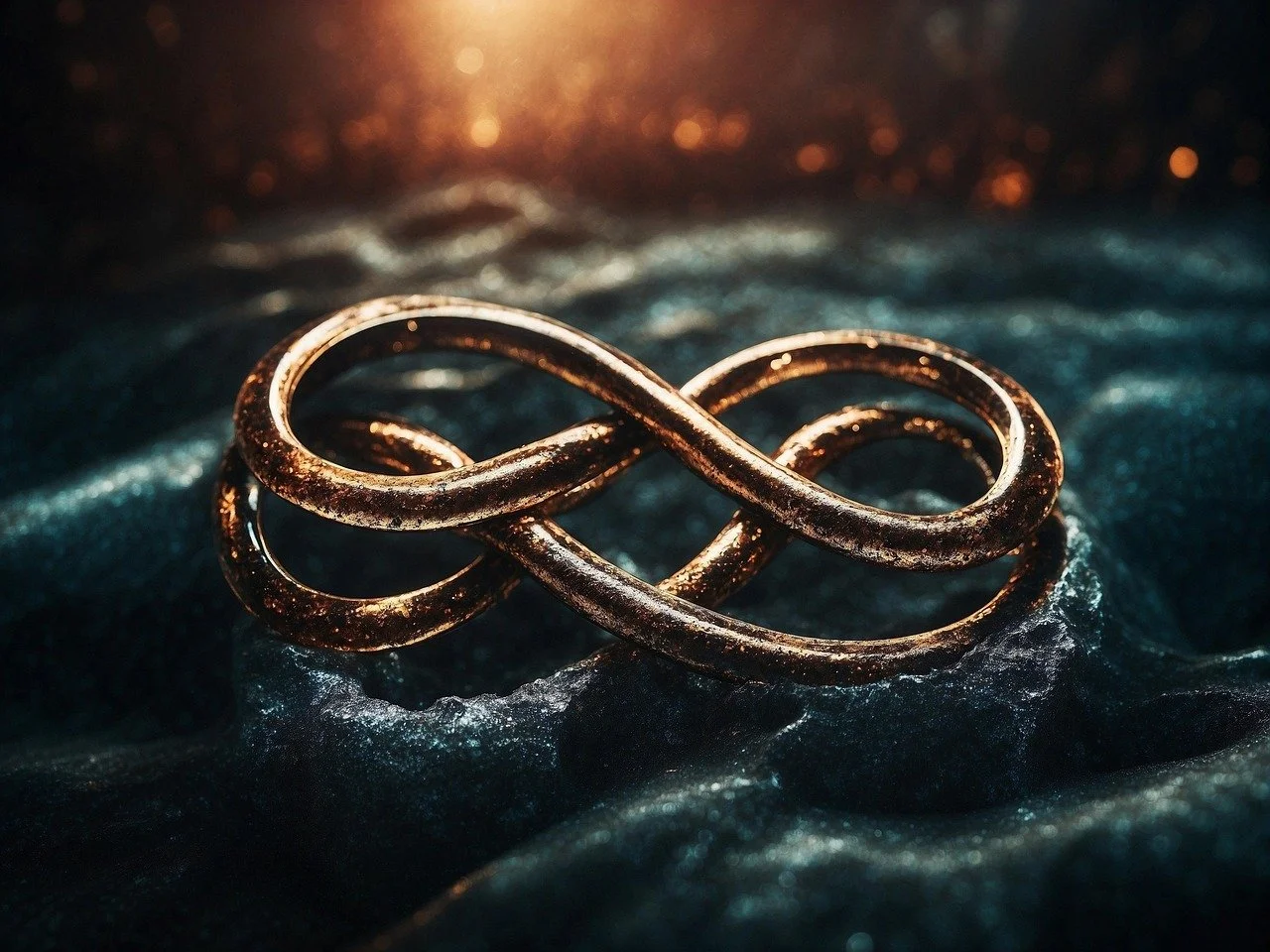
Though modern in appearance, the infinity symbol has ancient roots, often associated with the concept of the ouroboros, a serpent eating its tail. The sideways figure-eight represents endless possibilities, love without limits, and continuity. It’s a favorite among couples, friends, and family members looking to express unbreakable bonds and forever commitments through jewelry.
9. Heart
The heart has been a symbol of love and emotion since the Middle Ages. While its iconic shape may not perfectly mirror a real human heart, it has come to represent the emotional center of a person. Heart-shaped jewelry symbolizes affection, compassion, and a deep emotional connection. Whether gifted romantically or platonically, it remains one of the most enduring ways to say, “I care.”
10. Star
Stars have always guided travelers and dreamers alike. In Celtic mythology, stars represented divine guidance and were sometimes linked to the Otherworld. Stars in jewelry can stand for direction, inspiration, and a connection to the heavens. Whether worn as a sign of hope or a reminder to follow one's true path, stars inspire us to shine brightly and stay true to ourselves.
Symbolic jewelry resonates because it blends beauty with meaning. Each symbol carries a legacy, whether passed down through generations or chosen for personal reasons. A ring may speak of eternal love; a pendant might offer protection or guidance. These pieces often become heirlooms, gifted with intention and worn with pride. In times of celebration or hardship, symbolic jewelry serves as a quiet source of strength and identity, reminding the wearer of what truly matters.
Bringing Symbolism to Life
Exploring the history and meaning behind these time-honored symbols can offer a deeper appreciation for the jewelry you choose to wear or gift. Whether inspired by ancient traditions, spiritual beliefs, or personal milestones, these powerful icons continue to connect people across time and cultures. When you wear a piece imbued with meaning, you're not just adding to your style; you’re honoring a story, embracing a value, or carrying forward a piece of the past.
HOW DO YOU FEEL ABOUT FASHION?
COMMENT OR TAKE OUR PAGE READER SURVEY
Featured




Natalie De’Banco, Amy Green, and Black Coffee transformed Aspen into a nexus of fashion, music, and philanthropy, demonstrating how cultural influence can be leveraged to drive meaningful global impact.