
7 Practical Tips for Dressing More Sustainably
PAGE
By PAGE Editor
The fashion industry comes with a serious environmental cost. Fast fashion has fueled the amount of textile waste we generate, contributing also to water pollution and carbon emissions. Globally, over 92 million tons of textile waste are produced every year, much of it barely even worn before ending up in the bin.
But the good news is that even the small changes, like buying less and reusing more, can make a difference. Here are some practical tips on how to start your journey toward a more sustainable wardrobe.
Shop secondhand
The most obvious answer to dressing more sustainably is to shop secondhand. Whether you’re more into rummaging through charity shops or browsing perfectly curated vintage boutiques, there’s something out there for everyone. You can also try swapping clothes with your friends or check out secondhand apps like Depop.
And the best part? You can discover many hidden gems among pre-loved clothing and elevate your personal style with unique pieces, while helping the environment at the same time. With every secondhand purchase, the demand for new production gets smaller, which means less water use, less carbon emissions, and less clothes at landfills.
Buy from sustainable brands
If you feel like thrifting is not for you, but you still want to steer clear of fast fashion, there are plenty of sustainable brands out there worth checking out. These companies put ethical production and environmentally friendly materials at the forefront, so by buying from them, you invest in high-quality items that are made to last.
Of course, this is also reflected in their price, which is a lot higher than you’d find in fast fashion stores. But if you take proper care of them, these clothes might last you a lifetime, saving you a big sum of money in the long run.
Wear what you already own
Even though buying new clothes can be as addictive as playing a casino game, the best thing you can do to be more sustainable is to simply buy less. Overconsumption is harmful, even if you buy secondhand, because it still wastes resources and fosters the mindset that clothes are easily disposable.
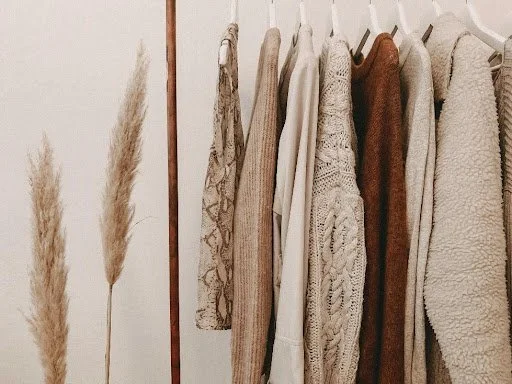
Before you go shopping, take a good look at your wardrobe. Chances are, you already have more than enough to work with. Get creative and try styling the pieces you already own in new ways. You might be surprised by how many different outfits you come up with!
Prioritize natural fabrics
Part of the journey toward sustainability is choosing garments made from natural fabrics, such as cotton, linen, silk, cashmere, or wool. They carry many benefits for both you and the planet—apart from being comfortable and breathable, they are also biodegradable and compostable, meaning that they won’t lie around on a landfill for centuries like synthetic fabrics. They are also very durable, so take good care of them and they will last you for years to come.
Take care of your clothes
One of the cornerstones of a sustainable wardrobe is taking proper care of your clothes, so they can last you in a good condition for as long as possible. This includes, for example, following the instructions on care labels and washing only when truly necessary. As a result, you’ll buy fewer new clothes, reducing your contribution to fashion waste.
Repair what’s broken
Be honest—what do you do when your shirt rips or a button pops off? In the past, clothing was more expensive, and it was common for people to repair it. But with the rise of fast fashion and throwaway culture, many of us have gotten used to tossing damaged items into the bin without blinking an eye. The sad truth is that we even use it as an excuse to buy something new to replace it with.

But it doesn’t have to be that way. Learning a few basic sewing skills to repair your clothes or taking them to a tailor to do it for you will reduce your waste and extend the life of garments that might otherwise end up in a landfill.
Give clothes a new purpose
What about the pieces that are beyond repair? Don’t toss them just yet. You can give them a second life by turning them into something new. Upcycling is a fun and creative way to reduce waste and give a new purpose to your old clothes. And if you’re not very crafty, you can at least turn your old T-shirts into cleaning rags or drop worn-out clothes at textile recycling points.
And for items that are still in good shape but are just lying in your closet, it’s time to let them go to someone who will actually wear them. You can donate them to charity shops, pass them along to friends or family, or sell them through secondhand platforms.
HOW DO YOU FEEL ABOUT FASHION?
COMMENT OR TAKE OUR PAGE READER SURVEY
Featured





When investing in quartz countertops, choosing the right warranty and care package is just as important as selecting the color and finish.