
9 Factors to Consider for Virtual Try-On
PAGE
By PAGE Editor
Virtual try-on is changing how people shop online. It helps shoppers see clothes, shoes, or accessories in a more real and clear way—without going to a store. But before adding virtual try-on to our shop, we need to look at a few important things. Here are 9 simple factors we always check to make sure the tool helps our store grow, not fail.
1. How Real the Model Looks
The first thing we look at is how real the model looks. If the model looks fake or strange, shoppers won’t trust it. A good AI virtual try-on tool should make the model look natural, clean, and close to real life. The colors should match, and the fitting should feel right. When shoppers trust the look, they trust the item—and they trust us.

2. The 360° View
A strong virtual try-on tool lets shoppers turn the model around. They can see the front, back, and sides. This helps them check how the item fits and how it looks from all angles. With only one flat photo, people guess. With a 360° view, shoppers feel sure. When people feel sure, they buy.
3. How Easy Is the Tool to Use
If the try-on tool is too hard to load or too confusing to click, shoppers will quit. We always choose a simple tool like Pic Copilot. Upload, generating, download. No long steps. When tools are easy, shoppers stay longer, look more, and buy more. Simple wins.
4. How Fast It Loads
Speed matters. If the model takes too long to load, shoppers will leave. We need a tool that feels fast and smooth, even on a phone. A slow website hurts sales. A fast virtual try-on keeps the shopper happy and curious. It makes the whole shopping experience feel better.
5. Different Model Options
Not every shopper looks the same. Different sizes and body types help people feel seen. When a try-on tool lets us pick different models or poses, shoppers can match what they see with what they want. It helps them picture the item on themselves. More model options = more trust.
6. How True the Colors Are
Good virtual try-on must show real colors. If the red shirt looks orange or the black dress looks gray, we will get returns. Shoppers hate surprises. We want the colors to stay true under good lighting and from all angles. When colors match the real item, shoppers feel confident. That means fewer returns and more happy customers.
7. How Well the Fit Shows
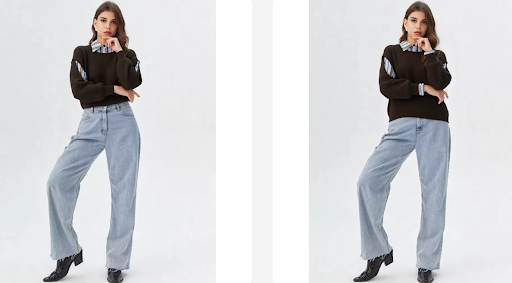
Even though virtual try-on is not perfect, it should still show how the item sits on the body—tight, loose, long, short. A clear fit helps shoppers understand the size. Many people return clothes because the size “felt different.” A better fit view helps them decide the right size before buying.
8. How the Tool Works With Our Website
We also look at how the try-on tool fits into our shop. Does it work on mobile? Does it slow down the page? Does it match our layout? A good tool blends into the website like it belongs there. It doesn’t break anything. It doesn’t confuse shoppers. It should help the page look more modern, not messy.
9. Cost and Value
Some tools are too expensive with lots of features we don’t need. Some are cheap but don’t work well. We want something that fits our budget and still gives us value. We look at the return rate, shopper time on page, and click-to-buy rate. If the tool brings in more sales than it costs, then it’s worth it. Even small shops can win when they pick the right tool.
Why These Factors Matter?
Virtual try-on is not just a fun feature. It can help us make more sales, build trust, and reduce returns. But only when we choose the right tool. A weak tool will make shoppers less confident. A strong one will make them feel like they are in a real store.
When shoppers can spin the model, see clear colors, choose poses, and understand the fit, they feel safe buying from us. This is how we build long-term trust—one clear, real view at a time.
Final Thoughts
Online shopping is getting smarter, and shoppers expect more than flat photos. When we choose the right virtual try-on tool, we give shoppers a better experience. We help them make better choices. And we help our store grow.
If we want to stay ahead, we need tools that are real, fast, simple, and helpful. These nine factors guide us every time we test a new virtual try-on tool. When we pick the right one, we see more clicks, more adds to cart, and more happy customers.
HOW DO YOU FEEL ABOUT FASHION?
COMMENT OR TAKE OUR PAGE READER SURVEY
Featured



Modern wardrobes demand flexibility, and a designer maxi dress delivers exactly that.