
A Tradition That Keeps Giving

PAGE
By PAGE Editor
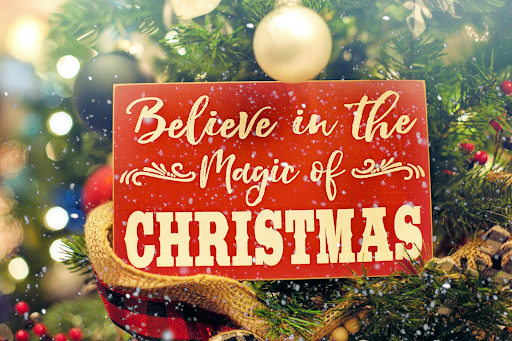
One beloved custom that has endured over time is sending Christmas cards. From elegant e-cards to hand-painted Victorian greetings, the custom of honoring loved ones over the festive season keeps changing. We investigate in this post how holiday cards have evolved over the years—and why they still have emotional and cultural value in the fast-paced modern society.
The rising popularity of construction christmas cards is one contemporary instance of how this custom changes to fit particular sectors. Designed especially for building and construction experts, these cards provide a special approach for businesses to demonstrate gratitude to partners and customers over the holiday season. Their combination of industry significance with festive warmth closes the distance between company and custom.
A View Into the Past
First known Christmas cards originated in Victorian England in 1843. Holiday cards, first a luxury commodity, soon became a common approach for spreading happiness and goodwill. More people could purchase exquisitely drawn cards expressing personal thoughts as printing technology developed, therefore confirming the habit as a holiday staple by the early 20th century.
How Technology Devastated the Custom
Old cards started to lose appeal as email and social media become more common. Many choose quick digital greetings that called for no time-consuming handwriting or postage. Sometimes, though, this ease came at the price of authenticity. Mass-sent messages sometimes lacked the personal touch and warmth of actual cards.
The Renaissance of Modernism
Holiday cards have had a comeback recently, especially among millennials and Gen Z who appreciate real, significant events. Trendy stationery, environmentally responsible printing, and handcrafted card designs abound. Some even use augmented reality tools or print customized photographs to mix digital ease with handcrafted appeal.
Sending Christmas and holiday cards has certain advantages.
Holiday cards still provide special emotional and social advantages even if digital communication is becoming more and more important.
Emotional ties
A handwritten card offers a degree of personal connection not possible from a text or email. Something recipients very value—thought, attention, and effort—showcases here.
2. Respecting Custom
Especially in uncertain or changing times, holiday cards ground us in seasonal traditions that bring comfort and a sense of constancy.
3. Building Real-World Memories
Unlike ephemeral digital messages, cards can be arranged on mantels, fastened to corkboards, or buried in memory boxes, so augmenting holiday décor and memory-making.
4. Building Bonds
Getting a holiday card from a friend, coworker, or relative strengthens relationships and reminds others they are loved and remembered of.
5. Emulating Gratitude and Joy
Cards serve as a vehicle for thanks, introspection, and group celebration—they are not only about wishes.
The Future of Holiday Card Culture
As the world becomes more digital, the value of analog experiences like holiday cards becomes more profound. Sustainable materials, creative personalization, and even digital hybrids (like video-embedded cards or QR codes linking to family holiday reels) are shaping the future. But at their core, holiday cards remain about one thing: human connection.
Sending Christmas and holiday cards links geographies, cultures, and generations. Cards, handwritten or digitally enhanced, remind us to stop, consider, and sincerely congratulate each other. A basic card in a world that moves quickly says: "I thought of you." And maybe that is the best present available.
HOW DO YOU FEEL ABOUT FASHION?
COMMENT OR TAKE OUR PAGE READER SURVEY
Featured




When investing in quartz countertops, choosing the right warranty and care package is just as important as selecting the color and finish.