
Beyond Curb Appeal: Why Roof Installation Should Reflect Your Climate
PAGE
By PAGE Editor
Choosing a roof for your home is more than just a design decision. It’s a practical investment that can significantly affect your home’s durability, energy efficiency, and comfort. In climates with extreme conditions, whether it's the heavy snow of winter, the scorching heat of summer, or the relentless wind and rain of spring storms, roof installation must go beyond surface aesthetics. Homeowners in regions like East Detroit must prioritize climate compatibility when considering a new roof, and understanding how weather plays into roofing decisions is critical to protecting your property and your wallet.
Roof installation that doesn't account for the local climate often leads to early wear, costly repairs, and inefficient temperature regulation. While homeowners may be tempted to choose materials based on price or appearance alone, the long-term cost of such choices can be steep. The reality is that your roof is your first line of defense against the elements—and it's one of the most important structural components of your house.
Material Matters: Choosing for Weather Resistance
The type of material used during roof installation plays a fundamental role in how well your roof stands up to local weather. In cold climates, asphalt shingles are popular for their affordability and performance, but they must be properly rated for wind and snow loads. In hotter areas, metal roofing can help reflect solar heat and reduce cooling costs. Slate and clay tiles may be suitable for dry climates but might not be ideal in regions where freeze-thaw cycles are common.
For East Detroit homeowners, where winters are cold and snowy and summers are hot and humid, a balanced choice is often necessary. Composite shingles and specially-treated asphalt options can offer durability and insulation without overwhelming your budget. It's essential to ask about the material’s R-value (its insulation capacity), water resistance, and manufacturer warranties before finalizing the decision.
Installation Techniques Make a Difference
Equally important as the roofing material is the quality of the installation itself. Even the most advanced roofing materials can underperform if they aren’t installed correctly. Sealing, flashing, ventilation, and underlayment all contribute to a roof’s overall effectiveness in standing up to the local climate. Improper sealing, for example, can allow water infiltration, leading to mold growth or interior water damage. In snowy regions, poorly ventilated roofs are more likely to experience ice dams—where melting snow refreezes at the roof's edge, potentially causing leaks.
This is why working with a qualified team experienced in local climate conditions is key. Detroit’s Best Choice Roofing understands these regional challenges and ensures each roof installation meets or exceeds building code requirements for insulation, ventilation, and moisture barriers.
Roof Slope and Structure Considerations
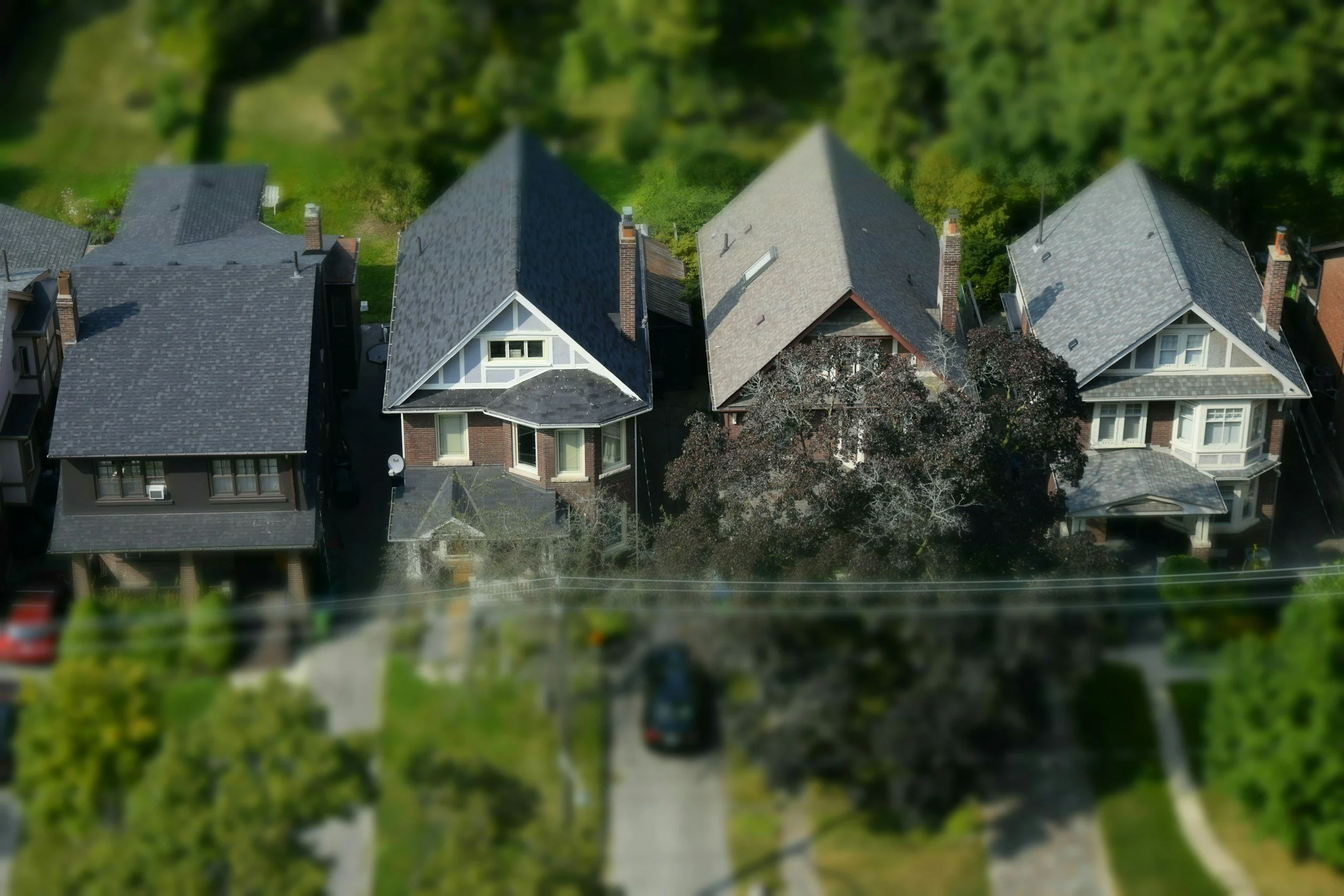
The shape of your roof also plays a key role in how it handles environmental stress. Low-slope or flat roofs may be common in some architectural styles, but they are often not ideal for areas with heavy snow accumulation, where a steeper pitch is necessary to shed snow and prevent structural overload. Similarly, homes in storm-prone areas might benefit from roof shapes that resist wind uplift and minimize potential storm damage.
In East Detroit, where snow accumulation is frequent in the winter months, many roofing professionals recommend slopes that encourage snow runoff while still complementing your home’s style. The structural integrity of your home’s framing must also be assessed before installing a new roof to ensure it can bear the load of both the roofing material and the weight of snow or ice.
Energy Efficiency and Indoor Comfort
A roof that suits your local climate will also contribute to improved energy efficiency. Poorly insulated or mismatched roofs force heating and cooling systems to work harder, which can spike your utility bills and reduce indoor comfort. In warm climates, light-colored, reflective roofs help keep interior temperatures lower by deflecting sunlight. Conversely, darker roofs may help retain warmth during cold months, but if poorly ventilated, they can trap unwanted heat during summer.
Modern roofing technology offers a wide variety of "cool roofing" options, even for traditionally darker materials. Look for Energy Star-rated shingles or coatings that meet both aesthetic and environmental performance goals. Efficient roofing can even contribute to better indoor air quality by maintaining steady indoor temperatures and reducing humidity buildup.
Environmental Impact and Longevity
Choosing a roof that complements your climate can also reduce your environmental footprint. When a roof fails early due to weather-related wear and tear, it often ends up in a landfill. Materials that last longer and require fewer replacements or repairs help reduce waste and preserve natural resources. Metal roofing, for instance, is both recyclable and long-lasting, making it a great option in areas prone to storms or extreme temperature fluctuations.
The average lifespan of a roof is highly dependent on the climate. While a roof might last 30 years in a mild, dry area, the same material might only hold up for 15–20 years in harsher weather. Investing in materials and installation techniques tailored to your local environment ensures you're getting the most out of your investment.
Maintenance Tailored to Climate
Even after a new roof installation, maintenance practices should align with the environment. Seasonal inspections help detect small issues before they become big problems. For homes in areas with seasonal transitions like East Detroit, biannual inspections—especially after winter and at the end of summer—can catch wear from snow, ice, or sun exposure.
Cleaning gutters, trimming back overhanging tree branches, and ensuring adequate attic insulation are also key in prolonging roof life. Roofing systems that are supported by routine maintenance tend to last significantly longer and perform better throughout their life cycle.
Final Thoughts
A successful roof installation isn’t just about shingles or flashing—it’s about understanding how all these elements work together in harmony with your local climate. Whether you're looking to reduce your energy bills, protect your home from the elements, or ensure a strong return on investment, factoring in climate considerations is essential.
By making informed choices, you’re not only securing your home—you’re also optimizing its long-term performance and sustainability. Best Choice Roofing of East Detroit helps homeowners navigate this process by offering insight rooted in local experience and technical precision.
HOW DO YOU FEEL ABOUT FASHION?
COMMENT OR TAKE OUR PAGE READER SURVEY
Featured


When investing in quartz countertops, choosing the right warranty and care package is just as important as selecting the color and finish.