
Building a Pest-Free Home: Strategies for Lasting Protection
PAGE
By PAGE Editor
Introduction
A home is more than just walls and a roof — it’s the space where comfort, security, and peace of mind come together. Yet even the most well-kept house can become a target for pests if the right precautions aren’t taken. Rodents, spiders, ants, and other unwanted guests are constantly looking for opportunities to enter, searching for food, water, and shelter.
The challenge is that many infestations start silently. By the time you notice a problem, it has often been developing for weeks or even months. That’s why the most effective pest control is proactive, not reactive. It’s about stopping pests before they gain a foothold, rather than trying to remove them after they’ve moved in.
With professional help from Habitat Pest & Lawn and a set of consistent habits, homeowners can create an environment where pests simply can’t thrive. This article explores proven strategies to keep your property protected year-round — from the kitchen to the attic, and the yard to the foundation.
Understanding Why Pests Target Homes
Pests don’t wander into a home by chance — they follow specific cues that signal food or shelter. Rodents are drawn to warmth, nesting materials, and accessible food sources. Spiders seek out areas where other insects are plentiful. Ants can detect even the smallest food crumbs from surprising distances.
Understanding these motivations is the first step toward prevention. Every measure you take should address at least one of these basic needs:
Food: Unsealed groceries, crumbs, and open trash.
Water: Leaks, standing water, and damp areas.
Shelter: Clutter, cracks, and hidden gaps in walls or foundations.
When these attractants are eliminated or minimized, pests lose much of their reason to invade.
The Foundation of Pest Control: Prevention
The most successful pest control plans begin with prevention. This means making your home less appealing to pests in the first place, both inside and out.
Outdoor Prevention Measures
Seal Entry Points: Inspect foundations, siding, and rooflines for cracks or gaps. Use caulk or weatherstripping to seal them.
Manage Landscaping: Keep shrubs and trees trimmed back from the house, and avoid overgrown vegetation near the foundation.
Eliminate Standing Water: Repair leaky faucets, ensure gutters drain properly, and store items like buckets or planters upside-down to prevent water collection.
Store Firewood Properly: Keep it stacked at least 20 feet from the house to reduce rodent and insect shelter opportunities.
Indoor Prevention Measures
Proper Food Storage: Keep all food in airtight containers, including pet food.
Regular Cleaning: Vacuum crumbs, wipe down counters, and avoid leaving dirty dishes overnight.
Declutter: Store seasonal items in sealed bins rather than cardboard boxes, which can be chewed or used for nesting.
Monitor Moisture Levels: Use dehumidifiers in damp spaces like basements to deter pests that thrive in humid environments.
Rodent Control: Stopping Damage Before It Starts
Rodents are among the most damaging household pests, capable of chewing through wiring, insulation, and even structural wood. They can also carry diseases that pose serious health risks.
Signs of a Rodent Problem
Droppings near food or along walls
Gnaw marks on wood, plastic, or wires
Nesting materials like shredded paper or fabric
Scratching or scurrying sounds, especially at night
Effective Rodent Control Strategies
Seal Gaps: Rodents can squeeze through openings as small as a quarter inch. Inspect around pipes, vents, and utility lines.
Remove Outdoor Attractants: Keep trash bins sealed, bird feeders managed, and yard debris cleared.
Use Traps Wisely: Strategic trap placement can help catch intruders before they reproduce.
Partner with Professionals: Habitat Pest & Lawn offers long-term rodent control plans that target infestations at the source and prevent re-entry.
Spider Control: Cutting Off the Food Supply
While many spiders are harmless, their webs and presence can still cause concern for homeowners. More importantly, spiders are often a sign of another pest problem — they go where their food (other insects) is plentiful.
Reducing Spider Activity
Address Insect Populations: Fewer insects mean fewer spiders.
Adjust Lighting: Outdoor lights that attract fewer bugs will naturally reduce spider activity.
Declutter Storage Areas: Spiders love dark, undisturbed corners in garages, basements, and attics.
Seal Cracks and Gaps: Prevent entry through windows, doors, and utility openings.
Habitat Pest & Lawn uses targeted spider control methods that not only remove existing webs but also make your home less appealing to future infestations.
The Role of Seasonal Pest Control
Pest activity changes with the seasons. A strong year-round plan accounts for these cycles:
Spring: Insects emerge, and rodents become active — seal entry points and address early signs.
Summer: Insects breed rapidly; ongoing treatments keep populations in check.
Fall: Rodents seek warmth indoors — rodent control becomes a priority.
Winter: Pests hide in walls and storage areas — inspections are crucial.
By anticipating these patterns, you can take the right action at the right time, rather than scrambling after problems appear.
Professional Support: Why DIY Isn’t Always Enough
While home remedies and store-bought sprays can address small issues, they rarely provide lasting protection. Many pests hide in areas you can’t easily reach, and some reproduce too quickly for DIY methods to keep up.
Habitat Pest & Lawn offers a comprehensive approach that combines inspections, targeted treatments, and preventative measures. Their knowledge of local pest behavior means your home’s protection is tailored to the specific challenges in your area.
Conclusion
A pest-free home doesn’t happen by accident — it’s the result of consistent, intentional actions. By combining preventative maintenance with professional pest control, effective rodent control, and strategic spider control, you can protect your home’s comfort, safety, and value.
Habitat Pest & Lawn helps homeowners create a long-term defense system that works in every season. With the right plan in place, pests don’t just stay away — they never get the chance to move in.
HOW DO YOU FEEL ABOUT FASHION?
COMMENT OR TAKE OUR PAGE READER SURVEY
Featured

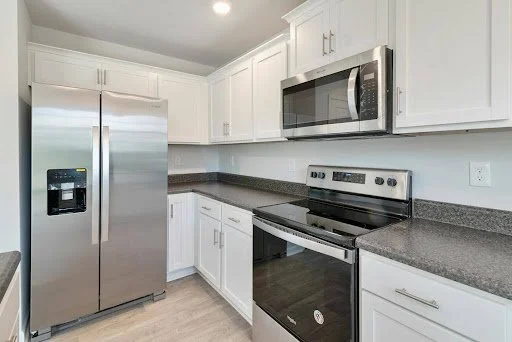



When investing in quartz countertops, choosing the right warranty and care package is just as important as selecting the color and finish.