
Creative Applications of Temporary Modular Walls
PAGE
By PAGE Editor
Modular walls are now a hallmark of design convenience in the modern age, shaping without bonding. While commonly associated with museums and exhibitions, they are now part of a wide variety of uses in offices, homes, and companies. With their adaptability and ease of placement, they are the ideal solution when a conventional solution is unavailable or undesirable. Let’s explore how these marvelous walls are establishing interior space in innovative and utilitarian terms.
Not For Galleries Only: How Temporary Walls Come in Handy
The world of art has always had a need for modular wall panels to convert big, empty spaces into intricately planned display spaces. The applications, however, go a very long way beyond art galleries:
Offices: Temporary walls are an astute way of creating meeting spaces, focus pods, or private areas in open-plan offices. They allow businesses to reorganize space based on changing team sizes or positions.
Home Interiors: Inside the house, modular walls are increasingly being used to divide lofts, establish guest bedrooms, or conceal storage areas. They're especially convenient in rentals where permanent changes aren't permitted.
Events and Pop-ups: Retail pop-ups, trade shows, and temporary installations take advantage of the convenience of a modular wall system that's easy to assemble and disassemble without damaging the event venue.
These partitions are accompanied by an element of flexibility that regular walls can simply not match.
Providing Functionality and Looks
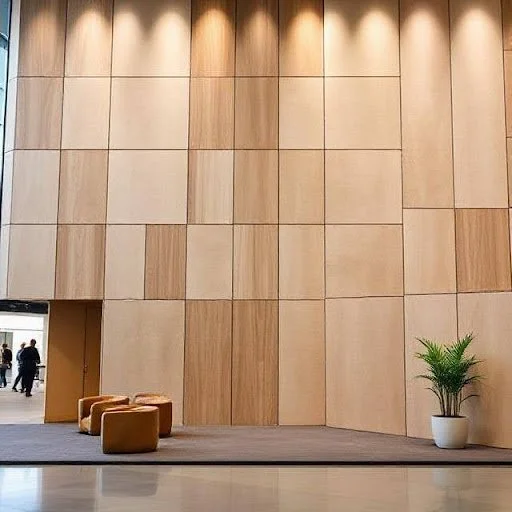
Beyond simple space division, Australia's demountable walls are frequently selected for their ability to marry function and aesthetics. Finish, height, and texture can be chosen by designers to match the surrounding decor. In upscale office spaces or contemporary houses, modular walls provide form without compromising openness or light. Their recyclability also attracts green clients who are looking for more sustainable building options.
They may even have acoustic insulation, which ensures privacy and sound control. They are especially useful for open areas like coworking offices or multifunctional living rooms. The modular nature of the wall system also makes it possible to reconfigure walls as needs change—something drywall systems are not capable of.
Flexibility that Supports Change
One of the best features of temporary walls in Australia is that they can develop and grow. If businesses grow or accommodations are reconfigured, these walls can be shifted out, built upon, or even removed. This is beneficial to both residents and business owners in that it makes it possible to test out space without having to make long-term changes.
Schools and hospitals have begun incorporating modular walls as they are easily built to serve a number of purposes—a temporary classroom or a multi-use patient care space. Having the least disruption to the current infrastructure makes it more appealing, especially in heritage-listed structures where changes can be restricted permanently.
A Smart Investment in Versatility
Whether you are an entrepreneur launching a business, a museum curator, or just someone who wishes to reimagine a space, temporary walls in Australia are the bright, flexible solution. Their design-centric purpose and structure versatility are more highly sought after, as space itself is more variable and multi-use.
Ultimately, modular walls are not partitions—they're tools of innovation that adapt to the fluid manner in which we work, live, and interact with space.
HOW DO YOU FEEL ABOUT FASHION?
COMMENT OR TAKE OUR PAGE READER SURVEY
Featured

When investing in quartz countertops, choosing the right warranty and care package is just as important as selecting the color and finish.