
From BIM to Digital Twins: Simulating Work Sequencing to Prevent Incidents Before They Happen
PAGE
By PAGE Editor
Construction teams are moving beyond static drawings to dynamic models that can forecast risk before crews step on site. Menotti Enterprise works with project owners and contractors to turn Building Information Modeling into living digital twins that test sequences, spot clashes, and surface hazards early—so the plan you build is the plan that protects.
The difference is timing. Traditional safety reviews catch problems at pretask meetings or during walk-throughs; digital twins reveal them weeks earlier, when changing a crane swing, adding a tie-off, or resequencing a delivery takes minutes instead of money. By simulating the actual order of work, teams see where people, equipment, and temporary works will collide and how to redesign tasks to keep exposure down.
This approach replaces guesswork with measurable foresight. Instead of debating what might go wrong, you watch it unfold inside a time-linked model, adjust the sequence, and verify the safer path—then hand crews a plan that’s already been stress-tested.
BIM vs. Digital Twins: What Changes for Safety
BIM is the geometry and metadata of your permanent works; a digital twin adds time, behavior, and live updates from the field. For safety, that shift is huge.
Time-aware models
Attach schedule data to model elements (4D) so you can play the job like a movie. Watch when floor openings appear, when guardrails must move, and where trades overlap. Time makes hazards visible.
Behavior and rules
Encode simple safety logic: fall protection required at edges over a set height, exclusion zones for lifts, egress widths during temporary wall phases. As you advance the timeline, rules flag noncompliance.
Field feedback
Sync issue logs and photos from the site. When crews relocate a stair tower or adjust scaffold heights, the twin updates, keeping your simulations honest and your next forecast accurate.
Sequencing Safety: Where the Twin Pays Off Fast
Digital twins don’t need to model everything to pay dividends. Start with high-risk, high-change activities where small adjustments cut big exposure.
Temporary edge protection and floor openings
In the time sequence, tag when slabs are poured, when penetrations open, and when MEP installers arrive. The model shows the exact hours where edges will be exposed without barriers—then lets you overlay guardrail installs and covers to maintain continuity.
Crane and hoist logistics
Place lift paths, swing radii, and laydown zones in 4D. As deliveries arrive in the sequence, verify that exclusion zones and pedestrian routes remain intact. Adjust delivery windows or hoist schedules in the twin instead of juggling in the street.
Scaffold and formwork phasing
Simulate assembly, inspection, and strike. Color-code decks by status to ensure nobody works beneath unapproved areas. Use the twin to plan access routes that never block egress.
Interior transitions and egress
During partition build-out, run egress simulations to protect travel widths and exit illumination. The model catches pinch points that look fine on paper but fail when carts and pallets enter the picture.
Building a Safety-Ready Digital Twin in Four Steps
You don’t need a year-long digital transformation. A focused safety twin can be built alongside preconstruction and tuned during early phases.
1) Define the questions
Pick five safety questions the model must answer, such as: Where will fall exposure exist more than 24 hours? Do planned deliveries violate exclusion zones? Will temporary walls reduce egress below code at any point? Clear questions prevent model bloat.
2) Curate inputs that matter
Use discipline models at the level of detail needed to answer those questions. Add the latest schedule, the site logistics plan, and your safety ruleset (thresholds, zones, required controls). Skip ornamental detail that slows the system without adding insight.
3) Link time and logic
Bind schedule activities to model elements and encode simple rules. For example, if a slab edge exists and a work task is scheduled within a set distance, the model requires guardrail or a travel-restraint method; flag if missing.
4) Run, review, revise
Hold weekly simulation reviews with operations, safety, and key subs. Advance the timeline, log conflicts, and approve fixes in the model. Push a one-page “Safety Sequence Snapshot” to crews: what changes, why it’s safer, and who owns the move.
For teams looking to stand this up quickly with practical field integration, guidance from partners like Menotti Enterprise can compress the learning curve and align modeling to on-the-ground realities found at https://menottienterprise.com/.
Practical Use Cases That Win Buy-In
Adoption sticks when the twin solves problems crews care about immediately.
Pre-lift validations
Run a simulation of critical picks with rigging geometry, wind buffers, and ground conditions. Verify barricades and spotter locations before the lift day. Share annotated stills at the lift plan review.
Phase-specific PPE and access
As tasks shift between dusty demolition and spark-producing installs, the model prompts PPE changes and directs access routes away from hot work. Crews see the “why” in a frame-by-frame view.
Housekeeping and material staging
Overlays of pallets, carts, and toolboxes in tight areas show where housekeeping standards will fail. Move storage two bays over in the twin; avoid a week of stepped-on cords and blocked paths.
Storm and outage scenarios
Advance the model into a storm response state: which openings need covers, which pumps need backup power, how to secure materials. When weather hits, your plan is already rehearsed.
Data In, Value Out: Sensors and Site Feedback
A digital twin gets smarter with light field data—just enough to ground assumptions.
Simple counts beat perfection
Use turnstile counts, hoist logs, or delivery scans to confirm actual crew and equipment flows. Align the model to reality without chasing every data point.
Drones and mobile capture
Quick exterior scans update scaffold elevations and roof conditions. Interior 360 photos confirm egress and housekeeping. Tie images to model locations for fast reviews.
Issue loops
Push field-found issues into the twin, tagged by time and place. As you replay the sequence later, verify that fixes stay fixed when the next phase starts.
Measuring Safety Impact You Can Defend
The point is prevention. Track leading indicators the twin should improve and compare against baselines.
Exposure hours avoided
How many hours of work at height, under suspended loads, or in congested zones did the new sequence eliminate? Convert model-driven resequencing into exposure reductions.
Time-to-mitigate
Measure the days from hazard detection in the simulation to a design or schedule change. A good loop turns weeks into days.
Recurring conflict rate
Count how often the same type of conflict reappears after a fix. If repeats persist, refine rules or ownership, not just the model geometry.
Governance, Access, and Culture
Great tools fail without clarity on who runs them and how decisions stick.
Ownership
Assign a Safety Twin Lead to maintain links, run weekly reviews, and publish snapshots. Tie responsibilities to the schedule, not personalities.
Access tiers
Give planners edit rights, supervisors comment rights, and crews view rights via lightweight viewers. The goal is visibility for many, editing for few.
Decision logs
Record changes approved in the model and post a short rationale. When inspectors or insurers ask why a sequence changed, you have a clean, dated trail.
A 60-Day Rollout Plan That Fits Real Projects
Week 1–2: Pick two high-risk sequences, define questions, and gather models and schedule.
Week 3–4: Build the first 4D linkages and rules, run a pilot simulation, and fix the top three conflicts.
Week 5–6: Add a logistics layer (deliveries, laydown), start weekly reviews, and publish Safety Sequence Snapshots.
Week 7–8: Integrate quick drone/360 updates, measure exposure hours avoided, and decide which additional sequences to model next.
Conclusion
Digital twins move safety upstream, where smart changes are cheap and effective. By simulating the order of work, enforcing simple rules, and feeding real site feedback into the model, teams prevent the conflicts that usually surface under pressure. The result is fewer surprises, clearer handoffs, and safer days for everyone. When guided with purpose and kept lean, this approach turns planning meetings into prevention sessions—and the job flows instead of fights. For organizations ready to align modeling with field reality and lock safety into the sequence itself, Menotti Enterprise helps teams stand up focused twins that deliver measurable reductions in exposure and delay. With disciplined inputs, weekly simulations, and decisive follow-through, you can build the safer plan before you build the work—then finish stronger with Menotti Enterprise.
HOW DO YOU FEEL ABOUT FASHION?
COMMENT OR TAKE OUR PAGE READER SURVEY
Featured
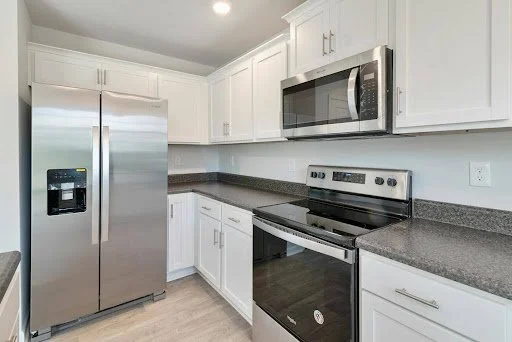



When investing in quartz countertops, choosing the right warranty and care package is just as important as selecting the color and finish.