
From Punk Rock to Runway: How Combat Boots Transformed Fashion
PAGE
By PAGE Editor
Combat boots have long surpassed their military roots, stepping into mainstream fashion and cultural identity. Originally created for performance and durability, they’ve evolved to represent rebellion, individuality, and, more recently, high fashion. Their journey is not only a story of design evolution but also one of symbolism and identity. Across decades and generations, combat boots have proven their staying power in wardrobes worldwide.
From the Streets to the Spotlight
The emergence of combat boots as fashion staples can be traced back to post-war Britain. As army surplus boots became accessible to the working class, they were quickly adopted for their practical advantages. However, they also came to represent something more – resistance to conformity and mainstream culture.
In the 1970s, the punk rock scene solidified its status as anti-establishment footwear. Worn by those rejecting social norms, these boots were rugged, unpolished, and unapologetically bold. Their utilitarian appearance perfectly aligned with the raw energy of punk bands and their audiences.
The industrial town of Northampton played a pivotal role in the rise of a now-iconic brand. Known for its boot-making heritage, it became the manufacturing base for a new type of work boot designed for comfort and resilience. These boots were soon embraced by youth subcultures seeking both function and identity. Anyone looking to channel this spirit of rebellion and durability can now easily buy Dr. Martens at Spartoo, where classic and contemporary styles coexist.
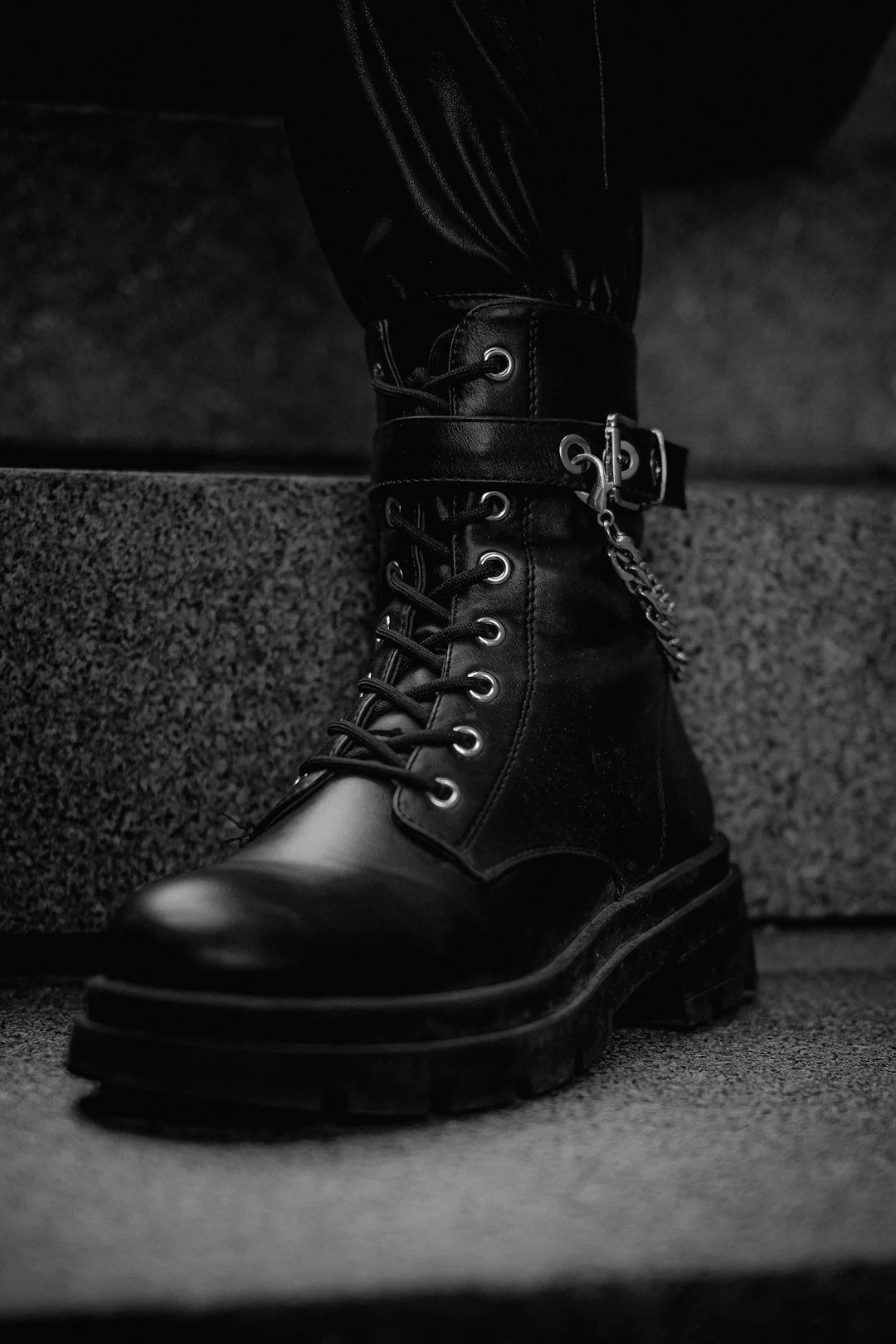
As they crossed over from workwear to fashion symbol, the boots retained their distinctive aesthetic: a thick sole, rounded toe, and high lace-up design. This combination made them instantly recognisable and ideal for making a visual statement.
High Fashion and Designer Influence
Combat boots didn’t remain confined to underground movements. Designers keen on pushing boundaries began incorporating them into fashion collections. These boots provided the perfect contrast to more delicate garments and brought a sense of grounded rebellion to otherwise polished looks.
Throughout the 1980s and 1990s, designers blended edgy, street-style roots with haute couture elements. Runways featured combat boots paired with everything from slinky eveningwear to structured tailoring. The blend of rugged and refined resonated with style leaders and challenged existing norms about what constituted elegance.
Notably, the 1990s saw a surge in popularity as grunge aesthetics gained traction. This trend blurred the lines between messy and manicured, making combat boots the ideal footwear for anyone seeking authenticity over gloss. Designers updated the boots using luxury materials while preserving the original silhouette, allowing them to maintain their identity even in high-end settings.
The genderless nature of combat boots further strengthened their appeal. They became a neutral canvas upon which wearers could project their own sense of style, whether minimal, dramatic, or experimental.
Evolving Design and Ethical Considerations
The original appeal of combat boots was rooted in durability and comfort. Over time, those attributes have been enhanced by innovations in design and materials. Leather construction has evolved, and modern versions now feature lighter, more flexible alternatives that improve ease of wear without sacrificing structure.
Contemporary boots often include padded insoles and ergonomic designs to reduce the discomfort once expected from breaking them in. Many brands have focused on wearability to meet the expectations of today’s consumers who demand both style and practicality.
Eco-conscious production has also gained prominence. Vegan leather alternatives and the use of recycled materials offer options for those seeking sustainable fashion. Brands now promote cruelty-free collections that mirror traditional boots' aesthetics while meeting modern shoppers' values.
The rise of platform soles, exaggerated treads, and bold colour variations allows individuals to customise their look while maintaining a link to the classic combat boot identity.
The Essential Elements That Define the Look
Several features make combat boots distinct and widely recognisable. One of the defining characteristics is their height. Mid to high-ankle coverage provides both structural support and a strong silhouette, adding visual impact to any outfit.
The lacing system also plays a central role in both form and function. Rows of metal eyelets support secure fastening, ensuring the boots stay snug during movement. This detail adds to their aesthetic while serving a very real purpose in terms of fit and comfort.
Another key component is the reinforced toe. Initially intended to protect the feet during physical labour, this rounded feature adds to the durability of the boot and contributes to its signature style. It gives the boot a solid foundation, ideal for long-term wear.
Construction methods such as Goodyear welting offer added benefits, increasing both longevity and the ability to resole the boots as needed. This makes them a long-term investment and keeps them out of landfills, aligning with the modern preference for sustainable, quality goods.
Cultural Influence Across Eras
The cultural significance of combat boots spans generations. In the late 20th century, their association with anti-establishment groups gave them an edge that still influences their popularity. For many, wearing these boots is a continuation of a legacy of protest, nonconformity, and personal empowerment.
In more recent decades, the boots have served as both fashion statements and tools of identity. Millennials embraced the mix of ruggedness and elegance, often styling them with traditionally feminine attire for contrast. This aesthetic played a role in challenging ideas of how masculinity and femininity should appear in fashion.
Today’s Gen Z consumers often turn to vintage combat boots, drawn by their authenticity and the individuality that comes with pre-worn items. This group sees value not just in the appearance of the boots but in their history, using fashion to tell stories about identity, values, and creativity.
Combat boots have also become symbols of strength in feminist circles. Their flat soles, sturdy build, and androgynous design offer a comfortable and functional alternative to restrictive footwear, empowering wearers to move through the world on their own terms.
A Style Icon That Endures
Combat boots have travelled far from their utilitarian beginnings. They have remained relevant by adapting to social and fashion trends while staying true to their core appeal: strength, durability, and expressive potential.
From rebellious youth movements to luxury fashion houses, from muddy fields to marble floors, combat boots have maintained their place in fashion by being versatile, meaningful, and built to last.
Their future seems as secure as their soles. As fashion continues to embrace hybrid styles and sustainability, combat boots are well-positioned to remain a staple in wardrobes for years to come. Whether styled with sleek tailoring, casual denim, or vintage florals, they continue to reflect not just the look, but the attitude of those who wear them.
HOW DO YOU FEEL ABOUT FASHION?
COMMENT OR TAKE OUR PAGE READER SURVEY
Featured





When investing in quartz countertops, choosing the right warranty and care package is just as important as selecting the color and finish.