
How Common Household Habits Attract Pests (And How to Break Them)

PAGE
By PAGE Editor
Introduction
Homeowners often think of pest infestations as sudden and unpredictable. A line of ants appears in the kitchen, a mouse sneaks into the garage, or roaches dart out when the lights come on — seemingly out of nowhere. But in reality, most pest problems are the result of small, everyday behaviors that unknowingly create ideal living conditions for unwanted guests.
The truth is, your daily routine might be rolling out a welcome mat for pests. From how you store food to the way you clean, even minor oversights can become open invitations for insects and rodents to settle in.
Understanding how certain habits attract pests is the first step toward taking control. This article explores some of the most common behaviors that contribute to infestations — and the simple changes that can support more effective pest control in any home.
1. Leaving Out Food and Crumbs
One of the most obvious pest attractants is food — and not just full meals left on the counter. Tiny crumbs, grease splatters, and sugary residues provide plenty of nourishment for pests like ants, cockroaches, and even rodents.
Common mistake:
Leaving pet food out overnight, not wiping down countertops, or skipping the sweep after meals.
How to break the habit:
Adopt a nightly wipe-down routine and seal all pantry goods in airtight containers. Clean under appliances monthly, as food particles often get trapped beneath the stove or fridge.
2. Letting Moisture Linger
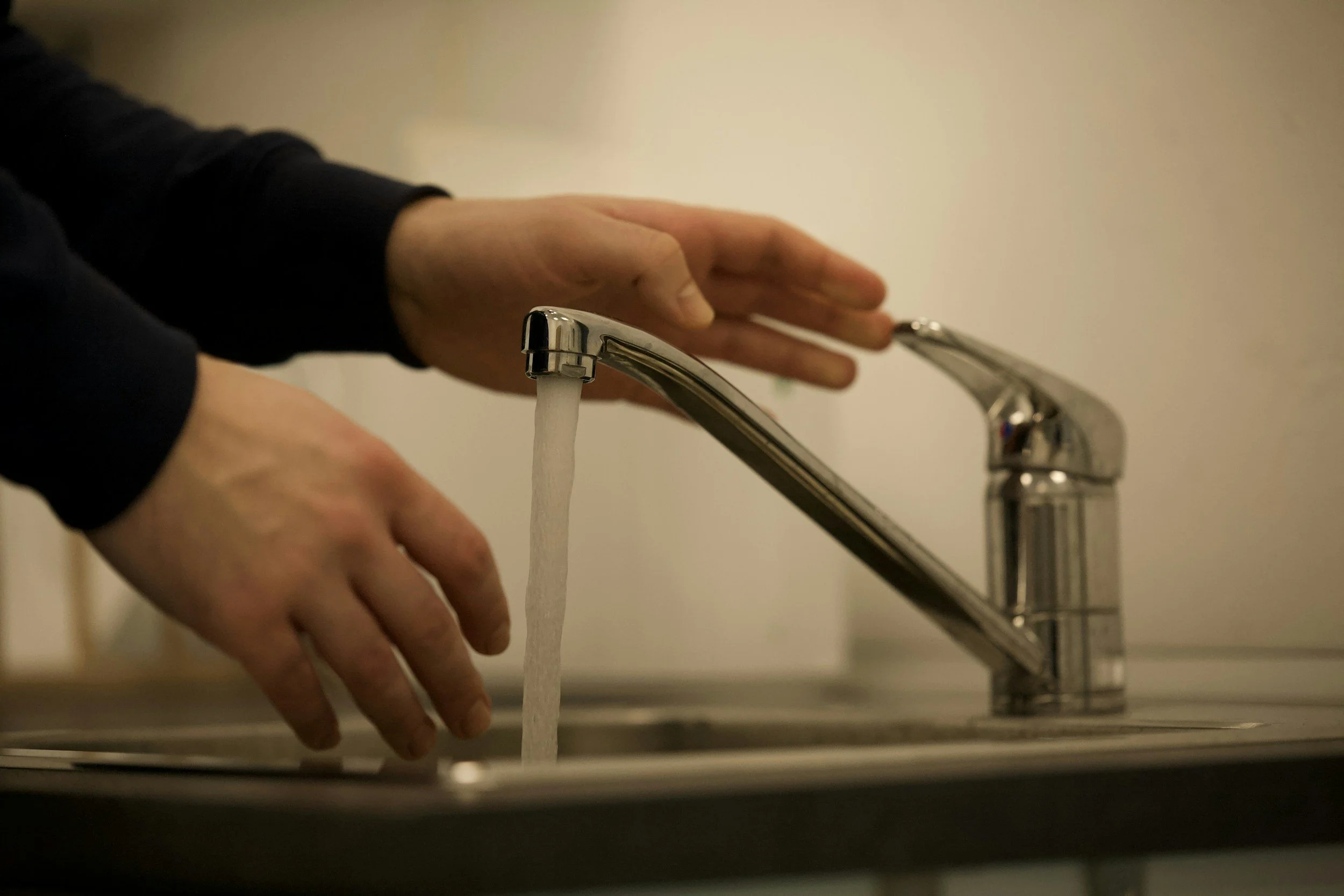
Moisture is a key attractant for many types of pests, particularly cockroaches, silverfish, and termites. Bathrooms, kitchens, basements, and laundry rooms are often damp environments that go unchecked.
Common mistake:
Neglecting to fix small leaks or using bathrooms with poor ventilation.
How to break the habit:
Use dehumidifiers in damp areas and install exhaust fans where needed. Inspect under sinks and behind toilets for leaks regularly. Even a slow drip can draw pests over time.
3. Ignoring Trash Habits
Trash bins, especially those inside the home, can be prime pest territory if they’re not properly maintained. The combination of organic waste, residue, and packaging offers both food and nesting material.
Common mistake:
Using bins without lids or letting trash sit for multiple days in warm environments.
How to break the habit:
Empty indoor trash frequently and always use tightly sealed lids. Rinse recyclables and clean bins with a disinfectant solution weekly to reduce lingering odors that attract pests.
4. Overlooking Entry Points
Many pests enter homes through tiny gaps that homeowners overlook. Cracks in the foundation, gaps around doors, or missing weather stripping can allow insects and rodents to sneak inside without detection.
Common mistake:
Failing to inspect the home’s exterior regularly for signs of wear.
How to break the habit:
Seal cracks with caulk, replace worn-out door sweeps, and ensure window screens fit snugly. Conduct a seasonal walk-around of your property to identify potential access points and fix them before pests exploit them.
5. Clutter That Provides Cover
Even a clean home can be attractive to pests if clutter gives them places to hide. Cardboard boxes, stacked newspapers, and untouched storage bins provide darkness and shelter — ideal conditions for insects and rodents to nest.
Common mistake:
Allowing clutter to accumulate in basements, garages, attics, and closets.
How to break the habit:
Switch to plastic storage bins with tight lids. Reduce unused belongings and organize storage areas so pests have fewer places to hide. A clutter-free space is easier to clean, inspect, and protect.
6. Landscaping Too Close to the Home
The area around your home matters just as much as the interior when it comes to pest control. Overgrown vegetation, woodpiles, and mulch right up against the foundation create a bridge between the outdoors and inside.
Common mistake:
Planting shrubs too close to siding or stacking firewood against the home.
How to break the habit:
Maintain a pest buffer zone by keeping plants trimmed and at least one to two feet away from your exterior walls. Store woodpiles away from the house and elevate them to prevent ground moisture buildup.
7. Delaying Regular Maintenance
Pest prevention isn’t a one-time effort. It requires consistent attention to the conditions inside and around your home. When regular inspections or basic home maintenance get pushed off, problems can escalate quickly.
Common mistake:
Waiting until pests are visible to take action.
How to break the habit:
Establish a maintenance checklist and complete it seasonally. This includes inspecting seals, checking for signs of infestation, and addressing minor issues before they grow.
Partnering with a reliable pest control Orange County can also help create a consistent prevention strategy that covers the gaps homeowners may overlook.
8. Letting Lights Draw Insects
Outdoor lights are necessary for safety, but they can also attract flying insects, which then find ways to make their way indoors.
Common mistake:
Using bright white bulbs near doorways and entry points.
How to break the habit:
Switch to yellow or sodium vapor bulbs, which are less attractive to insects. Keep lights farther from doorways or use motion sensors to limit their use to when needed.
9. Overwatering Plants
Indoor plants bring beauty and cleaner air into your home — but they also bring moisture and organic material, which can attract gnats, ants, and other pests.
Common mistake:
Watering too frequently or leaving standing water in trays beneath pots.
How to break the habit:
Water only as needed and ensure your pots have proper drainage. Wipe up any overflow quickly and check soil regularly for signs of pest activity.
Conclusion
Pest control isn’t just about traps and treatments — it’s about creating an environment that pests simply don’t find inviting. Many infestations start with small, repeated behaviors that go unnoticed until they result in visible problems.
By breaking these common habits, homeowners can take proactive control of their living spaces. With attention to cleanliness, moisture, access points, and clutter, it’s possible to keep pests at bay without constantly reacting to their presence.
CURA Termite & Pest Control understands how behavior and environment shape pest patterns. By combining professional guidance with smarter daily habits, homeowners can create a long-term shield against unwanted invaders — and enjoy cleaner, more comfortable living.
HOW DO YOU FEEL ABOUT FASHION?
COMMENT OR TAKE OUR PAGE READER SURVEY
Featured




When investing in quartz countertops, choosing the right warranty and care package is just as important as selecting the color and finish.