
How Modern Life Turned Us All Into Nomads

PAGE
By PAGE Editor
How modern life turned us all into nomads explains a shift we didn’t expect. Generations before us often lived, worked, and died in the same place. Today, we treat life like a series of chapters, each unfolding in a different city or country. Technology, cost of living, and changing values all push us to stay in motion. Home is no longer a destination. It’s a temporary stop.
Exploring New Lifestyles Is the New American Dream
Settling down is no longer the goal for everyone. Some people leave their jobs and cities behind just to try something new. Exploring new lifestyles means chasing purpose over permanence. It might involve living on the road in a van, working remotely from Portugal, or house-swapping with strangers in Melbourne. The appeal lies in testing identities, not just destinations.
Digital Convenience Fuels the Drift
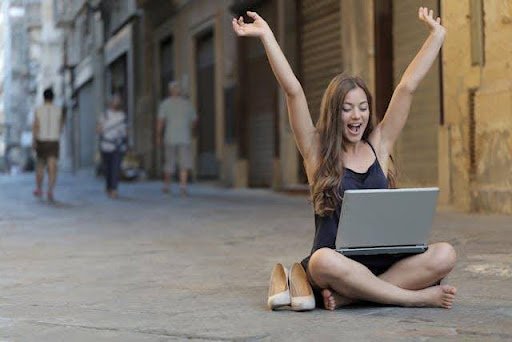
We live in a world where you can find housing, book transport, and work—all from your phone. Digital tools reduce the friction of moving. Apps help people book apartments, store documents, and even form friendships online. You don’t need deep roots to feel connected. A stable Wi-Fi connection now matters more than a permanent address.
Redefining Belonging Through How Often People Move
We no longer measure stability by years in one spot. Instead, we discuss how often people move and how well they adapt. Moving every year used to be rare—now it’s normal for many. Corporate contracts, lease increases, or the search for better schools all push families to shift constantly. Younger generations especially see relocation as growth, not disruption.
Careers Without Borders: Navigating Modern Careers
Your job no longer limits your address. Navigating modern careers means working for a company in London while living in Chiang Mai. Remote work, freelancing, and online entrepreneurship mean your office fits in a backpack. Instead of living where the job is, people move where the living is better—cheaper rent, more sun, or stronger communities.
Renting Replaces Rooting
People no longer measure success by homeownership. The new measure is flexibility. Long-term leases and mortgages often feel like traps. Many choose short-term rentals so they can pivot quickly. Why buy when you can test out different cities until one feels right? This mindset fuels a sense of impermanence—but also freedom.
Minimalism Makes It Easier to Go
Nomadic life becomes easier when your life fits in a few bags. People have embraced minimalism, not for aesthetics but for mobility. When you own less, you think less about logistics. You can take job opportunities abroad, follow a partner’s move, or escape a city that's become unaffordable. Being mobile now matters more than accumulating stuff.
Moving as a Form of Self-Discovery
Each move brings new habits. Some people see moving as a way to reinvent themselves. They shed routines, relationships, and even names. This constant transition creates a loop of renewal. Whether it’s starting therapy, trying new foods, or shifting time zones, nomads often use their location to signal personal change. They don’t just move physically—they evolve emotionally.
Technology Keeps Relationships Intact
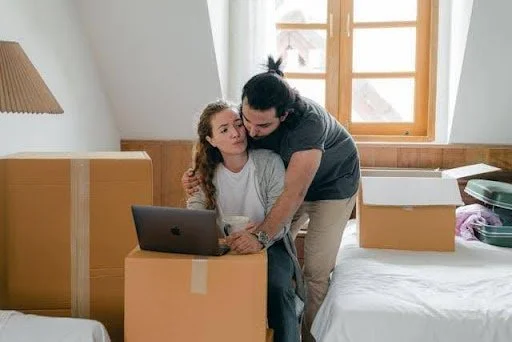
One reason we’re able to move more is that digital tools let us stay close. Messaging, video calls, and group chats mean we rarely lose touch. Long-distance friendships feel less distant. Family check-ins happen weekly. These connections allow people to move without fear of isolation. You don’t lose people. You just talk to them differently.
How Modern Life Turned Us All Into Nomads and We Barely Noticed
The transformation didn’t come with fanfare. It came through monthly rent hikes, job offers in new time zones, and easy access to cheap flights. People now skip hometown reunions in favor of global experiences. They give up large homes for smaller lives filled with movement. And somehow, we’ve all come to accept that drifting is part of growing.
Remote Schooling for Kids on the Move
Even family life has adjusted. Wonder how modern life turned us all into nomads, even kids? Homeschooling and online education help kids stay academically consistent while parents switch locations. Some families choose to travel full-time. Others move every few years. Children now grow up learning flexibility and cultural awareness instead of only memorizing facts. Mobility becomes part of their identity, not a disruption.
Rebuilding with Every Lifestyle Revamp
Starting over can be hard, but it’s also energizing. A lifestyle revamp often begins with location. You leave the noise, the job, or the stress behind. New places bring new habits—early mornings, fresh foods, or even new careers. Many people find their best selves after a move. The break from routine allows for introspection and reset.
Cities Compete for Remote Residents
Some cities even offer financial incentives to attract digital nomads. From cash offers to tax breaks, towns across the globe want newcomers who work online. Places like Tulsa, Bali, and Lisbon have become hubs. These destinations offer community, good infrastructure, and often a better quality of life. It’s a competition that benefits the nomadic class.
Language and Culture Are Less of a Barrier
Thanks to translation apps, English-friendly environments, and global media, culture shock is no longer a reason to stay home. People move to new countries more easily than ever. Local grocery stores carry international products. Language classes happen online. People no longer need to understand everything—they just need the willingness to try.
Decluttering Emotional Attachments
Frequent movers also learn to detach emotionally from things, places, and sometimes people. This isn’t about coldness—it’s about adaptability. You discover how to make new friends, re-establish routines, and create comfort in temporary spaces. The skill isn’t staying—it’s starting again without fear.
How Modern Life Turned Us All Into Nomads and What That Means Going Forward
How modern life turned us all into nomads speaks to more than our geography—it speaks to how we define identity. Movement is now part of our daily story. We chase balance, lower costs, better weather, or just the next thing. What used to be rare is now expected. For better or worse, we’ve built lives that don’t rely on staying still. And in doing so, we’ve redefined what it means to be at home.
Meta: How modern life turned us all into nomads: Discover how shifting values, tech, and remote work drive constant movement and lifestyle change.
HOW DO YOU FEEL ABOUT FASHION?
COMMENT OR TAKE OUR PAGE READER SURVEY
Featured





At LVMH Watch Week in Milan, Hublot sets the tone for 2026 by unveiling a bold lineup that fuses technical mastery, innovative materials, and high-profile collaborations—from the Novak Djokovic GOAT Tourbillon and 20th-anniversary Big Bang Original Unico to Samuel Ross designs, new chromatic explorations, and football-inspired limited editions.