
How to Reuse Coffee Grounds for Hair, Skin and Beauty, According to Experts
PAGE
By PAGE Editor
Millions of used coffee grounds are thrown away each day, despite their proven benefits for hair, skin and even the home. Beauty experts say these everyday leftovers can be safely reused in simple at-home routines that support both self-care and sustainability, especially during winter months when skin and hair are under extra stress.
According to Danielle Louise, Beauty Specialist at Fresha, spent coffee grounds are often overlooked because people assume their value ends once the drink is finished. In reality, they still contain antioxidants, caffeine and fine granules that make them useful in beauty routines when applied correctly. She explains that coffee grounds are particularly effective for dull winter skin and for hair weighed down by heavy styling products.
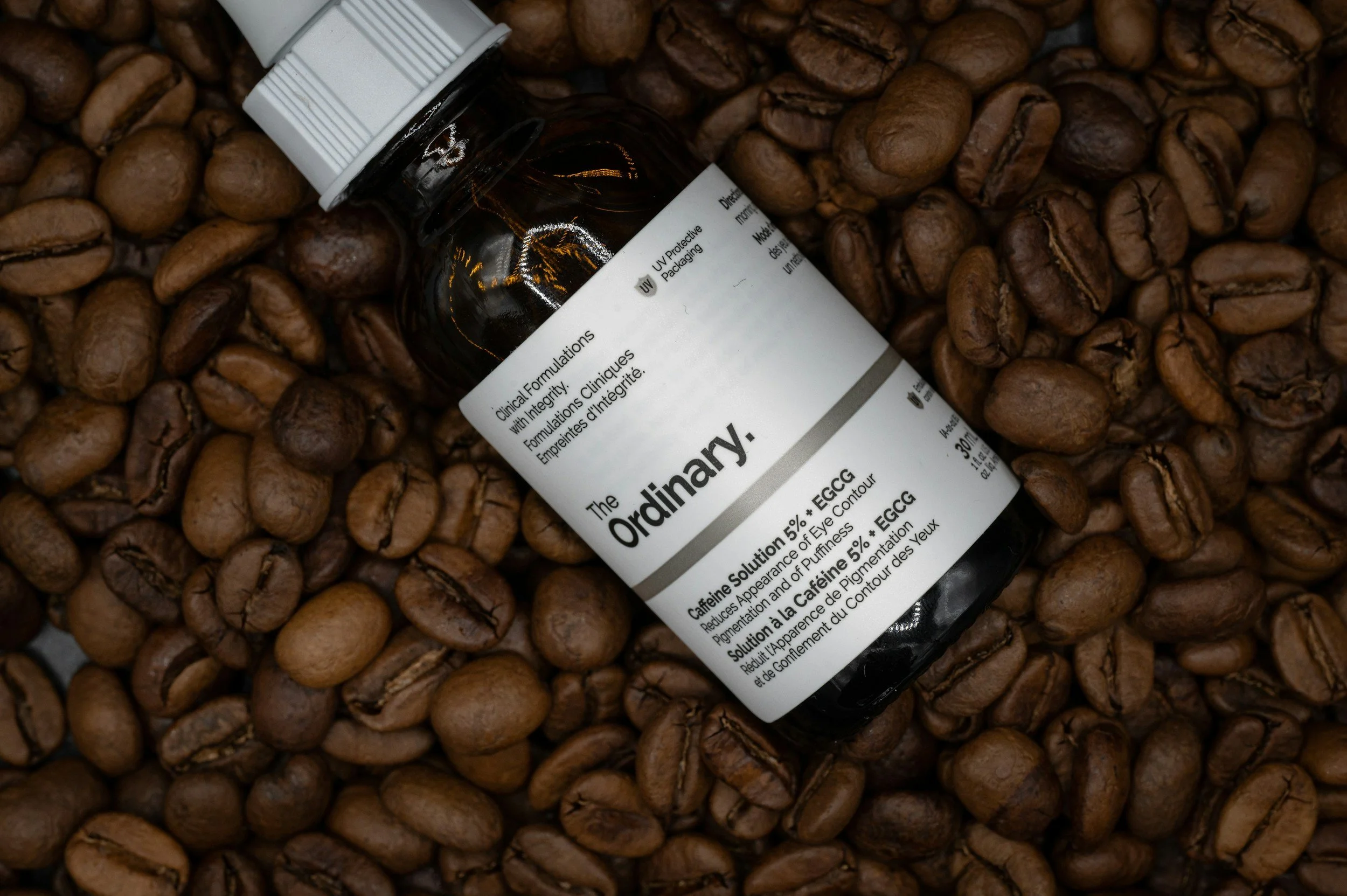
Used coffee grounds work well in skincare because they act as a physical exfoliant, helping to remove dead skin cells while stimulating circulation. Danielle notes that when used gently, coffee scrubs can leave skin feeling smoother and more energised. They are best suited for body exfoliation, especially on areas like the arms, legs and elbows, where skin tends to be thicker and less sensitive.
To use coffee grounds on the skin, experts recommend mixing cooled, used grounds with a small amount of natural oil or shower gel before massaging lightly onto damp skin. The mixture should be rinsed thoroughly, and use should be limited to once a week to avoid irritation or over-exfoliation.
Coffee grounds can also be beneficial for hair and scalp care, particularly for people who regularly use dry shampoo, styling sprays or rich conditioners. Danielle explains that residue can build up at the roots over time, and a gentle coffee-based scalp scrub can help lift excess oil and product buildup without relying on harsh chemicals.
For hair use, a small amount of damp coffee grounds can be applied directly to the scalp before shampooing. The scalp should be massaged gently, followed by shampooing as normal. Danielle advises avoiding this method on bleached or very light hair, as coffee can slightly tint lighter shades.
While coffee grounds can be useful, Danielle warns that more is not better when it comes to DIY beauty treatments. Coffee grounds should never be rubbed harshly or applied to broken, inflamed or sensitive skin. She also stresses that they should not replace professional exfoliating treatments or medical-grade skincare, and that facial use should generally be avoided unless the grounds are very finely milled, as facial skin is more delicate.
Beyond beauty, coffee grounds are increasingly being reused around the home as sustainability becomes a greater priority. In winter, they can be scattered on icy paths and driveways to add grit and reduce slipping. Dried coffee grounds can also absorb odours in fridges or bins, and they can be composted or used to enrich soil for certain plants in the garden.
“Reusing coffee grounds is one of those small habits that ticks multiple boxes—sustainability, self-care and practicality,” Danielle says. “It’s a simple shift that makes everyday routines feel more intentional.” She adds that beauty doesn’t always need to come in a bottle, and coffee grounds are a reminder that people can get more out of what they already have at home while being mindful of their skin, hair and the environment.
HOW DO YOU FEEL ABOUT FASHION?
COMMENT OR TAKE OUR PAGE READER SURVEY
Featured




Meta’s prescription-ready Ray-Ban AI glasses mark a pivotal shift from experimental wearable tech to everyday infrastructure, embedding intelligence seamlessly into how—and what—we see.