
How to Reduce Illegal Dumping in Your Community Through Smarter Waste Access
PAGE
By PAGE Editor
Illegal dumping is an issue that affects more than just city property—it touches neighborhoods, local economies, public health, and even the environment. When people discard waste on roadsides, in vacant lots, or near water systems, the problem becomes more than an eyesore. It’s a growing concern across suburban and urban areas alike.
The good news? Many instances of illegal dumping are preventable. And one of the most effective ways to reduce it isn’t punitive—it’s practical. It starts with smarter access to waste solutions that are affordable, convenient, and visible to the people who need them.
Communities that prioritize education and availability around residential trash removal, dumpster rental, and rolloff service are more likely to see lower rates of illegal dumping—and a higher quality of shared public space.
The Real Cost of Illegal Dumping
While it may seem harmless to some, the cost of illegal dumping runs deep. Municipalities spend millions annually cleaning up abandoned appliances, mattresses, tires, furniture, and renovation debris. These materials don’t just pile up—they attract vermin, pollute local water systems, and become fire hazards.
Beyond city budgets, residents also pay the price. Property values can decline when streets or parks become dumping grounds. Public trust drops when cleanup is slow or inconsistent. Community events are less likely to take place in areas with visible blight, reducing local engagement and pride.
What’s striking is how often the root cause isn’t malicious intent, but limited options. Not everyone has access to a truck to haul junk to a landfill. Some residents may be unaware of local pickup schedules or confused about bulk disposal rules. For others, the cost or process of waste removal feels prohibitive.
Access = Prevention
At the heart of illegal dumping prevention is access. When individuals know where and how to dispose of waste—especially large or awkward items—they're more likely to follow through responsibly. Clear information, convenient service, and reliable scheduling form the backbone of that effort.
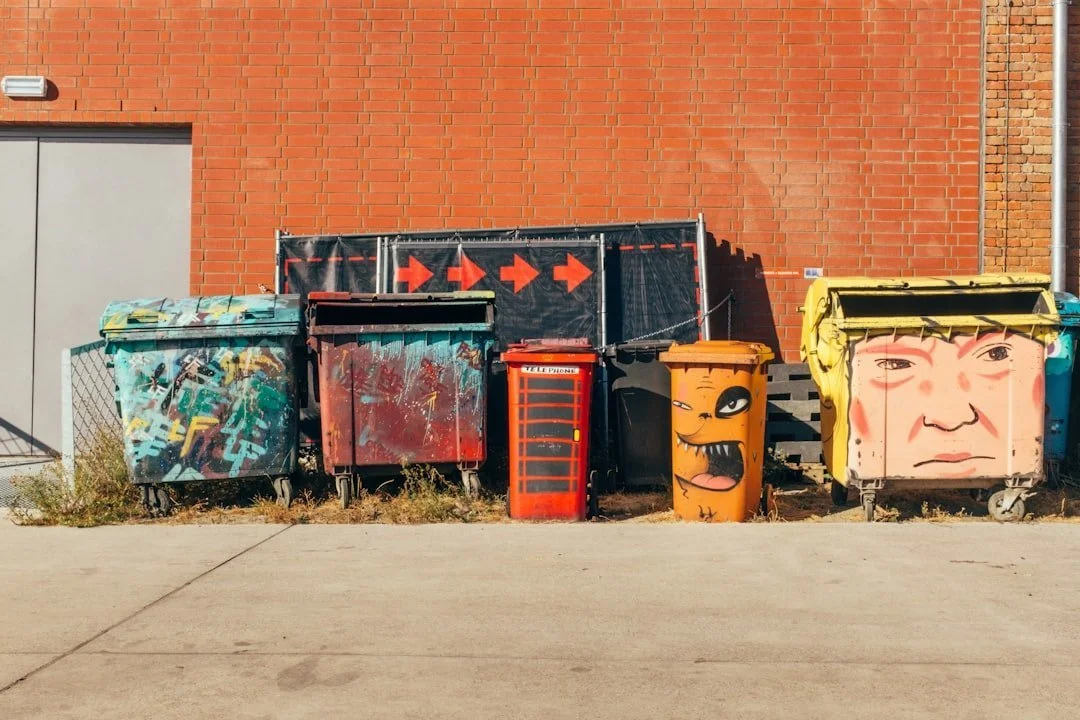
Dumpster rental programs, for example, can serve entire neighborhoods during high-waste periods like spring cleanups, move-out season, or post-storm recovery. When bins are made available at community centers or shared spaces, they reduce the temptation to dump waste behind buildings or along fence lines.
Likewise, rolloff service offered temporarily during renovation periods or civic projects gives residents and business owners a channel to dispose of high-volume materials properly. These containers can support everything from construction debris to broken appliances—items most people don’t know how to get rid of without professional help.
Some communities have worked with providers like Hiep Sanitation to coordinate short-term, low-cost bin access during neighborhood improvement efforts. The result isn’t just less trash—it’s a more engaged and informed public.
Education Plays a Critical Role
Access alone isn’t enough. People need to understand what services are available and how to use them. Public education campaigns around residential trash removal help fill in the knowledge gaps that lead to bad decisions.
Messaging doesn’t need to be complicated. Often, just answering a few key questions can shift behaviors:
When is large-item pickup scheduled in your area?
What types of waste can go in standard bins, and which require special handling?
How can residents request a bulk pickup or temporary bin?
What penalties exist for illegal dumping—and how can they be avoided?
Posting this information on neighborhood signs, local government websites, or even utility bills can be surprisingly effective. When people understand the rules and see that the city or provider is offering solutions—not just restrictions—they’re more likely to cooperate.
The Role of Businesses and Property Owners
It’s not just individuals who contribute to the dumping issue. Businesses, construction crews, and absentee landlords can unintentionally create opportunities for trash buildup if they don’t maintain their own waste systems properly.
Construction sites without a designated rolloff service container, for example, can become hotspots for unauthorized dumping. When people see debris already collecting, they assume it’s a safe place to leave more.
Vacant lots behind commercial buildings or near apartment complexes are also frequent targets—especially when dumpster rental agreements lapse or bins are overfilled.
Property owners can play a major role in prevention by securing bins, maintaining cleanliness, and posting signs about proper use. They should also report illegal dumping quickly and avoid delaying cleanup, which often signals that enforcement is lax.
Community-Wide Events Make a Difference
Neighborhood clean-up days are more than symbolic—they’re logistical tools that reduce the volume of material that might otherwise end up dumped illegally. By coordinating with sanitation providers to schedule dumpster rental or residential trash removal services on-site, communities take pressure off individuals and promote shared responsibility.
These events also create visibility. When neighbors see one another participating and cleaning up, attitudes begin to shift. A well-kept space invites respect. A neglected one invites waste.
Even small efforts—like providing clear signage or organizing seasonal drop-off days—can help communities get ahead of the dumping problem before it starts.
Building a Culture of Accountability
Ultimately, reducing illegal dumping is about building a culture where responsible disposal is the norm, not the exception. This takes a combination of tools:
Physical access to dumpsters and disposal services
Public information about rules, schedules, and resources
Local businesses that support cleanup efforts
Fast response to violations and community feedback
With these pieces in place, neighborhoods are better equipped to address problems when they occur—and more empowered to prevent them entirely.
Hiep Sanitation has worked with many areas where public-private coordination helped reduce dumping rates dramatically. But the most consistent improvements come from a mindset shift: that waste management is not a burden, but a shared responsibility.
Final Thoughts
There’s no single fix for illegal dumping. But the path to fewer violations, cleaner streets, and more livable neighborhoods starts with smarter access and proactive engagement.
By investing in dumpster rental, rolloff service, and community-wide residential trash removal strategies, cities and residents alike can reshape their environment—one cleanup at a time.
Because when people are given the right tools, most of them will do the right thing.
HOW DO YOU FEEL ABOUT FASHION?
COMMENT OR TAKE OUR PAGE READER SURVEY
Featured




When investing in quartz countertops, choosing the right warranty and care package is just as important as selecting the color and finish.