
How to Spot a Great Kitchen Knife
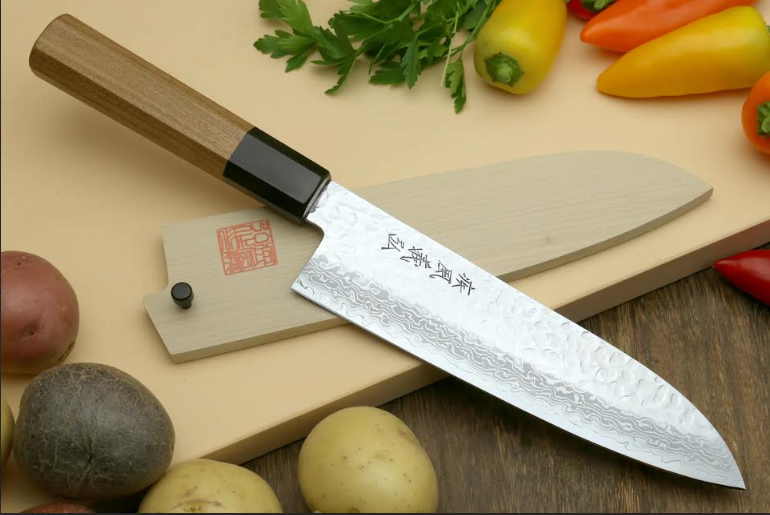
PAGE
By PAGE Editor
Whether you cook professionally or whip up dinner on the weekend, a solid kitchen knife sits at the heart of every good kitchen. When the blade is right, chopping, slicing, and dicing slide along quickly, the work feels safer, and even a simple meal seems to shine a little brighter. Yet with the market flooded by everything from classic Japanese santokus to all-in-one chef knife blocks, knowing which steel is truly worth your hard-earned cash can feel like a guessing game.
This short guide shows you the telltale signs of a top-notch blade, walks you through the features that matter most, and points you toward the right knife for your cooking style.
Why Spending on Good Knives Pays Off
Before we dig in, you may still wonder why it pays to reach for quality in the first place. A well-forged, razor-sharp knife cuts clean and true, so your fingers stay out of harm's way and the prep work demands far less muscle. Cheap blades lose their edge after a handful of carrots or snap under pressure, but a robust chef set or a handful of crafted Japanese units stay reliable for years, saving you the hassle-and cost-of constant swaps. Plus, the precision they offer lets you go from paper-thin tomato rounds to tidy roast slices without slowing down.
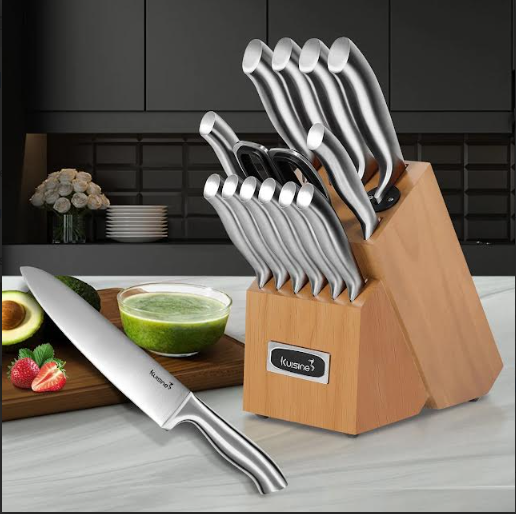
Key Features of a High-Quality Kitchen Knife
Not sure where to start when shopping for a new knife or chef knife set? Heres a short guide to the traits that set better knives apart from the mass-produced crowd.
1. Blade Material
The steel thats used in the blade really influences how long the knife will last and how well it cuts. Top kitchen knives are usually forged from one of these two materials:
Stainless Steel: Tough against rust and stains, these blades stay bright with little upkeep, making them ideal for daily kitchen chores.
Carbon Steel: Sharper out of the box and quick to hone, yet they can corrode if left wet, so regular drying and occasional oiling are a must.
Damascus steel, often favored in Japanese blades, marries striking patterned looks with superb edge-holding and toughness. Because of that rare blend, many cooks reach for it when they want tools that both perform and impress.
If youre after a true benchmark in blade-making, check out top-tier Japanese kitchen knives forged from classic high-carbon stainless or that handsome Damascus steel.
2. Construction and Design
A knife's build affects how it feels in hand, how long it lasts, and how easily you can slice through a meal. Keep these key points in mind:
Forged vs. Stamped:
Forged knives begin as a solid bar of steel, then are heated, hammered, and ground into shape. That process gives them greater strength, a natural curve, and often a bolster-the sturdy swell between blade and handle-that improves balance.
Stamped knives, by contrast, are sheared from a thick sheet of steel and then polished. While some people assume that makes them weaker, a well-finished stamped blade can still feel light, nimble, and surprisingly long-lasting.
Full Tang Construction
A full-tang knife has a blade that stretches the full length of the handle. That single slab of steel gives the tool extra steadiness, strength, and balance, which is why you find it on the top chef sets as well as on many fine Japanese blades.
3. Sharpness and Edge Retention
A knife that goes dull after a couple onions is more headache than help. Good kitchen knives arrive screaming sharp and hold that edge much longer than cheaper versions.
Japanese cooks often angle their blades around fifteen degrees, while many Western models sit closer to twenty. That thinner wedge makes the Japanese knife superb for delicate cuts that demand precision.
Of course, the edge should still be easy to refresh. Lots of premium makers sell simple honing rods or small stones designed specifically for their steel.
4. Handle Material and Comfort
Cooks need a grip that feels secure and agile during long prep sessions. Top knives offer several handle materials, each with its own pros and cons.
Wood Handles
Rich-looking and light in the hand, wood does call for occasional oiling and gentle washing so it lasts.
Plastic or Synthetic Handles
Man-made composites shrug off moisture, resist stains, and stay grippy through years of kitchen work.
G10 Resin Handles
Common on top-of-the-line knives, G10 resin grips combine outstanding toughness with a sharp look.
Make sure the handle feels comfortable and balanced in your hand. A good knife should never feel unnecessarily heavy or awkward as you slice.
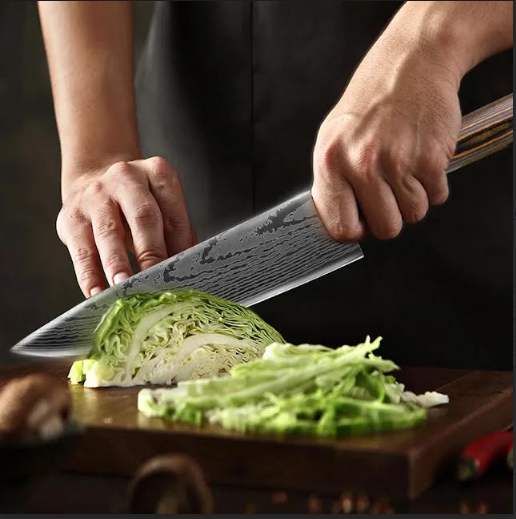
Japanese Knives vs. Western Knives
While shopping for a great chef's knife or a full kitchen set, you'll usually hear the Japanese-versus-Western debate. Each style shines in its own way:
Japanese Knives
Features:
Typically lighter and thinner.
Famous for a razor-sharp edge and pinpoint accuracy.
Often forged from harder steel that keeps its edge longer.
Perfect For:
Delicate cuts, precision slices, and detailed work. Think Santoku for general tasks or Gyuto, a close cousin to the classic chef's blade.
Western Knives
Features:
Heftier, tougher, and built to tackle a wider range of chores.
Steel that's softer overall, easier to sharpen, yet in need of more frequent honing.
Perfect For:
Heavy-duty kitchen chores that demand power, like chopping through bones or slicing large root vegetables.
If you like playing with different cooking styles, think about owning a mix of both knife families. The right top-tier chef set will blend Japanese finesse with Western muscle, handing you every technique in one block.
What to Look for in the Best Knife Set
When buying a full set instead of picking singles, check that it carries these core pieces:
Chef Knife (8-10"): The everyday workhorse for chopping, slicing, and fast dicing.
Paring Knife (3-4"): Your go-to for peeling fruit or deveining shrimp with pinpoint accuracy.
Serrated/Bread Knife (8-9"): Cuts through crusty loaves without squashing the crumb inside.
Utility Knife (5-6"): An all-purpose helper for mid-size jobs that need more than a paring knife.
For a splash of luxury, seek out Damascus steel sets or high-end Japanese chef blocks, which store and showcase the blades in style.
How to Test a Knife’s Quality Before Buying
Want to be sure the knife you grab is the real deal? Run these quick checks before you hand over your money.
The Paper Test:
Hold a sheet of thin office paper and slice toward yourself. A premium edge will glide through with almost no pressure and leave a clean cut.
Balance Test:
Grip the knife where the blade meets the handle. A knife that feels right will sit almost level, neither leaning toward the handle nor tipping forward.
Grip Check:
Make sure the handle stays steady and comfy in your hand, even when your hands are damp.
Elevate Your Cooking with the Right Knife
A good kitchen knife does more than cut; it upgrades every meal you prep. Whether you choose a finely made Japanese blade or put together a complete Chef Knife Set, the right edge changes the rhythm of your cooking.
Think about the tasks you do most, weigh features like steel type and grip shape, and look at top-tier choices such as Damascus steel or hand-forged Japanese knives. From snipping herbs to skinning fish to slicing a roast at the table, a dependable knife turns work into pleasure.
Hunting for your ideal blade? Browse our hand-picked Chef Knife Sets and Japanese knives, and lift your kitchen skills today!
HOW DO YOU FEEL ABOUT FASHION?
COMMENT OR TAKE OUR PAGE READER SURVEY
Featured




When investing in quartz countertops, choosing the right warranty and care package is just as important as selecting the color and finish.