
Innovative Features of Modern Portable Classrooms
PAGE
By PAGE Editor
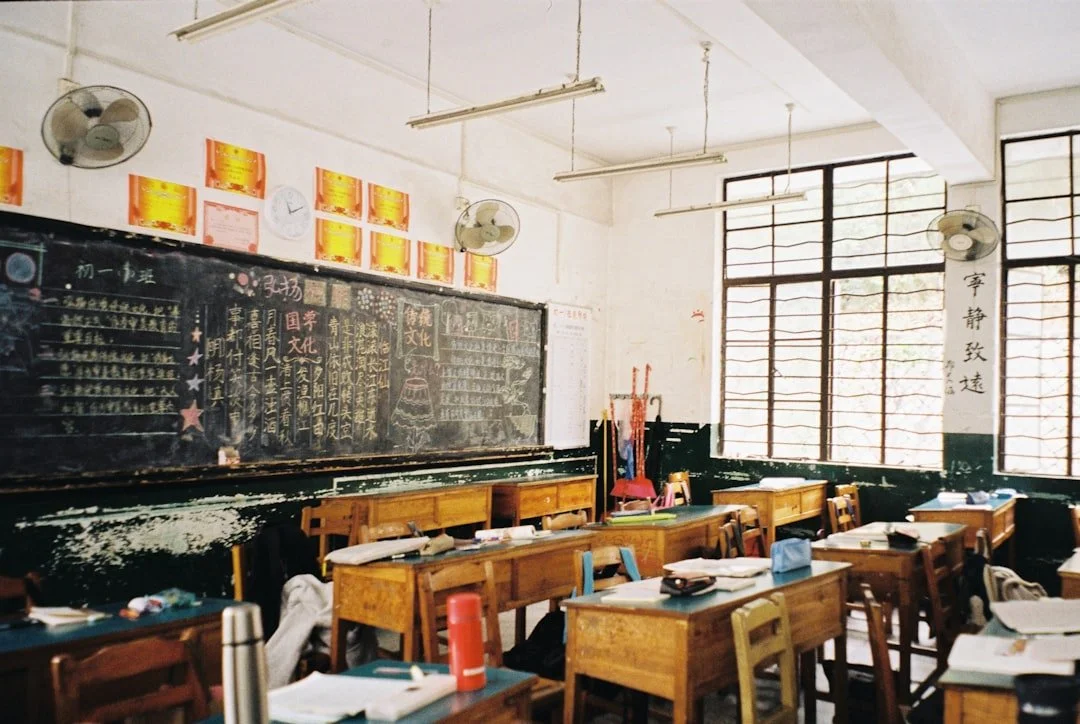
Modern portable classrooms provide a flexible solution for addressing over-enrollment or space restrictions resulting from school renovations. They provide high-performance learning environments with innovative features incorporated into their designs. Buildings are prefabricated off-site to allow for quick installations that provide accessible, energy-efficient, and eco-friendly features. Here are a few insights on the innovative features of portable classrooms:
Modular and Customizable Design
Portable classrooms have innovative designs that promote flexible learning. Designs include the use of modular construction, open floor plans, and integrated storage. They enable classrooms to be built off-site and assembled quickly upon delivery. This helps schools address issues of over-enrollment or operational disruptions due to construction. Short-term solutions like this enable the class to continue without relocation or waiting for construction to finish. Modular classrooms are also scalable, which allows schools to stack or expand buildings to make them capable of meeting a school’s specific needs.
Some modular classrooms have open floor plans that promote learning, while others can be subdivided into administrative offices. Adaptive layouts are suitable for collaborative zones, flexible seating arrangements, and quiet study areas. Integrated storage in modular classrooms may have built-in cabinets and movable furniture that keep learning spaces free from clutter. Many modular building providers also offer customizations for out-of-classroom needs, such as cafeterias, libraries, and science labs.
Climate Control and Air Quality
A consistent climate is helpful for learning as it improves productivity, focus, health, and safety. Portable classrooms facilitate comfort by integrating HVAC systems that control the temperature, humidity, and air quality. Some portable classrooms utilize HEPA or air purification filters to provide a consistent supply of clean air, limiting allergens or mold within classrooms. Other modular buildings prioritize natural ventilation and use operable windows and strategically placed vents. Natural ventilation promotes the circulation of fresh air without the noise of mechanical fans.
Energy Efficiency and Sustainability
Portable classrooms are designed to be energy efficient to lower operational costs, reduce carbon footprints, and facilitate a healthier indoor environment. In addition to efficient HVAC systems, modular classrooms may incorporate sustainable features such as:
LED lighting: Some LED lighting equipment is fitted with motion sensors or daylight dimmers. They control electricity usage depending on natural lighting conditions and the time of day.
Solar panels: Solar panels produce energy on sunny days, helping reduce a school’s reliance on electricity from local grids. This is beneficial during power outages, as learning will not be disrupted.
Insulated walls: Proper wall and roof insulation help maintain a consistent temperature during the winter and summer, which reduces the load on the HVAC systems.
Sealed openings: Windows and doors can be double-glazed and low-emissivity, reducing the leakage of conditioned air and external noise interference.
Building materials: Eco-friendly materials, such as recycled steel frames and renewable finishes, can be used to promote sustainable construction. This construction method helps reduce waste in the factory and has a smaller environmental footprint.
Technology Integration
Modern modular classrooms feature technology upgrades that support digital learning and advanced teaching tools. The technology includes pre-wiring for internet connectivity, interactive whiteboards, sound systems, and built-in projectors. Some classrooms are also equipped with outlets for individual devices, such as USB charging ports, and wireless access points. This allows students and teachers to utilize online resources for learning freely and enhances virtual lessons.
Accessibility and Inclusivity
Modular classroom design should be Americans with Disabilities Act (ADA) compliant. This includes incorporating wide doorways, ramps, and accessible restrooms into the modular layout. Classroom accessibility promotes inclusive learning, especially for students with disabilities, and verifies legal compliance. The units can also be integrated with cement patios or existing accessible structures to facilitate wheelchair access. Some modular classrooms are fitted with sensory elements, such as softer lighting or built-in assistive technology, which benefits students with special needs or disabilities.
Contact a Portable Classrooms Supplier Today
Modern portable classrooms are dynamic, technologically inclined, and environmentally conscious learning environments. Design innovations enable modular classrooms to rival traditional buildings, and they offer a high level of customization to meet the diverse student needs. These prefabricated buildings help facilitate rapid assembly and deployment to meet short- and long-term requirements. When classrooms are no longer needed, they may be adapted to serve as community centers or local government buildings. Contact a reliable supplier to discuss customization options for modular classrooms today.
HOW DO YOU FEEL ABOUT FASHION?
COMMENT OR TAKE OUR PAGE READER SURVEY
Featured

When investing in quartz countertops, choosing the right warranty and care package is just as important as selecting the color and finish.